



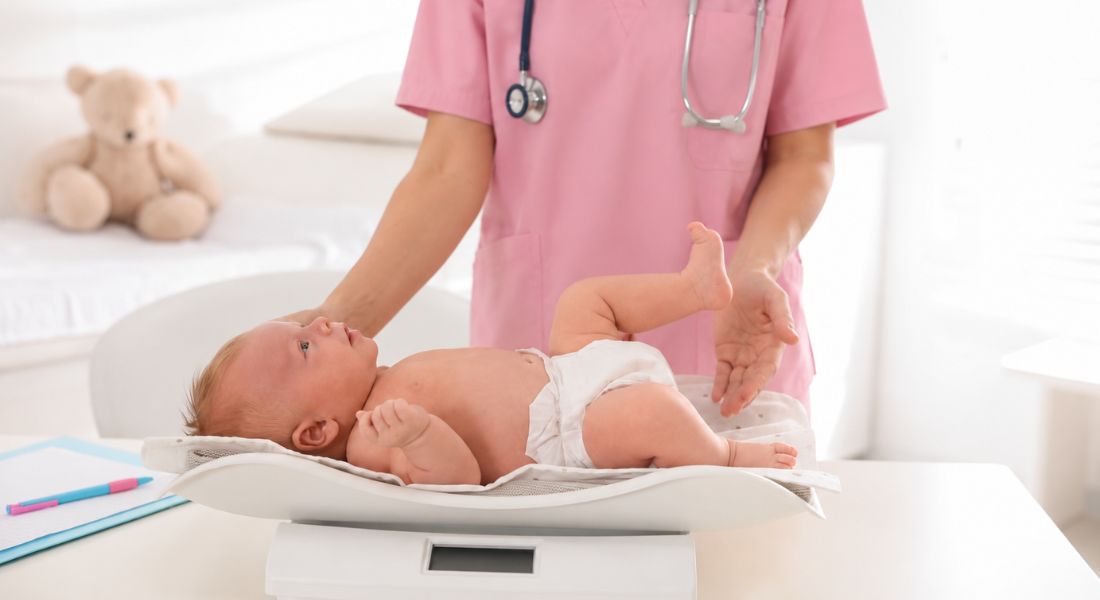
Learning that your baby has a low birth weight can feel worrying, and you may have questions about what it means for their health and future. A low-birth-weight baby weighs less than 2.5 kilograms at birth, and this may happen because your baby was born prematurely or did not grow as expected during pregnancy.
Not every low-birth-weight baby needs specialist neonatal care, and many only require extra support with feeding, temperature and blood glucose monitoring. If your baby needs additional treatment, the neonatal team will assess their overall condition, explain the care they need and monitor how well they adapt after birth rather than focusing on their weight alone.
What Is Considered a Low Birth Weight?
A baby has a low birth weight when they weigh less than 2,500 grams at birth, regardless of gestational age. A birth weight below 1,500 grams is described as very low, while a birth weight below 1,000 grams is described as extremely low.
These categories help describe risk but do not determine an individual baby’s treatment or future development. The neonatal team also considers gestational age, growth during pregnancy, breathing, feeding, temperature regulation and overall clinical condition.
Is Low Birth Weight the Same as Prematurity?
Low birth weight and prematurity are closely linked, but they are not the same thing. Prematurity refers to when your baby is born, while low birth weight refers to how much your baby weighs at birth, and a premature baby is born before 37 completed weeks of pregnancy.
Your baby may have a low birth weight because they arrived early, or they may be born at full term but have grown more slowly during pregnancy. The neonatal team will look at both your baby’s weight and gestational age to understand their individual needs and decide whether any extra care or monitoring is required.
What Does Small for Gestational Age Mean?
A baby is commonly described as small for gestational age when their birth weight is below the 10th centile for their gestational age. This is a measurement-based description: some babies are constitutionally small and healthy, while others need closer assessment.
Fetal growth restriction means that a baby has not reached their expected growth potential because of a maternal, placental or fetal condition. The team considers pregnancy scans, Doppler findings, birth measurements and the baby’s condition rather than assuming that every small baby experienced growth restriction.
What Can Cause a Baby to Have a Low Birth Weight?
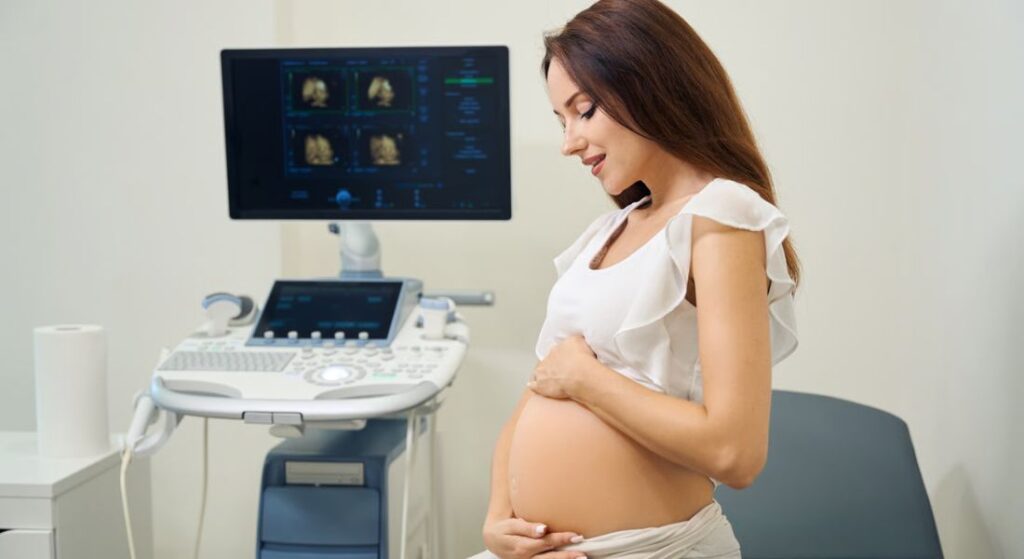
Your baby may have a low birth weight because they were born prematurely, grew more slowly during pregnancy or experienced a combination of both. Pregnancy complications, such as placental problems or pre-eclampsia, can affect your baby’s growth and may also make an earlier birth necessary.
Other factors, including multiple pregnancies, some maternal health conditions, infections, congenital or genetic conditions and smoking during pregnancy, can also contribute to a low birth weight. In some cases, no clear cause is found, but your neonatal team will focus on your baby’s individual needs and provide the care and support they require after birth.
Identifying and Caring for Low-Birth-Weight Babies
| Aspect | What It Involves | Why It Matters | Possible Next Steps |
| Ultrasound growth assessment | Measures the baby’s head, abdomen and thigh bone to estimate weight | Helps identify babies who may be smaller than expected | Additional growth scans may be arranged |
| Serial growth scans | Monitors growth over several weeks | Shows whether growth is progressing normally | Supports decisions about pregnancy care |
| Doppler ultrasound | Assesses blood flow in the umbilical cord and other blood vessels | Helps detect possible fetal growth restriction | May prompt closer monitoring or earlier delivery if needed |
| Low birth weight after delivery | Birth weight is confirmed after the baby is born | Determines whether extra monitoring is required | Feeding, temperature and glucose checks may be needed |
| Staying with parents | Well babies may remain with you on a postnatal or transitional-care ward | Encourages bonding while receiving additional observations | Regular monitoring continues as needed |
| Neonatal unit admission | Recommended for babies who are very small, premature or medically unwell | Provides specialist care for babies needing extra support | The care plan is based on your baby’s individual condition |
What Happens Immediately After the Birth?
After your baby is born, the team will dry them, keep them warm and carry out a thorough assessment. They will check your baby’s breathing, heart rate, colour, muscle tone and overall condition, and if your baby is stable, you may be able to enjoy skin-to-skin contact soon after birth.
Your baby may also have their weight, temperature and oxygen levels checked. The decision to monitor blood glucose is based on factors such as gestational age, growth centile, maternal diabetes, feeding, symptoms and the baby’s overall condition rather than low birth weight alone.
If your baby needs extra support with feeding, breathing or keeping warm, the neonatal team should explain what is happening and help you participate in your baby’s care whenever their condition allows.
Why Do Small Babies Have Difficulty Staying Warm?
If your baby has a low birth weight, they can lose body heat more quickly because they have less body fat and a larger skin surface compared with their size. If your baby becomes too cold, they may use valuable energy and oxygen to stay warm instead of using it for growth and development.
Your baby’s temperature will be checked regularly, and they may need an incubator or a heated cot until they can keep themselves warm without extra support. Once your baby is medically stable, you may be encouraged to provide skin-to-skin contact, which can help regulate their temperature while strengthening your bond with them.
Why Is Blood Glucose Monitoring Important?
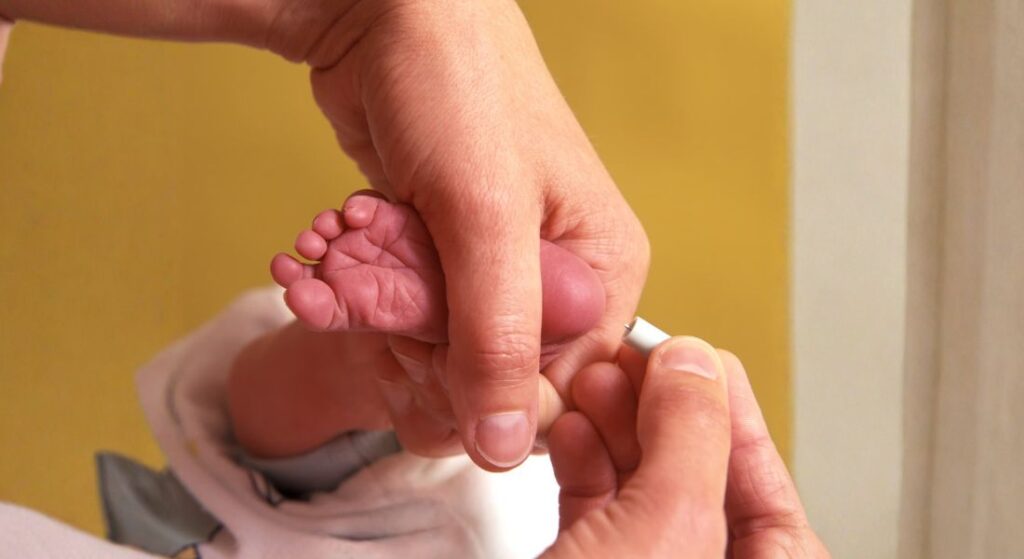
The decision to monitor blood glucose depends on factors such as gestational age, weight centile, maternal diabetes, feeding, symptoms and the baby’s overall condition. Low glucose may cause no obvious symptoms or may be associated with poor feeding, abnormal movements, unusual sleepiness, floppiness or reduced responsiveness.
Management may include feeding support and, in selected well, term babies, glucose gel. Persistent low readings, a very low result or symptoms associated with hypoglycaemia may require tube feeding or intravenous glucose.
How Are Feeding Difficulties Managed?
A small or premature baby may tire during feeds or may not yet coordinate sucking, swallowing and breathing safely. The team will assess feeding ability, breathing, hydration, blood glucose and weight rather than judging feeding from the amount taken at one feed.
Expressed breast milk, donor milk or formula may be offered by cup, syringe or feeding tube according to the care plan. Very small or unwell babies may also receive parenteral nutrition through a vein while small milk feeds are introduced and increased gradually.
When Are Breathing Problems More Likely?
Low birth weight does not always mean that your baby will have breathing problems. Your baby is more likely to need breathing support if they were born prematurely, as their lungs may not yet produce enough surfactant to keep the tiny air spaces open.
You may notice that your baby is breathing quickly, making a grunting sound or pulling in the skin around the ribs if they are having difficulty breathing. Your neonatal team will assess your baby’s breathing and oxygen levels carefully and provide the most appropriate treatment, which may include oxygen, CPAP, a ventilator or surfactant therapy if needed.
Are Low-Birth-Weight Babies More Vulnerable to Infection?
Premature and medically unwell babies can have a greater infection risk because their immune defences and skin and gut barriers are still developing. Cannulas, central lines and respiratory equipment can introduce additional risks, so neonatal teams use infection-prevention procedures and careful hand hygiene.
Changes in feeding, breathing, temperature, colour, activity or oxygen needs may prompt investigation. Blood cultures and antibiotics are used when the baby’s risk factors and clinical signs justify treatment rather than automatically because their birth weight is low.
Is Jaundice More Common in Small Babies?

Premature or medically unwell babies may be more likely to develop jaundice because bilirubin processing and feeding are still developing. If jaundice is suspected or visible during the first 24 hours after birth, the baby requires urgent medical review and a serum bilirubin measurement within two hours.
For jaundice appearing later, bilirubin may be measured using an appropriate skin device or blood sample according to the baby’s gestational age and clinical circumstances. The result is interpreted using the baby’s age in hours and the relevant treatment threshold.
Phototherapy should be used only when the bilirubin measurement reaches the applicable threshold. Feeding and hydration support remain important but do not replace bilirubin measurement or treatment when indicated.
How Can You Be Involved in Your Baby’s Care?
If your baby is admitted to a neonatal unit, you may feel as though you have less control, but you remain an important part of your baby’s care. You can often help by gently touching your baby, speaking to them and, as they become more stable, taking part in tasks such as changing nappies, feeding and settling them.
You may also be encouraged to have skin-to-skin contact and express breast milk if your baby is not yet able to feed directly. Your neonatal team should explain your baby’s condition and treatment in a way that you can understand, so never hesitate to ask questions or request further explanation if anything is unclear.
When Is a Low-Birth-Weight Baby Ready to Go Home?
Your baby does not need to reach one universal weight before leaving hospital. Discharge is considered when they are medically stable and any continuing feeding, respiratory or treatment needs can be managed safely at home with appropriate family training and community support.
Some babies feed independently and need no equipment, while selected babies may go home with oxygen, tube feeding, medicines or planned neonatal outreach. You should receive a written discharge plan, emergency contact details, follow-up arrangements and practical training before leaving.
What Follow-Up May Be Needed?
Your baby’s follow-up care will depend on the reason for their low birth weight, gestational age, neonatal complications and progress after birth rather than their weight alone. Follow-up may involve your midwife, health visitor, GP, neonatal team or another specialist service.
Low birth weight by itself does not automatically mean that a baby requires enhanced developmental surveillance. Babies born prematurely or with particular neonatal risk factors may receive additional developmental follow-up according to NICE guidance, while term babies who were small or growth restricted may require a plan based on their feeding, growth and underlying diagnosis.
When Should You Seek Urgent or Emergency Help?

Call 999 if your baby stops breathing, has long or repeated pauses in breathing, develops severe breathing difficulty, becomes limp or unresponsive, cannot be woken, has a seizure or develops blue, grey, very pale or blotchy colouring.
You should also call 999 if your baby is under eight weeks old and you are extremely worried about them. Do not wait for a private or routine neonatal appointment when emergency symptoms are present.
Seek urgent medical assessment if your baby is under three months old and has a temperature of 38°C or higher, has an unexplained persistent temperature below 36°C, feeds much less than usual, has significantly fewer wet nappies, becomes increasingly sleepy or has green vomit. Trust your judgement whenever your baby appears markedly different from their usual behaviour.
Myth vs Fact
| Myth | Fact |
| Every baby weighing less than 2.5 kilograms must enter neonatal intensive care. | Some low-birth-weight babies remain well and only need extra feeding, temperature and glucose monitoring beside their parent. |
| Low birth weight always means that a baby was premature. | Premature babies are often small, but a full-term baby can also have a low birth weight because they grew more slowly during pregnancy. |
| Every small-for-gestational-age baby is unhealthy. | Some babies are naturally small and have no medical problem. Others experienced growth restriction and require closer assessment. |
| A small baby should always be wrapped in several heavy blankets. | Small babies need help maintaining warmth, but excessive clothing and bedding can cause overheating. Follow the safe-sleep advice given by your healthcare team. |
| Tube feeding means that your baby will never feed normally. | Tube feeding is often temporary and provides nutrition until your baby has enough strength and coordination to feed safely by mouth. |
| A low-birth-weight baby must reach a specific weight before leaving hospital. | Discharge depends on medical stability and whether any continuing needs can be managed safely at home. Some babies leave hospital with oxygen, tube feeding, medicines or neonatal outreach. |
| Every low-birth-weight baby will have long-term developmental problems. | Many babies develop well. The likelihood of additional needs depends on prematurity, growth restriction, medical complications and progress over time. |
| Frequent monitor alarms always mean that a baby is in danger. | Alarms can sound because a baby moves or a sensor becomes loose. Staff assess the baby and the monitor reading together. |
| Once a baby begins gaining weight, follow-up is unnecessary. | Improved weight gain is reassuring, but follow-up may still be needed for feeding, growth, development or the condition that caused the baby to be small. |
| A planned private neonatal appointment is suitable when a baby becomes severely unwell. | Call 999 if a baby stops breathing, has repeated breathing pauses, has a seizure, cannot be woken or develops severe breathing difficulty or pale, blue or grey colouring. |
Key Takeaways
- Low birth weight means weighing less than 2,500 grams at birth, regardless of gestational age.
- Low birth weight, prematurity, small for gestational age and fetal growth restriction are related but different terms.
- Not every low-birth-weight baby needs neonatal-unit admission or intensive care.
- Feeding, glucose, jaundice and infection decisions depend on the baby’s full clinical assessment rather than weight alone.
- Discharge is based on medical stability and safe support at home, not one minimum weight.
- Call 999 if your baby stops breathing, has long or repeated breathing pauses, develops severe breathing difficulty, becomes limp or unresponsive, cannot be woken, has a seizure or develops blue, grey, very pale or blotchy colouring.
FAQs
1. What is considered a low birth weight in a baby?
A baby has a low birth weight if they weigh less than 2,500 grams at birth. A weight below 1,500 grams is very low birth weight, while below 1,000 grams is extremely low birth weight. These categories describe weight and do not determine the baby’s care or outcome by themselves.
2. Does every low-birth-weight baby need neonatal care?
No. A well baby may remain with their parent while receiving additional feeding, temperature or blood-glucose observations on a postnatal or transitional-care ward. Neonatal admission depends on gestation, growth, breathing, feeding and overall clinical condition rather than weight alone.
3. What causes a baby to have a low birth weight?
Common causes include premature birth, fetal growth restriction, placental problems, multiple pregnancy, maternal health conditions, infections and some congenital or genetic conditions. Sometimes no clear cause is identified.
4. Are low-birth-weight babies more likely to have feeding problems?
Small babies may tire more easily, while premature babies may not yet coordinate sucking, swallowing and breathing. Temporary cup, syringe or tube feeding may be used, and very small or unwell babies may receive intravenous nutrition while milk feeds are introduced gradually.
5. Why are low-birth-weight babies monitored for low blood glucose?
Glucose monitoring is based on the baby’s gestation, growth centile, maternal history, feeding and clinical condition. Treatment may include feeding support, glucose gel in selected well term babies or intravenous glucose when levels are persistent, very low or associated with symptoms.
6. Can a low-birth-weight baby go home before reaching 2.5 kilograms?
Yes. A baby does not need to reach 2.5 kilograms before discharge. They may go home when medically stable and when any ongoing feeding, oxygen, medicine or monitoring needs can be managed safely with family training and community support.
7. Are low-birth-weight babies more likely to develop jaundice?
Premature or medically unwell babies may be more likely to develop jaundice. Treatment is based on the measured bilirubin level, gestational age, age in hours and clinical condition; phototherapy is used only when the relevant threshold is reached.
8. Will my low-birth-weight baby have long-term health problems?
Not necessarily. Many low-birth-weight babies grow and develop normally. Long-term outcomes depend on factors such as gestational age, the underlying reason for the low birth weight and any medical complications after birth.
9. How can I support my low-birth-weight baby’s development?
Following your healthcare team’s advice about feeding, skin-to-skin contact, safe sleep, follow-up appointments and routine health checks can help support your baby’s growth and development.
10. When should I seek urgent medical help for my low-birth-weight baby?
Call 999 if your baby stops breathing, has long or repeated breathing pauses, develops severe breathing difficulty, becomes limp or unresponsive, cannot be woken, has a seizure or develops blue, grey, very pale or blotchy colouring.
Call 999 if your baby is under eight weeks old and you are extremely worried about them. Seek urgent medical assessment for a temperature of 38°C or higher when under three months, an unexplained persistent temperature below 36°C, green vomit, marked feeding reduction or significantly fewer wet nappies.
Final Thoughts: Supporting Your Low-Birth-Weight Baby
Learning that your baby has a low birth weight can be worrying, but it does not automatically mean they will need intensive neonatal care or face long-term health problems. Many low-birth-weight babies do very well with careful monitoring, feeding support and regular follow-up, while the neonatal team will tailor any treatment to your baby’s individual needs rather than their weight alone. If you’re looking for a neonatologist in London, you can get in touch with us at London Paediatric Clinic.
References:
- Bala, F.E., McGrattan, K.E., Valentine, C.J. and Jadcherla, S.R. (2024) ‘A narrative review of strategies to optimize nutrition, feeding, and growth among preterm-born infants: Implications for practice’, Advances in Nutrition, 15(11), article 100305. Available at: https://www.sciencedirect.com/science/article/pii/S216183132400139X
- British Association of Perinatal Medicine (2017) Neonatal transitional care: A framework for practice. Available at: https://www.bapm.org/resources/24-neonatal-transitional-care-a-framework-for-practice-2017
- British Association of Perinatal Medicine (2022) Service and quality standards for provision of neonatal care in the UK. Available at: https://www.bapm.org/resources/service-and-quality-standards-for-provision-of-neonatal-care-in-the-uk
- British Association of Perinatal Medicine (2023a) Early postnatal care of the moderate-late preterm infant: A framework for practice. Available at: https://www.bapm.org/resources/framework-early-postnatal-care-of-the-moderate-late-preterm-infant
- British Association of Perinatal Medicine (2023b) NEWTT2 – Deterioration of the newborn: A framework for practice. Available at: https://www.bapm.org/resources/deterioration-of-the-newborn-newtt-2-a-framework-for-practice
- British Association of Perinatal Medicine (2024) Identification and management of neonatal hypoglycaemia in the full-term infant: Birth to 72 hours. Available at: https://www.bapm.org/resources/identification-and-management-of-neonatal-hypoglycaemia-in-the-full-term-infant-birth-72-hours
- Care of Preterm or Low Birthweight Infants Group (2023) ‘New World Health Organization recommendations for care of preterm or low birth weight infants: Health policy’, eClinicalMedicine, 63, article 102155. Available at: https://pmc.ncbi.nlm.nih.gov/articles/PMC10518507/
- Cutland, C.L., Lackritz, E.M., Mallett-Moore, T., Bardají, A., Chandrasekaran, R., Lahariya, C., Nisar, M.I., Tapia, M.D., Pathirana, J., Kochhar, S., Muñoz, F.M. and Brighton Collaboration Low Birth Weight Working Group (2017) ‘Low birth weight: Case definition and guidelines for data collection, analysis, and presentation of maternal immunization safety data’, Vaccine, 35(48 Part A), pp. 6492–6500. Available at: https://pmc.ncbi.nlm.nih.gov/articles/PMC5710991/
- Giouleka, S., Gkiouleka, M., Tsakiridis, I., Daniilidou, A., Mamopoulos, A., Athanasiadis, A. and Dagklis, T. (2023) ‘Diagnosis and management of neonatal hypoglycemia: A comprehensive review of guidelines’, Children, 10(7), article 1220. Available at: https://www.mdpi.com/2227-9067/10/7/1220
- Hendson, L., Church, P.T. and Banihani, R. (2022) ‘Follow-up care of the extremely preterm infant after discharge from the neonatal intensive care unit’, Paediatrics & Child Health, 27(6), pp. 359–364. Available at: https://academic.oup.com/pch/article/27/6/359/6747111
- Linsell, L., Malouf, R., Morris, J., Kurinczuk, J.J. and Marlow, N. (2017) ‘Risk factor models for neurodevelopmental outcomes in children born very preterm or with very low birth weight: A systematic review of methodology and reporting’, American Journal of Epidemiology, 185(7), pp. 601–612. Available at: https://academic.oup.com/aje/article/185/7/601/3061096
- National Health Service (2023a) How to take your baby’s temperature. Page last reviewed 18 July 2023. Available at: https://www.nhs.uk/baby/health/how-to-take-your-babys-temperature/
- National Health Service (2023b) Is your baby or toddler seriously ill? Page last reviewed 24 August 2023. Available at: https://www.nhs.uk/baby/health/is-your-baby-or-toddler-seriously-ill/
- National Health Service (2024) Special care: Ill or premature babies. Page last reviewed 30 April 2024. Available at: https://www.nhs.uk/pregnancy/labour-and-birth/special-care-ill-or-premature-babies/
- National Health Service (2025) Sudden infant death syndrome (SIDS). Page last reviewed 25 November 2025. Available at: https://www.nhs.uk/baby/caring-for-a-newborn/sudden-infant-death-syndrome-sids/
- National Institute for Health and Care Excellence (2010, updated 31 October 2023) Jaundice in newborn babies under 28 days. Clinical guideline CG98. Available at: https://www.nice.org.uk/guidance/cg98
- National Institute for Health and Care Excellence (2017) Developmental follow-up of children and young people born preterm. NICE guideline NG72. Available at: https://www.nice.org.uk/guidance/ng72