



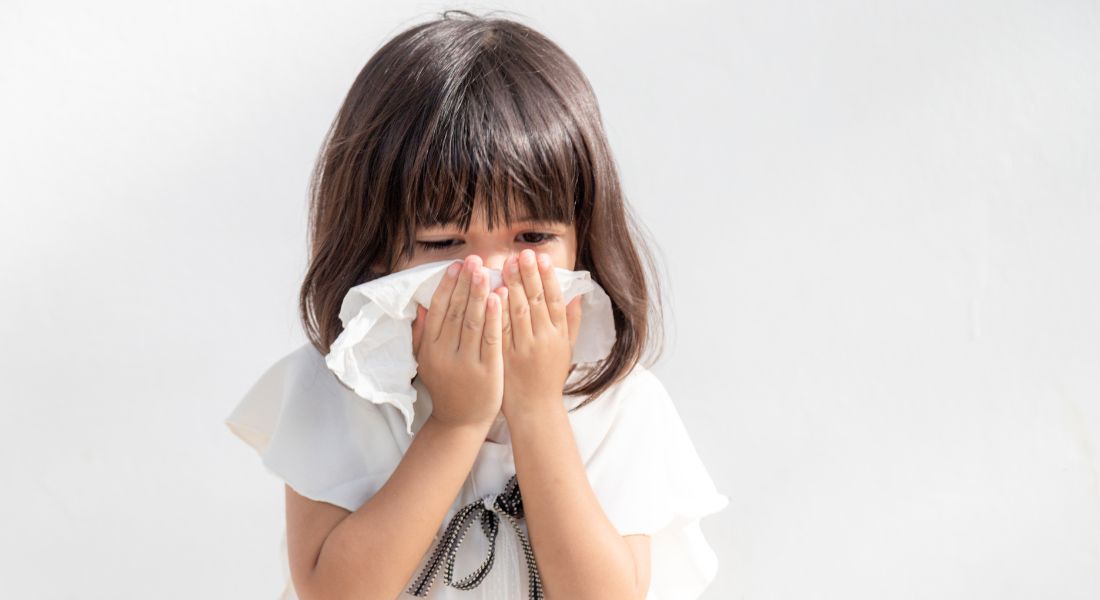
Childhood allergies can be confusing because they do not all look the same. One child may develop hives within minutes of eating a food, while another may have ongoing sneezing during pollen season or more gradual digestive symptoms. You may also notice that your child’s symptoms vary depending on the trigger and situation.
As a parent, you may find yourself questioning whether a symptom is truly an allergy and whether testing is needed. You might also wonder if your child will need to avoid certain foods or triggers long-term. These concerns are very common, especially when symptoms affect daily routines like sleep, school, and family meals.
Allergic conditions can impact many parts of your child’s life, including eating, exercise, and concentration. This is why uncertainty around diagnosis can feel stressful and frustrating. You are not alone in trying to make sense of mixed or unclear symptoms.
The good news is that allergies can often be managed well once the trigger and pattern are properly identified. You should focus on getting an accurate assessment rather than guessing or removing multiple foods without clear advice. A proper diagnosis helps you understand what truly needs to be avoided and what does not.
What Is a Childhood Allergy?
An allergy happens when your child’s immune system reacts to something that is normally harmless to most people. The substance causing the reaction is known as an allergen. You may notice symptoms developing after exposure, depending on what your child is sensitive to.
Common allergens include certain foods, pollen, house dust mites, animal dander, medicines, and insect venom. Reactions can affect the skin, digestive system, nose, eyes, or breathing, and the pattern can vary quite a lot between children. You may find that your child’s symptoms are very different from others with the same trigger.
Some allergic reactions are mild and manageable, while others can be more serious. Anaphylaxis is a severe allergic reaction that needs immediate emergency treatment. You should always follow your child’s allergy plan if they have been given one.
Why Do Children Develop Allergies?
There is rarely a single clear reason why your child develops an allergy. It usually comes down to a combination of genetics, immune system development, and environmental exposure over time. You may find it helpful to think of it as a mixture of factors rather than one specific cause.
If you or other family members have conditions such as eczema, asthma, or hay fever, your child may have a higher chance of developing allergies. Even so, family history does not allow you to predict exactly which allergy will appear or how severe it might be. Each child’s pattern is still individual.
It is important not to blame yourself for your child’s allergy. It is not caused by poor hygiene or a single parenting decision. You should focus on understanding your child’s specific triggers and managing them in a practical way.
The Most Common Types of Childhood Allergies
Childhood allergy is not one single condition, and you may notice that different types affect your child in different ways. Some are linked to food and eating, while others are triggered by the environment or everyday exposures. Understanding the pattern helps you make sense of the symptoms you are seeing.
The main groups include food allergy, allergic rhinitis such as hay fever, house dust mite allergy, animal allergy, medicine allergy, and insect venom allergy. Your child may have more than one type at the same time, which can sometimes make things feel more complicated. The overlap is more common than many people expect.
The type of allergy matters because testing, treatment, and advice are not the same for every condition. Your child should not be assessed in the same way for pollen allergy as for suspected cow’s milk allergy. A tailored approach gives you a clearer diagnosis and more appropriate management.
Food Allergies in Children
Food allergy is one of the most common reasons you may seek advice for your child. In childhood, foods like cow’s milk allergy, egg, and peanut are common triggers, but reactions can vary widely. What matters most is your child’s own reaction pattern rather than general assumptions.
Symptoms can include hives, swelling, vomiting, tummy pain, diarrhoea, or breathing difficulty. Reactions may happen quickly in some children, while in others the pattern can be slower or less obvious. You should pay attention to timing and consistency when you notice symptoms.
You should avoid removing multiple major foods from your child’s diet without a clear diagnosis. This can make meals more difficult and may affect nutrition unnecessarily. A proper assessment helps you understand what really needs to be avoided and what does not.
Immediate and Delayed Food Allergies
Food allergies are often described as IgE-mediated, non-IgE-mediated, or mixed, and these terms simply explain how your child’s immune system is reacting. They also help you understand why symptoms may appear quickly in some cases and more slowly in others. Getting this distinction right is important when you are trying to work out what is really going on.
IgE-mediated reactions usually happen quite soon after exposure and can include hives, swelling, vomiting, coughing, wheezing, or in some cases anaphylaxis. Non-IgE-mediated reactions tend to be delayed and may show up as ongoing digestive symptoms or less obvious patterns over time. When you are observing your child, the timing of symptoms can give you an important clue.
The timing and pattern of symptoms is one of the most useful details you can share with a doctor. When you describe what you saw and when it happened, it helps you and your clinician build a clearer picture. NICE recommends an allergy-focused clinical history as the starting point when food allergy is suspected.
Food Allergy Is Not the Same as Food Intolerance
Food allergy and food intolerance are not the same, even though the symptoms can sometimes overlap. A food allergy involves the immune system, while an intolerance usually happens for other reasons. This distinction matters because it can change how your child is investigated and treated.
A good example is lactose intolerance, which is different from cow’s milk protein allergy. One is related to difficulty digesting lactose, while the other involves an immune reaction to milk protein. This means the symptoms, tests, and treatment plan may be quite different.
It is easy to assume that every digestive symptom is caused by an allergy, but that is not always the case. If you remove foods without a clear reason, your child may end up on unnecessary restrictions. A proper assessment helps make sure your child is being treated for the right problem.
Cow’s Milk Allergy
Cow’s milk allergy is most commonly seen in babies and young children. It can cause immediate reactions, delayed symptoms, or a mixture of both, so the pattern is not always the same. This is why your child’s symptoms need to be looked at carefully rather than assuming every feeding problem is milk allergy.
Symptoms may affect the skin, digestive system or respiratory system, depending on the type and severity of the reaction. Many common infant problems can look similar, which is why diagnosis should not be based on symptoms alone. A clear clinical history is a very important part of the assessment.
If cow’s milk needs to be removed from your child’s diet because of a confirmed allergy, nutritional planning becomes important. Some children with cow’s milk allergy may later be advised to follow a structured milk reintroduction plan, sometimes called a milk ladder. Whether this is appropriate depends on the type of allergy, previous reaction history and specialist advice, so milk should not be reintroduced without a clear plan from the healthcare team. You should not restart milk simply because symptoms seem to have improved.
Egg and Peanut Allergy
Egg and peanut are common childhood food allergens, but reactions can vary a lot from one child to another. Your child may react quickly after eating a small amount, while another child’s pattern may be different. This is why your child’s own reaction history is so important.
Allergy tests can help support the diagnosis, but they need to be interpreted alongside a clear clinical history. A positive result shows sensitisation, which means the immune system has recognised the food, but it does not always prove that eating it will cause symptoms. Testing is most useful when it is answering a specific question about your child’s reactions.
For that reason, allergy testing should be targeted rather than broad. Testing foods that your child eats without any problem can create confusing results and may lead to unnecessary avoidance. A focused approach usually gives you a much clearer answer.
Common Allergy Symptoms at a Glance
Childhood allergy symptoms can affect more than one part of the body. The table below provides a practical overview, but a child’s individual pattern still needs proper assessment.
| Area Affected | Possible Allergy Symptoms | Examples of Possible Triggers |
| Skin | Hives, itching, redness or swelling | Food, medicine, insect sting |
| Eyes | Itching, redness, watering | Pollen, animals |
| Nose | Sneezing, itching, runny or blocked nose | Pollen, dust mites, animals |
| Breathing | Coughing, wheezing, breathlessness | Food reaction, pollen, animals |
| Digestive system | Vomiting, tummy pain, diarrhoea | Food allergy |
| Mouth and throat | Itching or swelling | Food or severe allergic reaction |
| Whole body | Dizziness, collapse or severe breathing problems | Anaphylaxis |
An allergic reaction may involve one area or several areas together. NHS guidance lists symptoms ranging from nasal and eye symptoms to hives, digestive problems, swelling and breathing difficulty.
Allergic Rhinitis and Hay Fever
Allergic rhinitis affects the nose and can cause sneezing, itching, a runny nose, or ongoing congestion. If pollen is the trigger, it is usually called hay fever. Your child may also develop itchy, red, or watery eyes alongside these symptoms.
Although it is not usually dangerous, allergic rhinitis can still affect your child’s daily life. Symptoms may disturb sleep, make concentration harder, and reduce enjoyment of outdoor activities. If these problems keep happening, it is worth having them assessed properly.
Diagnosis is based mainly on your child’s history and examination, with allergy tests used when they are likely to help. Treatment depends on what is triggering the symptoms and how troublesome they are. You may be advised about allergen avoidance, antihistamines, or nasal corticosteroid treatment.
Pollen Allergy
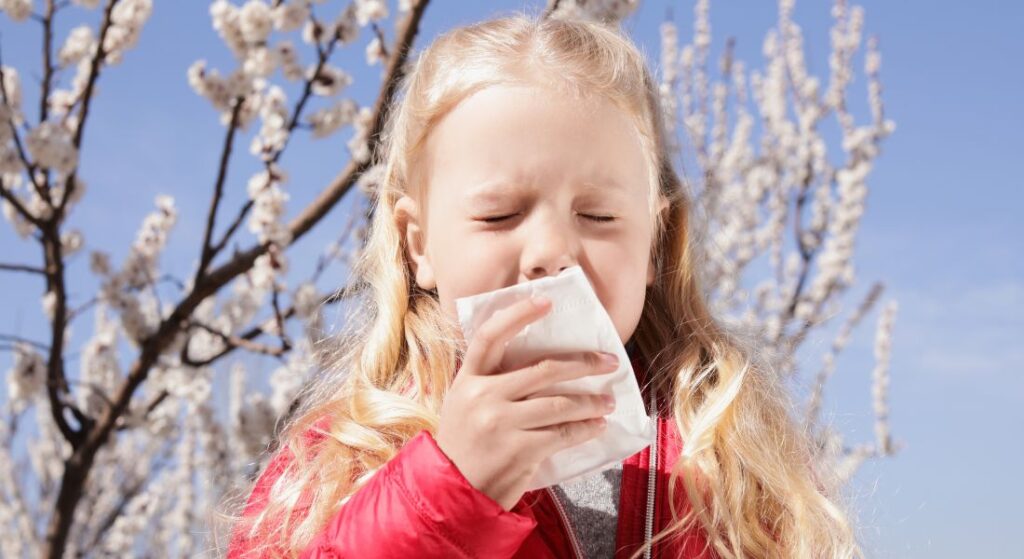
Pollen allergy is usually seasonal, so your child’s symptoms may become worse at similar times each year. The exact pattern depends on the type of pollen involved, which is why symptoms may flare in spring, summer, or early autumn. A seasonal pattern can be an important clue.
You may notice sneezing, a runny or blocked nose, itchy eyes, or worsening asthma symptoms during certain months. Keeping a symptom diary can help you spot whether the same pattern happens each year. This can be useful when discussing symptoms with your child’s doctor.
Pollen cannot be removed completely from everyday life, so treatment is not about keeping your child indoors all season. Management usually focuses on sensible exposure reduction together with the right medication. The aim is to control symptoms while allowing your child to continue normal activities.
House Dust Mite Allergy
House dust mite allergy can cause ongoing nasal or respiratory symptoms in some children. Unlike pollen allergy, it often does not follow a clear seasonal pattern, so symptoms may seem present for much of the year. This can make the trigger less obvious at first.
You may notice persistent nasal congestion, sneezing, or symptoms that seem worse in certain indoor environments. Even so, symptoms alone do not prove that house dust mites are the cause. Your child’s history and any relevant testing need to be looked at together.
If dust mite allergy does seem relevant, the allergy team can advise on practical environmental measures. It is best to avoid expensive or extreme changes unless they are likely to make a real difference for your child. A targeted approach is usually more helpful than trying everything at once.
Pet Allergy
Pet allergy is often thought of as an allergy to animal hair, but the real triggers are usually proteins found in skin flakes, saliva, and other secretions. These allergens can still spread easily through the home and on clothing. This is why symptoms do not always happen only when your child is directly touching the pet.
Symptoms may include sneezing, itchy eyes, nasal blockage, coughing, or wheezing after exposure. In some cases, the link is not obvious because pet allergens can be present outside your own home as well. Your child may react in places where animals have been before, even if no pet is there at the time.
Removing a family pet is a major decision and should not be based on one unexplained episode of sneezing or mild symptoms. A careful history and appropriate testing can help show whether the animal is genuinely relevant. This makes it easier to decide what changes, if any, are actually needed.
Medicine Allergy
A rash that appears while your child is taking medicine does not automatically mean they have a drug allergy. Children often develop viral rashes or other symptoms at the same time as taking antibiotics, which can make the cause difficult to judge. The timing and pattern of the reaction matter a great deal.
An incorrect drug allergy label can affect future treatment options and may mean useful medicines are avoided unnecessarily. At the same time, suspected serious medicine reactions should never be ignored. They need careful assessment and clear documentation.
If the reaction is complex or there is concern about a true medicine allergy, specialist assessment may be needed. This is particularly important when the reaction was severe or when future treatment choices could be affected. A proper review helps make sure your child’s records are accurate and safe.
Insect Sting Allergy
Bee and wasp stings often cause pain, redness, and swelling around the sting site. This is a local reaction and is different from a true allergic reaction affecting other parts of the body. More serious symptoms affecting areas away from the sting site, such as widespread hives, generalised swelling, breathing difficulty, dizziness or collapse, require urgent assessment and may suggest a systemic allergic reaction.
If your child has had a serious systemic reaction after a sting, specialist review is important. This can help confirm the diagnosis, assess future risk, and decide whether an emergency plan is needed. In selected cases, venom immunotherapy may also be considered.
Testing should be guided by what actually happened during the reaction. It is not usually helpful to arrange allergy screening simply because your child is worried about being stung in the future. A clear clinical history is what determines whether further investigation is appropriate.
Eczema and Allergy
Eczema and allergy can be closely linked in some children, but eczema on its own does not always mean a food allergy is present. Many children with eczema do not need food restrictions, and removing foods without good reason can make life harder than it needs to be. The wider clinical picture is always important.
Food allergy assessment may be appropriate in selected children with eczema, particularly when there is a convincing reaction history, other allergy symptoms, concerns about growth or persistent disease that has not responded as expected to appropriate eczema treatment. Testing and food avoidance should be guided by the clinical history rather than broad screening.
It is best not to remove several foods in an attempt to improve eczema without professional advice. Unnecessary restrictions can affect nutrition and make the situation more confusing. A proper assessment helps decide whether allergy is actually part of the problem.
Asthma and Allergy

Asthma and allergy often overlap, and one can affect how the other behaves. In some children, pollen, animal allergens, or other exposures can trigger cough, wheeze, or breathing difficulty. This is why it is important to look at both conditions together rather than separately.
Some food allergies can also cause respiratory symptoms, especially during more significant immediate reactions. Your child may develop coughing, wheezing, throat symptoms, or shortness of breath alongside other signs of allergy. These symptoms should always be taken seriously.
If your child has both asthma and a significant allergy, both conditions need to be well controlled. It is also important to have a clear emergency plan if one has been advised. You should tell the allergy specialist about any breathing symptoms and bring your child’s current inhalers to appointments.
When Allergy Symptoms May Be Anaphylaxis
Anaphylaxis is a rapidly developing allergic reaction that can become life-threatening. It may be triggered by foods, medicines, or insect stings. If your child suddenly becomes very unwell after exposure to a likely allergen, you should think about anaphylaxis straight away.
Warning signs can include severe breathing difficulty, throat swelling, collapse, or serious circulation problems. Skin symptoms such as hives may occur, but you should not wait for a rash before acting if your child has signs of a severe reaction. The emergency plan should guide what to do next.
If your child has been prescribed an adrenaline auto-injector, use it immediately as instructed. You should then call 999 and say that you suspect anaphylaxis. Adrenaline is the first-line treatment and should not be delayed.
UK Safety-Net Note:
Anaphylaxis can develop quickly and should always be treated as a medical emergency. If your child has signs of a severe allergic reaction and has been prescribed an adrenaline auto-injector, use it immediately according to their emergency plan, then call 999 and say “anaphylaxis”. Do not delay adrenaline while waiting to see whether an antihistamine works. Families prescribed adrenaline auto-injectors should also make sure the devices are available, in date and carried as advised by their healthcare team.
How Childhood Allergies Are Diagnosed
Allergy diagnosis starts with a careful clinical history rather than a test. The doctor will want to know exactly what happened, how quickly symptoms started, how long they lasted, and whether the same pattern has happened before. This is often the most important part of working out what may be causing your child’s symptoms.
If food allergy is suspected, the history should look closely at the symptoms, timing, suspected food, amount eaten, and any previous reactions. These details help show whether the pattern fits with an allergic reaction and what type of allergy may be involved. Even small details can make a difference.
Once the history has been reviewed, the doctor can decide whether testing is needed. The right test depends on the suspected allergy mechanism and your child’s individual history. Testing is most useful when it is guided by a clear clinical question rather than used as a broad screening tool.
Evidence Note:
UK guidance recommends starting with an allergy-focused clinical history rather than relying on allergy tests alone. For parents, this means details such as the suspected trigger, timing of symptoms, amount eaten or exposure level, previous reactions and whether the same pattern has happened before can be just as important as the test result itself. Skin-prick and specific-IgE blood tests are most useful when they are targeted to a clear clinical question and interpreted alongside your child’s reaction history.
The Allergy-Focused Medical History
Before the appointment, write down the suspected trigger and what your child was doing immediately before symptoms started. For food reactions, note the ingredients, approximate amount eaten and time between eating and symptoms. Photos of hives, swelling or rashes can be useful because the skin may look completely normal by the time you reach the clinic.
Bring details of any emergency treatment and how quickly symptoms improved. You should also mention asthma, eczema, hay fever, previous allergies and relevant family history. These details help the specialist understand the wider allergic picture.
Skin-Prick Testing
Skin-prick testing is a commonly used test for IgE-mediated allergy. A small amount of allergen is placed on the skin, which is then gently pricked to see whether a local reaction develops. It is often used when a food or environmental allergy is suspected.
This test can be helpful, but it only makes sense when it is matched to your child’s history. Skin-prick testing and specific IgE blood tests are first-line tools for food allergy in the right clinical setting. They are used to support the diagnosis rather than give the full answer on their own.
A positive result does not always mean your child has a clinically important allergy. It also cannot tell you exactly how severe a future reaction might be. The result always needs to be interpreted alongside the reaction history and overall clinical picture.
Specific-IgE Blood Testing
Specific IgE blood tests measure antibodies to particular allergens and can be helpful when an IgE-mediated allergy is suspected. They are usually used to support the clinical history rather than replace it. The results need to be interpreted in the context of your child’s symptoms.
The test should be chosen carefully based on what your child has actually reacted to or is suspected of reacting to. Testing large numbers of unrelated foods or allergens can produce confusing results that do not reflect a true allergy. This can make diagnosis more difficult rather than easier.
A higher IgE result may sometimes suggest a greater chance of clinical allergy for certain foods, but it does not tell you how severe a future reaction will be. This is an important limitation of allergy testing. Your child’s history still plays a major part in assessing risk and planning treatment.
Understanding What Allergy Tests Can and Cannot Tell You
Allergy testing is most useful when it answers a clear clinical question. It should support the history, not replace it.
| Test or Assessment | What It Can Help With | Important Limitation |
| Clinical history | Identifies timing, symptoms and suspected trigger | Depends on accurate information |
| Skin-prick test | Supports diagnosis of IgE-mediated sensitisation | Positive result alone does not prove clinical allergy |
| Specific-IgE blood test | Measures allergen-specific antibodies | Does not reliably predict reaction severity |
| Elimination and reintroduction | May help assess selected delayed food allergy patterns | Should be professionally guided |
| Oral food challenge | Helps clarify whether a food causes a reaction | Requires careful selection and appropriate supervision |
BSACI includes clinical history, skin-prick testing, specific IgE, diagnostic diets and oral food challenges among the main approaches used in food allergy investigation.
Oral Food Challenges
An oral food challenge involves giving gradually increasing amounts of a food under a structured medical plan to see whether your child reacts. It can be a very useful way of confirming or excluding a food allergy when the diagnosis is uncertain. In some cases, it also helps decide whether an allergy has been outgrown.
This is not something you should try to recreate casually at home, especially if your child has had a previous serious reaction. The safest setting depends on your child’s allergy history, the likely level of risk, and the specialist’s plan. Careful supervision is important.
Oral food challenges are recognised as an important part of food allergy assessment in selected cases. They are usually considered when test results and clinical history do not give a clear answer. A specialist can decide whether this is the right next step for your child.
Diagnosis of Delayed Food Allergy
Delayed food allergy can be harder to assess because symptoms often appear hours later rather than straight after eating. This can make it more difficult to link the reaction to one specific food. Standard IgE allergy tests may also be less helpful in this situation.
In some cases, the assessment may include a supervised elimination diet followed by a planned reintroduction. This should be done with clear advice on which foods to remove, how long to avoid them, and how reintroduction should take place. A structured plan is important so that the results are meaningful.
You should not keep your child on a restrictive diet indefinitely just because symptoms seemed to improve for a short time. If major foods such as milk are removed, dietetic support may be needed to protect nutrition and growth. This helps make sure the diet remains safe as well as practical.
Why Alternative Allergy Tests Can Be Misleading
Some alternative allergy tests, such as hair analysis, Vega testing, or kinesiology, claim to identify food allergies but are not reliable diagnostic methods. These tests can sound convincing, especially when you are looking for quick answers. However, they may lead to misleading results.
One of the main problems is that they can produce long lists of foods that your child is told to avoid without good evidence. This can make meals more difficult and may lead to unnecessary dietary restrictions. In some cases, it can also delay a proper diagnosis.
If you are concerned about allergy, it is best to choose an assessment based on your child’s clinical history and validated testing where appropriate. This gives a much clearer picture of what is actually causing the symptoms. It also helps make sure treatment and food avoidance advice are based on sound medical evidence.
Myth vs Fact:
| Myth | Fact |
| A positive allergy test always proves that your child is allergic. | A positive result can show sensitisation, but the result must be interpreted alongside your child’s symptoms and reaction history. |
| Higher IgE results tell you exactly how severe the next reaction will be. | Test results can help assess the likelihood of allergy but do not reliably predict the severity of a future reaction. |
| Hair analysis and Vega testing can diagnose childhood allergies. | NICE advises against Vega testing, kinesiology and hair analysis for diagnosing food allergy. |
| Removing more foods is always safer. | Unnecessary dietary restriction can affect nutrition, growth and family life. Avoidance should be based on a proper diagnosis and professional advice. |
| Every suspected food allergy needs an oral food challenge. | Oral food challenges are useful in selected cases, but the decision depends on clinical history, test results and specialist risk assessment. |
Treating Childhood Allergies
Allergy treatment depends on the trigger, the type of symptoms, and the risk of a severe reaction. There is no single treatment that works for every child, because different allergies need different approaches. The most effective plan is one that is based on your child’s individual diagnosis.
Treatment may include avoiding a confirmed allergen, using antihistamines for certain symptoms, or nasal treatment for allergic rhinitis. Some children also need asthma treatment if wheeze or breathing symptoms are part of the picture. If your child is at risk of anaphylaxis, they may also be prescribed an adrenaline auto-injector.
In selected cases, specialist immunotherapy may also be considered. The key point is that treatment should match the cause of your child’s allergy rather than follow the same plan for everyone. A tailored approach usually gives safer and more effective long-term control.
Avoiding Confirmed Allergens Safely
Avoiding confirmed allergens is an important part of managing many allergies, especially food allergy. The key is to avoid the specific trigger without making restrictions broader than they need to be. A clear diagnosis helps you focus on what is actually unsafe for your child.
If your child has a food allergy, it is important to learn how to read ingredient labels and understand their personal allergy plan. Schools, nurseries, and other carers should also have clear information about what your child must avoid and what to do if a reaction happens. Good communication helps reduce the risk of accidental exposure.
If your child needs to avoid several important foods, it is worth asking whether dietetic support would be helpful. A restricted diet still needs to provide enough nutrition for normal growth and development. This can be especially important in younger children or those with multiple allergies.
Antihistamines
Antihistamines can help with symptoms such as itching, hives, sneezing, and some allergic eye or nasal symptoms. The right medicine and dose depend on your child’s age and the type of allergy symptoms they have. They are often used to improve day-to-day comfort when symptoms are mild to moderate.
For allergic rhinitis, non-sedating antihistamines are usually preferred because they are less likely to cause drowsiness. This is important if your child needs treatment during the day or at school. Your doctor or pharmacist can advise which option is most suitable.
Antihistamines do not replace adrenaline in anaphylaxis. If your child has a severe allergic reaction, adrenaline is the main emergency treatment. You should always follow your child’s allergy plan and use an adrenaline auto-injector if one has been prescribed.
Treating Allergic Rhinitis
Depending on the pattern and severity of symptoms, treatment may include non-sedating antihistamines, nasal corticosteroid sprays or other specialist-recommended options. If your child has moderate or severe rhinitis, nasal corticosteroid sprays are commonly used because they can reduce inflammation more effectively. The right treatment will depend on how frequent and severe the symptoms are.
If symptoms remain poorly controlled, your child may need a review to consider other options. In some cases, combination nasal treatment or specialist-guided therapy may be recommended. This can be helpful when a single treatment is not giving enough relief.
Correct nasal spray technique is also very important. If your child says a spray is not working, it is worth asking your pharmacist, GP, or allergy team to check how it is being used. Sometimes the problem is not the medicine itself, but the way it is being given.
Adrenaline Auto-Injectors
Some children who are at risk of anaphylaxis are prescribed adrenaline auto-injectors. If your child has one, the allergy team should explain exactly when it should be used and how to use that specific device. This is an important part of keeping your child safe during a severe allergic reaction.
After an allergy assessment or anaphylaxis episode, you should be shown how to use the auto-injector and given the chance to practise with a trainer device. This helps you feel more confident if an emergency happens. Anyone who looks after your child should also understand when the injector may be needed.
You should check the expiry dates regularly and make sure the devices are available wherever your child may need them. Schools, nurseries, relatives, and other carers should know where the injector is kept and understand your child’s emergency plan. Good preparation can make a real difference in an emergency.
Allergy Immunotherapy
Allergen immunotherapy is a specialist treatment that works by giving controlled exposure to a specific allergen over time. It is not a general cure for all childhood allergies, but it can be helpful in selected cases. The aim is to reduce how strongly the immune system reacts to that allergen.
Immunotherapy is most often used when a particular allergen is clearly driving symptoms, such as in some cases of allergic rhinitis. Depending on the allergy and treatment plan, it may be given as tablets or drops under the tongue, or as injections under specialist supervision. Your child would need a careful assessment to decide whether this type of treatment is suitable.
Venom immunotherapy is a separate form of treatment used for selected people with significant bee or wasp venom allergy. This is usually considered when there has been a serious sting reaction and the risk of future exposure is important. It should always be managed by an experienced allergy specialist.
Can Children Grow Out of Allergies?
Some childhood allergies improve as children get older, while others may last for many years. It often depends on the type of allergy and your child’s individual pattern of reactions. This is why follow-up can be an important part of allergy care.
For example, some children with cow’s milk allergy may outgrow it over time, but this needs proper reassessment before any food is reintroduced. The timing can vary, and not every child will follow the same pattern. Your allergy team can advise when it may be appropriate to review this.
You should not test whether an allergy has gone away by giving a previously avoided food at home without medical advice. Reintroduction may need to be planned carefully and, in some cases, supervised by a specialist. It is always safest to ask your child’s allergy team how reassessment should be done.
Supporting a Child With Allergy at Nursery or School

If your child has an allergy, their nursery or school needs clear and practical information. Staff should know exactly what your child is allergic to, what symptoms to look for, and what to do in an emergency. A vague warning is usually not enough to keep your child safe.
You should provide the school or nursery with a written allergy or anaphylaxis plan if one has been issued. Make sure any prescribed emergency medicine is available, easy to access, and still in date. It is also helpful to check that staff understand how and when to use it.
As your child gets older, you can gradually help them learn how to explain their allergy and ask questions about food. This can build confidence and encourage independence over time. Even so, adult supervision and support remain very important.
UK School Allergy Note:
Allergy safety requirements for schools in England are being strengthened. The Children’s Wellbeing and Schools Act 2026 includes provisions relating to school allergy safety policies, while detailed updated statutory guidance has also been under consultation. As a parent, you should make sure your child’s school has current allergy information, an emergency or allergy action plan where appropriate, and access to prescribed emergency medicines. Relevant staff should also understand your child’s triggers, warning signs and emergency response plan.
Birthday Parties, Restaurants and Eating Away From Home
Birthday parties, restaurants, and other social events can feel stressful when your child has a food allergy. Planning ahead can make these situations easier and help reduce anxiety for both you and your child. It also helps your child take part without feeling left out.
If your child is eating away from home, tell the host or restaurant clearly about the allergy and ask specific questions about ingredients and food preparation. You should not assume that removing a visible ingredient makes the meal safe, especially if cross-contact is a concern. Clear communication is an important part of keeping your child safe.
You should always carry your child’s prescribed emergency medication when eating out or attending social events. With the right precautions, your child can still enjoy parties, meals out, and other everyday experiences. The aim is to balance safety with helping your child feel included and confident.
Supporting Your Child Emotionally
Children with allergies can sometimes feel anxious about eating away from home, going to parties, or having a reaction at school. Older children and teenagers may also feel self-conscious about carrying medicine or explaining their allergy to friends. These worries can affect confidence as well as daily routines.
It helps to talk openly about allergies without making every meal or outing feel frightening. Your child needs to understand how to stay safe, but they also need reassurance and a sense of normality. The aim is to build sensible habits without creating constant fear.
As your child gets older, it is helpful to involve them gradually in managing their allergy. This might include checking food labels, carrying their medicine, and learning how to explain their allergy to others. Building confidence is an important part of helping your child stay safe and independent.
When Your Child Should See an Allergy Specialist
Your child may need to see an allergy specialist if the diagnosis is unclear or if they have had a severe allergic reaction. Specialist review can also help when symptoms affect more than one part of the body. This can make it easier to confirm the cause and plan treatment.
A referral may also be useful if your child has several suspected food allergies or if avoiding triggers is becoming difficult. Poor growth, difficult eczema linked to food, or suspected medicine allergy may also need specialist input. These situations often need more detailed assessment.
Specialist advice can also be important after a significant insect sting reaction or when allergy problems are becoming harder to manage. An allergy specialist can arrange further testing and guide long-term care. This can help make day-to-day management clearer for you.
How to Prepare for an Allergy Appointment
Before your child’s allergy appointment, it helps to write down exactly what happened during each reaction. Include the suspected trigger, how much your child was exposed to, how quickly symptoms started, and what treatment was given. This information can make the assessment more accurate.
You should also bring anything that may help the specialist understand your child’s history. This can include photos of rashes or swelling, emergency department letters, previous test results, and any current allergy medicines. If relevant, bring inhalers or adrenaline auto-injectors as well.
Try not to stop any important medicines before the appointment unless the allergy team has specifically advised you to do so. Some medicines can affect certain allergy tests, but the clinic will tell you if anything needs to be paused beforehand. Following the preparation advice carefully can help make the appointment more useful.
When to Seek Urgent Help

Call 999 immediately if you think your child is having anaphylaxis. Signs can include severe breathing difficulty, throat swelling, collapse, or rapidly worsening symptoms after contact with a likely allergen. If your child seems seriously unwell, treat it as an emergency.
If your child has a prescribed adrenaline auto-injector, use it straight away as instructed in their allergy action plan. Do not wait to see if an antihistamine helps, as it will not treat a severe allergic reaction. Quick action is very important.
After emergency treatment, your child should still be assessed in hospital even if they seem better. This helps doctors monitor for ongoing or returning symptoms and arrange any follow-up care that may be needed.
Key Takeaways:
- Childhood allergies can affect the skin, breathing, digestive system, nose, eyes or several body systems at the same time.
- Diagnosis should begin with a detailed allergy-focused clinical history rather than broad testing alone.
- Skin-prick and specific-IgE blood tests can support diagnosis of IgE-mediated allergy, but a positive test does not automatically prove clinical allergy.
- Food allergy and food intolerance are different, and unnecessary food restriction can affect nutrition and growth.
- Delayed food allergy may need a structured elimination and reintroduction plan under professional guidance.
- Alternative tests such as hair analysis, Vega testing and kinesiology should not be used to diagnose food allergy.
- If your child is at risk of anaphylaxis, everyone involved in their care should understand the emergency plan and know how to respond.
- Seek emergency help immediately if your child develops signs of anaphylaxis.
FAQs:
1. What are the most common allergy symptoms in children?
Childhood allergy symptoms can affect different parts of the body. Common symptoms include hives, itching, swelling, sneezing, a blocked or runny nose, itchy eyes, vomiting, tummy pain, diarrhoea, coughing, wheezing and breathing difficulty. In severe cases, an allergic reaction can cause anaphylaxis, which needs urgent emergency treatment.
2. How can I tell if my child has an allergy or a food intolerance?
A food allergy involves the immune system and can cause symptoms such as hives, swelling, vomiting, wheezing or more severe reactions. A food intolerance does not involve the immune system in the same way and often causes digestive symptoms such as bloating, discomfort or diarrhoea. Because the symptoms can overlap, your child should be assessed properly before foods are removed from the diet.
3. What are the most common food allergies in children?
Common childhood food allergies include cow’s milk allergy, egg and peanut, although many other foods can also trigger reactions. Some children react immediately after eating, while others may develop delayed symptoms depending on the type of allergy involved.
4. Can children grow out of food allergies?
Some children do grow out of certain food allergies, particularly allergies such as cow’s milk allergy or egg, but this varies from child to child. Other allergies, such as peanut allergy, may persist for longer. Reassessment should always be guided by a doctor or allergy specialist rather than testing foods at home without advice.
5. How are childhood allergies diagnosed?
Diagnosis starts with a detailed allergy-focused medical history. The doctor will ask about the suspected trigger, the timing of symptoms, how often the reaction has happened and whether there are related conditions such as eczema or asthma. Depending on the history, tests may include skin-prick testing, specific IgE blood tests, elimination and reintroduction plans, or an oral food challenge.
6. Are allergy tests always accurate?
Allergy tests can be very useful, but they must be interpreted alongside your child’s symptoms and clinical history. A positive skin-prick test or blood test shows sensitisation, but it does not automatically prove that the allergen is causing symptoms. This is why broad, untargeted allergy testing can sometimes create confusion and unnecessary food avoidance.
7. When should my child see an allergy specialist?
A specialist review may be helpful if the diagnosis is unclear, your child has had a severe reaction, symptoms affect several body systems, there are multiple suspected food allergies, or allergy symptoms are affecting growth, nutrition or daily life. Children with suspected medicine allergy, significant insect sting reactions or possible anaphylaxis should also be assessed appropriately.
8. What is the treatment for childhood allergies?
Treatment depends on the type of allergy and the severity of the reaction. It may include avoiding a confirmed allergen, using antihistamines for certain symptoms, treating allergic rhinitis or asthma where relevant, and carrying adrenaline auto-injectors for children at risk of anaphylaxis. Some children may also be considered for specialist allergy immunotherapy.
9. What should I do if I think my child is having anaphylaxis?
If you suspect anaphylaxis, use your child’s prescribed adrenaline auto-injector immediately if they have one, then call 999 and say you think your child is having anaphylaxis. Symptoms can include severe breathing difficulty, throat swelling, collapse, dizziness or rapidly worsening symptoms after allergen exposure. Do not wait to see if antihistamines will be enough in a severe reaction.
10. Should I remove foods from my child’s diet if I suspect an allergy?
You should not remove multiple foods or major food groups without proper medical advice. Unnecessary food restriction can make meals difficult and may affect your child’s nutrition and growth. If you suspect a food allergy, it is better to seek an allergy-focused assessment so the correct trigger and reaction pattern can be identified.
Final Thoughts: Getting the Right Allergy Assessment Matters
Childhood allergies can affect many parts of everyday life, from meals and school routines to sleep, play and family confidence. Because symptoms can vary so widely between children, the most important step is not guessing, but getting a proper assessment that looks carefully at the pattern of symptoms, likely triggers and the type of reaction involved.
With the right diagnosis, most childhood allergies can be managed in a clear and practical way. That may mean identifying a food allergy accurately, improving control of hay fever or allergic rhinitis, understanding whether eczema or wheeze may have an allergic component, or making sure your child has the right emergency plan if there is a risk of anaphylaxis. Just as importantly, a specialist assessment can help avoid unnecessary food restrictions, misleading testing and ongoing uncertainty.
If you are worried that your child may have an allergy, it is worth seeking expert advice rather than trying to manage symptoms alone. If you are looking for a trusted children’s allergy clinic in London, you can contact London Paediatric Clinic to arrange a consultation and discuss your child’s needs.
References:
- Kuźniar, J., Kozubek, P. and Gomułka, K. (2024) Differences in the Course, Diagnosis, and Treatment of Food Allergies Depending on Age Comparison of Children and Adults, Nutrients, 16(9), 1317. Available at: https://www.mdpi.com/2072-6643/16/9/1317
- Pecoraro, L. et al. (2024) Nutritional and Psychosocial Impact of Food Allergy in Pediatric Age, Life, 14(6), 695. Available at: https://www.mdpi.com/2075-1729/14/6/695
- Elghoudi, A. and Narchi, H. (2022) Food allergy in children the current status and the way forward, World Journal of Clinical Pediatrics, 11(3), pp. 253–269. Available at: https://pmc.ncbi.nlm.nih.gov/articles/PMC9134150/
- Sicherer, S.H. et al. (2020) Food Allergy from Infancy Through Adulthood, The Journal of Allergy and Clinical Immunology: In Practice, 8(6), pp. 1854–1864. Available at: https://pmc.ncbi.nlm.nih.gov/articles/PMC7899184/
- Luccioli, S. and Seabol, L. (2025) Anaphylaxis in children: Latest insights, Allergy and Asthma Proceedings, 46(3), pp. 168–184. Available at: https://pubmed.ncbi.nlm.nih.gov/40380371/