

Paediatrician in London

What Is a Healthy Diet for Children?

A healthy diet for children does not have to be perfect, expensive, or complicated. You can support your child’s growth, energy, development, immunity, concentration, digestion, and overall wellbeing by offering a variety of nutritious foods over time rather than aiming for perfect meals every day. It is natural to wonder whether your child is eating … Read more

Is My Child Getting Enough Vitamins and Nutrients?

Many parents wonder whether their child is getting enough vitamins and nutrients, and you may have asked yourself the same question. It is a common concern, especially if your child is a fussy eater, avoids certain food groups, follows a vegetarian or vegan diet, has food allergies, eats very small portions or seems tired, pale … Read more

Can Children Grow Out of Hypotonia?

If your child has been diagnosed with hypotonia, one of the first questions you may ask is, “Will they grow out of it?” This is a completely natural concern, and you may be wondering how it will affect their development, independence and everyday life as they grow. The answer depends on what is causing your … Read more

Physiotherapy for Hypotonia in Children: How It Can Help

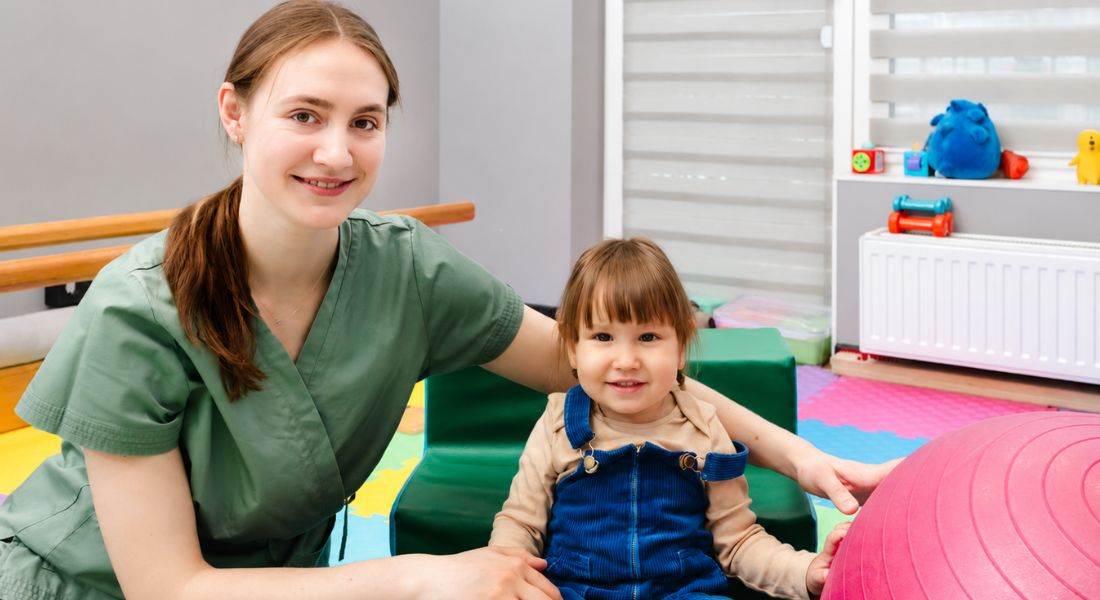
If your child has hypotonia, you may be wondering whether physiotherapy could help them sit, stand, walk, balance or take part more confidently in everyday activities. Physiotherapy does not remove every cause of low muscle tone, but it may support movement, mobility and participation when treatment is tailored to your child’s individual needs. A paediatric … Read more

Hypotonia vs Muscle Weakness in Children: What’s the Difference?

Hypotonia and muscle weakness are often confused because they can appear similar from the outside. You may notice that your child seems floppy, takes longer to reach milestones, becomes tired during activities or appears less steady compared with other children. It is completely understandable to wonder whether this is due to low muscle tone, reduced … Read more

Hypotonia in Children: Causes, Symptoms and Treatment

Hypotonia means low muscle tone. In children, it is often described as “floppiness” because your child’s muscles may feel softer or less firm than expected when they are lifted, handled or moved. If your baby or child has hypotonia, you may notice signs such as poor head control, tiredness, posture difficulties or slower progress with … Read more

Is Depression Hereditary? Understanding the Role of Genetics in Childhood Depression

Many parents wonder whether depression runs in families. If you have experienced depression yourself, or there is a history of mental health difficulties in your family, you may worry that your child will face the same challenges. These concerns are understandable, but a family history does not mean your child’s future is already decided. The … Read more

Antidepressants for Children: When Are They Recommended?

Antidepressants can be a worrying topic for parents. If your child has depression, you may wonder whether medication is necessary, whether it is safe, or how it could affect your child’s wellbeing. These are common concerns, and understanding the facts can help you make informed decisions. Medication is not the first treatment for every child. … Read more

Cognitive Behavioural Therapy (CBT) for Depression in Children

Cognitive behavioural therapy, commonly known as CBT, is one of the main talking therapies used to support children and young people with depression. It can help your child understand how their thoughts, feelings, behaviours and physical symptoms are connected, while learning healthier ways to manage difficult situations. Depression in children does not always appear as … Read more