



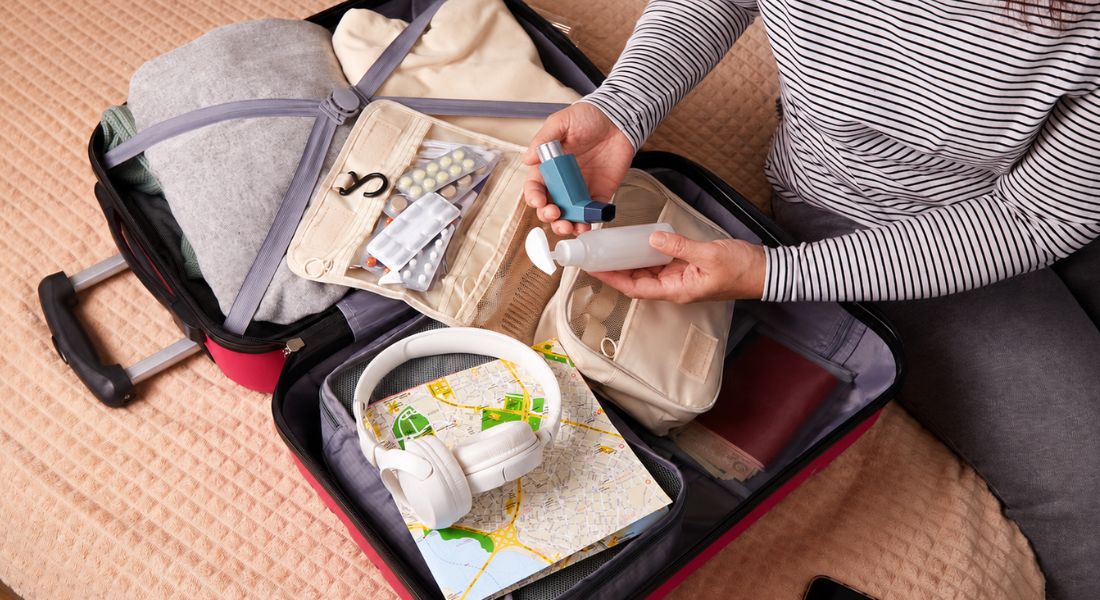
Travelling with a child who has asthma can feel stressful, especially when you are preparing for a flight, visiting a different climate, or going somewhere unfamiliar. You may worry about what will happen if your child starts wheezing, misplaces an inhaler, or needs medical help while you are away from home.
The reassuring news is that asthma does not usually have to stop your family from travelling. With good preparation, accessible medication, and a clear understanding of your child’s asthma plan, you can feel more confident that most trips can be managed safely and smoothly.
You should always plan around your child’s individual asthma pattern. You may find that a child triggered by pollen needs different preparation from one who reacts mainly to cold air, exercise, pollution, or viral infections. This personalised approach helps make travel safer and more predictable.
You should focus on preparation rather than worry, as small practical steps can make a big difference. When you plan ahead and understand your child’s triggers, you are better placed to handle changes calmly and keep your child safe throughout the journey.
Why Travelling With Asthma Needs Extra Planning
Travelling changes your normal routine. Meal times, sleeping arrangements, weather, physical activity and exposure to allergens may all be different from what your child is used to at home.
You may also be further away from your usual GP, pharmacy or paediatric team. This makes preparation important, even when your child’s asthma is normally well controlled.
Planning ahead is not about expecting something to go wrong. It is about making sure that a forgotten inhaler, delayed flight or unexpected flare-up does not turn into unnecessary panic.
Make Sure Your Child’s Asthma Is Well Controlled Before Travel
Before you travel, you should think honestly about how well your child’s asthma is currently controlled. You may notice warning signs such as frequent coughing, night waking, breathlessness during normal activity, or increased use of the reliever inhaler.
You should arrange an asthma review if these symptoms are present, as it can help ensure your child is stable before the journey. A pre-travel review may include checking medicines, inhaler technique, recent symptoms, and whether the asthma action plan still fits your child’s needs.
Guidance from organisations such as Asthma + Lung UK advises making sure asthma is well controlled and that the action plan is up to date before travelling. You should avoid waiting until the last minute, especially if your child has difficult or severe asthma, as they may need extra preparation time.
When to Speak to Your Child’s Doctor Before Travelling
Not every child needs a medical appointment before every holiday. However, you should speak to your child’s GP, asthma nurse, or paediatrician if their symptoms are unstable or if the trip may involve additional challenges.
You should consider getting advice if your child has recently had an asthma attack, needed hospital care, required oral steroids, or had a significant change in their asthma treatment. These situations may suggest that their condition needs reviewing before travel.
You should also seek guidance if your child has severe asthma, additional breathing problems, or needs equipment beyond standard inhalers and spacers. Guidance from organisations such as Asthma + Lung UK advises people with severe asthma to discuss travel plans with their GP or specialist team before going away.
Review Your Child’s Asthma Action Plan
Your child’s written asthma action plan should always come with you when you travel. You should make sure it clearly explains regular medicines, what to do if symptoms worsen, and when urgent medical help is needed. You may find it helpful to keep one copy with the medicines and another digital copy on your phone.
You should also consider sharing a copy with another adult travelling with your family. This can help ensure more than one person understands what to do if symptoms appear or suddenly worsen.
You may find a written plan especially useful when routines change during travel. When you are tired, in an unfamiliar place, or managing a distressed child, clear instructions can help everyone respond more calmly and confidently.
Check Every Inhaler Before You Leave
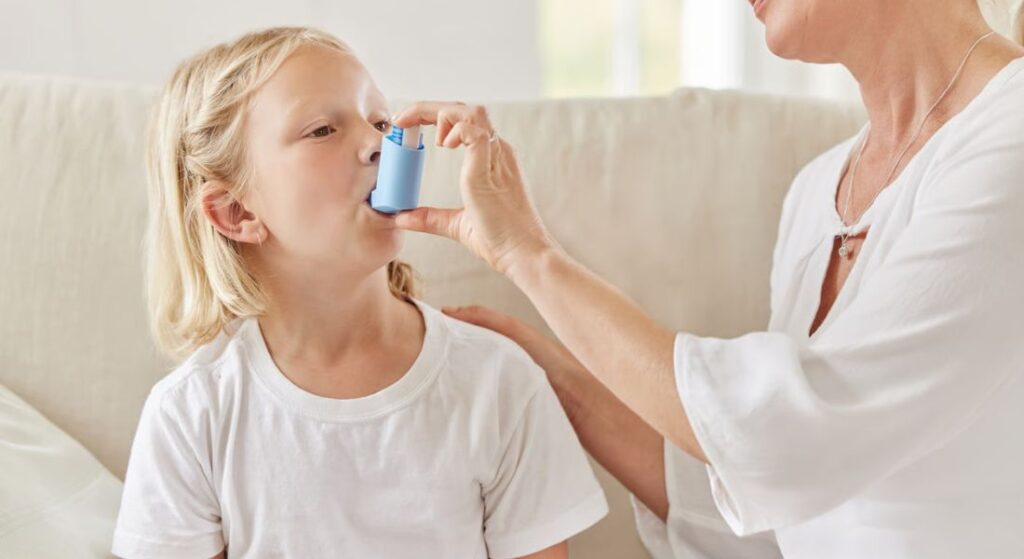
Before you travel, you should check all your child’s inhalers carefully while packing. You should make sure each medicine is in date and that there is enough supply to cover the whole trip, including any delays or unexpected changes.
You should not assume that replacing a specific inhaler will be straightforward abroad. Medicine names, brands, and prescribing systems can vary between countries, which can make it harder to get an exact replacement quickly.
Make sure you have enough medication for the whole trip, with additional supplies to cover reasonable unexpected delays. Ask your child’s healthcare professional or pharmacist for advice if you are unsure how much medicine to take.
Bring More Than the Bare Minimum
You should avoid packing exactly the bare minimum of your child’s asthma medication when travelling. Unexpected delays, cancelled flights, or lost luggage can all mean your trip lasts longer than planned, and you may find yourself running short of essential medicine.
You should speak to your child’s usual healthcare professional or pharmacist if you are unsure how much medication to take. You should not change or reduce treatment just to make supplies last longer, as this can affect asthma control.
You should plan ahead so you are not worrying about running out of medication in the final days of your holiday. Having a small buffer gives you peace of mind and helps ensure your child’s asthma remains well managed throughout the trip.
Keep Asthma Medicine in Hand Luggage
When flying, you should keep your child’s essential asthma medicines in hand luggage rather than placing them in checked baggage. You may need an inhaler during the flight, at the airport, or shortly after landing, so having it close is important.
UK airport guidance allows inhalers and essential medicines in hand luggage. If a prescribed medicine is liquid and comes in a container larger than 100 ml, you will need evidence that it is prescribed, such as a prescription copy or doctor’s letter.
Keep essential asthma medicines, particularly the reliever inhaler, in your hand luggage and somewhere you can reach quickly during the journey. Guidance from organisations such as Asthma + Lung UK recommends carrying asthma medicines and equipment in hand luggage when flying.
UK Travel Note:
UK guidance allows essential medicines, including inhalers, in hand luggage. For liquid medicines in containers larger than 100 ml, proof such as a prescription or doctor’s letter may be required. Before travelling, check the current rules for your departure airport, airline and destination, particularly if your child carries liquid medication or medical equipment.
Keep Medicines in Original Packaging
Where possible, you should keep your child’s prescription medicines in their original, clearly labelled packaging when travelling. This can make airport security checks and any discussions at borders much smoother.
You may also find it helpful if your child needs medical care while abroad, as doctors or pharmacists can quickly see exactly what medication is being used. Guidance from organisations such as Asthma + Lung UK recommends carrying medicines in original packaging and taking copies of prescriptions.
For longer or more complex trips, you should also consider carrying a brief medical summary or letter explaining your child’s asthma and treatment. This can help healthcare professionals understand the situation quickly if you need support while away.
A Practical Asthma Travel Packing Checklist
Preparing one asthma bag can help you keep the essentials together. The table below can be used as a practical starting point.
| What to Pack | Why It Matters | Practical Tip |
| Regular preventer inhaler | Helps maintain everyday asthma control | Keep taking it exactly as prescribed |
| Reliever inhaler | Needed when asthma symptoms occur | Keep it quickly accessible |
| Spare inhaler | Protects against loss or damage | Store separately from the main inhaler |
| Spacer | Helps many children use inhalers effectively | Pack the correct spacer for your child |
| Asthma action plan | Explains what to do if symptoms worsen | Keep paper and digital copies |
| Prescription copy | Shows your child’s prescribed medicines | Keep a photo on your phone as backup |
| Medical letter if needed | May help with airlines, security or medical care | Arrange it before the travel date |
| Travel insurance details | Useful if medical treatment is needed | Keep the emergency number accessible |
| Emergency contact list | Helps during urgent situations | Include local and home contacts |
Do not put the entire asthma supply in one suitcase. Where practical, separate spare supplies so one lost bag does not leave your child without treatment.
Travelling With a Spacer
If your child uses a spacer, take it with you. An inhaler and spacer combination may be part of the treatment your child has been taught to use, and you should not assume a suitable replacement will be easy to find at your destination.
Protect the spacer from being crushed in luggage. Keep it somewhere clean and easy to reach.
Asthma + Lung UK advises making the spacer easy to find while travelling and avoiding storage methods that may encourage static build-up.
Flying With a Child Who Has Asthma
Most people with well-managed asthma can fly, although individual medical advice may be needed for severe or unstable disease. Asthma + Lung UK states that people with asthma can fly and that those whose condition is well managed should generally not experience problems.
However, a flight is not the time to discover that the inhaler is in checked luggage. Keep the reliever inhaler and other essential medication where you can reach them.
Continue regular asthma medicines as prescribed throughout the travel day. Do not skip preventer treatment because the routine is busy or because your child currently feels well.
Evidence Note:
Travel is usually possible for children whose asthma is well controlled, but preparation becomes especially important when routines, climate, allergens and access to healthcare change. Current respiratory travel guidance supports reviewing asthma control before travel, taking enough medication for the full journey plus possible delays, carrying an up-to-date asthma action plan and keeping essential medicines accessible.
For parents, this means the most useful travel preparation is often practical rather than complicated. Good asthma control before departure, correct inhaler technique, enough medication, awareness of likely triggers and a clear emergency plan can help reduce avoidable problems while your family is away.
Cabin Air and Asthma Symptoms
Some people find asthma symptoms are affected by low humidity or allergens in the aircraft cabin. Asthma + Lung UK specifically notes that low humidity and cabin allergens can worsen symptoms for some people.
Low humidity and allergens in the aircraft cabin can affect symptoms in some people with asthma. Keep your child’s reliever inhaler accessible, continue regular medicines as prescribed and follow the asthma action plan if symptoms develop.
For severe asthma or concerns about fitness to fly, speak to the specialist team before booking or travelling. Individual assessment may be needed.
Preparing for the Airport
Airports can be busy and physically demanding. Long walks between terminals, rushing for a connection, strong perfumes, cleaning products or stress may affect some children.
Allow extra time so you are less likely to rush. Keep your child’s reliever inhaler with the responsible adult or the child, depending on their age and usual asthma plan.
Before travelling, check the airline’s medicine and medical equipment rules. Regulations and practical processes can vary between airlines and destinations.
Travelling by Car, Train or Coach

Asthma preparation is still important when you are travelling by car, train or coach. You should make sure your child has access to their medication throughout the journey, not just at your destination.
You should not place the reliever inhaler in a suitcase or storage bag that is difficult to reach for several hours. You should keep it somewhere easily accessible so it can be used quickly if symptoms start.
If your child is sensitive to car fumes, strong air fresheners or cigarette smoke, you should try to reduce exposure as much as possible. You should never allow smoking or vaping around your child, as this can worsen asthma symptoms.
Do Not Leave Inhalers in Extreme Temperatures
You should always store medicines according to their instructions, as inhalers can be affected by extreme temperatures. You should not leave them in direct sunlight, very hot conditions, or very cold environments, as this may affect how they should be stored and potentially how well they work.
Guidance from organisations such as Asthma + Lung UK advises keeping inhalers safe and avoiding exposure to extreme heat or cold. You may need to be especially careful when leaving bags in parked cars, spending long days at the beach, or travelling to snowy destinations.
You should check the medicine leaflet if you are unsure about storage conditions, or speak to a pharmacist for advice. You may find this helpful in making sure your child’s inhaler remains safe and effective throughout your trip.
Research the Destination Before You Book
Before you book a trip, it’s worth thinking carefully about your child’s known asthma triggers rather than assuming one type of climate will always be better than another. What works well for one child may not suit another, depending on their individual pattern of symptoms.
Very hot or cold weather, high humidity, thunderstorms, air pollution, and pollen levels can all affect breathing in children who are sensitive. Guidance from organisations such as Asthma + Lung UK highlights the importance of considering these factors when planning travel.
You do not need to find a perfect destination with no triggers at all. You should focus on understanding the most likely challenges and preparing for them in advance so your child can travel more safely and comfortably.
Travelling to a Hot Climate
Hot weather can affect some children with asthma, especially when it combines with pollution, high humidity or ozone. You may also notice your child becoming more tired or dehydrated during active days in warm climates.
You should try to plan more strenuous activities for cooler parts of the day where possible. You may find it helpful to include regular breaks so your child can rest and stay comfortable while still enjoying the holiday.
You should always keep the inhaler easily accessible when you are at the beach, pool or sightseeing. You should not leave medication in direct sunlight or inside a very hot car, and it should be stored according to the manufacturer’s instructions.
Travelling to a Cold Climate

Cold air can trigger coughing, wheezing, or breathlessness in some children, so you may notice symptoms appearing more easily in winter destinations or during ski holidays. These trips often combine cold exposure with increased physical activity, which can add extra strain on breathing.
If cold weather is a known trigger for your child, you should discuss the trip during their asthma review. You may find it helpful to ensure your child understands what to do if symptoms start during outdoor activities, so they feel more prepared.
You should allow time for a gradual warm-up before any strenuous exercise in cold conditions. You should also keep the reliever inhaler easily accessible, rather than leaving it back at the hotel, so it can be used quickly if needed.
Pollen and Seasonal Triggers Abroad
Pollen seasons can vary widely between countries and regions. You may find that a destination you expect to be comfortable actually has high pollen levels during the exact time you are visiting, which can affect your child’s symptoms.
If your child has hay fever and pollen-triggered asthma, you should check the local pollen season before travelling. Guidance from organisations such as Asthma + Lung UK highlights that pollen can trigger asthma symptoms, so it is worth factoring this into your travel planning.
You should continue any prescribed allergy treatment as advised throughout the trip. Poorly controlled nasal allergy symptoms can make your child’s holiday less comfortable and may also make asthma harder to manage overall.
Air Pollution at Your Destination
Air quality can vary a lot depending on your destination, and even between different areas of the same city. You may notice that traffic pollution, wildfire smoke, dust, or other pollutants can irritate the airways and trigger asthma symptoms in some children.
Guidance from organisations such as Asthma + Lung UK suggests considering air quality when planning travel, as poor air conditions can make breathing more difficult for sensitive lungs. You may find this especially important if your child already has pollution-related symptoms.
If air pollution is a known trigger for your child, you should check local air-quality updates during your trip. On days when air quality is poor, you may need to reduce strenuous outdoor activity, following the usual advice from your child’s healthcare professional.
Planning for Different Destinations
Different trips may create different asthma challenges. The table below can help you think through possible issues before booking.
| Destination or Activity | Possible Asthma Challenge | What to Plan |
| Hot city break | Heat and air pollution | Check air quality and plan rest breaks |
| Ski holiday | Cold air and exercise | Review asthma control before travel |
| Countryside holiday | Pollen, animals or mould | Check known allergy triggers |
| Beach holiday | Heat, humidity and long days outside | Protect medicines from extreme temperatures |
| High-altitude destination | Lower oxygen levels and exertion | Seek medical advice for significant lung disease or severe asthma |
| Long-haul flight | Low humidity and long travel time | Keep medicine accessible in hand luggage |
| Cruise | Distance from hospital care | Check insurance and onboard medical arrangements |
The same destination may affect two children differently. Your child’s history is more useful than general assumptions about where asthma is “better” or “worse”.
Staying at Hotels and Holiday Accommodation
Hotels and holiday accommodation can sometimes contain asthma triggers that your child may not be exposed to at home. You might come across dust mites, mould, cigarette smoke, pet allergens, or strong scented cleaning products that can irritate sensitive airways.
Guidance from organisations such as Asthma + Lung UK suggests thinking ahead about possible triggers like smoke, pets and dust mites before you travel. You may find it helpful to check this in advance so you are not dealing with unexpected symptoms during your stay.
If your child has known strong triggers, you should ask practical questions before booking. You might prefer a non-smoking room or accommodation that does not allow pets, depending on what affects your child most. Small checks like these can help make your stay more comfortable and safer.
Food Allergies and Asthma While Travelling
Some children with asthma also have food allergies, and you may find that travelling makes it harder to avoid certain foods. This can be due to unfamiliar ingredients, language differences, or eating more often in restaurants.
You should always carry any allergy medication your child has been prescribed and follow their written emergency allergy plan. If your child has an adrenaline auto-injector, you should make sure it is easily accessible and still in date at all times.
You should also be prepared to explain your child’s allergy in the local language if needed. You should not rely only on staff understanding UK brand names or medical terms, as this can lead to confusion in an emergency situation.
Staying Active on Holiday
Holidays often involve more activity than your child’s usual routine. You may find they are swimming, cycling, hiking, running on the beach, or walking around cities more than normal, which can increase physical demand on their breathing.
If your child’s asthma is well controlled, you should usually encourage them to stay active and enjoy these activities. However, you should pay attention if coughing, wheezing, or breathlessness keeps happening during exercise, as this may suggest their asthma needs review.
You should follow the advice already given by your child’s healthcare professional about exercise and inhaler use. You should not create a new pre-exercise dosing routine on your own, as any changes should always be guided by medical advice.
Swimming and Asthma
Swimming can be enjoyable for many children with asthma, but you may notice that every child responds differently. Some children cope well, while others may find strong chlorine smells or poorly ventilated indoor pools a bit irritating for their airways.
You should watch your child’s usual symptom pattern around swimming. If you notice coughing or breathing difficulty happening repeatedly in a specific pool environment, it is worth mentioning this during your next asthma review. You may find that small adjustments make a big difference.
You should also keep your child’s reliever inhaler accessible poolside, following the venue rules and your child’s asthma plan. You should not leave it locked away in a hotel room, as quick access is important if symptoms start.
Time Zones and Regular Medicines

When you cross time zones, your child’s regular medicine schedule can become confusing, so you need to plan it before you travel. You should check with your child’s doctor, nurse or pharmacist how to adjust timings safely so you do not accidentally miss or double a dose. You may find it helpful to write the plan down so you can follow it easily.
You should not skip preventer doses just because the time has changed, as this can affect asthma control. The correct approach depends on the specific medicine, the direction of travel and how many time zones you are crossing. You may feel tired after a long journey, so having a clear plan helps you avoid mistakes.
You should also keep the updated schedule written in an easy-to-see place, so you can check it quickly if needed. You may find this especially useful when everyone is adjusting to a new routine after arrival. You should use it as a simple guide to keep your child’s asthma stable while travelling.
Travel Insurance Is Essential
Appropriate travel insurance is particularly important when your child has asthma. You should answer all medical questions accurately and declare asthma when required by the insurer or policy terms. Before travelling, check that asthma-related medical treatment is covered and understand any exclusions, excesses or conditions that apply.
You should also remember that GOV.UK guidance makes it clear that GHIC and EHIC cards are not a replacement for travel insurance. They do not cover things like private healthcare, medical repatriation, or other additional costs that can arise during a medical emergency.
You should check whether asthma-related emergency treatment is included in your policy before you travel. It is also a good idea to keep your insurer’s emergency assistance number somewhere easy to access, so you are not searching for it during a stressful situation.
GHIC and EHIC Cards
If you are eligible, a GHIC or valid EHIC may help you access medically necessary state healthcare in certain countries on the same terms as local residents. You should be aware that what is covered can vary depending on where you are travelling.
You should not rely on these cards as a replacement for travel insurance. Even when they are accepted, you may still face costs that are not covered by the system, so it’s important to plan ahead.
You should always check the current arrangements for your specific destination before you travel. You should not assume that healthcare works in the same way across Europe or other regions, as rules and access can differ.
Know Where to Get Medical Help
Before you arrive at your destination, you should find out where the nearest medical services are located. This is especially important if you are staying in a remote area or somewhere unfamiliar. You may feel more reassured knowing where to go if your child becomes unwell.
You should save the local emergency number in your phone before you travel. It’s important not to assume that numbers like 999 or 112 work in exactly the same way everywhere, so checking in advance can help you avoid confusion in an emergency.
You can also ask your accommodation provider about the nearest pharmacy, clinic, and hospital. You may find it much easier to get this information before you need it, rather than trying to search for help during a stressful situation.
What to Do if the Inhaler Is Lost
If your child’s inhaler is lost, it can feel stressful, so having a spare supply can make a real difference. You should try to keep a backup inhaler stored separately from the main one where possible, so both are not lost at the same time.
You should also carry a copy of the prescription and know the generic names of the medicines, not just the brand names. This can help a local doctor or pharmacist understand what your child usually uses and provide the most appropriate support.
You should not accept an unfamiliar replacement without professional advice. Different inhalers can vary in strength, device type, and instructions, so it is important that any replacement is properly checked before use.
What to Do if Your Child Develops Asthma Symptoms Away From Home
If your child develops asthma symptoms away from home, you should stay calm and follow their asthma action plan step by step. You can help them use their prescribed reliever inhaler exactly as they have been taught, making sure the dose is taken correctly.
You should then closely watch whether their symptoms start to improve. If you notice your child is getting worse, struggling to breathe, or not responding as expected, you should seek urgent medical help without delay.
You should remember that asthma attacks can worsen quickly, as highlighted in NHS guidance. In the UK, you should call 999 if your child is deteriorating or not improving after emergency salbutamol as advised. If you are abroad, you should use the local emergency number and continue to follow your child’s asthma action plan.
Recognising an Asthma Emergency
A severe asthma attack can cause significant breathlessness, difficulty speaking, worsening wheeze, exhaustion, or poor response to reliever medication. You may also notice your child looking frightened or becoming unusually quiet. You should take these signs seriously, even if they seem to come and go.
You should not wait for every possible warning sign before seeking help. A child who is struggling to breathe needs urgent medical assessment, and you should act quickly rather than monitoring the situation for too long. Trust your instincts if you feel your child is getting worse.
You should follow the emergency instructions in your child’s asthma action plan and call the local emergency service straight away. You will also need to tell medical staff what asthma medicines your child uses and when the last doses were taken, as this helps them respond more effectively.
UK Safety-Net Note:
Asthma symptoms can sometimes worsen quickly, including while travelling. If your child is becoming more breathless, is struggling to speak, eat or drink, becomes unusually drowsy, develops blue, grey or unusually pale lips or skin, or does not improve after following their asthma action plan, seek emergency medical help immediately. In the UK, call 999. When abroad, use the local emergency number and do not delay while trying to contact your usual healthcare team at home.
Travelling After a Recent Asthma Attack
If your child has recently had a significant asthma attack, you should not assume that feeling slightly better means they are ready for a demanding journey. You may still be in the recovery phase, and further review or adjustment of treatment could be needed.
You should speak to the healthcare professional responsible for your child’s asthma care before making any travel plans. This is especially important if you are planning to fly or visit a remote destination where medical support may not be easily available.
Your clinician can review your child’s current asthma control, medicines, and recent treatment. You may also receive advice on whether any extra precautions are needed to keep your child safe while travelling.
Severe Asthma and Travel
Children with severe asthma may need more detailed planning before travel. You might need specialist advice, additional medical documentation, or specific arrangements with the airline, along with a clear emergency plan tailored to your child.
Guidance from organisations such as Asthma + Lung UK suggests speaking to your GP or specialist before travelling if asthma is severe. In some cases, you may be advised to carry emergency medication that has been specifically prescribed for your child and explained clearly by their healthcare team.
You should never borrow someone else’s oral steroids or create your own emergency medication plan. Any emergency treatment should only be used when it has been prescribed for your child, with clear instructions on how and when to use it.
Travelling With a Nebuliser or Other Equipment
Most children with asthma will not need to travel with a nebuliser, but some children with more complex respiratory needs may use additional equipment. You may find it helpful to plan ahead if your child relies on any specialist devices during treatment.
You should always check airline rules before you travel, especially around electrical supply, battery requirements, and whether the device can be used on board. Guidance from organisations such as Asthma + Lung UK also highlights the importance of checking voltage, adaptors, and airline policies for medical equipment.
You should not assume that a nebuliser replaces emergency medical care. All equipment should be used exactly as advised in your child’s treatment plan. It’s important that you follow guidance from your child’s healthcare team at all times while travelling.
Helping Older Children Manage Asthma While Travelling
Older children and teenagers can take more responsibility for their asthma, but travel can still disrupt routines. You may notice that late nights, new activities, and busy travel days make it easier for doses to be missed or forgotten.
Before you leave, you should agree who is responsible for checking medication. Even if your teenager is usually independent, you may still need to give quiet reminders to help them stay on track.
You should also make sure your teenager knows where all their medication is stored and how to explain their asthma to another adult if needed. It’s important that they understand when to ask for urgent help, so they feel confident and prepared while travelling.
Helping Younger Children While Travelling
Younger children may not always recognise when their asthma is getting worse. You may notice signs like tiredness, quiet behaviour, clinginess, or less interest in playing before they can explain any breathing difficulty.
You should keep all asthma medicines with the adult who is responsible for your child, rather than expecting your child to remember where they are. This helps ensure treatment is always close at hand when it’s needed.
You should also try to keep familiar routines during travel where possible. Regular meals, sleep, and medication times can help your child feel more settled, as travel can be both exciting and tiring for younger children.
Create a Simple Family Emergency Plan
Every adult travelling with your child should know where the inhalers are and what to do if symptoms worsen. You should avoid leaving all asthma knowledge with just one parent, as emergencies can happen unexpectedly.
You should also explain your child’s asthma action plan to grandparents, relatives, or friends travelling with you. It’s important that they understand when to follow the plan and when to seek emergency help so everyone feels prepared.
You should keep key information, such as insurance details, local emergency numbers, and your child’s medication list, together in one place. A short conversation before you travel can help avoid confusion and ensure everyone knows what to do if needed.
When to Arrange a Specialist Asthma Review Before Travel
You should consider arranging a specialist asthma review before travel if your child has frequent symptoms, recent asthma attacks, exercise limitations, repeated night waking, or unclear triggers. These signs may suggest that their asthma needs closer assessment before you go away.
It can also be helpful to have a review if you are planning a more complex trip, such as long-haul flights, extreme climates, or travel to remote areas. You want to be confident that your child’s asthma is stable before facing situations where medical help may not be easily available.
If your child’s asthma has been difficult to control, a pre-travel review can help you feel more prepared. It allows you to check the treatment plan, update medications if needed, and reduce the risk of problems while you are away.
Final Checks on the Day of Travel
Before you leave home, you should make sure that your child’s inhalers and spacers are actually packed and with you. You might think they are already in the bag, but it’s easy to forget once everything is being organised.
You should also check that the reliever inhaler is easy to reach and not buried at the bottom of a suitcase. It’s helpful if another responsible adult also knows exactly where it is, so you’re not the only one who can find it quickly.
You need to continue your child’s regular asthma medication exactly as prescribed, even when travelling. A holiday is just a change of location, not a reason to pause or skip asthma care.
Key Takeaways:
- Make sure your child’s asthma is well controlled before travelling, particularly after a recent attack or treatment change.
- Take enough regular medication for the full trip and plan for unexpected delays.
- Keep essential inhalers and medicines accessible during the journey, especially when flying.
- Take your child’s asthma action plan and keep medication information available.
- Consider individual triggers such as pollen, cold air, heat, pollution, mould or exercise when choosing activities and accommodation.
- Arrange appropriate travel insurance and declare relevant pre-existing medical conditions as required by the policy. FCDO guidance warns that failure to declare pre-existing conditions may affect cover.
- A GHIC or EHIC does not replace travel insurance and may not cover private treatment or repatriation.
- Know the local emergency number and where to obtain medical help before you need it.
- Seek urgent medical assistance if your child’s breathing is worsening or their emergency treatment is not helping.
FAQs:
1. Can a child with asthma travel safely on holidays?
Yes. Most children with asthma can travel safely with proper planning, good asthma control, and an up-to-date asthma action plan. The key is ensuring medication is accessible, triggers are considered, and you know what to do if symptoms worsen while away from home.
2. What should be packed when travelling with a child who has asthma?
You should pack their preventer inhaler, reliever inhaler, spacer (if used), a spare inhaler, asthma action plan, prescription copy, and any allergy medication if relevant. It is also sensible to carry travel insurance details and emergency contacts in case medical help is needed abroad.
3. Should asthma medication go in hand luggage when flying?
Yes. Essential asthma medicines, especially reliever inhalers, should always be kept in hand luggage. This ensures your child can access them during the flight or if checked baggage is delayed or lost.
4. Is a doctor’s letter needed for travelling with asthma medication?
A doctor’s letter is not always required, but it can be helpful, especially for international travel or if your child uses multiple medications. It can make airport security checks smoother and help if medical care is needed abroad.
5. Is flying safe for children with asthma?
Most children with well-controlled asthma can fly without problems. However, if your child has severe or unstable asthma, or has recently had an asthma attack, it is important to speak to their doctor before travelling.
6. What should be done if a child has an asthma attack while abroad?
Follow your child’s asthma action plan immediately and use their reliever inhaler as prescribed. If symptoms do not improve or become severe, seek urgent local medical help straight away using the country’s emergency number.
7. Can weather or climate changes affect my child’s asthma while travelling?
Yes. Hot weather, cold air, high pollen levels, air pollution and humidity changes can all trigger asthma symptoms in some children. It helps to research your destination and plan activities around known triggers.
8. Do children with asthma need travel insurance?
Appropriate travel insurance is strongly recommended when travelling abroad. Check that the policy covers your child’s asthma and answer all medical screening questions accurately, as failure to disclose relevant medical information may affect cover.
9. Can my child swim or do activities on holiday if they have asthma?
Most children with asthma can stay active and enjoy swimming and holiday activities if their asthma is well controlled. However, if exercise or swimming regularly triggers symptoms, their treatment plan may need review before travel.
10. When should a doctor be consulted before travelling with a child’s asthma?
You should seek medical advice if your child’s asthma is poorly controlled, they have recently had an asthma attack, needed hospital treatment, or are travelling to remote or high-risk destinations. A pre-travel review helps ensure safety and proper preparation.
Final Thoughts: Travelling Confidently with a Child Who Has Asthma
Travelling with a child who has asthma becomes much more manageable when good preparation is in place. Keeping asthma well controlled before the trip, packing all essential medication, carrying a clear asthma action plan, and ensuring inhalers are always accessible can make a significant difference to safety and peace of mind. With these basics covered, most children can enjoy holidays, flights, and new environments without major disruption.
It is also important to think ahead about potential triggers such as climate, pollen, air quality and changes in routine. Simple planning steps like carrying spare medication, understanding local medical support, and knowing what to do in an emergency help reduce risk and allow you to respond calmly if symptoms occur. Asthma should not prevent your child from experiencing travel, but it does require thoughtful organisation. If your child needs support from a specialist children’s asthma clinic in London, you can contact London Paediatric Clinic to discuss their symptoms, travel plans and asthma management needs.
References:
- Asthma + Lung UK (2026) Travelling safely with a lung condition. Available at: https://www.asthmaandlung.org.uk/living-with/travel/safely
- GOV.UK (no date) Hand luggage restrictions at UK airports: essential medicines and medical equipment. Available at: https://www.gov.uk/hand-luggage-restrictions/essential-medicines-and-medical-equipment
- Foreign, Commonwealth & Development Office (FCDO) (2024) Foreign travel insurance. Available at: https://www.gov.uk/guidance/foreign-travel-insurance
- Tiotiu, A.I., Novakova, P., Nedeva, D., Chong-Neto, H.J., Novakova, S., Steiropoulos, P. and Kowal, K. (2020) Impact of air pollution on asthma outcomes, International Journal of Environmental Research and Public Health, 17(17), p.6212. Available at: https://www.mdpi.com/1660-4601/17/17/6212
- Coker, R.K., Armstrong, A., Church, A.C., Holmes, S., Naylor, J., Pike, K., Saunders, P., Spurling, K.J. and Vaughn, P. (2022) BTS Clinical Statement on air travel for passengers with respiratory disease, Thorax, 77(4), pp.329–350. Available at: https://pmc.ncbi.nlm.nih.gov/articles/PMC8938676/
- Doan, D. and Luks, A.M. (2014) Wilderness and adventure travel with underlying asthma, Wilderness & Environmental Medicine, 25(2), pp.231–240. Available at: https://pubmed.ncbi.nlm.nih.gov/24393703/
- Kohl, S.E. and Barnett, E.D. (2020) What do we know about travel for children with special health care needs? A review of the literature, Travel Medicine and Infectious Disease, 34, article 101438. Available at: https://pubmed.ncbi.nlm.nih.gov/31233860/
- Urrutia-Pereira, M., Guidos-Fogelbach, G. and Solé, D. (2022) Climate changes, air pollution and allergic diseases in childhood and adolescence, Jornal de Pediatria, 98, pp.S47–S54. Available at: https://www.sciencedirect.com/science/article/pii/S0021755721001601