



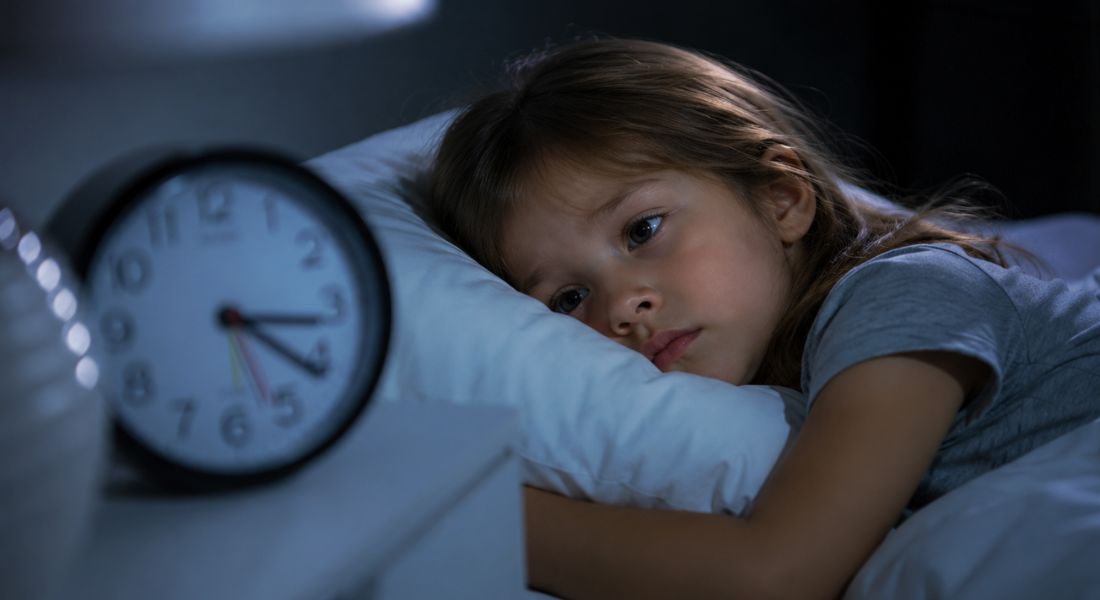
Sleep plays a vital role in your child’s growth, development and overall wellbeing. If your child regularly struggles to fall asleep, wakes frequently during the night or wakes too early in the morning, you may notice changes in their mood, behaviour, learning and energy levels. While every child has different sleep needs, persistent sleep problems should not be ignored.
Many families experience bedtime challenges at some stage. Your child may resist going to bed, wake repeatedly during the night, have nightmares, struggle with separation at bedtime or seem tired despite spending enough time in bed. Occasional sleep disruption is common during illness, developmental changes or stressful periods, but ongoing difficulties may have an underlying cause that needs attention.
This guide explains the common causes of sleep problems in children, the signs to look out for, when you should seek professional advice and the treatments that can help. With the right assessment, consistent routines and appropriate support, many children develop healthier sleep habits and enjoy more restful nights.
Why Sleep Matters for Your Child’s Health
Sleep is much more than a time for your child to rest. While your child is asleep, their body supports growth, brain development, memory, learning and emotional regulation. Good-quality sleep also helps them recover from daily activities, process new information and prepare for the day ahead.
When your child does not get enough restful sleep, you may notice changes in their mood, behaviour and concentration. Some children become irritable, emotional or easily frustrated, while others seem unusually active, struggle to focus or find it harder to manage their emotions. Poor sleep can also affect the whole family, leaving you feeling tired, concerned and unsure about how to help.
The encouraging news is that many childhood sleep problems can improve once the underlying cause is identified. With consistent routines, practical strategies and the right support when needed, your child can develop healthier sleep habits that benefit their overall health and wellbeing.
How Much Sleep Do Children Need?
Children need different amounts of sleep depending on their age, development and individual needs. Some children naturally sleep more than others. The important thing is not only the number of hours they sleep but whether they wake refreshed and function well during the day.
| Age group | Recommended sleep in each 24-hour period |
| Newborns under 4 months | Sleep patterns vary considerably, so no single AASM range is provided |
| Infants aged 4 to 12 months | 12 to 16 hours, including naps |
| Children aged 1 to 2 years | 11 to 14 hours, including naps |
| Children aged 3 to 5 years | 10 to 13 hours, including naps |
| Children aged 6 to 12 years | 9 to 12 hours |
| Teenagers aged 13 to 18 years | 8 to 10 hours |
These are general guidelines rather than strict rules.
Understanding Normal Sleep Patterns in Childhood
Your child’s sleep patterns naturally change as they grow. Babies often wake several times during the night because their sleep cycles are shorter and they need feeding and comfort. As your child gets older, they usually begin sleeping for longer periods and develop a more predictable sleep routine.
Toddlers and preschool children may experience temporary sleep difficulties due to developmental milestones, vivid imaginations, separation anxiety or changes in routine. As children reach school age, sleep problems may become linked to worries, school pressures, increased screen use or other lifestyle changes.
It is also normal for your child to wake briefly between sleep cycles during the night. The concern is usually when they cannot settle back to sleep without significant help or when poor sleep begins to affect their mood, behaviour, learning or overall wellbeing during the day. Understanding what is typical for your child’s age can help you recognise when it may be time to seek additional support.
Common Sleep Problems in Children
Sleep problems can affect children in many different ways. Your child may find it difficult to fall asleep, resist going to bed, wake several times during the night or wake much earlier than expected. Other common sleep difficulties include nightmares, night terrors, sleepwalking, restless sleep, snoring, breathing problems during sleep and anxiety about sleeping alone.
The same sleep problem can have different underlying causes. For example, if your child wakes every night, they may be seeking reassurance, relying on a sleep association to fall back asleep or experiencing discomfort caused by an underlying medical condition. This is why it is important to look at the whole picture rather than focusing on one symptom alone.
Difficulty Falling Asleep at Bedtime
One of the most common sleep concerns is that your child takes a long time to fall asleep. They may ask for another story, another drink or another cuddle, or keep leaving their bedroom after bedtime. If this happens most evenings, it can become tiring and frustrating for the whole family.
There are many possible reasons why your child may struggle to settle. Common causes include inconsistent bedtime routines, becoming overtired, anxiety about being alone, needing a parent nearby to fall asleep, too much stimulation before bedtime or an irregular sleep schedule. Some children also develop sleep associations, meaning they rely on a particular person or activity, such as being rocked or having a parent stay with them, to fall asleep.
These patterns are very common and do not mean you have done anything wrong. They simply reflect the way your child has learned to settle at bedtime. With patience, consistent routines and gradual changes, many children can develop more independent sleep habits and find it easier to fall asleep on their own.
Frequent Night Wakings

Many children wake briefly during the night as part of normal sleep, but some find it difficult to settle back to sleep without help. If your child regularly calls for you or needs support to return to sleep, it is worth considering what might be causing these repeated wakings.
Night waking can happen for many reasons, including normal developmental changes, hunger in younger children, nightmares, illness, discomfort, anxiety, environmental factors or learned sleep associations. Occasional waking is common, particularly in younger children, but frequent disruptions over a long period can affect both your child’s sleep quality and your own wellbeing.
It can be helpful to think about what happens when your child wakes. Do they need you to be present before they can fall asleep again? Are they frightened, uncomfortable or fully awake, or are they only briefly unsettled? Understanding your child’s sleep pattern is often the first step towards finding the most appropriate solution.
Early Morning Waking
Some children regularly wake much earlier than expected and find it difficult to return to sleep. If your child is consistently awake very early in the morning, it can affect both their daytime energy levels and the rest of the family’s routine.
Early morning waking may be linked to several factors, including an early bedtime, light entering the bedroom, noise, hunger, an inconsistent sleep routine or difficulty moving between sleep cycles. As your child grows, they may also naturally become more alert earlier in the morning, although persistent early waking is not always expected.
Depending on your child’s age, total sleep and usual routine, carefully adjusting bedtime may help. Keeping the bedroom dark and quiet and maintaining a consistent morning routine may also be useful. Avoid making large changes to bedtime without considering whether your child is already overtired.
Bedtime Resistance and Sleep Anxiety
Bedtime can be particularly challenging if your child feels anxious about being alone or separating from you. They may worry about the dark, nightmares, imaginary monsters, changes in routine, starting school or other stressful events, making it harder for them to settle at the end of the day.
Sleep anxiety may lead your child to ask for repeated reassurance, delay bedtime or struggle to fall asleep without your presence. These behaviours are often a sign that your child is seeking comfort rather than deliberately avoiding sleep.
It is important to acknowledge your child’s feelings while maintaining calm and consistent bedtime boundaries. A predictable bedtime routine can help your child feel safe and secure, making it easier for them to relax and develop healthier sleep habits over time.
Nightmares and Night Terrors
Nightmares and night terrors are different sleep experiences, although they are often confused. If your child has a nightmare, they usually wake feeling frightened, remember the dream and seek comfort from you. Night terrors are different because your child may cry, shout or appear distressed without fully waking, and they often have no memory of the episode the next morning.
Night terrors can be upsetting to witness, but they are usually harmless and many children grow out of them as they get older. Both nightmares and night terrors may become more common when your child is overtired, unwell, stressed or has experienced changes to their usual routine.
Keeping a regular sleep schedule and helping your child avoid becoming overtired may reduce these episodes. If the events happen frequently, place your child at risk of injury or are associated with unusual movements or other concerning symptoms, arrange an assessment with your GP or paediatrician
How You Can Keep Your Child Safe During Sleepwalking Episodes
If your child experiences sleepwalking or other parasomnias, simple safety measures can help reduce the risk of injury:
- Create a Safe Bedroom Environment: Remove objects that could cause injury, keep the floor clear and ensure furniture is positioned safely.
- Secure Doors and Windows: Use appropriate safety measures if your child may leave their bedroom or move around the house during an episode.
- Keep Stairs and Hazards Safe: Consider safety gates or other precautions if your child has access to stairs, balconies or potentially dangerous areas.
- Guide your child calmly back to bed: If possible, gently guide your child back to bed without waking them. Only wake them if needed to prevent injury, as sudden waking may cause confusion or distress.
- Maintain a Regular Sleep Routine: Tiredness and disrupted sleep can sometimes make parasomnias more likely, so consistent sleep habits may help.
- Track Episodes if They Continue: Recording when episodes happen, how long they last and any triggers can help your healthcare professional understand the pattern.
Sleep Problems Caused by Screen Time and Technology
Technology is part of everyday life for many families, but using screens too close to bedtime can make it harder for your child to fall asleep. Tablets, televisions, mobile phones and gaming devices provide stimulation at a time when your child’s brain should be slowing down and preparing for sleep. Screen use close to bedtime may delay sleep by increasing mental stimulation and interfering with the body’s normal preparation for sleep. Light from screens may also affect melatonin release and the timing of the body clock, although the effect varies between children.
Screen use before bed can delay bedtime, make your child feel more alert, increase emotional stimulation, reduce time spent on calming activities and make it difficult to stop watching or playing. If your child watches exciting videos or plays fast-paced games in the evening, they may find it much harder to relax and settle for the night.
Creating a screen-free period before bedtime can help your child make a smoother transition from daytime activities to sleep. Replacing screens with calming routines, such as reading together, quiet play or listening to a story, can encourage healthier sleep habits and make bedtime feel more relaxing.
The Link Between Routine and Healthy Sleep

Children often sleep better when bedtime follows a consistent and predictable routine. If your child knows what to expect each evening, it becomes easier for their body and mind to recognise that it is time to relax and prepare for sleep.
A calming bedtime routine might include having a bath or shower, putting on pyjamas, brushing teeth, reading a story together, talking quietly about the day or listening to calming music. Your routine does not need to be complicated. The most important thing is that you follow a similar sequence of activities each night so your child feels secure and knows what comes next.
A predictable routine can help reduce bedtime anxiety and make it easier for your child to settle. Over time, these consistent habits can encourage healthier sleep patterns and reduce bedtime struggles for the whole family.
Common Causes of Sleep Problems in Children
Sleep difficulties can happen for many different reasons. Sometimes your child’s sleep is affected by bedtime routines or habits, while in other cases emotional, developmental or medical factors may play a role. Understanding the underlying cause is the first step towards finding the most effective solution for your child.
Common causes include inconsistent sleep schedules, difficulty learning to settle independently, anxiety or worries, stress or changes at home, discomfort or pain, allergies or eczema, asthma symptoms, breathing difficulties, developmental conditions and excessive screen use before bedtime. More than one factor can contribute to your child’s sleep problems, so it is important to consider the whole picture.
It is helpful not to assume that every sleep difficulty is simply behavioural. If you understand why your child is struggling to sleep, you and your healthcare professional can choose strategies that are most likely to improve their sleep and overall wellbeing.
Behavioural Causes of Poor Sleep
Behavioural sleep problems are among the most common reasons children have difficulty sleeping. Your child may come to rely on certain conditions to fall asleep, such as having you beside them, being rocked or fed to sleep, needing a particular object or routine, or resisting bedtime boundaries. These patterns often develop gradually and can make it harder for your child to settle or return to sleep independently.
As children grow and become more independent, it is normal for them to test boundaries, and bedtime can become one of the times when this happens. This does not mean your child is being deliberately difficult. Instead, they may be seeking comfort, reassurance or a sense of control at the end of the day.
Consistent responses, predictable bedtime routines and gentle boundaries can help your child develop healthier sleep habits over time. Supporting your child’s emotions while encouraging independent settling allows them to feel safe, secure and more confident about going to sleep.
Anxiety, Stress and Emotional Factors Affecting Sleep
Your child’s emotions can have a significant impact on how well they sleep. Worries that may seem small to an adult can feel overwhelming to a child. Concerns about school, friendships, separation, family changes or new experiences may make it difficult for your child to relax and settle at bedtime.
Signs that anxiety may be affecting your child’s sleep include difficulty falling asleep despite being tired, frequent requests for reassurance, fear of sleeping alone, nightmares, physical complaints such as tummy aches before bed and becoming more clingy than usual. These behaviours often reflect underlying worries rather than a reluctance to sleep.
Talking with your child about their feelings during the day can help them process worries before bedtime. A calm bedtime routine, emotional reassurance and supportive strategies to manage anxiety can help your child feel more secure and improve the quality of their sleep over time.
Medical Conditions That Can Affect Sleep
Sometimes your child’s sleep difficulties are linked to an underlying medical condition rather than their bedtime routine or behaviour. Conditions such as eczema causing itching, asthma symptoms at night, allergies, reflux, pain, infections, constipation and certain neurological conditions can all interfere with healthy sleep.
For example, if your child frequently wakes because they are itching, the main problem may be that their eczema needs better treatment rather than a behavioural sleep issue. Likewise, if your child regularly wakes coughing, wheezing or struggling to breathe, they should be assessed for possible respiratory problems or other underlying medical conditions.
Identifying and treating the underlying cause can often lead to significant improvements in your child’s sleep. If sleep problems are accompanied by other physical symptoms or do not improve despite good sleep routines, it is important to seek medical advice.
The Role of Breathing Problems and Sleep Apnoea
Some children have sleep difficulties because they are not breathing comfortably during the night. Your child may have sleep-disordered breathing, including obstructive sleep apnoea, a condition in which the airway becomes partially or completely blocked during sleep and disrupts normal breathing.
Seek urgent medical advice if your child has worsening breathing problems during sleep, repeated breathing pauses or gasping episodes. Call 999 if your child has severe difficulty breathing, blue or grey lips or skin, becomes unusually floppy or is difficult to wake.
If your child snores most nights or you notice breathing difficulties while they are asleep, it is important to discuss this with your GP or paediatrician. Identifying and treating sleep-disordered breathing can improve your child’s sleep quality, daytime wellbeing and overall health.
How Sleep Problems Affect Children During the Day
Poor sleep can affect your child in many ways that are not always obvious. A tired child does not always appear sleepy. Instead, your child may seem irritable, emotional, hyperactive, easily distracted, forgetful, frustrated or less interested in activities they would normally enjoy.
Sleep difficulties can also affect your child’s learning, behaviour and relationships. You may notice problems with concentration at school, managing emotions, being patient, following instructions or interacting with other children. These changes are sometimes mistaken for behavioural problems when poor sleep is actually contributing to them.
Improving your child’s sleep can have a positive impact on their daytime wellbeing. Better-quality sleep often helps children feel more settled, concentrate more effectively, regulate their emotions and take part more confidently in school and everyday activities.
Evidence Note: Behavioural Sleep Support
Behavioural sleep interventions may help children who experience bedtime resistance, difficulty falling asleep or repeated night waking. Approaches may include a consistent sleep schedule, a predictable bedtime routine, changes to sleep associations, gradually reducing parental presence and addressing worries or stimulation around bedtime.
No single approach is suitable for every child. Strategies should be adapted to your child’s age, development, emotional needs, medical conditions and family circumstances. Persistent difficulties or symptoms suggesting a specific sleep disorder require clinical assessment rather than sleep-hygiene advice alone.
Signs Your Child’s Sleep Problem May Need Medical Advice

Many childhood sleep problems improve with consistent routines and practical changes at home, but some situations should be assessed by a healthcare professional. It is worth seeking advice if your child’s sleep difficulties persist despite consistent changes at home, occur regularly or begin affecting their behaviour, learning, mood, health or family life. You should seek advice sooner if your child snores loudly, appears to stop breathing, has unusual movements, loses previously acquired skills or seems excessively sleepy during the day.
These signs may indicate that there is more than a simple behavioural sleep issue. In some cases, your child may need further assessment to identify an underlying medical, developmental or emotional cause that is affecting their sleep.
A healthcare professional can assess your child’s symptoms, ask about their sleep routine and overall health, and help determine whether the problem is behavioural, emotional, environmental or medical. This ensures your child receives the most appropriate advice, treatment or referral if needed.
How Sleep Problems Are Diagnosed
Diagnosing a sleep problem begins with understanding your child’s overall sleep pattern rather than focusing on a single symptom. During the assessment, a paediatrician or other healthcare professional will usually ask about your child’s bedtime routine, sleep schedule, night wakings, daytime behaviour, naps, medical history, emotional wellbeing, development and any concerns you or your family have noticed.
You play an important role in this process because you see your child’s sleep habits at home. Keeping a simple sleep diary, noting bedtime routines, night wakings and daytime behaviour can provide valuable information and help build a clearer picture of what may be affecting your child’s sleep.
A sleep problem is rarely diagnosed based on one symptom alone. Your child’s routine, medical history, development and overall wellbeing are all considered together to identify the underlying cause and decide whether any further assessment or treatment is needed.
What Happens During a Sleep Assessment With a Paediatrician?
During a sleep assessment, the paediatrician will talk through your concerns and build a detailed picture of your child’s sleep habits to identify any factors that may be contributing to the problem. The appointment will usually include questions about your child’s sleep history, bedtime routine, night wakings, daytime behaviour, medical history, development and overall wellbeing.
Your child may also have a physical examination to look for signs of conditions that can affect sleep, such as enlarged tonsils, breathing problems or other medical concerns. Depending on your child’s symptoms, the paediatrician may consider developmental or emotional factors and recommend further investigations if they are needed.
Many behavioural sleep difficulties can be assessed from your child’s history, sleep pattern and sleep diary without an overnight test. However, further investigation may be required if there are concerns about breathing during sleep, unusual movements, possible seizures, excessive daytime sleepiness, narcolepsy or another specific sleep disorder.
Sleep Diaries and Tracking Your Child’s Sleep
A sleep diary can provide valuable information. Recording your child’s sleep for one or two weeks may help identify patterns.
| What to Record | Examples |
| Bedtime | When your child goes to bed |
| Falling asleep | How long it takes to settle |
| Night waking | How often they wake and what happens |
| Morning waking | Wake-up time |
| Naps | Timing and duration |
| Daytime behaviour | Mood, tiredness and concentration |
A sleep diary helps healthcare professionals understand what is happening rather than relying only on memory. It can also help parents notice links between routines, activities and sleep quality.
Treatment Options for Sleep Problems in Children
Treatment depends on what is affecting your child’s sleep. Behavioural sleep difficulties may improve with changes to routines, sleep associations and settling strategies. If anxiety or emotional concerns contribute, your child may benefit from emotional support or psychological approaches. Medical problems such as eczema, asthma, reflux, allergies, pain or breathing difficulties need treatment of the underlying condition rather than sleep advice alone.
Children with suspected sleep-disordered breathing may need further assessment, which may include review by paediatric respiratory or ear, nose and throat specialists. Treatment depends on the cause and may include managing allergies, treating contributing conditions, surgery for enlarged tonsils or adenoids in selected children, or other specialist approaches.
Melatonin is a prescription medicine in the UK and should not be started without professional assessment. For some children, particularly those with certain neurodevelopmental conditions, a specialist may consider melatonin when an individualised sleep plan and non-medication approaches have not provided enough benefit. Treatment should be reviewed regularly and should continue alongside behavioural and environmental support.
Improving Sleep Hygiene: Practical Tips for Parents
Healthy sleep habits can make a significant difference to your child’s ability to fall asleep and stay asleep. Simple, consistent changes are often more effective than making lots of different adjustments at once, and they help your child develop long-term sleep routines.
Helpful strategies include keeping a regular bedtime and wake-up time, creating a calm evening routine, making the bedroom comfortable and quiet, limiting stimulating activities before bed, encouraging physical activity during the day, avoiding large meals close to bedtime and reducing caffeine-containing drinks in older children.
Improving sleep usually takes time rather than producing immediate results. By following the same healthy sleep habits every day, you can help your child feel more settled at bedtime and support better-quality sleep over the long term.
Creating a Healthy Bedtime Routine
A consistent bedtime routine helps your child move from the activities of the day to a calmer state that is ready for sleep. Bedtime is usually easier when it is predictable, calm, consistent and free from unnecessary negotiations, helping your child know what to expect each evening.
A simple routine might include quiet play, a bath or wash, putting on pyjamas, brushing teeth, reading a story together and then turning the lights out. The exact order is less important than following a similar pattern each night so your child begins to associate these activities with bedtime.
The best bedtime routine is one that works for your family and can be followed consistently. It does not need to be perfect. When bedtime feels safe, familiar and reassuring, your child is more likely to relax and develop healthy sleep habits over time.
When to Seek Specialist Support for Sleep Problems

Many childhood sleep problems improve with consistent routines and practical changes at home. However, if your child’s sleep difficulties continue despite these strategies, it is worth seeking specialist advice.
Consider speaking to a paediatrician if your child has ongoing sleep problems, is very tired during the day, sleep is affecting their behaviour or school, there are concerns about breathing during sleep, or they have developmental or medical conditions that may be contributing. You should also seek advice if you are unsure what is causing the problem.
A paediatrician can assess whether your child’s sleep difficulties are linked to behaviour, emotional wellbeing, physical health or development. Early assessment can help identify the cause and provide the right support before sleep problems become more established.
The Importance of a Calm Sleep Environment
Your child’s bedroom can have a big influence on how easily they fall asleep and stay asleep. A sleep-friendly environment should be quiet, comfortably cool, dimly lit and free from unnecessary distractions, helping your child associate the bedroom with rest.
For older children, a suitable night light, favourite soft toy or comfort item may help them feel secure. However, these items should not be placed in a baby’s sleep space. Babies should sleep on their back in a clear cot or Moses basket with a firm, flat mattress and no pillows, cot bumpers, soft toys or loose bedding. Always follow current NHS safer-sleep guidance for babies.
The aim is to create a calm, consistent space that helps your child’s body and mind recognise when it is time to sleep.
Myth vs Fact
There are many misconceptions about childhood sleep. Understanding what is true can help parents make better decisions.
| Myth | Fact |
| Children who are tired will always fall asleep easily | Some overtired children become more restless and find it harder to settle |
| All night waking means something is wrong | Occasional waking can be normal, especially in younger children |
| A later bedtime will always make a child wake later | Delaying bedtime does not reliably produce a later wake time and may leave some children overtired. Bedtime should reflect the child’s age, sleep needs and usual sleeping pattern. |
| Screens help children relax before bed | Screens can increase alertness and make settling harder |
| Sleep problems are caused by poor parenting | Sleep difficulties can have many behavioural, emotional and medical causes |
| Children will always grow out of sleep problems | Some difficulties need support to improve |
| Snoring is always harmless in children | Regular loud snoring may need medical assessment |
| Medication is the first solution for childhood sleep problems | Behavioural strategies and addressing underlying causes are usually considered first. |
| Melatonin is a harmless sleep supplement for any child | Melatonin is a prescription medicine in the UK and should only be used when recommended and monitored by an appropriate clinician. |
| Soft toys make every child’s sleep space more comforting | Comfort items may be suitable for older children, but babies should sleep in a clear cot without soft toys, pillows or loose bedding. |
| A child who is active cannot be tired | Some tired children become more active rather than sleepy |
Understanding these myths can help parents approach sleep difficulties with confidence rather than frustration.
Key Takeaways
Sleep problems are common during childhood, but persistent difficulties should not be ignored.
The most important points to remember are:
- Every child has different sleep needs, but regular poor sleep can affect wellbeing.
- Sleep problems may be caused by routines, emotions, environment, medical conditions or developmental factors.
- Bedtime resistance and night waking are common and often improve with consistent approaches.
- A predictable bedtime routine can help children feel secure and ready for sleep.
- Screen use close to bedtime may make it harder for children to settle.
- Regular loud snoring, gasping or pauses in breathing require medical assessment.
- A sleep diary can help identify patterns and support assessment.
- Treatment depends on the cause and may include behavioural strategies, addressing medical issues and specialist support.
- Parents should seek advice if sleep problems continue, affect daily life or are causing concern.
- Babies require separate safer-sleep advice and should not have soft toys or loose bedding in their cot.
- Melatonin should not be started without assessment and appropriate prescribing.
Frequently Asked Questions
1. How do I know if my child has a sleep problem?
A sleep problem may be present if your child regularly struggles to fall asleep, wakes frequently during the night, wakes too early or seems tired during the day. Ongoing sleep difficulties that affect mood, behaviour or learning may need further assessment.
2. How much sleep does my child need?
Children need different amounts of sleep depending on their age and development. Toddlers usually need around 11 to 14 hours, preschool children around 10 to 13 hours and school-age children around 9 to 12 hours, including naps where appropriate.
3. Why does my child struggle to fall asleep at bedtime?
Bedtime difficulties can happen due to inconsistent routines, anxiety, overtiredness, screen use or needing a parent nearby to settle. A calm, predictable bedtime routine can help children feel secure and prepare for sleep.
4. Are night wakings normal in children?
Brief night waking can be normal, especially in younger children. However, frequent waking or difficulty returning to sleep may affect your child’s rest and could benefit from advice if it continues.
5. Can screen time affect my child’s sleep?
Yes, using screens close to bedtime can make it harder for some children to relax and fall asleep. Reducing evening screen use and replacing it with calming activities may support healthier sleep habits.
6. When should I seek medical advice about my child’s sleep?
You should seek advice if sleep problems continue, affect your child’s daytime behaviour, involve loud snoring, breathing difficulties, unusual movements or significant tiredness during the day. Call 999 for severe breathing difficulty, blue or grey lips or skin, unusual floppiness or reduced responsiveness.
7. Can health conditions cause sleep problems in children?
Yes, conditions such as eczema, asthma, allergies, reflux, pain and breathing problems can interrupt sleep. Treating the underlying cause may help improve your child’s sleep quality.
8. How can I help my child sleep better at home?
Helpful strategies include keeping regular sleep times, following a consistent bedtime routine, creating a comfortable sleep environment and reducing stimulating activities before bed.
9. Do children need medication for sleep problems?
Medication is not usually the first treatment for childhood sleep problems. Most children improve with behavioural strategies, healthy sleep routines and treatment of any underlying medical concerns.
10. When should my child see a paediatrician for sleep problems?
A paediatrician can help if your child’s sleep difficulties continue despite changes at home or are linked with medical, developmental or emotional concerns. Assessment can help identify the cause and guide appropriate support.
Final Thoughts: Helping Your Child Develop Healthy Sleep Habits
Sleep problems are common in childhood, but ongoing difficulties can affect your child’s mood, behaviour, learning and overall wellbeing. Understanding what may be contributing to your child’s sleep difficulties is the first step towards finding the right support.
Simple changes, such as creating a consistent bedtime routine, improving the sleep environment and encouraging healthy sleep habits, can make a significant difference for many children. However, if sleep problems continue, affect daily life or are linked with symptoms such as snoring, breathing difficulties, anxiety or unusual sleep behaviours, seeking professional advice can help identify the underlying cause. If you need a trusted paediatrician for sleep problems in children in London, get in touch with us at London Paediatric Clinic.
References:
- Paruthi, S. et al. (2016) ‘Recommended amount of sleep for pediatric populations: a consensus statement of the American Academy of Sleep Medicine’, Journal of Clinical Sleep Medicine, 12(6), pp. 785–786. Available at: https://pmc.ncbi.nlm.nih.gov/articles/PMC4877308/
- British Thoracic Society (2023) ‘British Thoracic Society guideline for diagnosing and monitoring paediatric sleep-disordered breathing’. Available at: https://www.brit-thoracic.org.uk/quality-improvement/guidelines/
- NHS (2025) Night terrors and nightmares. Supports the distinction between nightmares and night terrors and practical advice during episodes. Available at: https://www.nhs.uk/conditions/night-terrors/
- NHS (2025) Sleepwalking. Supports sleepwalking safety measures, common triggers and indications for GP or sleep-clinic assessment. Available at: https://www.nhs.uk/conditions/sleepwalking/
- Levenson, J.C. and Williamson, A.A. (2023) ‘Bridging the gap: leveraging implementation science to advance pediatric behavioral sleep interventions’, Journal of Clinical Sleep Medicine, 19(7), pp. 1321–1336. Available at: https://pmc.ncbi.nlm.nih.gov/articles/PMC10315605/
- National Institute for Health and Care Excellence (NICE) (2013, updated 2021) ‘Autism spectrum disorder in under 19s: support and management (CG170)’. Available at: https://www.nice.org.uk/guidance/cg170
- NHS (2025) ‘Sudden infant death syndrome (SIDS)’. Available at: https://www.nhs.uk/conditions/sudden-infant-death-syndrome-sids/