




When your baby is born earlier than expected, unfamiliar equipment, medical language and uncertainty about the future can feel overwhelming. A neonatologist is a paediatric specialist in newborn medicine who works with the wider neonatal team to assess premature babies, coordinate treatment and plan appropriate follow-up.
Not every premature baby needs intensive care. Some babies born closer to term need only observation or help with feeding, temperature control or blood glucose, while babies born much earlier may require respiratory, nutritional and circulatory support. You should be given clear explanations and supported to take part in your baby’s care whenever their condition allows.
What Is Considered a Premature Birth?
A baby born before 37+0 weeks of pregnancy is described as preterm or premature. Preterm birth is commonly divided into extremely preterm before 28+0 weeks, very preterm from 28+0 to 31+6 weeks and moderate-to-late preterm from 32+0 to 36+6 weeks.
Gestational age helps the team anticipate possible needs, but it does not determine the care plan by itself. Birth weight, breathing, temperature, feeding, blood-glucose regulation, infection risk and the baby’s condition after delivery are also considered.
Why Does a Premature Baby Need a Neonatologist?
A premature baby may need additional support with breathing, circulation, feeding, temperature control, blood glucose or protection from infection. The neonatal team assesses which areas require treatment and adapts the plan as your baby grows and their clinical needs change.
Care may be led by a consultant neonatologist or by a consultant paediatrician with neonatal expertise, depending on the hospital and level of care required. Day-to-day assessment and treatment are shared among neonatal doctors, advanced neonatal nurse practitioners, nurses and allied healthcare professionals.
What Happens During an Antenatal Neonatal Consultation?
If your baby is expected to arrive early, you may meet a neonatologist before birth. This consultation helps you understand the care your baby may need after delivery.
- Care planning: Explains the support your baby may need after birth.
- Treatment overview: Discusses breathing, feeding, incubator care and possible tests.
- Individual assessment: Considers your baby’s gestation, size and pregnancy findings.
- Hospital care: Explains neonatal unit care and possible transfer if required.
- Team approach: Obstetric and neonatal teams work together to plan your baby’s care.
The consultation prepares you for possible neonatal care while recognising that every baby’s needs are different after birth.
What Happens in the Delivery Room?
If your baby is expected to arrive prematurely, a neonatal team may be present during the birth to provide immediate care and support. Their role is to check your baby’s condition and help them adjust as their lungs, heart and circulation begin working outside the womb.
The neonatal team will assess your baby’s breathing, heart rate, circulation, temperature and response after birth while keeping them warm. Some premature babies need only observation and gentle support, while others require CPAP, ventilation or additional stabilisation before transfer to the neonatal unit.
The professional attending may be a neonatologist, another paediatric doctor, an advanced neonatal nurse practitioner or another appropriately trained neonatal clinician.
How Does a Neonatologist Keep Your Baby Warm?

If your baby is born prematurely, keeping them warm is an important part of their care because they can lose heat quickly. Their thin skin, lower body fat and small size can make it harder for them to maintain a stable body temperature, and staying warm helps them save energy for growth and recovery.
Your baby may be cared for in an incubator that controls temperature and humidity, or under a heater that allows easier access during treatment. When your baby is stable, skin-to-skin contact, also known as kangaroo care, may help with temperature control, feeding, bonding and calmer breathing as they continue to grow.
How Are Premature Breathing Problems Managed?
Premature babies are at increased risk of respiratory distress because their lungs and breathing control are still developing. A lack of surfactant can make it difficult to keep the small air spaces in the lungs open, although infection, retained lung fluid, air leaks and other conditions can also cause breathing difficulty.
Support may include carefully controlled oxygen, CPAP, high-flow therapy, mechanical ventilation or surfactant treatment according to the cause and severity. The neonatal team monitors breathing, oxygen saturation and blood gases and reduces support when the baby is clinically ready.
What Are Apnoea and Bradycardia of Prematurity?
If your baby is born very prematurely, they may have pauses in breathing because the part of the brain that controls breathing is still developing. These pauses are known as apnoea of prematurity and can sometimes be linked with a drop in oxygen levels or a slower heart rate, called bradycardia.
Your baby will be closely monitored, and some episodes may improve with gentle touch or repositioning. If extra support is needed, your baby may receive treatments such as CPAP, other breathing support or caffeine medicine, while the neonatologist checks for any underlying causes and monitors their progress.
How Are the Heart and Circulation Monitored?
| Monitoring Method | What It Assesses | Why It Is Important | Possible Next Steps |
| Heart rate monitoring | Measures how fast the heart is beating | Shows whether the heart rate is stable and helps identify changes that need assessment | Ongoing observation or further assessment if needed |
| Oxygen level monitoring | Measures oxygen in the blood | Helps the team assess whether oxygen levels are within the intended range | Oxygen support or additional investigations if required |
| Blood pressure checks | Provides information about the baby’s circulation | Helps identify circulation problems | Monitoring or treatment depending on the findings |
| Echocardiogram | Examines heart structure, function and blood flow | Detects heart conditions or a patent ductus arteriosus (PDA) | Helps guide treatment decisions |
| Assessment of PDA | Evaluates whether the ductus arteriosus remains open after birth | Determines if it is affecting the heart or circulation | Observation, medication or another intervention may be recommended |
| Overall clinical assessment | Combines examination, breathing needs and scan findings | Provides a complete picture of the baby’s condition | Supports personalised care and ongoing monitoring |
How Does a Neonatologist Support Feeding and Nutrition?
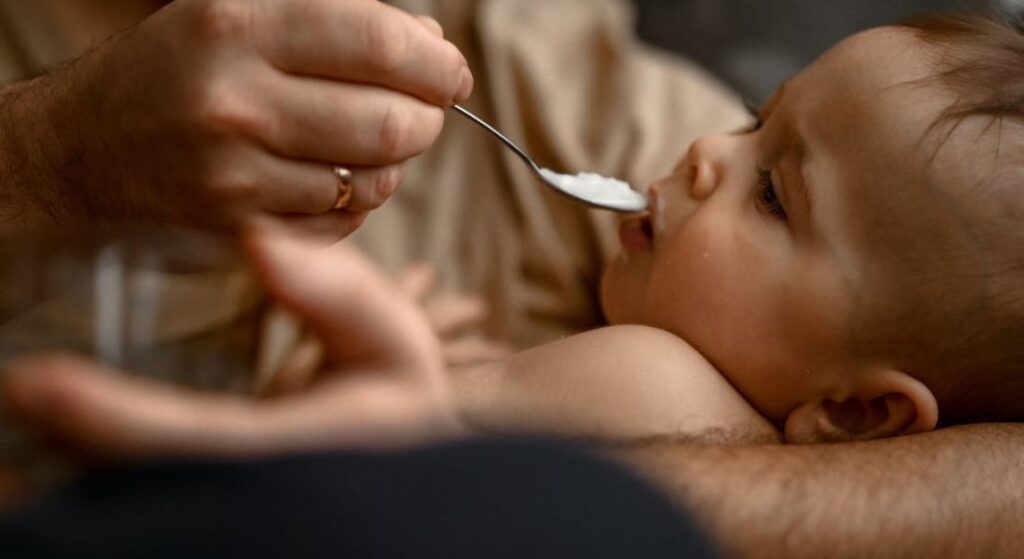
A premature baby may not yet be able to coordinate sucking, swallowing and breathing safely. Expressed breast milk, donor human milk or formula may therefore be given through a fine tube passed into the stomach according to your baby’s individual feeding plan.
Very premature or critically unwell babies may also receive parenteral nutrition through a vein while small milk feeds are introduced and increased gradually. The neonatal team monitors growth, hydration, blood results and feed tolerance and supports you with expressing milk, skin-to-skin contact and the gradual move towards oral feeding.
How Are Infections Prevented and Treated?
If your baby is born prematurely, they may have a higher risk of infections because their immune system, skin and gut barriers are still developing. Equipment such as feeding tubes, breathing support or lines can increase this risk, so the neonatal team takes extra care with hygiene and sterile procedures to protect your baby.
The neonatal team watches for possible signs of infection, including changes in breathing, feeding, temperature, colour, activity, heart rate or oxygen needs. Blood cultures and other investigations may be arranged when clinical findings or risk factors raise concern.
When a baby needs antibiotic treatment for suspected neonatal infection, NICE recommends giving the antibiotics as soon as possible and always within one hour of the decision to treat. The team should regularly reassess your baby’s clinical condition and investigation results to decide whether treatment should continue, change or stop (National Institute for Health and Care Excellence, 2021, updated 2026).
How Are Blood Sugar and Jaundice Managed?
Premature babies may be at increased risk of low blood glucose because their energy stores and feeding ability are still developing. Management depends on the glucose result, symptoms, gestational age and feeding ability and may include feeding support, glucose treatment or intravenous glucose.
Jaundice is also common in premature babies, but treatment is based on the measured bilirubin level, the baby’s age in hours, gestational age and clinical condition. Phototherapy is used when the result reaches the relevant treatment threshold rather than from the visible colour alone.
How Are Milk Feeds Introduced and NEC Monitored?
Milk feeds are introduced according to your baby’s gestation, health and tolerance. The neonatal team monitors the abdomen, bowel movements, vomiting, blood results and overall condition while feeds are increased and nutrition is adjusted.
Necrotising enterocolitis is a serious bowel condition seen mainly in premature and very-low-birthweight babies. If it is suspected, feeds may be stopped, the stomach decompressed, intravenous nutrition and antibiotics started and surgical advice requested when necessary. Monitoring can help identify concerns early, but it cannot prevent every case.
How Are the Brain and Nervous System Monitored?
If your baby is born very prematurely, their brain and nervous system are still developing and may need careful monitoring. The neonatal team will check your baby’s neurological health by observing their movements, muscle tone, alertness and responses alongside their breathing, feeding and growth.
Your baby may have ultrasound scans through the soft spot on their head to look for changes such as bleeding or fluid-related concerns. The neonatal team will explain any findings and arrange developmental follow-up when this is indicated by your baby’s gestation, neonatal history or clinical findings.
Why Are Eye and Hearing Checks Important?
Premature babies may need additional eye or hearing assessment according to their gestation, birth weight, neonatal treatment and other risk factors. Babies who meet the national criteria for retinopathy-of-prematurity screening have scheduled retinal examinations so that sight-threatening changes can be identified and treated promptly.
Babies who have received neonatal intensive care follow the appropriate newborn-hearing-screening pathway, and some need later audiology assessment even after an initial clear response. Attend every planned eye and hearing appointment and report later concerns about vision, hearing or communication.
What Is Corrected Age and Why Is It Important?

Corrected age is calculated from your baby’s original due date rather than their date of birth. For example, a six-month-old baby born two months early has a corrected age of approximately four months. Healthcare professionals commonly use corrected age when assessing early movement, communication and developmental skills.
Evidence Note
Not every premature baby requires the same developmental surveillance. NICE recommends enhanced developmental follow-up for eligible children, including at least two face-to-face visits during the first year and a detailed developmental assessment at two years’ corrected age.
Children born before 28+0 weeks should also be offered a face-to-face developmental assessment at four years’ uncorrected age. Corrected age is used when assessing development during the first two years (National Institute for Health and Care Excellence, 2017).
How Can You Participate in Your Baby’s Care?
You may start by gently touching your baby, speaking to them or helping with simple care tasks, and later you may be able to change nappies, hold them and support feeding. You should also feel able to ask questions, understand your baby’s treatment and seek emotional support if the neonatal journey becomes difficult.
What Happens When Your Baby Is Ready to Go Home?
Discharge is based on whether your baby is medically stable and whether any continuing needs can be managed safely at home, rather than on reaching one weight, date or corrected age. Some babies feed fully and need no respiratory support, while others may go home with oxygen, tube feeding, medicines or monitoring after suitable training and community support have been arranged.
Discharge planning should begin early and involve you throughout. Before leaving, you should receive written information about feeding, medicines, equipment, safe sleep, follow-up appointments, vaccinations and whom to contact with concerns.
When Should You Seek Urgent Medical Help After Discharge?

Call 999 if your baby stops breathing, has long or repeated pauses in breathing, has severe difficulty breathing, becomes limp or unresponsive, cannot be woken, has a seizure or develops blue or grey skin, lips or tongue. Call 999 if your baby is under eight weeks old and you are extremely worried about them.
Seek urgent medical advice through the neonatal team, NHS 111 or an urgent GP service if your baby feeds much less than usual, has significantly fewer wet nappies, becomes increasingly sleepy or irritable, develops very pale or blotchy skin or has a temperature of 38°C or above when under three months old. Follow any more specific emergency plan provided by your neonatal unit.
Key Takeaways
- A baby born before 37+0 weeks is premature, but the level of support varies considerably.
- Neonatologists work with a multidisciplinary neonatal team rather than providing every aspect of care alone.
- Premature babies may need help with breathing, temperature, circulation, feeding, infection prevention and development.
- Parenteral nutrition may be used alongside gradually introduced milk feeds in very premature babies.
- Development is commonly assessed using corrected age during the first two years.
- Call 999 if your baby stops breathing, has long or repeated breathing pauses, has severe difficulty breathing, becomes limp or unresponsive, cannot be woken, has a seizure or develops blue or grey colouring. Seek urgent medical advice for very pale or blotchy skin.
Frequently Asked Questions
1. What does a neonatologist do for premature babies?
A neonatologist provides specialist care for premature and unwell newborn babies. They monitor breathing, feeding, temperature, circulation, infections, growth and development while coordinating treatment with the wider neonatal team.
2. Does every premature baby need to see a neonatologist?
Not every premature baby requires neonatal-unit admission or intensive care. Some moderate-to-late preterm babies receive monitoring or feeding, temperature and blood-glucose support on a postnatal or transitional-care ward. Local services determine whether care is led by a neonatologist or another paediatric clinician with neonatal expertise.
3. How early can a neonatologist care for a baby?
Neonatologists care for babies across the range of preterm gestations, including extremely preterm babies born before 28 weeks. The treatment offered and expected outcomes depend on the exact gestation, birth weight, condition at birth, parental discussions and the facilities and expertise available.
4. What happens when a premature baby is born?
A neonatal team may assess the baby immediately after birth, check breathing and heart function, provide warmth and offer support such as oxygen, breathing assistance or other treatments if needed before transferring the baby to the neonatal unit.
5. Why do premature babies need incubators?
Premature babies often struggle to maintain their body temperature because they have less body fat and immature skin. An incubator provides controlled warmth and humidity to help them conserve energy and support growth.
6. Can parents hold and care for a premature baby in the neonatal unit?
Yes. Parents are encouraged to be involved in their baby’s care whenever it is medically safe. This may include skin-to-skin contact, changing nappies, helping with feeds and providing gentle touch and comfort.
7. How does a neonatologist help premature babies with breathing problems?
The neonatal team identifies the cause and severity of the breathing problem and monitors oxygen levels, breathing effort and blood gases. Treatment may include carefully controlled oxygen, CPAP, high-flow support, surfactant or mechanical ventilation.
8. When can a premature baby go home from the neonatal unit?
A premature baby can go home when they are medically stable and any continuing needs can be managed safely by the family and community team. Some babies go home feeding independently, while others may leave with oxygen, tube feeding, medicines or monitoring after appropriate preparation.
9. Will a premature baby need follow-up after leaving hospital?
Follow-up depends on gestation, neonatal complications and ongoing feeding, respiratory, visual, hearing or developmental needs. Eligible children receive enhanced developmental surveillance, and corrected age is generally used when assessing development during the first two years.
10. When should parents seek urgent medical help after a premature baby comes home?
Call 999 if your baby stops breathing, has long or repeated breathing pauses, has severe difficulty breathing, becomes limp or unresponsive, cannot be woken, has a seizure or develops blue or grey colouring. Seek urgent medical advice if your baby feeds much less than usual, has significantly fewer wet nappies, develops very pale or blotchy skin, has a temperature of 38°C or above when under three months old or shows a marked change from their usual behaviour.
Final Thoughts: Specialist Care for Premature Babies
A premature baby may need extra support during the earliest stages of life, but with specialist neonatal care, many babies continue to grow and develop well. A neonatologist helps monitor your baby’s health, provide treatment when needed and guide you through each step of their journey. If you need expert advice about premature baby care, you can consult an experienced neonatologist in London at London Paediatric Clinic.
References:
- Bala, F.E., McGrattan, K.E., Valentine, C. and Jadcherla, S.R. (2024) ‘A narrative review of strategies to optimise nutrition, feeding and growth among preterm-born infants: Implications for practice’, Advances in Nutrition, 15(11), article 100305. Available at: https://www.sciencedirect.com/science/article/pii/S216183132400139X
- Bonadies, L., Cavicchiolo, M.E., Priante, E., Moschino, L. and Baraldi, E. (2023) ‘Prematurity and BPD: What general paediatricians should know’, European Journal of Pediatrics, 182(4), pp. 1505–1516. Available at: https://pubmed.ncbi.nlm.nih.gov/36763190/
- British Association of Perinatal Medicine (2022) Service and quality standards for provision of neonatal care in the UK. Available at: https://www.bapm.org/resources/service-and-quality-standards-for-provision-of-neonatal-care-in-the-uk
- Care of Preterm or Low Birthweight Infants Group (2023) ‘New World Health Organization recommendations for care of preterm or low birth weight infants: Health policy’, eClinicalMedicine, 63, article 102155. Available at: https://www.sciencedirect.com/science/article/pii/S2589537023003322
- Chen, S., Shen, H., Jin, Q., Zhou, L. and Feng, L. (2025) ‘Family-centered care in the neonatal intensive care unit: A meta-analysis and systematic review of outcomes for preterm infants’, Translational Pediatrics, 14(1), pp. 14–24. Available at: https://pmc.ncbi.nlm.nih.gov/articles/PMC11811580/
- Hendson, L., Church, P.T. and Banihani, R. (2022) ‘Follow-up care of the extremely preterm infant after discharge from the neonatal intensive care unit’, Paediatrics & Child Health, 27(6), pp. 359–364. Available at: https://academic.oup.com/pch/article/27/6/359/6747111
- Lamary, M., Bertoni, C.B., Schwabenbauer, K. and Ibrahim, J. (2023) ‘Neonatal Golden Hour: A review of current best practices and available evidence’, Current Opinion in Pediatrics, 35(2), pp. 209–217. Available at: https://pubmed.ncbi.nlm.nih.gov/36722754/
- Litt, J.S., Halfon, N., Msall, M.E., Russ, S.A. and Hintz, S.R. (2024) ‘Ensuring optimal outcomes for preterm infants after NICU discharge: A life course health development approach to high-risk infant follow-up’, Children, 11(2), article 146. Available at: https://pmc.ncbi.nlm.nih.gov/articles/PMC10886801/
- National Health Service (2023) Is your baby or toddler seriously ill? Page last reviewed 24 August 2023. Available at: https://www.nhs.uk/baby/health/is-your-baby-or-toddler-seriously-ill/
- National Health Service (2024) Special care: Ill or premature babies. Page last reviewed 30 April 2024. Available at: https://www.nhs.uk/pregnancy/labour-and-birth/special-care-ill-or-premature-babies/
- NHS England (2025) Newborn hearing screening programme standards: Valid for data collected from 1 April 2022. Updated 8 May 2025. Available at: https://www.gov.uk/government/publications/newborn-hearing-screening-programme-quality-standards/newborn-hearing-screening-programme-standards-valid-for-data-collected-from-1-april-2022
- National Institute for Health and Care Excellence (2010, updated 31 October 2023) Jaundice in newborn babies under 28 days. Clinical guideline CG98. Available at: https://www.nice.org.uk/guidance/cg98
- National Institute for Health and Care Excellence (2017) Developmental follow-up of children and young people born preterm. NICE guideline NG72. Available at: https://www.nice.org.uk/guidance/ng72
- National Institute for Health and Care Excellence (2019) Specialist neonatal respiratory care for babies born preterm. NICE guideline NG124. Available at: https://www.nice.org.uk/guidance/ng124
- National Institute for Health and Care Excellence (2021, updated 13 May 2026) Neonatal infection: Antibiotics for prevention and treatment. NICE guideline NG195. Available at: https://www.nice.org.uk/guidance/ng195
- Royal College of Paediatrics and Child Health (2022, revised October 2024) Screening of retinopathy of prematurity: clinical guideline. Available at: https://www.rcpch.ac.uk/resources/screening-retinopathy-prematurity-rop-clinical-guideline