




Hay fever can make the warmer months challenging for both you and your child. Symptoms such as sneezing, a blocked or runny nose, itchy eyes, and poor sleep can affect your child’s comfort and daily routine. In some cases, hay fever may also impact concentration, school performance, and participation in outdoor activities.
When symptoms first appear, you may assume that your child has a recurring cold, particularly if they are too young to describe exactly how they feel. However, if the symptoms occur around the same time each year or become worse when your child spends time outdoors, hay fever may be the cause. Recognising these patterns can help you seek the right advice and treatment sooner.
The good news is that hay fever can often be managed effectively with the right approach. Early treatment, understanding your child’s triggers, and taking steps to reduce pollen exposure can make a significant difference. By planning ahead, you can help your child stay more comfortable and enjoy the warmer months with fewer symptoms.
What Is Hay Fever?
Hay fever is a form of seasonal allergic rhinitis caused by an allergic response to pollen. It commonly affects the nose and eyes, causing symptoms such as sneezing, itching, nasal congestion, a runny nose and watery or irritated eyes. Depending on the pollen involved, your child may experience symptoms during spring, summer or early autumn.
When your child breathes in pollen, their immune system may mistakenly identify it as something harmful. This triggers the release of chemicals such as histamine, which can cause sneezing, itching, nasal congestion, and a runny nose. These reactions are responsible for many of the common symptoms associated with hay fever.
Unlike a cold, hay fever is caused by an allergic response rather than a viral infection. This means antibiotics will not improve your child’s symptoms. If your child continues to be exposed to the pollen that triggers their allergy, symptoms may persist for several weeks or even months during the pollen season.
Evidence Note:
Hay fever and other forms of allergic rhinitis are common in childhood and should not be dismissed as a minor seasonal inconvenience. The British Society for Allergy and Clinical Immunology reports that allergic rhinitis affects around 10–15% of children in the UK and can interfere with quality of life and school attendance.
For parents, this means treatment should look beyond controlling sneezing alone. If your child’s symptoms repeatedly affect sleep, concentration, school participation, exercise or asthma control, their treatment plan may need a more detailed review.
Why Children Develop Hay Fever
Hay fever develops when your child’s immune system becomes overly sensitive to certain types of pollen. When your child is exposed to that pollen again, the immune system reacts and triggers allergy symptoms such as sneezing, itching, and a runny nose. This reaction can occur even though the pollen itself is harmless.
Some children are more likely to develop hay fever because allergies often run in families. If your child has conditions such as eczema, asthma, or food allergies, they may have a higher risk of developing allergic rhinitis as well. A family history of allergic conditions can also increase the likelihood of hay fever.
Every child’s allergy pattern is unique, and the triggers can vary significantly. Your child may react mainly to grass pollen during the summer months, while another child may experience symptoms earlier in the year due to tree pollen. Identifying your child’s specific triggers can help you manage symptoms more effectively.
Common Hay Fever Symptoms in Children
Hay fever can affect several parts of your child’s body, particularly the nose and eyes. Your child may sneeze frequently, develop a clear runny nose, or complain that their nose feels blocked. These symptoms can sometimes make it difficult for your child to sleep comfortably or breathe easily through the nose.
The eyes are also commonly affected by hay fever. Your child may experience redness, watering, swelling, or intense itching, especially after spending time outdoors. Younger children may repeatedly rub their eyes or nose because they find it difficult to explain exactly what they are feeling.
Some children also develop symptoms that extend beyond the nose and eyes. Your child may complain of an itchy throat, itchy ears, headaches, tiredness, or difficulty concentrating at school. While some children mainly experience nasal symptoms, others may find that eye irritation causes the greatest discomfort.
Repeated Sneezing
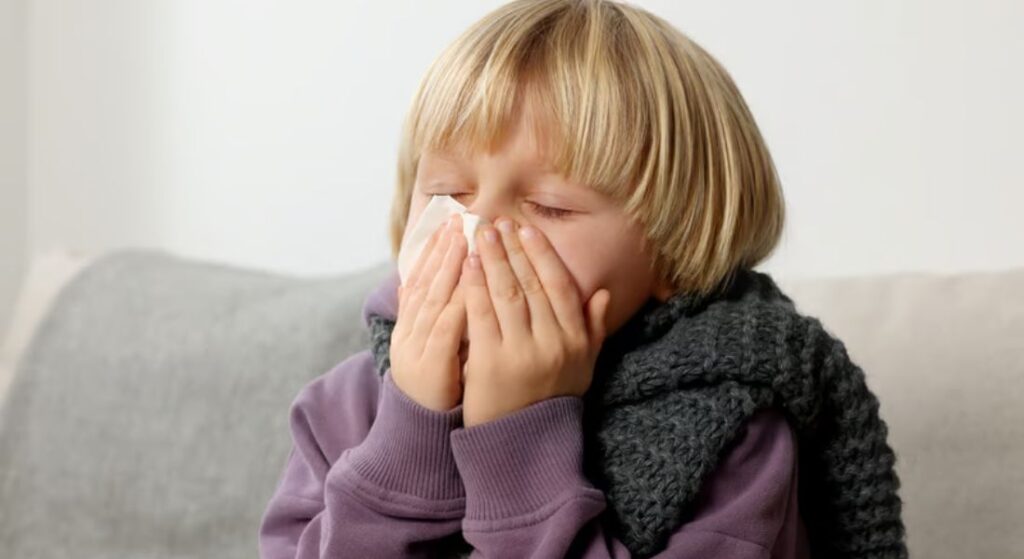
Frequent sneezing is one of the most common and recognisable signs of hay fever in children. Your child may sneeze repeatedly, sometimes several times in quick succession, especially after spending time outdoors. Symptoms often become more noticeable when pollen levels are high.
Hay fever-related sneezing is usually accompanied by other allergy symptoms. Your child may also have an itchy nose, a clear runny nasal discharge, or irritation around the eyes. These features can help distinguish hay fever from a common cold, although the symptoms can sometimes appear similar.
If your child develops repeated sneezing around the same time each year, it can be helpful to note the pattern. Keeping track of when symptoms start and how long they last may help indicate the likely pollen season or trigger involved. This information can also help your doctor make a more accurate diagnosis.
A Runny Nose
A clear, watery runny nose is a common symptom of hay fever in children. You may notice that your child constantly needs tissues throughout the day, even when they do not seem unwell. The symptoms can become more noticeable during periods of high pollen exposure.
Frequent nose wiping can sometimes leave the skin around your child’s nose red, dry, or irritated. Younger children may find this particularly uncomfortable, especially when symptoms interfere with eating, sleeping, or everyday activities. Ongoing nasal symptoms can also become frustrating for both you and your child.
A runny nose on its own does not necessarily mean your child has hay fever. However, if it occurs alongside sneezing, itchy eyes, nasal itching, and a clear seasonal pattern, an allergy is more likely to be responsible. Identifying these associated symptoms can help guide diagnosis and treatment.
Nasal Congestion
Some children with hay fever experience nasal blockage rather than a constantly runny nose. Your child may breathe through their mouth, sound congested when speaking, or say that it feels difficult to breathe through the nose. These symptoms can become more noticeable during periods of high pollen exposure.
Nasal congestion can be particularly troublesome at night. If your child’s nose is blocked, they may snore, wake up with a dry mouth, or have restless sleep. Poor-quality sleep can leave your child feeling tired and less able to concentrate during the day.
If your child has persistent nasal blockage, it is worth discussing the symptoms with a healthcare professional. Although hay fever is a common cause, other conditions such as enlarged adenoids, infections, or structural nasal problems can produce similar symptoms. An assessment can help identify the underlying cause and the most appropriate treatment.
Itchy and Watery Eyes
Eye symptoms can be one of the most uncomfortable aspects of hay fever for your child. During pollen season, your child’s eyes may become itchy, watery, red, or mildly swollen. These symptoms can affect comfort and make outdoor activities less enjoyable.
Many children rub their eyes frequently because it provides temporary relief from the itching. However, repeated rubbing can worsen irritation and increase redness or swelling. If your child continues to rub their eyes, the discomfort may become more noticeable throughout the day.
There are several ways to help reduce eye symptoms during pollen season. Wearing sunglasses outdoors can help limit the amount of pollen that reaches your child’s eyes. Depending on your child’s age and symptoms, your pharmacist or doctor may also recommend suitable allergy eye drops to provide additional relief.
Itching in the Nose, Throat and Ears
Hay fever can cause itching in several areas that you may not immediately associate with a pollen allergy. Your child may complain of an itchy nose, throat, roof of the mouth, or even irritation inside the ears. These symptoms can be just as troublesome as sneezing or a runny nose.
Younger children may not always be able to describe what they are feeling. Instead, you may notice your child rubbing their nose, making clicking sounds with their tongue, or pressing their tongue against the roof of their mouth. These behaviours are often attempts to relieve the itching caused by the allergy.
Frequent upward rubbing of the nose can become a noticeable habit during hay fever season. Paying attention to these small signs can help you recognise symptoms that your child may struggle to explain. Identifying them early can make it easier to seek appropriate treatment and symptom relief.
Hay Fever or a Cold?
Hay fever and the common cold can look very similar, especially when symptoms first begin. Both can cause sneezing, a runny nose, nasal congestion, and general discomfort. This can make it difficult for you to tell the difference at first.
One of the main differences is how long the symptoms last. A cold usually improves within a short period, whereas hay fever can continue for weeks or even months while your child is exposed to pollen. Hay fever is also more likely to cause itchy eyes, watery eyes, and persistent itching in the nose or throat.
Your child may otherwise seem well despite their allergy symptoms. In contrast, fever, significant body aches or a generally unwell appearance are more suggestive of an infection or another illness than uncomplicated hay fever. If you are unsure about the cause of your child’s symptoms, it is worth seeking medical advice for a proper assessment.
When Do Hay Fever Symptoms Appear?
The timing of your child’s symptoms can provide important clues about the type of pollen causing the allergy. Different plants release pollen at different times of the year, which means symptoms often follow a seasonal pattern. Recognising this pattern can help you identify when your child is most likely to be affected.
Tree pollen commonly causes symptoms during the early spring months, while grass pollen is a frequent trigger in late spring and throughout summer. Weed pollen can continue to cause problems later in the season, extending symptoms for some children. The specific trigger will depend on what your child is allergic to.
The exact timing of hay fever symptoms can vary depending on weather conditions and where you live. Keeping a simple record of when your child’s symptoms begin, improve, or become worse can be very helpful. This information can assist your doctor in identifying likely triggers and planning the most appropriate treatment.
Common Pollen Triggers and Seasonal Timing
| Pollen Type | Typical Season | Common Symptoms | Practical Tips for Parents |
| Tree Pollen | Late winter to spring | Sneezing, nasal congestion, itchy eyes | Monitor pollen forecasts; limit outdoor exposure on high pollen days; start treatment before peak season |
| Grass Pollen | Late spring to summer | Sneezing, runny nose, itchy eyes, nasal congestion | Avoid freshly cut grass; use sunglasses and hats outdoors; consistent antihistamine use |
| Weed Pollen | Late summer to early autumn | Sneezing, itchy eyes, blocked nose | Track local pollen levels; plan outdoor activities accordingly; continue symptom control measures |
Grass Pollen Allergy
Grass pollen is one of the most common triggers of seasonal hay fever in children. If your child is sensitive to grass pollen, symptoms are often most noticeable during late spring and summer when pollen levels are at their highest. This can make outdoor activities more challenging during certain times of the year.
You may notice that your child’s symptoms become worse after spending time in parks, on sports fields, or around freshly cut grass. Sneezing, itchy eyes, a runny nose, or nasal congestion can develop shortly after exposure. These symptoms can sometimes interfere with play, sport, and other outdoor activities.
However, a grass pollen allergy does not mean your child has to avoid outdoor activities altogether. The goal is to manage symptoms effectively while reducing unnecessary pollen exposure where possible. With the right treatment and practical precautions, your child can usually continue to enjoy normal daily activities.
Tree Pollen Allergy
Tree pollen can trigger hay fever symptoms earlier in the year than many people expect. Different tree species release pollen at different times, so the exact timing of symptoms can vary from one child to another. If your child has a tree pollen allergy, symptoms may begin during late winter or spring.
You may notice that your child’s sneezing, nasal congestion, or eye irritation becomes more noticeable on dry, windy days when pollen levels are higher. These symptoms can sometimes appear before the typical summer hay fever season associated with grass pollen. Recognising this pattern can help you identify tree pollen as a possible trigger.
Understanding when your child’s symptoms usually begin can be helpful when planning treatment. In some cases, starting medication before the expected pollen season may improve symptom control. This proactive approach can help your child stay more comfortable during the months when symptoms are most likely to occur.
Weed Pollen Allergy
Weed pollen can cause hay fever symptoms later in the year, often during late summer and early autumn. This can be surprising if you associate hay fever mainly with spring or early summer. If your child is sensitive to weed pollen, symptoms may continue even after other pollen seasons have ended.
You may notice that your child’s sneezing, itchy eyes, or nasal congestion return after a period of improvement. The timing and severity of symptoms can vary depending on the type of weed pollen involved and local environmental conditions. Weather patterns can also influence pollen levels from year to year.
Symptoms that continue across several pollen seasons may suggest sensitivity to more than one allergen. A specialist assessment can help explore the likely triggers and determine whether testing would influence management. Understanding the pattern can make it easier for you to manage symptoms and plan treatment effectively.
How Hay Fever Is Diagnosed
Diagnosing hay fever usually begins with a detailed discussion about your child’s symptoms. The doctor may ask when the symptoms started, how often they occur, and whether they become worse in certain environments. Information about other allergic conditions, such as eczema or asthma, can also be helpful.
The timing of symptoms often provides important clues. If your child’s symptoms return at a similar time each year or become worse after spending time outdoors, hay fever may be suspected. Recognising these patterns can help your doctor identify the most likely trigger.
In many cases, a diagnosis can be made based on your child’s history and symptoms alone. However, additional testing may sometimes be recommended if the cause is unclear, symptoms are severe, or treatment is not providing enough relief. Further assessment can help ensure your child receives the most appropriate management plan.
When Allergy Testing May Be Helpful
Allergy testing can sometimes help identify the substances that are triggering your child’s symptoms. Depending on the situation, this may involve skin prick testing or specific blood tests. These investigations can provide useful information when the cause of the allergy is not entirely clear.
Testing is most valuable when the results are likely to influence your child’s treatment or management plan. A positive result does not automatically mean that a particular allergen is responsible for symptoms. Your child’s test results should always be considered alongside their symptoms and real-life experiences.
In some cases, your child may test positive for an allergen but have few or no symptoms when exposed to it in everyday life. This is why allergy test results need careful interpretation by an experienced healthcare professional. Looking at the full clinical picture helps ensure that treatment decisions are based on meaningful information rather than test results alone.
Antihistamines for Children
Antihistamines are one of the most commonly used treatments for hay fever in children. They work by reducing the effects of histamine, a chemical released during an allergic reaction that causes symptoms such as sneezing, itching, and a runny nose. For many children, antihistamines can provide effective relief during pollen season.
Different antihistamines are suitable for different age groups, and the recommended dose will depend on your child’s age and individual circumstances. Your pharmacist or doctor can advise which option is most appropriate for your child. It is important to follow the recommended dosing instructions carefully.
Some older antihistamines can cause drowsiness, while many newer options are designed to be non-sedating or less sedating. This can be an important consideration if your child is attending school, participating in sports, or needs to concentrate during the day. Choosing the right medication can help manage symptoms while minimising unwanted side effects.
Nasal Sprays
Nasal sprays can be very effective if your child experiences significant nasal congestion, sneezing, or ongoing nasal irritation during hay fever season. Some sprays contain corticosteroid medication that works directly inside the nose to reduce allergic inflammation. This can help improve breathing and relieve troublesome symptoms.
These sprays are usually most effective when your child uses them regularly and exactly as advised. They may take time to reach their full effect, so you may not notice immediate improvement. Consistent use, as advised by your child’s clinician or pharmacist, is often important for achieving good symptom control.
Using the correct technique can also make a difference. Spraying directly towards the centre wall of the nose can sometimes cause irritation or discomfort. Your pharmacist, nurse, or doctor can show you and your child how to use the spray correctly to maximise its benefits and reduce the risk of side effects.
UK Clinical Note:
BSACI guidance identifies topical nasal corticosteroids as an important treatment for moderate-to-severe allergic rhinitis. They act on inflammation within the nose and can be particularly useful when congestion is a prominent symptom. Unlike medicines that may give faster short-term symptom relief, nasal corticosteroids usually work best when used consistently and with the correct technique.
For children, the specific product and dose must be appropriate for age. Parents should follow the instructions for the product prescribed or recommended and ask a pharmacist or clinician to check technique if symptoms remain poorly controlled. NICE prescribing information confirms that licensed ages and dosing vary between individual nasal corticosteroid products.
Clinical Tip: Technique Can Affect How Well a Nasal Spray Works
Ask your child to keep their head slightly forward and direct the spray away from the nasal septum, which is the central wall between the nostrils. Aiming slightly outwards can help deliver the medicine to the appropriate area and may reduce local irritation.
Avoid assuming that regular use automatically means correct use. If symptoms are continuing, ask a pharmacist, nurse or doctor to watch your child’s technique before deciding that the treatment has failed.
Allergy Eye Drops
Allergy eye drops may be recommended if your child experiences itchy, watery, or red eyes during hay fever season. These drops can help reduce irritation and improve comfort when eye symptoms become troublesome. Different products are available, and the most suitable option will depend on your child’s age and symptoms.
Some younger children may find using eye drops challenging at first. You can often make the process easier by staying calm, explaining what will happen, and following a consistent routine. With time and reassurance, many children become more comfortable with treatment.
Although hay fever commonly affects the eyes, not every eye symptom should be assumed to be allergy-related. If your child develops severe pain, sensitivity to light, or any changes in vision, medical advice should be sought promptly. These symptoms may require assessment for causes other than hay fever.
Common Treatment Approaches for Hay Fever in Children
| Treatment approach | Symptoms it may help | Important points for parents |
| Oral antihistamine | Sneezing, itching, runny nose and some eye symptoms | Age restrictions and doses vary between products; less-sedating options may be preferable during school hours |
| Corticosteroid nasal spray | Persistent nasal blockage, sneezing and nasal inflammation | Regular use and correct technique are important; benefit may not be immediate |
| Allergy eye drops | Itchy, watery and red eyes | Product suitability varies by age; severe pain, light sensitivity or visual change needs medical assessment |
| Practical pollen reduction | May reduce exposure and symptom burden | Best used alongside appropriate treatment rather than as a replacement for medicine |
| Allergen immunotherapy | Selected cases of significant, allergen-driven disease | Requires specialist assessment and is not needed for most children |
Why Treatment Timing Matters
Many parents do not begin treatment until their child’s hay fever symptoms become severe. However, if your child experiences symptoms at a predictable time each year, waiting too long can make the allergy more difficult to control. Starting appropriate treatment before or early in the expected pollen season may help improve symptom control, depending on the treatment being used.
When your child’s symptoms follow a predictable seasonal pattern, the clinician may recommend beginning selected preventive treatment shortly before the expected pollen season rather than waiting until symptoms are already severe. The appropriate timing depends on the medicine being used, your child’s age and their previous symptom pattern.
Once treatment has started, it is important to use it as directed. Frequently stopping and restarting medication can reduce its effectiveness, particularly with anti-inflammatory nasal sprays. Consistent use gives your child a better chance of achieving consistent symptom control.
Reducing Pollen Exposure Outdoors
It is not possible to completely eliminate pollen from your child’s environment, especially during the peak hay fever season. The goal is to reduce exposure where practical while still allowing your child to enjoy outdoor activities. Small adjustments can often make a noticeable difference to symptom control.
Checking daily pollen forecasts can help you plan outdoor activities more effectively. When pollen levels are particularly high, you may choose shorter periods outside or avoid activities that involve direct contact with freshly cut grass. These measures can help reduce the amount of pollen your child is exposed to.
Simple steps such as wearing sunglasses and a brimmed hat may also help limit pollen reaching your child’s eyes and hair. These strategies are most effective when used alongside appropriate treatment rather than as a replacement for it. Together, they can help make outdoor time more comfortable for your child.
What to Do After Outdoor Play
Pollen can easily collect on your child’s hair, skin, face, and clothing while they are playing outdoors. As a result, symptoms may continue even after your child comes back inside. This can increase exposure to pollen throughout the day and into the evening.
Simple steps can help reduce the amount of pollen your child carries indoors. Changing outdoor clothes and washing your child’s face and hands can remove pollen that has settled on the skin. On days when pollen levels are particularly high, a shower and hair wash may provide additional relief.
It can also be helpful to keep outdoor clothing away from your child’s bedroom. Reducing pollen in the sleeping environment may help improve comfort at night and minimise symptoms while your child sleeps. These practical measures can complement treatment and support better symptom control.
Managing Pollen Inside the Home
Keeping your home completely free from pollen is not realistic, but there are steps you can take to reduce the amount that enters. During periods of high pollen levels, keeping windows closed may help limit exposure, particularly if your child has significant symptoms. Small changes around the home can sometimes make a noticeable difference.
Regular cleaning can help remove pollen that settles on household surfaces. Damp dusting and thorough vacuuming are often more effective than simply moving dry dust from one place to another. These measures can help reduce the amount of pollen circulating indoors.
If your child is particularly sensitive to pollen, it may be helpful to avoid drying clothes and bedding outside during peak pollen periods. Pollen can settle on fabrics and then come into direct contact with your child’s skin and face. Reducing this exposure may help improve symptom control, especially during the height of the hay fever season.
Evidence Perspective:
Measures that reduce allergen exposure can form part of an allergy management plan, but no single avoidance measure should be presented as a guaranteed solution. Research on environmental control strategies is varied because studies involve different allergens, environments and combinations of measures.
For your child, practical pollen reduction is best viewed as a supportive strategy alongside appropriate treatment. It should help make everyday life more comfortable without requiring your child to avoid all outdoor activity throughout the pollen season.
Clinical Insight: Immunotherapy Is Allergen-Specific
Allergen immunotherapy is considered for selected children when symptoms are clinically important, the relevant allergen has been identified and there is a clear relationship between sensitisation and the child’s real-world symptoms. It is not appropriate simply because an allergy blood test or skin test is positive.
Treatment may be delivered through specialist sublingual or subcutaneous approaches depending on the allergen, product, age, clinical circumstances and local treatment pathway. The decision should consider symptom severity, response to standard treatment and, where asthma is present, how well the asthma is controlled.
Hay Fever and Sleep
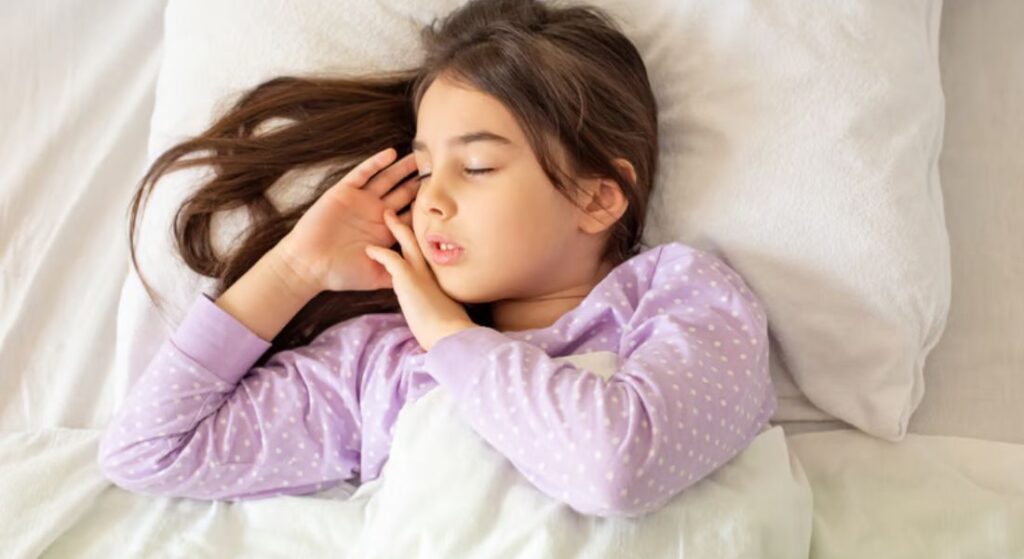
Hay fever can significantly affect your child’s sleep, particularly when symptoms are not well controlled. A blocked nose, persistent itching, coughing, or irritated eyes can make it difficult for your child to fall asleep and stay comfortable throughout the night. As a result, sleep quality may suffer during the pollen season.
Poor sleep can have a noticeable impact on your child’s daily life. Your child may seem more tired than usual, become irritable, struggle to concentrate at school, or find it harder to take part in normal activities. These effects can sometimes be just as challenging as the allergy symptoms themselves.
If hay fever is regularly disrupting your child’s sleep, it may be worth reviewing their treatment plan with a healthcare professional. Effective hay fever management should aim to improve your child’s overall quality of life, not simply reduce individual symptoms. Better symptom control can often lead to better sleep and improved daytime wellbeing.
Hay Fever and School Performance
Hay fever can affect much more than your child’s nose and eyes. If your child is constantly sneezing, dealing with itchy eyes, sleeping poorly, or struggling with nasal congestion, concentrating in the classroom can become more difficult. These symptoms may make learning and staying focused throughout the school day more challenging.
Some children also feel embarrassed about their symptoms. Your child may feel self-conscious about frequently using tissues, rubbing their eyes, or having visibly red and watery eyes. This can sometimes affect confidence during lessons, sports activities, exams, and social interactions with other children.
It is helpful for your child’s school to be aware of any significant allergies and the treatment they may require during the day. Good communication can help teachers understand why your child may occasionally struggle with concentration or participation during pollen season. With the right support, your child can often manage their symptoms while continuing to perform well at school.
Research Insight:
Research into paediatric allergic rhinitis has linked poorly controlled symptoms with sleep disturbance, daytime tiredness, reduced concentration and disruption to school performance.
For your child, the practical message is that persistent symptoms during pollen season deserve attention even when they do not appear medically severe. A child who is sleeping badly, feeling tired or struggling to concentrate may need their allergy control reviewed rather than simply being expected to tolerate the symptoms until pollen season ends.
Hay Fever and Asthma

Hay fever and asthma often occur together, and one condition can influence the other. If your child has asthma, poorly controlled hay fever may make respiratory symptoms more difficult to manage. Ensuring that both conditions are appropriately assessed and managed can support better overall symptom control during the pollen season.
You may notice that your child develops more coughing, wheezing, chest tightness, or an increased need for their reliever inhaler when pollen levels are high. These symptoms should be discussed with your child’s asthma team, as they may indicate that adjustments to the asthma management plan are needed. It is important not to assume that all respiratory symptoms are caused by hay fever alone.
If your child experiences significant breathing difficulty, severe wheezing, trouble speaking, unusual drowsiness, or any signs of a serious asthma attack, urgent medical attention is required. Hay fever treatment can support symptom control, but it should never replace your child’s prescribed asthma care. Both conditions should be managed together to help keep your child as healthy and comfortable as possible.
Can Hay Fever Affect Sport and Outdoor Activities?
Hay fever can make sport and outdoor activities more challenging for some children, particularly during periods of high pollen levels. Your child may experience symptoms such as itchy eyes, a blocked nose, coughing, or tiredness, which can affect comfort and performance. These symptoms may make outdoor exercise feel more difficult than usual.
However, hay fever does not necessarily mean your child has to stop taking part in sport or outdoor play. With good symptom control, appropriate treatment, and some practical planning, many children can continue enjoying their favourite activities. Taking steps to reduce pollen exposure can also help minimise discomfort.
If your child’s symptoms regularly interfere with exercise, it is worth discussing this with their clinician. This is especially important if your child develops coughing, wheezing, or breathlessness during activity, as asthma may also need to be considered. A proper assessment can help ensure your child receives the most appropriate support and treatment.
When Standard Treatment Does Not Work
If your child is using hay fever treatment correctly but continues to experience significant symptoms, it may be time for a further review. Ongoing problems can occur for several reasons, including incorrect medication technique, insufficient treatment, exposure to a different allergen, or another condition that is causing similar symptoms. Identifying the underlying reason is important for improving symptom control.
During an assessment, a clinician may review your child’s symptoms, confirm the diagnosis, and check that medicines are being used correctly. They may also consider whether allergy testing, additional treatments, or referral to a specialist would be helpful. A thorough review can often identify changes that make treatment more effective.
Severe hay fever symptoms should not simply be accepted as an unavoidable part of the season. If your child’s sleep, school attendance, concentration, sporting activities, or emotional wellbeing are being affected, further support is appropriate. Seeking additional advice can help ensure your child receives the care needed to manage symptoms more successfully.
When Immunotherapy May Be Considered
Allergen immunotherapy is a specialist treatment that may be considered for some children with significant allergic disease. The treatment involves carefully controlled exposure to a specific allergen over time, with the aim of changing how your child’s immune system responds. The aim is to reduce allergic symptoms and medication needs over time in appropriately selected patients, rather than only treating symptoms when they occur.
Most children with hay fever do not need immunotherapy, as standard treatments are often effective. However, it may be considered if your child has severe symptoms, a clearly identified allergen trigger, and ongoing difficulties despite appropriate treatment. In these situations, a specialist may assess whether immunotherapy could be beneficial.
The decision to use immunotherapy requires careful evaluation by an experienced allergy specialist. Your child’s age, allergy pattern, asthma control, treatment history, and overall health will all be taken into account. A thorough assessment helps determine whether this type of treatment is suitable and safe for your child.
Supporting Younger Children With Hay Fever
Younger children may find it difficult to explain exactly how they are feeling when hay fever symptoms develop. Instead of telling you that their eyes itch or their nose feels blocked, your child may rub their face frequently, sniff often, sleep poorly, or become more irritable than usual. Paying attention to these signs can help you recognise symptoms early.
Managing treatment can sometimes be challenging with younger children. Your child may be reluctant to use nasal sprays, eye drops, or take medication, particularly if they are unfamiliar with the treatment. Establishing a calm routine and using simple, reassuring explanations can help make the process less stressful for both of you.
It is important not to assume that medicines intended for adults are suitable for children. Age restrictions and dosing instructions vary between products, and giving the wrong dose can be unsafe. Before starting treatment, you should always check with a pharmacist or doctor to ensure it is appropriate for your child’s age and needs.
Helping Older Children Manage Their Symptoms
As your child gets older, they can begin to take a more active role in managing their hay fever. They may learn to recognise the early signs of symptoms, understand when to use their medication, and adopt habits that help reduce discomfort. Encouraging this awareness can help your child feel more confident in managing their condition.
Teenagers sometimes stop using treatment when symptoms improve or because they feel uncomfortable taking medication around friends. However, inconsistent use can make symptoms more difficult to control during the pollen season. Helping your child understand why regular treatment is important can support better long-term symptom management.
While increasing independence is valuable, your child may still need guidance and support. You can help by checking that medications are available, discussing any changes in symptoms, and planning ahead for school trips, holidays, or outdoor activities. This balanced approach allows your child to build confidence while still receiving the support they need.
Preparing for Holidays and Travel
Hay fever symptoms can sometimes change when your family travels. Different regions have different pollen seasons and plant species, which means your child may be exposed to allergens that are less common at home. As a result, symptoms may improve, worsen, or appear at different times than you would normally expect.
Before travelling, make sure you have enough of your child’s usual medications to last throughout the trip. It is also sensible to keep medicines easily accessible during travel rather than packing everything in checked luggage. Being prepared can help you manage symptoms quickly if they arise.
When choosing accommodation, it may be worth considering other allergy triggers as well. While hay fever is related to pollen, allergens such as dust mites, pet dander, and mould can also contribute to nasal and eye symptoms in sensitive children. Taking these factors into account may help keep your child more comfortable during the holiday.
Common Mistakes Parents Can Avoid
You can help your child get the best results from hay fever treatment by avoiding some common mistakes. Starting treatment too late or using medication inconsistently can reduce effectiveness. Many treatments work best when used regularly and as directed.
- Delaying Treatment: Waiting until symptoms are severe can make hay fever harder to control.
- Inconsistent Medication Use: Skipping doses or using medication irregularly may make it seem ineffective.
- Incorrect Nasal Spray Technique: Even daily use won’t help if the spray isn’t applied correctly; ask a professional to demonstrate if unsure.
- Assuming All Symptoms Are Hay Fever: Blocked noses or other breathing issues outside pollen season may indicate another condition, so a medical assessment can help identify the cause.
Overall, timely, consistent treatment and proper technique can make a big difference. Being aware of these common mistakes helps your child manage symptoms more effectively and comfortably.
When to Seek Medical Advice

You should consider seeking medical advice if your child’s hay fever symptoms remain poorly controlled despite using appropriate treatments from a pharmacy. Ongoing sleep disruption, difficulties at school, severe eye symptoms, or worsening asthma can all indicate that further assessment is needed. A review can help ensure your child receives the most effective treatment plan.
Medical evaluation is also important if you are unsure whether hay fever is the correct diagnosis. Your child may have another condition, such as asthma, sinus problems, enlarged adenoids, or a different allergy that is contributing to their symptoms. Identifying the underlying cause is essential for appropriate management.
Urgent medical attention should be sought if your child develops breathing difficulties, severe wheezing, swelling that affects breathing, unusual drowsiness, or signs of a serious allergic reaction. These symptoms require prompt assessment and should not be treated as routine hay fever. Acting quickly can help ensure your child receives the care they need.
When Specialist Allergy Assessment May Help
A specialist allergy assessment may be helpful if your child’s symptoms are severe, persistent, difficult to control, or do not fit a clear pattern. It can also be useful when several allergies appear to be involved or when standard treatments have not provided enough relief. In these situations, a more detailed evaluation may help identify the underlying causes.
During the assessment, a specialist will review your child’s medical history, symptom patterns, and any other allergic conditions such as asthma, eczema, or food allergies. Understanding how symptoms change throughout the year can provide important clues about potential triggers. This comprehensive approach helps create a more personalised management plan.
Additional testing may sometimes be recommended if it is likely to influence treatment decisions. The aim is not simply to identify positive test results, but to understand which allergens are genuinely contributing to your child’s symptoms. This information can help guide treatment and improve long-term symptom control.
Myth vs Fact:
| Myth | Fact |
| Hay fever is just a mild runny nose. | Poorly controlled allergic rhinitis can affect sleep, concentration, school attendance and quality of life. |
| Antibiotics can treat severe hay fever. | Hay fever is an allergic condition, not a bacterial infection. |
| Children should stay indoors throughout pollen season. | The goal is good symptom control and sensible exposure reduction, not unnecessary restriction of normal childhood activity. |
| A positive allergy test proves the cause of symptoms. | Test results need to match the child’s real symptom history and exposure pattern. |
| Nasal sprays work immediately and can be stopped after one dose. | Some nasal treatments work best with regular, correct use and may take time to reach their full benefit. |
| Every child with severe symptoms needs immunotherapy. | Immunotherapy is a specialist, allergen-specific option for selected patients. |
Key Takeaways:
- Hay fever is a pollen-triggered form of seasonal allergic rhinitis that commonly causes sneezing, itching, a clear runny or blocked nose and eye symptoms.
- Allergic rhinitis affects an estimated 10–15% of children in the UK and can affect sleep, school attendance and quality of life.
- A repeated seasonal pattern can provide an important clue, but persistent nasal symptoms may also have other causes.
- Allergy testing is most useful when the result will influence management and should always be interpreted alongside the child’s actual symptoms.
- Treatment may include age-appropriate antihistamines, nasal sprays and eye drops depending on the symptom pattern.
- Correct nasal spray technique and consistent use are important when intranasal treatment has been recommended.
- Pollen reduction strategies can support symptom control but should be used alongside treatment rather than forcing a child to avoid normal outdoor life.
- Hay fever and asthma frequently coexist, so increased coughing, wheezing, chest tightness or reliever use during pollen season should be discussed with the child’s asthma team.
- Immunotherapy is a specialist, allergen-specific treatment for selected children rather than a routine treatment for all cases.
- Urgent breathing difficulty, severe wheezing, unusual drowsiness or swelling affecting breathing should not be treated as routine hay fever.
FAQs:
1. What are the most common hay fever symptoms in children?
Hay fever commonly causes sneezing, a runny or blocked nose, and itchy, watery eyes. Some children also experience an itchy throat, headaches, tiredness, and difficulty concentrating. Symptoms often become worse during pollen season or after spending time outdoors.
2. How can hay fever be distinguished from a common cold?
Hay fever symptoms can continue for weeks or months during pollen season, while a cold usually improves within a short period. Itchy eyes and nose are more typical of hay fever. Symptoms that return at the same time each year may also suggest an allergy rather than an infection.
3. Which types of pollen commonly trigger hay fever in children?
Tree, grass, and weed pollens are among the most common triggers. Different pollens are present at different times of the year, which can influence when symptoms occur. Identifying the likely trigger can help with treatment planning and prevention strategies.
4. Can hay fever affect a child’s sleep?
Yes, nasal congestion, itching, and eye irritation can make it difficult for children to sleep comfortably. Poor sleep may lead to tiredness, irritability, and reduced concentration during the day. Effective symptom control can often improve sleep quality.
5. What treatments are available for hay fever in children?
Treatment may include antihistamines, nasal sprays, and allergy eye drops. The most suitable option depends on the child’s age, symptoms, and medical history. A healthcare professional can advise on the most appropriate treatment approach for your child’s age, symptoms and medical history.
6. How can pollen exposure be reduced during hay fever season?
Checking pollen forecasts, changing clothes after outdoor activities, and washing pollen from the skin and hair can help reduce exposure. Keeping windows closed during high-pollen periods may also be beneficial. These measures are most effective when combined with appropriate treatment.
7. Can hay fever make asthma symptoms worse?
Yes, hay fever and asthma often occur together. Poorly controlled allergic rhinitis can coexist with worsening asthma symptoms during pollen season, so increased cough, wheeze or breathlessness should be reviewed appropriately. Children with asthma should have both conditions managed appropriately.
8. Can hay fever affect school performance?
Hay fever can affect concentration, learning, and classroom participation. Symptoms such as poor sleep, nasal congestion, and itchy eyes may make it harder for children to focus. Effective management can help minimise disruption to school life.
9. When should medical advice be sought for hay fever symptoms?
Medical advice should be sought if symptoms remain troublesome despite treatment or are affecting sleep, school, or daily activities. Review may also be needed if the diagnosis is unclear. A healthcare professional can assess whether treatment adjustments are required.
10. When might allergy testing or specialist assessment be recommended?
Specialist assessment may be considered when symptoms are severe, difficult to control, or the trigger is uncertain. Allergy testing can sometimes help identify the allergens involved. Results are interpreted alongside symptoms to guide long-term management.
Final Thoughts: Helping Your Child Manage Hay Fever
Hay fever can affect many aspects of your child’s daily life, from school attendance and sleep quality to participation in sports and social activities. Early assessment and appropriate management can help identify triggers, reduce symptoms, and improve your child’s overall wellbeing. Understanding the cause of allergic reactions is often the first step towards creating an effective treatment and avoidance plan.
If you are looking for a children’s allergy clinic in London, you can contact London Paediatric Clinic to discuss your child’s hay fever symptoms, possible triggers and the most appropriate treatment options.
References:
- British Society for Allergy and Clinical Immunology (BSACI) (2017) BSACI guideline for the diagnosis and management of allergic and non-allergic rhinitis. Available at: https://www.bsaci.org/guidelines-and-standards/bsaci-guidelines/rhinitis-2017-update/
- National Institute for Health and Care Excellence (NICE) (2024) Allergic rhinitis. Clinical Knowledge Summary. Available at: https://cks.nice.org.uk/topics/allergic-rhinitis/
- NHS (2024) Hay fever. Available at: https://www.nhs.uk/conditions/hay-fever/
- Goniotakis, I., Perikleous, E., Fouzas, S., Steiropoulos, P. and Paraskakis, E. (2023) ‘A Clinical Approach of Allergic Rhinitis in Children’, Children, 10(9), 1571. Available at: https://www.mdpi.com/2227-9067/10/9/1571
- Tomé, M. and Lourenço, O. (2023) ‘Avoidance Measures for Patients with Allergic Rhinitis: A Scoping Review’, Children, 10(2), 300. Available at: https://www.mdpi.com/2227-9067/10/2/300
- Alamri, R.A., Aljabri, G.H., Tahlawi, R. and Aljabri, H.A. (2022) ‘Immunotherapy in the Treatment of Allergic Rhinitis in Children’, Cureus, 14(12), e32464. Available at: https://pmc.ncbi.nlm.nih.gov/articles/PMC9834958/
- Licari, A. et al. (2023) ‘Epidemiology of Allergic Rhinitis in Children: A Systematic Review and Meta-Analysis’, Journal of Allergy and Clinical Immunology: In Practice, 11(8), pp. 2547–2556. Available at: https://pubmed.ncbi.nlm.nih.gov/37236349/
- D’Elia, C., Gozal, D., Bruni, O., Goudouris, E. and Meira e Cruz, M. (2022) ‘Allergic Rhinitis and Sleep Disorders in Children: Coexistence and Reciprocal Interactions’, Jornal de Pediatria, 98(5), pp. 444–454. Available at: https://www.sciencedirect.com/science/article/pii/S0021755721001765