



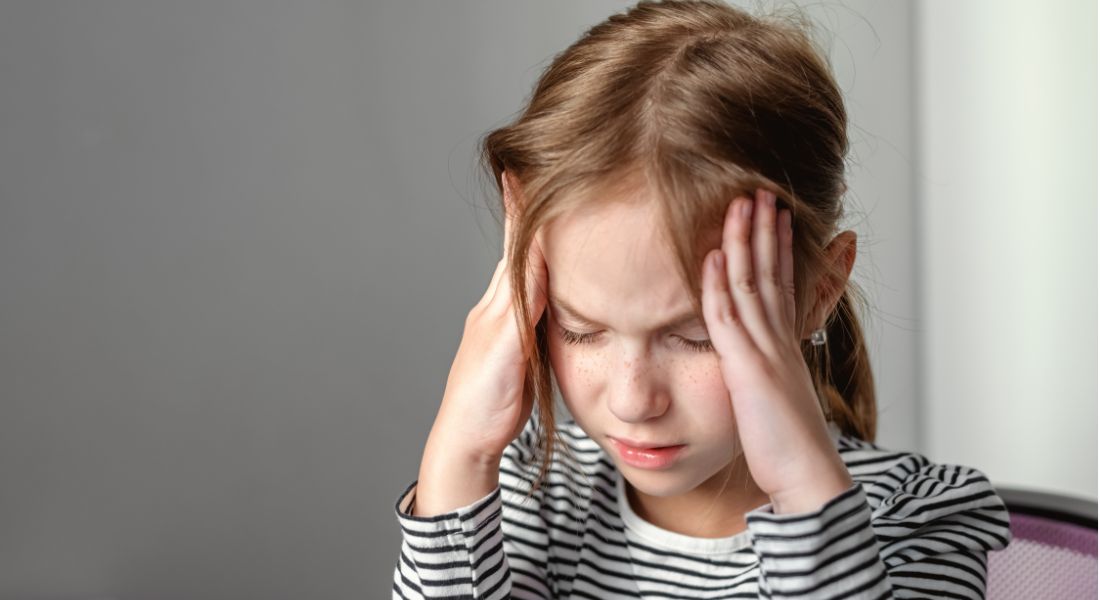
When your child starts complaining of repeated headaches, it is natural to wonder what might be causing them. You may notice that headaches appear after school, during busy weeks, after poor sleep, or when your child has missed meals or not had enough fluids. These patterns can provide useful clues when trying to understand what may be contributing to the problem.
Tension-type headaches are a recognised primary headache disorder in children and young people. The pain is often described as pressure, tightness or a constant ache rather than the throbbing pain that is commonly associated with migraine.
Occasional tension headaches may improve with rest, hydration, and simple changes to daily routines. However, repeated headaches can affect concentration, school, mood, and family activities, so it is important to look at the wider pattern rather than simply managing each episode as it happens.
Understanding possible triggers, recognising symptoms, and knowing when to seek medical advice can help you support your child more confidently. With the right approach, many children can learn to manage headaches while continuing their normal activities.
What Is a Tension Headache?
A tension-type headache is a primary headache disorder, meaning the headache itself is the main condition rather than a symptom of another underlying illness. It is one of the common headache patterns considered in children and young people.
The pain is often described as pressing, tightening, or feeling like a band around the head. You may notice that it affects both sides of the head and is usually mild to moderate rather than severe or disabling.
Your child may still be able to walk, talk, eat, or take part in some normal activities during an episode. However, frequent headaches can still affect concentration, schoolwork, mood, and family life, so ongoing symptoms should be discussed with a healthcare professional.
Are Tension Headaches Common in Children?
Tension-type headache is a recognised and common form of primary headache in children. It is one of the headache patterns that doctors may consider when assessing children and young people with recurring headaches.
You may notice that these headaches happen occasionally or become more frequent and disruptive over time. In some children, symptoms can overlap with migraine, especially when headaches occur regularly or become chronic.
This is why it is important not to identify the headache type based on one symptom alone. A healthcare professional will consider the overall pattern, including symptoms, frequency, triggers, and how the headaches affect your child’s daily life.
What Does a Tension Headache Feel Like?
A child with a tension-type headache may describe a feeling of pressure around the forehead, temples, back of the head, or neck. Some children explain it as a tight or squeezing sensation around their head rather than a sharp pain.
Younger children may not have the words to describe exactly what they are feeling. They may simply say that their whole head hurts, making it harder to tell whether the pain feels like pressure, aching, or something else.
Your observations can provide helpful information. You can notice whether your child continues normal activities, whether movement affects the pain, and whether symptoms such as nausea, vomiting, or sensitivity to light are present.
How Tension Headaches Differ From Migraine
Tension-type headaches and migraine are both common primary headache disorders, but they often have different patterns. Tension-type headaches are usually described as a pressing or tightening feeling, while migraine may involve a pulsating pain that becomes worse with normal activity.
You may notice that migraine is more likely to include symptoms such as nausea, vomiting, or sensitivity to light and sound. These features are less typical of a straightforward tension-type headache, although symptoms can vary between children.
Headaches do not always fit neatly into one category. A doctor may need to look at the full history and several headache episodes before the pattern becomes clear and the most appropriate advice can be given.
Tension Headache and Migraine Compared
The table below shows some typical differences. It is a guide rather than a way to diagnose your child at home.
| Feature | Tension-Type Headache | Migraine |
| Pain quality | Pressing, tightening or aching | Often throbbing or pulsating |
| Location | Commonly affects both sides | May affect one or both sides in children |
| Activity | Usually not worsened by ordinary movement | Ordinary activity may make symptoms worse |
| Severity | Often mild to moderate | Can be moderate to severe |
| Nausea | Usually absent | May be present |
| Light or sound sensitivity | Usually absent or limited | More commonly associated with attacks |
| Behaviour | Child may continue some activities | Child may stop activity and seek rest or darkness |
NICE recommends diagnosing headache type from the pattern of features rather than relying on a single characteristic.
How Long Can a Tension Headache Last?
Tension-type headaches can last from around 30 minutes to several hours or longer. In chronic forms, symptoms may occur on many days each month or persist for prolonged periods. The duration can vary depending on the child and the individual headache episode.
You may notice that a brief headache after a busy or tiring day feels very different from a headache that occurs regularly or lasts most days. Understanding how often headaches happen and how long they last is an important part of the assessment.
Try to record the duration of each headache rather than relying on memory weeks later. A simple note of when the headache starts and finishes can help you identify whether the pattern is changing over time.
What Causes Tension Headaches in Children?
There is not always one clear cause of tension-type headaches in children. These headaches are often linked with a combination of factors rather than one single trigger.
You may notice that factors such as stress, missed meals, dehydration, changes in routine, posture, or visual problems occur around the same time as your child’s headaches. These factors may contribute to the wider headache pattern, but diagnosis should be based on the complete clinical picture rather than a single assumed trigger.
Instead of focusing only on what causes tension headaches, it can be more helpful to look for repeated patterns. Keeping track of when headaches happen and what was going on beforehand may help you and your child’s healthcare professional understand the possible triggers.
Stress and Emotional Pressure
Stress can be an important factor in some childhood headache patterns. Schoolwork, exams, friendship difficulties, bullying, family changes, and general worries can all affect how your child feels physically and emotionally.
This does not mean the headache is imaginary or “just stress”. You may find that approaches such as relaxation techniques, emotional support, and stress management strategies help alongside appropriate headache care.
Try to have calm conversations with your child rather than asking if they are stressed every time a headache happens. Talking about school, friendships, and daily pressures can help you understand what they are experiencing without making them feel blamed.
School Pressure and Studying
School pressure and studying can sometimes be linked with headaches, especially during busy periods such as exams or revision. Long periods of concentration may happen alongside late nights, missed meals, reduced fluid intake, and emotional pressure.
You may notice that the combination of these factors has more impact than one issue alone. For example, a child who studies for long periods, skips meals, drinks very little, and sleeps late may have several possible contributors affecting their headache pattern.
Encourage realistic study breaks, regular meals, and a balanced routine. If headaches are leading to school avoidance, repeated absence, or significant distress, it is important to arrange a medical review.
Anxiety and Tension Headaches
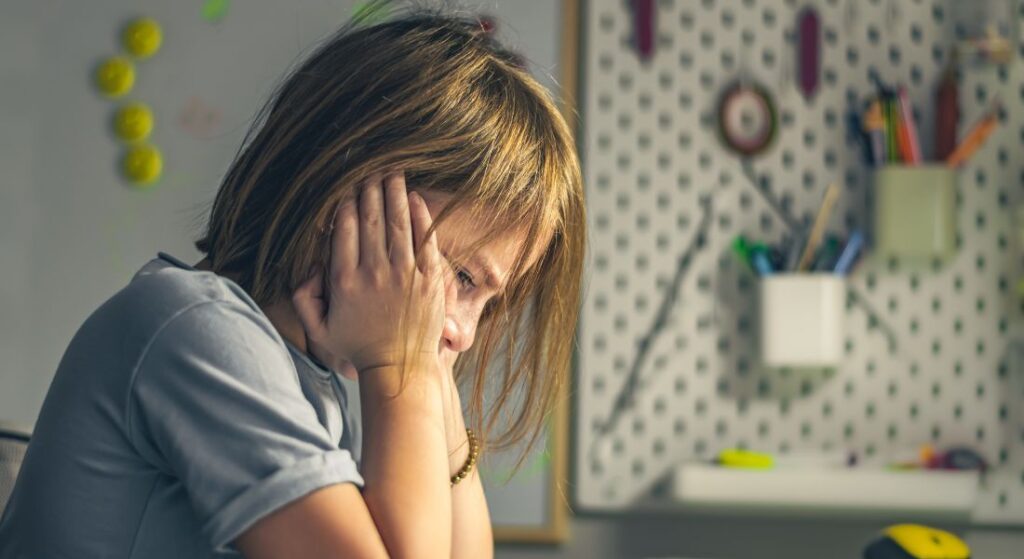
Anxiety can contribute to headache patterns in some children and teenagers. During periods of worry, your child may unknowingly tighten their shoulders, jaw, or neck, or experience changes in sleep that make headaches more noticeable.
Managing headaches may involve looking at both physical and emotional factors. You can support your child by recognising signs of stress and creating opportunities for them to talk about worries. Support with relaxation, routines, or emotional wellbeing may be helpful when anxiety is affecting daily life.
However, it is important not to assume anxiety is the only cause of your child’s headaches. A proper assessment can help consider both physical symptoms and emotional wellbeing to understand the full picture.
Poor Sleep and Headaches
Sleep problems can contribute to recurring headaches in some children. Your child may be going to bed late, waking during the night, or having large changes in their sleep schedule between school days and weekends.
You can help by encouraging a more consistent bedtime and waking routine. Good sleep habits are commonly included in paediatric headache advice because regular rest can support overall wellbeing.
Look at the whole sleep pattern rather than only the number of hours spent in bed. If your child remains very tired, snores heavily, or has unusual night-time symptoms despite getting enough sleep, mention this during the medical assessment.
Missed Meals and Irregular Eating
Skipping meals can contribute to headaches in some children. Irregular eating patterns are recognised as a possible headache factor, and maintaining regular meals can be a helpful part of everyday headache management.
Breakfast and school lunch are common times when eating routines can become disrupted. You may find that your child says they have eaten, but they may have only had a small amount or missed the meal because they were busy or distracted.
Focus on creating a consistent eating routine rather than immediately removing specific foods from your child’s diet. With tension-type headaches, regular meal patterns may be more important than blaming one ingredient unless there is a clear and repeated link.
Dehydration and Headaches
Not drinking enough fluids can contribute to headaches in some children. Mild dehydration can happen during school, sport, hot weather, or long journeys, especially when children are busy and do not notice they need a drink.
You can encourage regular drinking throughout the day rather than waiting until a headache has already started. Keeping a water bottle available and building hydration into your child’s routine can make it easier to maintain.
While dehydration can be a trigger, it is not the only possible cause of repeated headaches. If your child’s headaches continue despite good fluid intake, it is worth looking at the wider pattern with a healthcare professional.
Posture and Muscle Tension
Poor posture may contribute to some headache patterns, especially when your child spends long periods studying, reading, or using devices in the same position. Staying still for too long can sometimes lead to tension around the neck and shoulder area.
You can look at your child’s daily routine and encourage simple changes, such as regular movement breaks and a comfortable study position. These small adjustments may help reduce strain, particularly during long periods of concentration.
However, not every headache is caused by posture alone. If your child’s headaches continue, become more frequent, or worsen over time, they should be assessed to understand the wider pattern.
Screens and Visual Strain
Screens are often blamed for childhood headaches, but the connection is not always straightforward. Long periods of close focus, poor lighting, limited breaks and tiredness can all contribute to discomfort and often occur together.
You may want to look at the overall pattern rather than focusing only on screen time. NHS headache information lists eyesight problems among possible causes of headache. If your child is squinting, reporting blurred vision or struggling to see clearly at school, an eye assessment may be appropriate.
Teeth Grinding and Jaw Tension
Some children clench their jaw or grind their teeth, especially during sleep or times of stress. This can sometimes be linked with jaw discomfort or contribute to symptoms around the head and face.
You may notice signs such as morning jaw soreness, tooth wear, clicking sounds, or a feeling of tightness around the face. If these symptoms are present, mention them to a healthcare or dental professional so they can be assessed properly.
Avoid assuming that jaw tension is definitely the cause of your child’s headaches or using devices without professional advice. A complete headache assessment should still consider the wider pattern of symptoms and possible contributing factors.
Colds, Flu and Other Illnesses
A headache during a viral illness is not always a tension-type headache. Colds, flu, and other infections can commonly cause temporary headaches in children.
If your child has symptoms such as fever, tiredness, a sore throat, cough, or reduced appetite, the headache may be part of the wider illness. In most cases, it should improve as your child recovers from the infection.
However, a severe headache with concerning symptoms such as increasing drowsiness, confusion, neck stiffness, or signs that your child is seriously unwell needs urgent medical assessment. Seek advice promptly if the symptoms seem unusual or are getting worse.
Medication-Overuse Headache
Frequent use of pain-relieving medicines can sometimes contribute to increasingly regular headaches. This is known as medication-overuse headache and can make an existing headache pattern more difficult to manage.
If your child is needing pain relief repeatedly each week, keep a record of how often it is being used and discuss this with a healthcare professional. Do not increase the dose or frequency without medical advice.
A review can help determine whether medicine use is contributing to the headache pattern and create a safer long-term management plan.
How Tension Headaches Are Diagnosed
There is no single blood test or scan that confirms tension-type headache. Diagnosis is usually based on your child’s headache history, symptom pattern, and findings from a clinical examination.
The doctor will ask about where the pain occurs, what it feels like, how long it lasts, and whether everyday movement affects it. You may also be asked about symptoms such as nausea, vomiting, light sensitivity, or other features that could suggest a different type of headache.
The assessment will also look for any warning signs that may need further investigation or urgent referral. This helps ensure your child receives the most appropriate advice and support for their individual symptoms.
What Happens During a Paediatric Assessment?
The appointment usually starts with a detailed discussion about your child’s headaches, including when they began and whether the pattern has changed over time. Understanding the full history helps the paediatrician build a clearer picture of what may be happening.
You may be asked about areas such as school, sleep, hydration, meals, stress, exercise, eyesight, and any medicines your child uses. Family history can also be useful, particularly if migraine or recurrent headaches affect close relatives.
The paediatrician may carry out a physical and neurological examination. For recurrent headaches, NICE recommends performing or arranging fundoscopy to examine the back of the eyes, as well as measuring blood pressure and checking it against reference ranges adjusted for the child’s age and height.
Does Your Child Need a Brain Scan?
Children with a typical primary headache pattern and no concerning features do not automatically need brain imaging. A detailed assessment of symptoms, medical history, and examination findings usually helps the doctor decide whether further tests are needed.
You may feel reassured by the idea of a scan, but investigations are generally considered when there are warning signs, abnormal examination findings, or uncertainty about the diagnosis. The decision is based on your child’s individual situation rather than the presence of headaches alone.
A careful clinical assessment is an important part of understanding your child’s symptoms. The focus is on finding the right approach for your child rather than requesting tests that may not provide useful information.
Evidence Note:
Research and clinical guidance support using a detailed headache history, physical examination and neurological examination as the foundation of assessment. For parents, this means that repeated headaches do not automatically indicate that a child needs a brain scan. Further investigation is usually guided by changes in the headache pattern, neurological examination findings, warning signs and diagnostic uncertainty.
Myth vs Fact
| Myth | Fact |
| Tension headaches only affect adults. | Tension-type headache is a recognised primary headache disorder in children and adolescents. |
| Stress-related headaches are not real. | Stress and emotional pressures can genuinely influence headache patterns and deserve appropriate support. |
| Every recurrent headache requires a brain scan. | Imaging decisions depend on the clinical history, examination findings and presence of warning signs. |
| Tension headaches and migraine are always easy to distinguish. | Symptoms can overlap in children, so diagnosis depends on the complete headache pattern. |
| Pain medicine can be used as often as needed. | Frequent use of acute headache medicines can contribute to medication-overuse headache. |
Why a Headache Diary Can Help
A headache diary can help you spot patterns that may not be obvious from day to day. It can show whether headaches are linked with things such as school days, missed meals, poor sleep, or stressful events.
Keeping a record of timing, symptoms, possible triggers, and any medicines used can provide useful information during a medical review. These details can help the doctor understand your child’s headache pattern more clearly.
You do not need a complicated system to keep track of headaches. A simple notebook, calendar, or phone note can be enough to record the information that matters most.
What to Record in a Headache Diary
A useful diary focuses on information that may help with diagnosis and management.
| What to Record | Why It Helps |
| Date and start time | Shows patterns across school days, weekends and holidays |
| Duration | Helps identify the type and burden of headache |
| Pain location | Records whether pain affects one or both sides |
| Pain description | Helps distinguish pressure, tightness and throbbing patterns |
| Severity | Shows whether headaches are becoming more disruptive |
| Other symptoms | Records nausea, vomiting, visual changes or light sensitivity |
| Sleep | May reveal links with late nights or poor sleep |
| Meals and fluids | Shows whether headaches follow skipped meals or low fluid intake |
| School or emotional events | May reveal links with stress |
| Medicine taken | Helps assess frequency and response |
| Effect on activities | Shows whether school, sport or family life is being affected |
Take the diary to appointments. A consistent record can be more useful than trying to remember several weeks of headaches during a short consultation.
Managing an Occasional Tension Headache at Home
When your child has an occasional mild headache without warning signs, simple measures such as rest, fluids, and regular meals may help. These small steps can often provide comfort while the headache settles.
A quiet break from the activity they were doing may also be useful, especially if tiredness or stress has contributed. You can encourage your child to relax, drink water, and return to normal activities when they feel comfortable.
The aim is not to make your child stop everything whenever a mild headache occurs. Helping them listen to their body and adjust activities based on how they feel can support confidence and independence.
Pain Relief for Tension Headaches
Paracetamol or ibuprofen may help some children with tension-type headaches when used at the correct age-appropriate dose. You should check that the medicine is suitable for your child and follow the recommended instructions unless a doctor or pharmacist has advised otherwise.
For older children and teenagers, treatment options may vary depending on their age, symptoms, and medical history. Some medicines are not suitable for younger children, so it is important to seek professional advice before using any treatment regularly.
Pain relief can be useful for occasional headaches, but it should not become the only long-term approach when headaches are frequent. If your child regularly needs medicine for headaches, a medical review can help identify the cause and discuss safer management options.
Building a Regular Daily Routine
For children with repeated headaches, small improvements to daily routines are often more practical than making many big changes at once. A consistent routine can support overall health and may help reduce some common headache triggers.
Encourage regular meals, enough fluids, consistent sleep, and normal physical activity where possible. These simple habits are commonly included as part of managing childhood headaches and can become easier to maintain over time.
Try not to introduce too many new rules at once. Making gradual changes can help your child feel supported rather than feeling responsible for their headaches.
Relaxation and Stress Management
Relaxation approaches can be helpful for children whose headaches are linked with stress or muscle tension. Simple techniques such as breathing exercises, relaxation activities, or other calming routines may support better headache management.
You can help your child by introducing small, practical habits that fit into daily life. Some children benefit from simple routines, while others may need more structured emotional or psychological support depending on their needs.
The right approach will vary from one child to another. Understanding what works best for your child can help reduce the impact of headaches and support their overall wellbeing.
Physical Activity and Headache Prevention
Regular age-appropriate activity can support your child’s overall health and is often part of headache self-care advice. Staying active when your child feels well can help maintain healthy routines and confidence.
Encourage normal sport, play, and physical activities rather than allowing fear of headaches to limit everyday life. You can support your child by helping them find a balance between staying active and recognising when they need to rest.
However, new, severe, or consistently exercise-triggered headaches should be assessed by a healthcare professional. These symptoms may need a closer review to understand the cause.
Tension Headaches and School
Repeated headaches can affect your child’s concentration even when the pain is not severe enough to keep them away from school. Some children may find it harder to complete work, become more irritable, or need extra breaks during the day.
Teachers may notice patterns that are not always obvious at home. You can speak with the school to understand whether headaches occur at particular times, during certain lessons, or around tests and other stressful situations.
If headaches are becoming regular, working together with the school can help identify possible triggers and provide suitable support. A clearer understanding of the pattern can also help when discussing your child’s symptoms with a healthcare professional.
Supporting Your Child During Exams
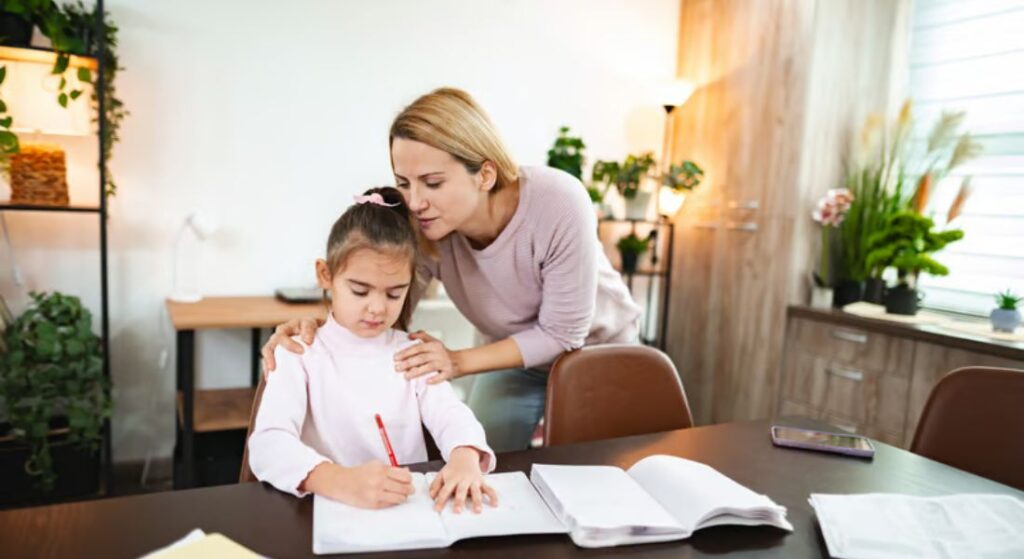
Exam periods can bring together several factors that may contribute to headaches, including stress, poor sleep, missed meals, and long periods of concentration. These changes in routine can make headaches more noticeable for some children.
Help your child create a balanced study routine with regular breaks and enough time for rest. Encourage consistent meals and sleep rather than allowing late-night revision to replace healthy habits.
If headaches are becoming frequent enough to affect your child’s attendance, concentration, or exam performance, seek medical advice. It is important not to assume that exams are the only cause without considering the full pattern of symptoms.
Helping Your Child Talk About Stress
Some children may not describe themselves as stressed because they associate the word with feeling unable to cope. You may get a clearer understanding by asking about specific areas of their daily life instead.
Ask your child whether school feels manageable, how friendships are going, and whether anything has changed recently. Gentle conversations can make it easier for your child to share worries without feeling pressured.
Emotional factors can be relevant when assessing childhood headaches. Considering stress, bullying, learning difficulties, and family pressures can help you and the doctor understand the wider picture behind your child’s symptoms.
When Headaches Affect Confidence
Repeated headaches can affect your child’s confidence and make them worry about school trips, sleepovers, or activities away from home. Some children may become concerned about having a headache when a parent or familiar adult is not nearby.
A clear plan can help your child feel more prepared. They should know when to tell an adult, what simple steps may help, and when any prescribed medicine can be used as advised.
Try not to let headaches become the focus of every conversation. Support your child and encourage normal activities while avoiding constant checks about whether their head hurts. A balanced approach can help build confidence.
Warning Signs That Need Urgent Assessment
Most tension-type headaches are not emergencies, but some symptoms need urgent medical assessment. A headache should not simply be assumed to be tension-type if there are unusual features or a significant change in pattern.
If your child is under 12 and their headache wakes them at night, is present on awakening, progressively worsens or is triggered or aggravated by coughing, sneezing or bending down, arrange same-day medical assessment. Other warning signs include vomiting, balance problems, changes in awareness, or unusual sleepiness.
A recent significant head injury, new neurological symptoms, or a child who appears seriously unwell also requires urgent attention. Do not wait for a routine headache appointment if you are concerned about these signs. Early assessment can help ensure your child receives the right care.
UK Guideline Note:
In children under 12, NICE recommends immediate referral for same-day assessment according to local pathways when headache occurs with recognised red-flag features. These include headache that wakes the child at night, is present on awakening, progressively worsens, is triggered or aggravated by coughing, sneezing or bending down, or occurs with fever and features of meningism, vomiting, ataxia, altered consciousness, pervasive lethargy, recent head injury, squint or failure of upward gaze. NICE also recommends urgent neurological assessment for all children under 4 years who present with headache.
UK Safety-Net Note:
Seek urgent medical help if your child develops a sudden severe or rapidly worsening headache, becomes confused or difficult to wake, has a seizure, develops new weakness, serious balance problems or other new neurological symptoms, or appears seriously unwell. A severe headache with fever, neck stiffness, unusual drowsiness or other signs of serious infection also needs urgent assessment. Trust your judgement and seek prompt help if your child is deteriorating.
When to See a GP
Arrange a GP review when your child’s headaches keep coming back, are becoming more frequent, or are affecting everyday activities. A consultation can help you understand the headache pattern and whether further assessment or treatment is needed.
You should also seek advice if you are unsure about the type of headache your child is experiencing or if they are regularly needing pain medicine. This can help prevent ongoing symptoms from becoming harder to manage.
If possible, bring a headache diary with you. A simple record of symptoms, timing, and possible triggers can help you and the doctor have a more focused discussion.
When to See a Paediatrician

A paediatric review may be helpful when headaches continue despite simple measures or when the cause is still unclear. You may also consider seeking advice if headaches are affecting your child’s sleep, school attendance, concentration, exercise, or family activities.
A specialist assessment can provide a clearer understanding of your child’s symptoms and help identify the most suitable management approach. This can be especially useful when different headache patterns appear to overlap.
You should also seek medical advice if your child’s headaches are changing over time or becoming more difficult to manage. A careful review can help you understand the pattern and decide on the right next steps.
When Neurology Assessment May Be Needed
Some children may need a paediatric neurology assessment if there are warning signs, unusual neurological symptoms, abnormal examination findings, or uncertainty about the diagnosis. A specialist review can help provide a clearer understanding of the headache pattern.
Specialist headache services can support children with different headache disorders, including tension-type headache, migraine, and medication-overuse headache. These services can help with diagnosis and creating a more tailored management plan.
A referral to neurology does not automatically mean that something serious has been found. In many cases, it simply means your child’s headaches need a more detailed assessment or specialist advice.
Preparing for Your Child’s Appointment
Bring a record of your child’s headaches and any medicines they use to the appointment. Include both prescribed and non-prescription pain relief, along with how often it is taken. This information can help the doctor understand the overall pattern.
Note when the headaches usually happen and what your child is doing when they begin. You may find it helpful to record sleep, school routines, emotional factors, and any other symptoms that occur alongside the headache.
Information from school can also be useful if teachers have noticed patterns. This may help, especially when headaches seem to happen more often during school days or affect your child’s concentration and activities.
Helping Your Child Manage Headaches Without Fear

Repeated headaches can feel worrying for your child, especially when they do not understand why they are happening. Explain the condition in simple language that matches your child’s age and level of understanding.
Reassure your child that their headaches are real and that there are ways to manage them. You can help them understand that recognising patterns and following a clear plan can make headaches feel more manageable.
Encourage your child to tell you or another trusted adult when a headache starts. At the same time, avoid making them focus on every small sensation throughout the day. A calm and supportive approach can help your child feel more confident.
Can Tension Headaches Improve Over Time?
Headache patterns can change as children grow. Some children experience occasional tension headaches that become less frequent over time, while others may need ongoing support if headaches continue regularly.
The outlook depends on your child’s symptoms, daily routines, and any factors that may be contributing to their headaches. Regular review can help ensure that the management approach remains suitable if the pattern changes.
The aim is not always to make every headache disappear completely. Instead, the focus is on reducing how often headaches occur, limiting their impact, and helping your child continue with normal activities.
A Practical Plan for Parents
Start by observing your child’s headache pattern rather than trying to guess the cause. A simple diary can help you track factors such as sleep, meals, fluids, school, stress, and medicine use. Over time, these details may reveal useful patterns.
Make changes gradually and focus on realistic routines. Encourage regular meals, good hydration, appropriate activity, and open conversations rather than creating strict rules around headaches. A balanced approach is often easier for your child and family to maintain.
You should seek medical advice if headaches are frequent, becoming worse, affecting daily activities, or linked with unusual symptoms. Early assessment can provide reassurance, identify possible causes, and help create a suitable management plan.
Key Takeaways
- Tension-type headaches commonly cause pressing, tightening or aching pain rather than severe throbbing pain.
- The pain often affects both sides of the head and may allow your child to continue some normal activities.
- Tension-type headache and migraine can overlap, so diagnosis should consider the full pattern rather than one symptom.
- Stress, poor sleep, missed meals, low fluid intake and changes in routine may contribute to headache patterns in some children.
- A headache diary can help identify timing, frequency, possible triggers, medicine use and impact on daily activities.
- Repeated headaches do not automatically mean your child needs a brain scan.
- Frequent use of pain-relieving medicine can contribute to medication-overuse headache.
- Headaches affecting school, sleep, sport or everyday family life deserve medical review.
- Red-flag symptoms, significant neurological changes or rapid deterioration need urgent assessment.
Frequently Asked Questions
1. What is a tension headache in children?
A tension-type headache is a primary headache disorder in which pain is commonly described as pressing, tightening or aching and is usually mild to moderate.
2. How common are tension headaches in children?
Tension-type headaches are a recognised and common headache disorder in children and young people. Some children experience occasional episodes, while others may develop more frequent headaches that affect school, concentration and daily activities.
3. What does a tension headache feel like for a child?
A child may describe a tension headache as pressure, tightness or aching around the forehead, temples, back of the head or neck. Younger children may simply say their whole head hurts because they find it difficult to describe the sensation.
4. What causes tension headaches in children?
Possible contributing factors may include stress, anxiety, poor sleep, missed meals, low fluid intake, long periods of concentration and other aspects of your child’s daily routine. More than one factor may be involved, so repeated patterns are usually more useful than assuming one single cause.
5. How can the difference between a tension headache and a migraine be identified?
Tension headaches are usually pressing or tightening and often affect both sides of the head. Migraines are more likely to cause moderate to severe pain, nausea, vomiting, sensitivity to light or sound and a need to rest.
6. Can stress cause tension headaches in children?
Yes. Emotional pressure from school, exams, friendships, family changes or anxiety can contribute to headache patterns. This does not mean the pain is imaginary, as stress can have genuine physical effects on the body.
7. Can screen time cause tension headaches in children?
Long periods of screen use may contribute to headaches in some children, especially when combined with tiredness, poor posture, limited breaks or eye strain. However, screens are not necessarily the main cause of recurring headaches.
8. How are tension headaches diagnosed in children?
Diagnosis is usually based on the child’s symptoms, headache pattern, medical history and physical examination. There is no specific blood test or scan that confirms a tension headache.
9. How can tension headaches be prevented in children?
Regular sleep, balanced meals, good hydration, physical activity, study breaks and managing stress can help reduce headache frequency. Keeping a headache diary can also help identify patterns and triggers.
10. When should a child be taken to see a doctor for tension headaches?
Arrange a medical review if your child’s headaches are frequent, becoming worse, affecting school or daily activities, or requiring repeated pain relief. For children under 12, NICE recommends same-day assessment for specific red flags, including headache that wakes them at night, is present on awakening, progressively worsens or occurs with vomiting, ataxia or changes in consciousness.
Final Thoughts: Helping Your Child Find Relief From Tension Headaches
Tension headaches in children can be influenced by several factors, including stress, sleep patterns, hydration, meals and daily routines. While occasional headaches may improve with simple lifestyle adjustments, recurring or disruptive headaches should be assessed to understand the underlying pattern and provide appropriate support.
By recognising your child’s symptoms, keeping track of possible triggers and seeking medical advice when needed, you can help your child manage headaches with greater confidence. If you are looking for support with headaches in children, you can contact London Paediatric Clinic to arrange a consultation and discuss your child’s needs.
References:
- National Institute for Health and Care Excellence (NICE) (2019, updated 2023) Suspected neurological conditions: recognition and referral. NICE guideline NG127. Available at: https://www.nice.org.uk/guidance/ng127
- National Institute for Health and Care Excellence (NICE) (2012, updated 2025) Headaches in over 12s: diagnosis and management. Clinical guideline CG150. Available at: https://www.nice.org.uk/guidance/cg150
- Genizi, J. et al. (2021) ‘Outcomes of Migraine and Tension-Type Headache in Children and Adolescents’, Life, 11(7), 684. Available at: https://www.mdpi.com/2075-1729/11/7/684
- Monteith, T.S. and Sprenger, T. (2010) ‘Tension Type Headache in Adolescence and Childhood: Where Are We Now?’, Current Pain and Headache Reports, 14(6), pp.424–430. Available at: https://pmc.ncbi.nlm.nih.gov/articles/PMC2964486/
- Szperka, C. (2021) ‘Headache in Children and Adolescents’, Continuum, 27(3), pp.703–731. Available at: https://pmc.ncbi.nlm.nih.gov/articles/PMC9455826/
- Anttila, P. (2006) ‘Tension-Type Headache in Childhood and Adolescence’, The Lancet Neurology, 5(3), pp.268–274. Available at: https://www.sciencedirect.com/science/article/abs/pii/S1474442206703763