




When you research your child’s care, you may see organisations such as RCPCH and specialist paediatric societies. You may also see their names in clinic profiles or medical guidance.
The RCPCH supports paediatric training and standards, while the GMC regulates doctors in the UK. Knowing the difference can help you understand the professionals caring for your child.
What Is a Paediatric Professional Body?
You may find professional bodies confusing because each has a different role. When you research your child’s care, you may see the RCPCH supporting paediatric training while the GMC regulates doctors.
| Organisation type | Main role |
| Medical royal college | Education, training, examinations, professional standards, policy and specialty development |
| Statutory regulator | Registration, professional standards, education oversight and action when serious professional concerns arise |
| Specialist paediatric society | Education, research, specialist guidance, professional collaboration and development within a particular field |
| Multidisciplinary professional association | Brings together doctors and other professionals involved in a specific area of child health |
You may also see specialist societies covering areas such as neurology or gastroenterology. When checking your paediatrician’s professional background, remember that society membership is different from GMC registration or inclusion on the Specialist Register.
What Is the Royal College of Paediatrics and Child Health?
The Royal College of Paediatrics and Child Health (RCPCH) is the main medical royal college for paediatrics in the UK. You may see the RCPCH mentioned in information about your paediatrician’s training, professional guidance or clinic background.
The RCPCH supports paediatric training, examinations, research and healthcare standards. For you as a parent, understanding its role can help you know more about the professional standards your child’s paediatrician works towards.
What Role Does the RCPCH Play in Training Paediatricians?
When you choose a paediatrician for your child, you may want to understand their training. The RCPCH develops the paediatric training curriculum, assessments and educational standards that support doctors as they progress through specialist training.
Since August 2023, UK paediatric specialty training has used the RCPCH Progress+ curriculum. It covers 11 curriculum domains, including areas such as communication, procedures, leadership and team working, helping trainees demonstrate broader clinical and professional skills rather than simply completing a list of conditions or procedures.
Paediatric specialty training includes broad experience in children’s healthcare before some doctors undertake more focused subspecialty or special-interest training. This means specialist expertise develops alongside a wider understanding of paediatric medicine.
Does the RCPCH Set Clinical Standards as Well as Training Standards?
Yes. The RCPCH’s role extends beyond paediatric training to areas such as clinical standards, research, audit and patient safety. You may also benefit from evidence-based resources that help improve children’s healthcare.
The RCPCH also supports workforce planning and advocates for children’s health across the UK. This work can influence how paediatric services are planned, developed and delivered across the UK.
Is the General Medical Council a Paediatric Organisation?

The GMC is not a paediatric organisation, but it regulates doctors who care for your child. When you check your paediatrician’s registration, you can use the GMC register to confirm their current registration and whether they are included on the Specialist Register.
You can search the GMC register using a doctor’s name or GMC reference number. The register shows their current registration status, and you can specifically check whether they appear on the Specialist Register rather than relying only on qualifications or memberships listed on a clinic website.
The RCPCH supports your paediatrician’s specialist training, while the GMC sets regulatory requirements for doctors. You can therefore think of the RCPCH as the professional body for paediatrics and the GMC as the regulator for doctors in the UK.
UK Guidance Note
The RCPCH and GMC have different responsibilities. The RCPCH develops paediatric education, curricula, examinations and professional resources, while the GMC is the statutory regulator responsible for medical registration and professional standards across the UK. The GMC register can also show whether a doctor is included on the Specialist Register and the specialties recorded against their name. Professional society membership is separate from GMC registration and does not itself provide regulatory status.
Why Are There So Many Specialist Paediatric Societies?
Your child may need different specialists depending on their health needs. You may therefore come across societies supporting areas such as neurology, cardiology or gastroenterology.
These societies help your child’s healthcare team share knowledge and improve specialist care. You may also work with nurses, pharmacists or therapists as part of your child’s wider care team.
What Is the British Paediatric Neurology Association?
The British Paediatric Neurology Association (BPNA) supports professionals who care for children with neurological conditions. If your child is referred for neurological care, you may see BPNA resources mentioned in information about conditions such as epilepsy, headaches or movement disorders.
The BPNA provides specialist professional education through short courses and distance-learning programmes covering areas such as epilepsy, neonatal neurology, headache, neuromuscular disorders and acute neurology. Its Paediatric Epilepsy Training programme is one example of how a specialist society can turn current neurological knowledge into structured education for professionals caring for children with epilepsy.
What Is BSPGHAN?
BSPGHAN stands for the British Society of Paediatric Gastroenterology, Hepatology and Nutrition. For digestive, liver or nutritional conditions, you may see BSPGHAN mentioned in specialist resources or professional guidance.
BSPGHAN supports education, training, research and quality improvement in paediatric care. For example, BSPGHAN has specialist working groups covering areas such as inflammatory bowel disease, coeliac disease, endoscopy, eosinophilic oesophagitis, pancreatitis and nutrition and intestinal failure. This helps explain why you may see BSPGHAN resources linked to quite specific digestive or nutritional conditions rather than only general paediatric gastroenterology. Your child’s healthcare team may draw on specialist guidance, education, research and professional standards developed within this field, while care may involve several different healthcare professionals.
What Is the British Association of Perinatal Medicine?
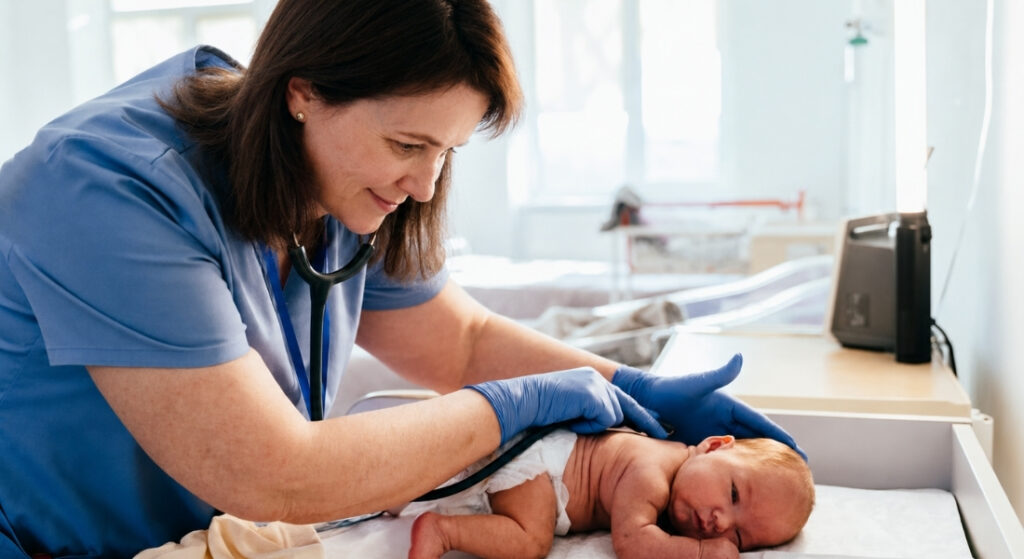
The British Association of Perinatal Medicine (BAPM) is a professional organisation focused on improving the quality and safety of perinatal and neonatal care. If your baby needs neonatal or perinatal care, you may see BAPM frameworks or resources mentioned when learning about the service providing their care.
BAPM develops professional frameworks and quality standards and supports education, networking, quality improvement, research and innovation in perinatal care. Examples include BAPM frameworks covering neonatal hypoglycaemia, family-integrated neonatal care, extreme preterm birth and the transition of babies with complex or long-term needs from neonatal to paediatric services. These resources show how a professional body can influence practical areas of neonatal care, from recognising clinical risks to organising services and supporting families. Your baby’s healthcare team may use BAPM frameworks to support neonatal and perinatal care, while you can use its resources to better understand the care your baby receives.
What Is the British Society for Paediatric Endocrinology and Diabetes?
The British Society for Paediatric Endocrinology and Diabetes (BSPED) supports professionals caring for children with hormonal conditions and diabetes. If your child has concerns involving growth, puberty or diabetes, you may see BSPED mentioned in specialist information, professional resources or guidance.
BSPED supports training, education, research and evidence-based guidance in this specialist area. Your child’s healthcare team may use this knowledge to guide your child’s treatment, while you can better understand the specialist care your child receives.
What Is the British Association for Community Child Health?
Not all your child’s paediatric care happens in a hospital. If your child’s health affects their development, education, disability or daily life, you may come across community paediatrics and the British Association for Community Child Health (BACCH).
BACCH supports doctors and other professionals working in community child health, including those caring for children with developmental disorders, disabilities, complex behavioural needs and safeguarding or other vulnerabilities. Your child’s care may involve doctors, therapists and other services, so you may see a wider team working together to support your child’s health and development.
Are There Professional Organisations for Other Paediatric Specialties?
Yes. You may come across many other organisations covering areas such as respiratory medicine, cardiology, neurology, oncology and rheumatology. When you research your child’s care, you may see different societies depending on your child’s condition and the specialist you need.
You should remember that professional membership alone does not confirm a doctor’s qualifications. When choosing care for your child, you can check their GMC registration, specialist training and relevant clinical experience as well as their professional memberships.
How Do These Organisations Support Continuing Professional Development?

Your paediatrician’s learning does not stop once they become a consultant, because children’s healthcare continues to develop over time. Professional organisations help doctors keep their knowledge and skills up to date so you can benefit from care that reflects current standards and evidence.
- Courses and Training: Your paediatrician can attend professional courses to strengthen existing skills and learn about new areas of children’s healthcare.
- Conferences and Events: Specialist meetings allow your paediatrician to hear about new research, treatments and developments in clinical practice.
- Clinical Guidance: Professional bodies provide updated guidance and resources that can support decisions about your child’s assessment and treatment.
- Specialist Learning: Paediatric societies help doctors develop deeper knowledge in areas such as neurology, gastroenterology, endocrinology or neonatal care.
- Professional Collaboration: Your paediatrician can share knowledge and experience with other healthcare professionals through professional networks and specialist groups.
Continuing professional development helps your paediatrician stay informed as medical knowledge and clinical practice change. For you and your child, this means their care can be supported by current guidance, ongoing learning and specialist professional experience.
How Do Paediatric Associations Support Research?
Research can improve how childhood conditions are understood, diagnosed and treated. When you research your child’s care, you may see organisations such as BSPGHAN, BPNA, BAPM and RCPCH supporting studies and collaboration between healthcare teams.
For less common childhood conditions, research involving several hospitals or specialist centres can help build stronger evidence than one service could produce alone. You may benefit from this work as new research can lead to better treatments, guidance and children’s healthcare services.
What Do These Organisations Mean When You Are Choosing a Paediatrician?
When you research your child’s paediatrician, you may see memberships of the RCPCH or specialist societies. Professional memberships can help you understand a doctor’s interests and professional involvement, but you should also check their current GMC registration and any relevant Specialist Register information.
If your child needs specialist care, you should consider whether the paediatrician’s training and experience match your child’s needs. You can also look at their clinical experience and specialist involvement rather than relying only on professional memberships.
Do Professional Societies Produce Clinical Guidance and Standards?

Specialist societies such as BSPED, BSPGHAN and BAPM may publish guidance, standards, frameworks or professional resources relevant to particular areas of child health. These organisations can provide your child’s healthcare team with evidence-based guidance, standards and practical resources for specific areas of paediatric care.
You should remember that professional guidance is not the same as legal regulation. Your paediatrician uses this guidance alongside your child’s symptoms, medical history and individual needs, so you may not always see the same treatment used for every child.
Clinical Tip
If you are checking a paediatrician’s professional background, start with the GMC register rather than relying only on memberships listed on a clinic profile. Check that the doctor’s registration is current, look at any Specialist Register information shown and then consider whether their training and clinical experience are relevant to your child’s needs. Membership of the RCPCH or a specialist society can provide useful additional context, but it should not be treated as proof of specialist registration on its own.
Myth vs Fact
| Myth | Fact |
| Membership of the RCPCH means a doctor is registered as a paediatric specialist. | No. RCPCH membership and GMC registration are separate. Specialist registration should be checked on the GMC register. |
| Every paediatric professional organisation regulates doctors. | No. The GMC is the statutory regulator, while royal colleges and specialist societies mainly support education, standards, research and professional development. |
| Belonging to several specialist societies automatically proves clinical expertise. | No. Membership may show professional interest or involvement, but qualifications, specialist registration and relevant clinical experience also matter. |
| Guidance from a specialist society is the same as a legal requirement. | No. Professional guidance can support clinical practice, but regulation and legal responsibilities are separate. |
| A specialist society replaces your child’s own healthcare team. | No. These organisations support professionals through education, research and guidance; they do not provide individual diagnosis or treatment for your child. |
Key Takeaways
- The RCPCH is the main UK medical royal college for paediatrics and supports training, examinations, standards, research and child-health policy.
- The GMC has a different role as the statutory regulator and maintains registers of doctors in the UK.
- Specialist paediatric societies support education, research, guidance and collaboration within particular fields of child health.
- Professional society membership is not the same as GMC registration or specialist registration.
- Organisations such as BPNA, BSPGHAN, BSPED, BAPM and BACCH focus on different areas of paediatric and child healthcare.
- When checking a paediatrician’s background, consider GMC registration, specialist status, relevant training and clinical experience rather than relying on memberships alone.
Frequently Asked Questions
1. What is a paediatric professional body?
You may come across professional bodies when researching your child’s healthcare. These organisations have different roles, such as supporting paediatric training, setting professional standards, promoting research or developing specialist knowledge.
2. What is the role of the RCPCH in your child’s healthcare?
The Royal College of Paediatrics and Child Health (RCPCH) supports paediatric training, examinations, research and healthcare standards. When you research your child’s care, you may see the RCPCH mentioned in relation to your paediatrician’s training or professional guidance.
3. Is the GMC the same as the RCPCH?
No. The RCPCH supports paediatric training and professional development, while the General Medical Council (GMC) regulates doctors in the UK. You can use the GMC register to check your paediatrician’s current registration and whether they are included on the Specialist Register.
4. Why might your child’s doctor belong to a specialist paediatric society?
Your child may need specialist care for conditions involving areas such as neurology, gastroenterology or endocrinology. You may therefore see your doctor involved with a specialist society that supports education, research, guidance and professional collaboration in that field.
5. What does the British Paediatric Neurology Association do?
The British Paediatric Neurology Association (BPNA) supports professionals caring for children with neurological conditions. If your child needs neurological care, you may come across the BPNA through information about conditions such as epilepsy, headaches or movement disorders.
6. What is BSPGHAN and how can it relate to your child?
BSPGHAN supports professionals working in paediatric gastroenterology, hepatology and nutrition. If your child has digestive, liver or nutritional problems, you may come across this organisation when researching their specialist care.
7. What is BSPED?
The British Society for Paediatric Endocrinology and Diabetes (BSPED) supports professionals caring for children with hormonal conditions and diabetes. You may come across BSPED when researching concerns involving your child’s growth, puberty or diabetes.
8. Do professional paediatric organisations provide clinical guidelines?
Some do. You may come across evidence-based guidance, standards or professional resources from specialist organisations when researching your child’s condition. Your paediatrician uses professional guidance alongside your child’s symptoms, medical history and individual needs, so the same approach may not be suitable for every child.
9. Does membership of a paediatric organisation prove your doctor’s qualifications?
No. You should not rely on professional membership alone when choosing care for your child. You can also check your paediatrician’s GMC registration, relevant Specialist Register information, clinical experience and specialist training.
10. What should you check when choosing a paediatrician?
You can check your paediatrician’s current GMC registration, relevant Specialist Register information, clinical experience and training. If your child needs specialist care, you should also consider whether their experience matches your child’s particular healthcare needs.
Final Thoughts: Choosing the Right Paediatric Care
Professional paediatric organisations support training, research and standards in children’s healthcare. Understanding their roles can help you assess a paediatrician’s qualifications, registration and specialist experience.
If you’re considering a paediatrician in London, you can get in touch with us at London Paediatric Clinic.
References:
- Royal College of Paediatrics and Child Health (RCPCH) (no date) About RCPCH. Available at: https://www.rcpch.ac.uk/about-us
- General Medical Council (GMC) (no date) Our registers. Available at: https://www.gmc-uk.org/registration-and-licensing/our-registers
- British Paediatric Neurology Association (BPNA) (no date) About us. Available at: https://bpna.org.uk/?page=about-us
- British Society of Paediatric Gastroenterology, Hepatology and Nutrition (BSPGHAN) (no date) About BSPGHAN. Available at: https://bspghan.org.uk/about-bspghan/
- British Society for Paediatric Endocrinology and Diabetes (BSPED) (no date) About the British Society for Paediatric Endocrinology and Diabetes. Available at: https://www.bsped.org.uk/about/about-the-bsped/
- British Association of Perinatal Medicine (BAPM) (no date) British Association of Perinatal Medicine. Available at: https://www.bapm.org/
- British Association for Community Child Health (BACCH) (no date) About. Available at: https://www.bacch.org.uk/pages/about