




Childhood asthma treatment has changed a lot over the years, and you may already be familiar with inhalers, spacers, and regular reviews. Still, you might be wondering what’s new and how care is improving. The focus is now shifting towards more personalised treatment for your child.
Instead of treating every child the same way, doctors now look more closely at patterns such as triggers, symptoms, and inflammation. They may also consider allergy links, inhaler technique, and how your child responds to treatment. This helps build a clearer picture of your child’s asthma.
You don’t need to worry that this means more complicated care for every child. Most children can still be managed well with standard inhalers, good technique, and regular check-ups. You may notice that simple steps still make the biggest difference in daily control.
These newer advances are mainly there to help doctors identify children who need extra support. They also help improve diagnosis and guide treatment when asthma is more difficult to control. The goal is always to make your child’s care more accurate and effective.
Why Childhood Asthma Treatment Is Changing
Childhood asthma is not the same for every child, which is why treatment is changing. One child may only wheeze during colds, while another might cough at night or struggle during exercise. Some children have symptoms that are strongly linked to allergies, showing how different asthma can look in each case.
Because of this variation, doctors are now focusing more on personalised care. They look closely at symptom patterns, triggers, age, inflammation, allergies, lung function, and how often flare-ups occur. This helps build a clearer understanding of your child’s specific type of asthma.
This approach matters because treatment should match your child’s needs, not follow a one-size-fits-all plan. A child with mild, occasional symptoms will not need the same level of treatment as a child with frequent attacks. Personalised care helps ensure your child gets the right treatment at the right time.
Better Understanding of Asthma Types
One of the biggest advances in asthma care is a better understanding of the different types of asthma. This approach helps doctors move away from a one-size-fits-all treatment model.
In simple terms, it means looking at what kind of asthma your child may have. It could be allergy-related, viral-triggered, exercise-induced, eosinophilic, or non-allergic asthma. In many children, it may also be linked with conditions such as eczema or hay fever.
This helps guide treatment in a more focused way. A child with strong allergy triggers may need a different plan compared to a child whose symptoms mainly appear during winter viral infections. It allows care to be more tailored and effective for your child.
More Accurate Diagnosis
Diagnosing asthma in children isn’t always straightforward, especially in babies and preschool-aged children. Some young children wheeze during viral infections but never develop long-term asthma. This is why doctors take time to assess symptoms carefully before making a diagnosis.
Modern asthma care focuses on making the diagnosis as accurate as possible. Your doctor may ask detailed questions about your child’s symptoms, triggers, sleep, exercise, allergies, family history, and previous response to inhalers. This helps reduce the risk of both underdiagnosis and overdiagnosis.
For older children, additional tests may also be used to support the diagnosis. By looking at the full picture, your healthcare team can decide whether your child’s symptoms are caused by asthma or another condition.
UK Guideline Note:
In the UK, childhood asthma diagnosis and long-term treatment should follow recognised guidance such as the BTS/NICE/SIGN asthma guideline. This guidance supports a structured approach using symptoms, clinical assessment and objective tests where appropriate, including FeNO, spirometry and peak flow monitoring in children who are old enough to perform them reliably. In younger children, diagnosis may take time, so regular review remains important.
FeNO Testing
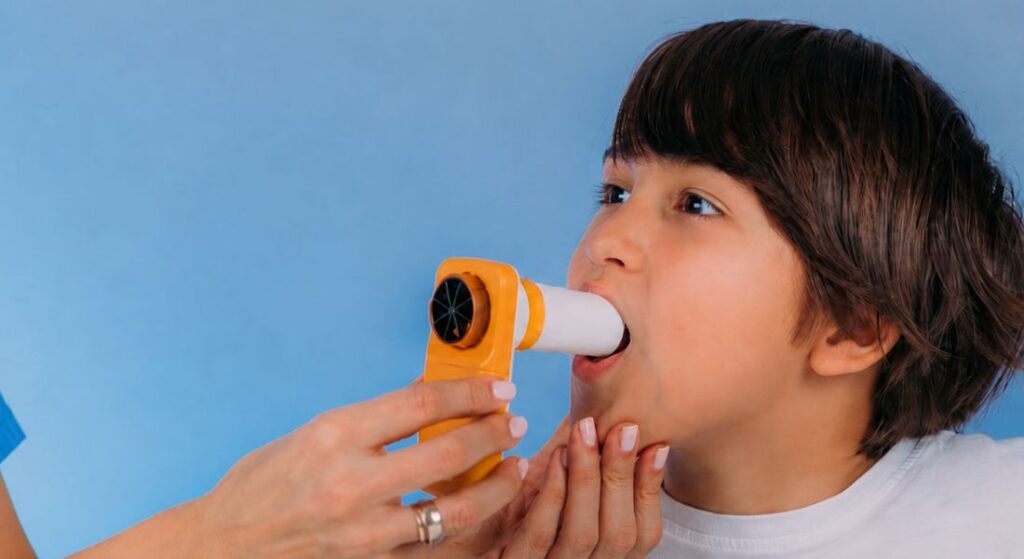
FeNO testing is becoming an increasingly important part of structured asthma assessment in children. FeNO stands for fractional exhaled nitric oxide. The test provides information about certain patterns of airway inflammation and can support asthma diagnosis and treatment decisions when interpreted alongside your child’s symptoms and other assessments. The test is quick, simple, and involves your child breathing into a small device.
The results can help doctors understand whether airway inflammation is contributing to your child’s symptoms. They may also indicate whether your child is likely to respond well to inhaled corticosteroid treatment. This information can support treatment decisions in some cases.
FeNO testing cannot diagnose asthma on its own and isn’t needed for every child. Your healthcare team will use it alongside symptoms, examination, and other tests to build a clearer picture of your child’s asthma.
Spirometry and Lung Function Testing
Spirometry is a breathing test that measures how much air your child can blow out and how quickly they can do it. It can help show whether the airways are narrowed. In some children, spirometry may be done before and after a reliever inhaler.
If lung function improves significantly after a bronchodilator, this can provide evidence supporting an asthma diagnosis. Younger children may not be able to perform spirometry reliably, so it is usually more useful in school-age children and teenagers. Even then, results need to be interpreted alongside the full clinical picture.
Peak Flow Monitoring
Peak flow monitoring measures how well air moves out of your child’s lungs. In some cases, your healthcare team may ask you to use a peak flow meter at home to monitor asthma over time. This can help identify changes that aren’t always obvious from symptoms alone.
It can be particularly useful if your child’s symptoms come and go or if readings need to be compared when they are well and during a flare-up. Older children may also learn to recognise early signs that their asthma is getting worse. This can help with earlier treatment when needed.
Peak flow monitoring isn’t suitable for every child, as it depends on age and being able to use the device correctly. If your child needs one, your healthcare team will show you exactly how to use it and interpret the readings.
Allergy Testing and Asthma
Allergy testing may be recommended if your child’s symptoms appear to be associated with relevant allergens such as pollen, house dust mites, pets or mould. If there is a separate history suggesting food allergy, your clinician may assess this through an allergy-focused history and appropriate testing.
Your child may have a skin prick test or a blood test, depending on their symptoms and the specialist’s advice. The goal is to identify relevant allergies rather than test for everything. This helps keep the assessment focused and meaningful.
A positive allergy test doesn’t always mean that allergy is causing your child’s asthma symptoms. Your healthcare team will compare the results with your child’s symptoms and medical history. This ensures any treatment or advice is based on the full picture.
Biomarkers and Personalised Asthma Care
Biomarkers are measurable signs that help doctors understand your child’s asthma in more detail. These may include FeNO, blood eosinophils, allergy markers, and other signs of inflammation. They can provide useful information when planning treatment.
These tests are most helpful if your child’s asthma is severe or difficult to control. They can help specialists identify which children may benefit from advanced treatments, including biologic therapies. This allows care to be more personalised.
However, biomarkers are only one part of the picture. Your child’s symptoms, asthma attacks, inhaler use, and everyday wellbeing are equally important. Your healthcare team will consider all of these factors before deciding on the most suitable treatment.
Improved Inhaler Strategies
Asthma treatment isn’t just about choosing the right medicine. It’s also important that your child can use their inhaler correctly so the medication reaches the lungs effectively. Even the most effective treatment may not work as expected if the inhaler technique isn’t right.
Modern asthma care places much more emphasis on choosing the right inhaler device for each child. Your child’s age, coordination, confidence, and ability to use a spacer are all taken into account before deciding which device is most suitable. This helps make treatment easier and more effective.
Matching the inhaler to your child’s needs is a simple but important step in asthma care. A device that’s easy to use is more likely to be used correctly and consistently. Regular reviews also give you the chance to check technique and make changes if needed.
Spacers Still Matter
A spacer is a device that attaches to a metered-dose inhaler and helps your child breathe in the medicine more effectively. It makes it easier for the medication to reach the lungs, especially if using an inhaler correctly is difficult. For many children, a spacer is an important part of successful asthma treatment.
Younger children often use a spacer with a face mask, while older children can usually use a mouthpiece instead. The right option depends on your child’s age and how confidently they can use their inhaler. Your healthcare team can show you the correct technique and make sure the device is suitable.
Even if your child has been using a spacer for years, it’s worth checking their technique regularly. Small changes in how the inhaler or spacer is used can reduce the amount of medicine reaching the lungs. Regular reviews help you keep the treatment working as effectively as possible.
Moving Away From Reliever-Only Thinking
Asthma care has moved away from relying only on quick-relief inhalers to manage symptoms. While reliever inhalers can provide fast relief, they do not treat the underlying inflammation that causes asthma. That’s why modern treatment focuses on managing both symptoms and inflammation.
If your child needs a preventer inhaler, using it regularly is an important part of keeping asthma under control. Taking preventer treatment consistently can reduce the risk of flare-ups and help improve long-term asthma control. Your healthcare team will explain how it fits into your child’s treatment plan.
It’s also important to understand the difference between a reliever and a preventer inhaler. A reliever works quickly when symptoms appear, while a preventer helps reduce inflammation and lowers the chance of future asthma attacks. Knowing when and how to use each one can make a real difference to your child’s asthma management.
AIR and MART Approaches
You may hear newer terms such as AIR therapy or MART. AIR means anti-inflammatory reliever therapy, while MART means maintenance and reliever therapy. These approaches use an inhaler that contains an inhaled corticosteroid and formoterol in specific situations.
The idea is that symptom relief is linked with anti-inflammatory treatment, rather than using a reliever alone. These approaches are not suitable for every child and depend on age, diagnosis, inhaler type, licensing and clinical judgement. Your child should only use an AIR or MART plan if it has been specifically prescribed and explained by their healthcare professional.
Treatment Advances by Age Group
Asthma treatment is becoming more personalised, and your child’s age plays an important role in deciding the best approach. A treatment that works well for a teenager may not be suitable for a younger child. As your child grows, their asthma care should be reviewed and adjusted to meet their changing needs.
In children under five, diagnosing asthma can be more challenging, so doctors may recommend a treatment trial followed by regular reviews. For children aged five to eleven, treatment often begins with a preventer inhaler containing inhaled corticosteroids, with changes made according to symptom control and inhaler technique. Regular follow-up helps ensure the treatment remains effective.
As children move into adolescence, treatment options may change according to their age, asthma control and ability to use a particular inhaler correctly. For young people aged 12 and over, UK guidance includes anti-inflammatory reliever approaches using suitable ICS-formoterol inhalers, while MART may also be used in appropriate treatment pathways. Any change should be prescribed and explained by the healthcare professional managing your child’s asthma.
Preventer Treatment Is Still Central
Even with the latest advances in asthma treatment, preventer inhalers remain the foundation of care for many children. These inhalers contain corticosteroids that help reduce inflammation in the airways and lower the risk of asthma symptoms and attacks. For most children, they continue to be the most effective long-term treatment.
It’s natural to have concerns about steroid inhalers, and you may wonder whether they are safe for your child. Inhaled corticosteroids are usually prescribed at carefully selected doses, and your child’s doctor will monitor their growth, symptoms, and any possible side effects. Regular reviews help ensure the treatment remains appropriate.
The goal is always to use the lowest dose that keeps your child’s asthma well controlled. You don’t want your child taking more medicine than necessary, but it’s equally important that their asthma is not left undertreated. Finding the right balance helps keep symptoms under control while supporting your child’s overall health.
Add-On Medicines

Some children may need additional medicines if their asthma is not well controlled with standard preventer inhalers alone. These can include leukotriene receptor antagonists, long-acting bronchodilators, or other add-on treatments. The aim is to improve asthma control when the usual treatment is not enough.
These medicines are not suitable for every child and are only considered in certain situations. Before adding another treatment, your healthcare team will check that your child is using their inhaler correctly, taking their medication regularly, and following their asthma management plan. Getting these basics right can often make a significant difference.
Your doctor will also look for other factors that could be making asthma harder to control. These may include allergies, smoke exposure, mould, or even another condition causing similar symptoms. By identifying these issues first, you can avoid unnecessary medication and make sure your child receives the most appropriate treatment.
Biologic Therapies
Biologic therapies are one of the biggest advances in the treatment of severe childhood asthma. These medicines are designed to target specific parts of the immune system that contribute to ongoing asthma inflammation. Unlike standard inhalers, biologics work in a more precise way for selected children.
Biologics are usually given by injection and are only considered if your child continues to have severe symptoms or frequent asthma attacks despite receiving the best standard treatment. They are not used for mild or well-controlled asthma. Before recommending a biologic, specialists will carry out a detailed assessment of your child’s condition.
There are different biologic medicines, each designed to target a particular type of asthma inflammation, such as allergic asthma or eosinophilic asthma. The most suitable option depends on your child’s age, asthma type, biomarkers, and history of asthma attacks. Your specialist team will recommend the treatment that best matches your child’s individual needs.
Evidence Note:
Research into newer childhood asthma treatments shows that biologic therapies, digital monitoring tools and biomarker-led care may help selected children, especially those with severe or difficult-to-control asthma. However, these options are not needed for every child. For most families, the strongest foundation remains accurate diagnosis, correct inhaler technique, regular preventer use where prescribed, a written asthma action plan and regular asthma reviews.
How Biologics Are Different From Standard Inhalers
Standard inhalers and biologic treatments work in different ways. Your child’s preventer inhaler helps reduce airway inflammation, while a traditional SABA reliever inhaler works quickly to open narrowed airways during symptoms. For most children, these inhalers provide effective day-to-day asthma control.
Biologics work differently by targeting specific parts of the immune system that contribute to severe asthma. Instead of treating the airways alone, they focus on the underlying inflammation in carefully selected children. This more targeted approach can help improve asthma control and reduce severe attacks.
Although biologics can be very effective, they are not suitable for every child with asthma. If your child has severe asthma, you will need a specialist assessment to decide whether this treatment is the right option. Any decision will be based on your child’s individual needs and how well their asthma responds to standard treatment.
Which Children May Be Considered for Biologics?
Biologic treatment may be considered if your child has severe asthma that remains poorly controlled despite high-dose medication and good overall asthma care. Before reaching this stage, specialists will usually make sure all the basics have been carefully reviewed. This helps confirm whether a biologic is likely to be appropriate.
Your child’s specialist may check inhaler technique, how regularly medication is taken, allergy triggers, environmental factors, and any other health conditions that could be affecting asthma control. They may also arrange tests such as blood eosinophils, FeNO, or IgE levels and review your child’s history of asthma attacks. These assessments help build a clearer picture of your child’s condition.
This careful process is important because many children have difficult-to-control asthma rather than truly severe asthma. Once issues such as inhaler technique, missed doses, or triggers are addressed, symptoms often improve. That’s why biologic treatments are only considered after other possible causes have been ruled out.
Severe Asthma vs Difficult Asthma
Severe asthma and difficult asthma are often confused, but they don’t mean the same thing. Understanding the difference helps you and your child’s healthcare team choose the most appropriate treatment. Before asthma is labelled as severe, doctors will usually look for problems that can be corrected.
With difficult asthma, your child’s symptoms may be caused by factors such as poor inhaler technique, missed preventer doses, allergies, smoke exposure, or untreated hay fever. There may also be another condition affecting their breathing. Once you identify and address these issues, your child’s asthma may become much better controlled.
Severe asthma is different because symptoms continue even after these treatable factors have been managed. If this happens, your child may be referred to a specialist team for further assessment. They can decide whether advanced treatments, such as biologic therapies, are suitable for your child’s individual needs.
Emerging Biologic Research
Research into biologic therapies is continuing to advance, with scientists looking at how these treatments can be used more effectively. They are studying which children benefit the most, when treatment should start, and how long it should continue. This research could help improve asthma care in the years ahead.
Researchers are also investigating biomarkers that may predict how well a child will respond to a particular biologic. This could help doctors choose the right treatment sooner and avoid options that are less likely to work. In the future, you may see more personalised treatment plans based on these findings.
Although biologics are a promising development, they are not a routine treatment for childhood asthma. If your child has severe asthma, you will usually be referred to a specialist team to decide whether this treatment is suitable. Any decision will be based on your child’s individual needs and the available medical evidence.
Digital Inhalers and Smart Monitoring
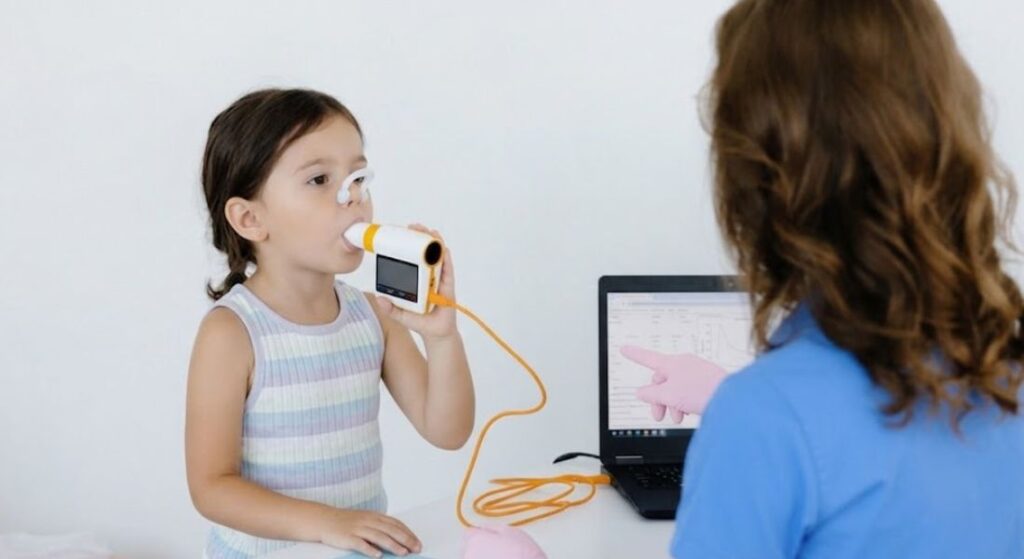
Digital inhalers and smart monitoring tools are becoming an interesting part of modern asthma care. Some devices can record when an inhaler is used, helping you keep track of your child’s treatment over time. This information can provide a clearer picture of how asthma is being managed day to day.
For many families, it can be difficult to know how often a reliever inhaler is actually being used or whether preventer doses are being missed. Digital tracking may help identify these patterns earlier, allowing you and your healthcare team to address potential problems before symptoms become worse.
Although these technologies are promising, they are not recommended for routine use in every child. They can be helpful in certain situations, but they should never replace regular asthma reviews, correct inhaler technique, or personalised medical advice.
Asthma Apps
Asthma apps can be a useful way to keep track of your child’s symptoms, inhaler use, triggers, and asthma action plan. They may be especially helpful for older children and teenagers who are starting to take more responsibility for managing their condition. Using an app can also make it easier to stay organised.
Over time, you may begin to notice patterns that aren’t obvious day to day. For example, your child’s symptoms might become worse during pollen season, after exercise, when they have a cold, or in certain environments. Spotting these trends can help you and your healthcare team manage asthma more effectively.
It’s important to remember that apps are designed to support asthma management, not replace medical advice. If your child’s symptoms are getting worse or you’re concerned about their breathing, you should contact your healthcare team rather than relying on an app alone.
Remote Reviews and Virtual Care
Remote asthma reviews have become more common and can be a convenient option for some follow-up appointments. They can save you time, reduce travel, and make it easier to stay in touch with your child’s healthcare team. For routine check-ins, virtual appointments may work very well.
However, remote care isn’t suitable for every situation. If your child develops new symptoms, has worsening breathing, or their asthma is not well controlled, an in-person assessment may be needed. Seeing your child face to face allows the healthcare team to carry out a more thorough examination.
For many families, the best approach is a combination of both. You may have some routine reviews remotely, while others are carried out at the clinic for lung function tests or inhaler technique checks. This flexible approach helps ensure your child receives the right care at the right time.
Better Asthma Action Plans
Asthma action plans have been used for many years, but they are now recognised as an essential part of asthma care. A written plan helps you know what to do when your child is well, when symptoms start to worsen, and when urgent medical help is needed. It can also give you more confidence in managing asthma at home.
A good action plan should clearly explain which inhalers your child needs, how often to use them, the warning signs to look out for, and when to seek help. It should be simple enough for schools, nurseries, grandparents, or other carers to follow. This helps everyone respond consistently if your child’s symptoms change.
Having a clear action plan can make asthma flare-ups less stressful and easier to manage. When you know the right steps to take, you can act quickly and avoid unnecessary uncertainty. It’s a simple tool that can make a real difference to your child’s asthma care.
More Focus on School Asthma Safety
Asthma care is increasingly recognising the importance of schools and nurseries. Your child’s asthma does not pause when they leave home. Schools should know your child has asthma, where the reliever inhaler is kept, what symptoms to watch for and what to do in an emergency.
They should also have a copy of your child’s action plan where appropriate. This is especially important for children who have exercise symptoms, frequent flare-ups or previous asthma attacks. Good communication with school can reduce risk and give you peace of mind.
Environmental Triggers and Prevention
Modern asthma care looks beyond medication and pays closer attention to environmental triggers. These can include tobacco smoke, vaping, mould, damp housing, air pollution, pets, pollen, and dust mites. Identifying the triggers that affect your child most can make asthma easier to manage.
It’s important to remember that you can’t control every trigger, and you shouldn’t feel guilty about that. The goal is to recognise the ones that have the biggest impact on your child’s symptoms. Even a few simple changes can sometimes reduce the risk of flare-ups.
For example, you may notice that your child’s asthma becomes worse in a damp bedroom, around pets, or during the hay fever season. Sharing these patterns with your healthcare team can help guide practical advice that’s tailored to your child’s needs. Small adjustments at home or in your daily routine can often make a meaningful difference.
Air Pollution and Childhood Asthma
Air pollution can be a trigger for some children with asthma, particularly in busy towns and cities. You may notice your child coughing more or becoming breathless when pollution levels are high. These symptoms can vary from one child to another.
You might also find that asthma symptoms become worse near busy roads, on days with poor air quality, or when pollution is combined with cold weather. This doesn’t mean your child should avoid going outside altogether, but you may need to plan outdoor activities more carefully on higher-risk days.
If you think air pollution is affecting your child’s asthma, mention it at their next asthma review. Your healthcare team can help you identify possible triggers and suggest practical ways to reduce exposure when air quality is poor.
Climate and Inhaler Choices
There is growing awareness of the environmental impact of asthma inhalers, as some types have a higher carbon footprint than others. You may come across information about lower-carbon inhalers and wonder whether they are a better choice for your child. While this is an important consideration, effective asthma control should always come first.
The most suitable inhaler is one that your child can use safely and correctly. A lower-carbon option is only appropriate if it matches your child’s age, inhaler technique, and asthma needs. Choosing the right device is just as important as choosing the right medication.
You should never switch your child’s inhaler without medical advice. An inhaler that isn’t used properly can make asthma harder to control, even if it has a lower environmental impact. Your healthcare team can help you find the best balance between effective treatment and environmental considerations.
Advances in Treating Asthma With Allergic Rhinitis
Hay fever and allergic rhinitis can make asthma more difficult to manage. If your child regularly has a blocked nose, sneezing, itchy eyes, or seasonal allergy symptoms, these can sometimes affect their breathing as well. Treating both conditions together may help improve overall asthma control.
Modern asthma care looks at the whole airway rather than focusing only on the lungs. Your healthcare team may recommend treating nasal allergy symptoms alongside asthma, especially if they seem to trigger or worsen flare-ups. This more complete approach can make a noticeable difference for some children.
Depending on your child’s symptoms, treatment may include nasal sprays, antihistamines, or practical allergy advice. If the allergies are more severe or difficult to manage, you may be referred to an allergy specialist for further assessment and support.
Immunotherapy Research
Immunotherapy is a treatment that aims to reduce the body’s sensitivity to certain allergens over time. It is already used for some allergic conditions and continues to be researched as part of asthma care. If your child’s asthma is closely linked to specific allergies, this is an area you may hear more about in the future.
However, immunotherapy is not a quick fix and isn’t suitable for every child with asthma. You should only consider this treatment after a specialist assessment, as careful selection is important. The right approach depends on your child’s symptoms, allergy profile, and overall health.
Research is continuing to explore which children are most likely to benefit from immunotherapy. As more evidence becomes available, it may play a larger role in asthma care for some families. For now, it should only be used under the guidance of a specialist.
Better Support for Severe Asthma
Children with severe asthma often benefit from support that goes beyond seeing a doctor alone. Depending on your child’s needs, their care may also involve asthma nurses, allergy specialists, physiotherapists, psychologists, dietitians, and pharmacists. Working together allows the team to provide more complete and personalised care.
Severe asthma can affect much more than your child’s breathing. It may have an impact on school attendance, sleep, physical activity, confidence, and even your family’s daily routine. Looking at these wider challenges can make it easier to manage the condition effectively.
A joined-up approach also helps identify problems that might otherwise be overlooked. By understanding your child’s individual needs, the healthcare team can provide better support for both your child and your family. This can make living with severe asthma more manageable over the long term.
Psychological Support and Asthma

Asthma can be worrying for children, particularly if they’ve experienced severe attacks or needed hospital treatment. You may notice your child becoming anxious about exercise, school trips, or spending time away from home. These feelings are understandable and can affect their confidence as they grow.
Modern asthma care recognises that emotional wellbeing is just as important as physical health. Anxiety can sometimes make breathing symptoms feel worse, while living with asthma can also increase feelings of worry or stress. Supporting both aspects can help your child feel more confident in managing their condition.
It’s important to remember that this doesn’t mean your child’s symptoms are “all in the mind”. Asthma is a real medical condition, but emotional health can influence how it’s experienced. By addressing both, you can help your child feel more supported and better able to cope with everyday life.
Advances in Adherence Support
Taking a preventer inhaler every day can be challenging, especially when family routines are busy. It’s very common for children to miss doses from time to time, and this doesn’t automatically mean you’re doing something wrong. There are often practical reasons why treatment isn’t followed exactly as prescribed.
Modern asthma care focuses on understanding these challenges rather than placing blame. Your healthcare team may ask about your daily routine, any concerns about treatment, or what makes it difficult to stay on track. Having an open conversation can help identify simple changes that make asthma management easier.
Common barriers include busy mornings, confusing treatment plans, forgetting doses, concerns about steroids, or teenagers wanting more independence. Once these challenges are recognised, you and your child’s healthcare team can create a routine that’s easier to follow and more likely to work in the long term.
Inhaler Technique Checks at Every Review
Regular inhaler technique checks are one of the simplest ways to improve asthma control. Over time, children can develop small mistakes when using their inhaler, and you may not realise the medicine isn’t reaching their lungs properly. Even with the right prescription, poor technique can make treatment less effective.
Your child’s inhaler technique should be checked during routine asthma reviews, whenever symptoms become worse, or if they switch to a different inhaler. These checks help make sure the treatment is being used correctly before any changes are made. They can also identify small problems that are easy to fix.
In many cases, improving inhaler technique can have a bigger impact than changing medication. That’s why it’s a good idea to bring your child’s inhaler and spacer to every appointment. This allows the healthcare team to check the technique and offer practical advice if needed.
Treatment Comparison
| Advance | What It May Help With | Important Parent Note |
| FeNO testing | Identifying airway inflammation | Useful with other information, not as a standalone diagnosis |
| Spirometry | Checking airflow and reversibility | More useful in older children who can perform the test well |
| MART/AIR approaches | Linking symptom relief with anti-inflammatory treatment | Only suitable for selected children and age groups |
| Biologic therapies | Severe asthma with specific inflammation patterns | Specialist treatment for selected children, not routine asthma care |
| Digital inhaler tools | Tracking inhaler use and patterns | Promising, but not a replacement for clinical review |
| Asthma action plans | Clear steps for daily care and flare-ups | Should be shared with school, nursery and carers |
| Trigger management | Reducing avoidable flare-ups | Must be realistic and specific to your child |
What Is Still Being Researched?
Researchers are still working to answer some important questions about childhood asthma. They want to understand why some children outgrow the condition while others continue to have symptoms. They are also looking at why some children experience severe asthma attacks despite receiving the right treatment.
Research is also exploring new biomarkers, better inhalers, biologic treatments, and the role of the microbiome and early-life risk factors. These developments are promising, but you should remember that most are still being studied. That means they are not yet part of routine asthma care.
When you read about new asthma breakthroughs, it’s worth keeping them in perspective. Not every new discovery becomes an approved treatment straight away, and what works for one child may not be right for another. The best approach is to follow treatments that are proven to be safe, effective, and suited to your child’s individual needs.
What Parents Should Be Careful About
New asthma treatments can sound promising, especially if your child’s symptoms have been difficult to control. It is understandable that you may want to explore every option, but it is important to be cautious about claims that promise a cure or guaranteed results.
Your child’s asthma treatment should always be guided by a qualified healthcare professional. You should avoid stopping prescribed inhalers, starting supplements, trying unproven therapies, or changing the treatment plan based only on advice from websites or social media.
If you are interested in a new treatment, discuss it with your child’s doctor. They can help you understand whether it is suitable, supported by good medical evidence, available for children, and appropriate for your child’s individual needs.
When New Treatment May Be Needed
New or more advanced treatment may be considered if your child’s asthma is not well controlled despite following their current treatment plan. You may notice signs such as frequent night-time coughing, regular use of a reliever inhaler, difficulty with exercise, repeated asthma attacks, or time missed from school because of symptoms.
Before increasing treatment, your child’s doctor will usually review the basics. This includes confirming the diagnosis, checking inhaler technique, discussing how regularly medication is being taken, reviewing possible triggers or allergies, and looking for any other conditions that may be affecting asthma control.
If your child’s symptoms remain difficult to control after these checks, a specialist review may be recommended. This can help you understand whether further investigations or more advanced treatment options are appropriate for your child’s individual needs.
When to Seek Urgent Help
Even as asthma treatments continue to improve, it is important to remember that urgent asthma symptoms should always be taken seriously. New medicines and technology can improve long-term asthma care, but they do not replace emergency medical treatment when your child is having severe breathing difficulties.
You should seek urgent medical help if your child is struggling to breathe, has blue lips, is too breathless to speak, eat or drink, becomes unusually drowsy, has severe chest pulling in, or does not improve after following their asthma action plan.
For life-threatening symptoms, call 999 or go to A&E immediately. If you are unsure what to do and the situation is not immediately life-threatening, NHS 111 can help you decide the most appropriate next step.
UK Safety-Net Note:
New asthma treatments and monitoring tools do not replace urgent care when breathing symptoms become severe. If your child is struggling to breathe, has blue lips, is too breathless to speak, eat or drink, becomes unusually drowsy, has severe chest pulling in, or does not improve after following their asthma action plan, seek urgent medical help immediately. In a life-threatening situation, call 999 or go straight to A&E.
How to Prepare for an Asthma Review
Before an asthma review, write down your child’s symptoms over the past few weeks. Include night symptoms, exercise symptoms, reliever use, missed school, flare-ups and any urgent care visits. Bring your child’s inhalers, spacer and action plan.
The clinician may want to check technique and make sure the devices still suit your child. Also mention any worries about side effects, steroid use, school support, exercise, allergies or new treatments. The more honest you are, the more useful the review will be.
Private Specialist Asthma Care in London
Private specialist asthma care can be helpful when your child has ongoing symptoms, unclear diagnosis, repeated flare-ups, difficult inhaler management or concerns about treatment response. It can also be useful if you want more time to discuss triggers, action plans and newer treatment options.
A specialist review may include a detailed symptom history, examination, inhaler technique check, trigger assessment, discussion of previous treatments and advice on whether further tests are needed. The aim is not to over-treat your child, but to make sure their asthma care is accurate and safe.
What the Future of Childhood Asthma Care May Look Like
The future of childhood asthma care is likely to become more personalised, giving your child treatment that is better matched to their individual needs. As research continues, you may see doctors using improved biomarkers, smarter monitoring tools, and more targeted therapies to help choose the most effective treatment for your child.
Researchers are also working on better ways to predict which children are more likely to develop severe asthma, which may outgrow their symptoms, and which could benefit from earlier specialist support. These advances could help you access the right care sooner, reduce asthma attacks, and avoid unnecessary treatment whenever possible.
Even as new treatments become available, the basics of asthma care will remain just as important. You can continue to support your child by ensuring they use their inhalers correctly, follow their asthma action plan, attend regular reviews, and manage known triggers. Together, these simple steps will continue to provide the foundation of safe and effective asthma care.
Key Takeaways:
- Childhood asthma treatment is becoming more personalised, but most children are still managed well with inhalers, spacers, action plans and regular reviews.
- FeNO, spirometry, peak flow monitoring and allergy testing can help doctors understand asthma more clearly in selected children.
- MART and AIR approaches may be suitable for some children, but only when prescribed and explained by a healthcare professional.
- Biologic therapies are mainly for selected children with severe asthma that remains poorly controlled despite optimised standard care.
- Digital inhalers and asthma apps may help track patterns, but they should not replace clinical reviews or medical advice.
- Inhaler technique, regular preventer use and written asthma action plans remain central to good asthma control.
- Seek urgent help if your child has severe breathing difficulty or does not improve after following their asthma action plan.
FAQs:
1. What is the newest treatment available for childhood asthma?
The newest advances in childhood asthma treatment include biologic therapies for selected children with severe asthma, improved inhaler strategies such as MART and AIR approaches for appropriate age groups, and more personalised care using tests like FeNO and allergy assessments. However, most children continue to be successfully treated with inhalers, regular reviews and a personalised asthma action plan.
2. Which children may benefit from biologic therapy for asthma?
Biologic therapies are generally reserved for children with severe asthma that remains poorly controlled despite appropriate treatment, good inhaler technique and careful management of triggers. A specialist asthma team will assess whether biologic treatment is suitable based on your child’s symptoms, test results and medical history.
3. Are biologic treatments safe for children with asthma?
Biologic medicines have been shown to be safe and effective for carefully selected children with severe asthma when prescribed and monitored by specialist healthcare professionals. Like all medications, they can have side effects, so regular follow-up is important throughout treatment.
4. What is FeNO testing and why is it used for asthma?
FeNO (fractional exhaled nitric oxide) is a simple breathing test that measures inflammation in the airways. It can help doctors determine whether asthma-related inflammation is present and whether inhaled corticosteroids are likely to be beneficial. It is used alongside other assessments rather than as a standalone diagnostic test.
5. What are MART and AIR asthma treatments?
MART (Maintenance and Reliever Therapy) and AIR (Anti-Inflammatory Reliever) are newer asthma treatment approaches that combine symptom relief with anti-inflammatory medication in a single inhaler for suitable patients. These treatment plans are only appropriate for certain children and should only be used if prescribed by a healthcare professional.
6. Can new asthma treatments cure childhood asthma?
No. There is currently no cure for childhood asthma. The latest treatments are designed to improve symptom control, reduce asthma attacks and help children lead active, healthy lives while keeping their asthma well managed.
7. How do doctors decide if my child needs more advanced asthma treatment?
Before considering advanced treatments, doctors will review your child’s diagnosis, inhaler technique, medication adherence, trigger exposure, allergies and overall asthma control. If symptoms remain poorly controlled despite addressing these factors, referral to a specialist asthma service may be recommended.
8. Are digital inhalers and asthma apps helpful for children?
Digital inhalers and asthma apps can help some families monitor inhaler use, symptoms and triggers more effectively. However, they should support regular medical care rather than replace asthma reviews, lung function tests or advice from your child’s healthcare team.
9. How often should my child have an asthma review?
Children with asthma should have regular reviews to assess symptom control, check inhaler technique, update their asthma action plan and adjust treatment if needed. Additional reviews may be necessary if symptoms worsen, medication changes or your child experiences an asthma attack.
10. When should my child be referred to an asthma specialist?
Your child may benefit from specialist assessment if they continue to have frequent symptoms, repeated asthma attacks, poor control despite following their treatment plan, uncertainty about the diagnosis, or concerns about whether advanced therapies such as biologics may be appropriate.
Final Thoughts: Supporting Your Child with the Latest Asthma Care
The future of childhood asthma treatment is encouraging. Advances such as improved diagnostic tests, personalised treatment plans, biologic therapies for severe asthma, and smarter monitoring tools are helping doctors provide more tailored care than ever before. While these developments are exciting, the foundations of good asthma management remain the same: an accurate diagnosis, correct inhaler technique, regular reviews, consistent use of preventer medication where prescribed, and a clear asthma action plan.
Every child experiences asthma differently, so treatment should always be based on their individual symptoms, triggers and overall health rather than the latest treatment alone. Working closely with an experienced healthcare professional ensures that your child receives the most appropriate care, whether that involves standard inhaler therapy or assessment for more advanced treatment options.
If you are looking for a children’s asthma specialist in London, you can contact London Paediatric Clinic to arrange a consultation and discuss your child’s needs. With the right support and a personalised management plan, most children with asthma can enjoy an active, healthy childhood while keeping their symptoms well controlled.
References:
- Chaverri Repáraz, C.M., Lacalle Fabo, E., Erroz Ferrer, M., Gimeno-Castillo, M., Castro-Garrido, I., Ibarzabal-Arregi, M., González Arza, N., Viguria, N. and Moreno-Galarraga, L. (2025) Tailoring biologic therapies for pediatric severe asthma: A comprehensive approach, Children, 12(2), p.140. Available at: https://www.mdpi.com/2227-9067/12/2/140
- Castagnoli, R., Brambilla, I., Giovannini, M., Marseglia, G.L. and Licari, A. (2023) New approaches in childhood asthma treatment, Current Opinion in Allergy and Clinical Immunology, 23(4), pp.319–326. Available at: https://pmc.ncbi.nlm.nih.gov/articles/PMC10317303/
- Ferrante, G., Licari, A., Marseglia, G.L. and La Grutta, S. (2021) Digital health interventions in children with asthma, Clinical & Experimental Allergy, 51(2), pp.212–220. Available at: https://pmc.ncbi.nlm.nih.gov/articles/PMC7753570/
- National Institute for Health and Care Excellence (NICE) (2024) Asthma: diagnosis, monitoring and chronic asthma management (BTS, NICE, SIGN). NICE guideline NG245. Available at: https://www.nice.org.uk/guidance/ng245
- Drummond, D., van Boven, J.F.M., Dierick, B.J.H., Adejumo, I., Carroll, W., De Keyser, H., Gaillard, E.A. and Chan, A. (2025) Smart inhalers in paediatric asthma: bridging the gap between innovation and clinical practice, Paediatric Respiratory Reviews. Available at: https://www.sciencedirect.com/science/article/pii/S152605422500079X