



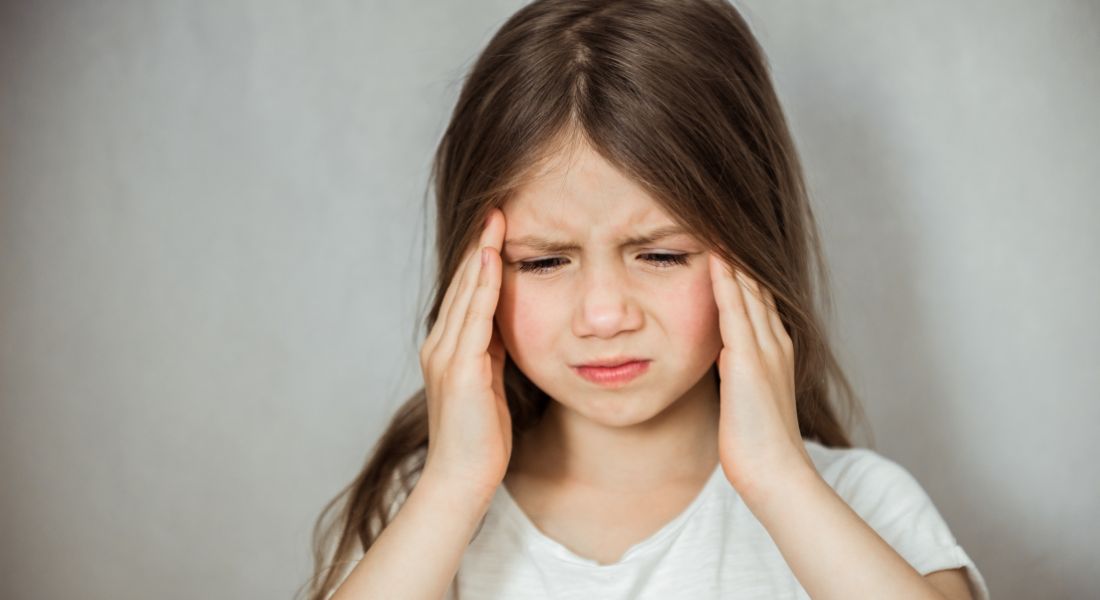
When your child has repeated headaches, it can be difficult to know whether they are experiencing migraine or whether something else is causing the pain. You may notice that they suddenly stop playing, want to rest in a quiet room, feel sick, or become more sensitive to light and noise. These changes can be important clues when understanding their symptoms.
Migraine is a recognised primary headache disorder in children and young people. Childhood migraine does not always look the same as adult migraine, and attacks may be shorter or affect both sides of the head rather than just one side. These differences can sometimes make migraine harder to recognise.
Although migraine can affect your child’s school life, sleep, activities, and family routines, there are effective ways to manage it. Understanding your child’s pattern, recognising possible triggers, and having a clear treatment plan can help reduce the impact of migraine.
With the right support and guidance, many children learn how to manage their symptoms and continue enjoying everyday activities. A careful assessment can help identify the most suitable approach for your child’s individual needs.
What Is Migraine?
Migraine is more than a simple headache. It is a neurological condition that can cause repeated headache attacks along with symptoms such as nausea, vomiting, and sensitivity to light or sound. Some children may also experience temporary neurological symptoms known as aura.
During a migraine attack, your child may find it difficult to continue normal activities. They may want to rest, sleep, or stay in a quiet, dark place until the symptoms improve.
Every child’s migraine pattern can be different. Some children may have occasional severe attacks, while others may experience more frequent headaches that start affecting school, activities, and daily routines. Understanding your child’s individual pattern can help guide the right support and treatment.
Are Migraines Common in Children?
Migraine is a recognised headache disorder that can affect children and young people. It is a common type of primary headache, although symptoms may appear differently compared with adults.
Younger children may find it difficult to explain what they are feeling. Instead of describing pain or light sensitivity, they may become quiet, pale, irritable, or stop their usual activities.
Your observations can provide useful information when discussing your child’s symptoms with a doctor. Changes in your child’s behaviour during an attack may provide important clues about the pattern and impact of their migraines.
How Childhood Migraine Can Differ From Adult Migraine
Parents often expect childhood migraine to look the same as adult migraine, but there can be important differences. Children may describe their symptoms differently or show signs through changes in behaviour rather than words.
In children, migraine attacks may be shorter and the pain can affect both sides of the head. These differences can sometimes make it harder to recognise migraine, especially in younger children.
A child may stop playing, become pale, want to sleep, or avoid bright lights and loud sounds during an attack. Paying attention to these changes can help you understand what your child may be experiencing.
What Does a Migraine Feel Like to a Child?
The way migraine feels can vary depending on your child’s age and ability to describe symptoms. Older children and teenagers may describe throbbing or severe head pain, while younger children may simply say that their head hurts.
During an attack, normal activities may feel more difficult, and your child may want to stop playing or rest. Light, sound or certain smells can sometimes become uncomfortable, making a quiet environment more helpful.
Some children also experience nausea or vomiting with migraine. You may notice that your child feels better after sleeping, while others need more time to recover before returning to their usual activities.
Common Symptoms of Migraine in Children
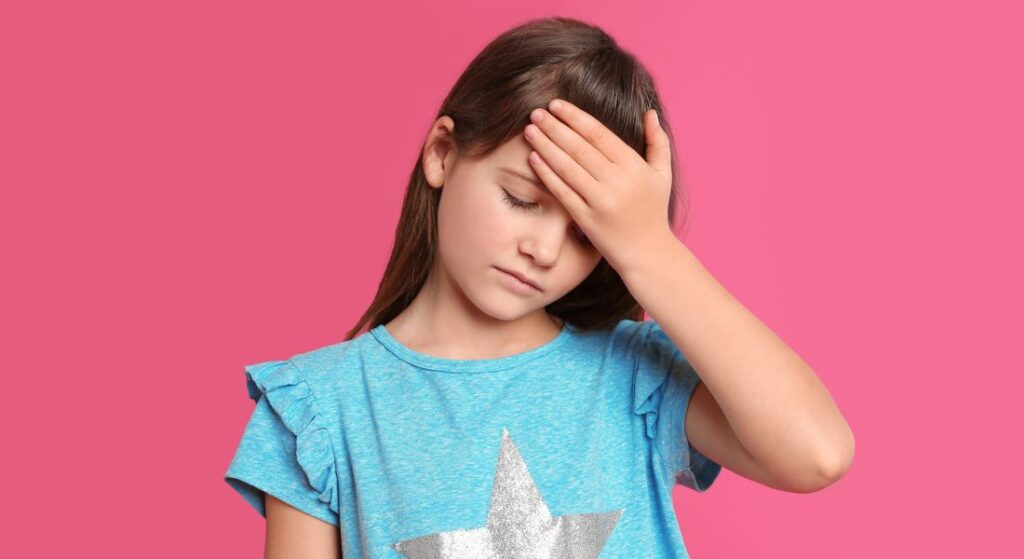
Migraine in children can involve more than just head pain. Your child may experience symptoms such as nausea, vomiting, or sensitivity to light and sound during an attack. These features can help doctors understand the type of headache they are experiencing.
Some children may look pale, feel tired, become sweaty, or seem less interested in normal activities. Others may experience dizziness or find movement uncomfortable while the migraine is active.
Symptoms can change from one attack to another. Keeping a simple migraine diary can help you notice patterns and record the features that commonly occur with your child’s headaches.
Migraine Without Aura
Migraine without aura is a common migraine pattern where the headache occurs without temporary neurological warning symptoms. Many children experience this type of migraine, and symptoms can vary depending on their age and individual pattern.
Your child may have moderate or severe head pain along with nausea, vomiting, or sensitivity to light and sound. During an attack, normal activities may become difficult, and they may prefer to rest in a quiet environment.
The pain can affect one side or both sides of the head. In children, migraine is not always one-sided, so understanding this difference can help you recognise symptoms more accurately.
Migraine With Aura
Some children experience migraine with aura, where temporary neurological symptoms occur before or during a migraine attack. These symptoms can affect how your child sees, feels, or experiences the world for a short period. Aura does not occur in every child with migraine.
Visual changes are among the most common aura symptoms, but some children may also notice other temporary sensory experiences. You may find that your child describes these symptoms differently depending on their age and ability to explain what is happening.
Visual symptoms affecting only one eye are not typical of standard migraine aura and should be medically assessed. These symptoms should not automatically be assumed to be migraine, as the doctor will consider the full pattern and decide whether further assessment is needed.
Visual Aura
Visual symptoms are one of the most recognised types of migraine aura. Your child may describe flashing lights, unusual shapes, blurred areas, or temporary changes in vision. These symptoms can sometimes feel confusing or difficult for children to explain.
Younger children may not have the words to describe what they are seeing. They may simply say that things look unusual or that part of their vision feels different for a short time. Listening carefully to their description can provide useful information.
Try to note how long the visual symptoms last, how they develop and whether they appear to affect one or both eyes. Visual symptoms that affect only one eye are unusual in migraine and should always be medically assessed promptly.
Other Symptoms Before a Migraine Attack
Some children notice changes before a migraine attack begins. These early signs may include tiredness, frequent yawning, mood changes, or food cravings. Recognising these patterns can help you understand when a migraine may be developing.
These early changes are different from an aura, which involves temporary neurological symptoms such as visual or sensory changes. They are part of the wider migraine process and may happen before the headache starts. Not every child will experience these warning signs.
Over time, older children may learn to recognise their own early symptoms. This can help them tell an adult when a migraine may be starting and follow their agreed treatment plan sooner. Early recognition can make managing attacks easier.
Childhood Migraine Symptoms at a Glance
The table below provides a practical overview of common migraine features. It is not intended to diagnose your child’s headache without medical assessment.
| Migraine Feature | What Your Child May Experience | What You May Notice |
| Head pain | Moderate or severe pain, sometimes throbbing | Stops playing or asks to rest |
| Light sensitivity | Normal light feels uncomfortable | Wants curtains closed or lights dimmed |
| Sound sensitivity | Everyday sounds feel too loud | Asks for quiet or covers ears |
| Nausea | Feels sick or loses appetite | Refuses food during an attack |
| Vomiting | May occur during some attacks | Needs rest and fluids afterwards |
| Aura | Temporary visual or sensory symptoms | Describes flashing lights or unusual sensations |
| Tiredness | Fatigue before, during or after an attack | Sleeps or needs prolonged rest |
| Activity sensitivity | Movement can feel uncomfortable | Avoids walking, running or active play |
A child’s migraine pattern may include only some of these features. The important thing is to look for a repeated pattern across attacks rather than expecting every migraine to look exactly the same.
What Causes Migraine in Children?
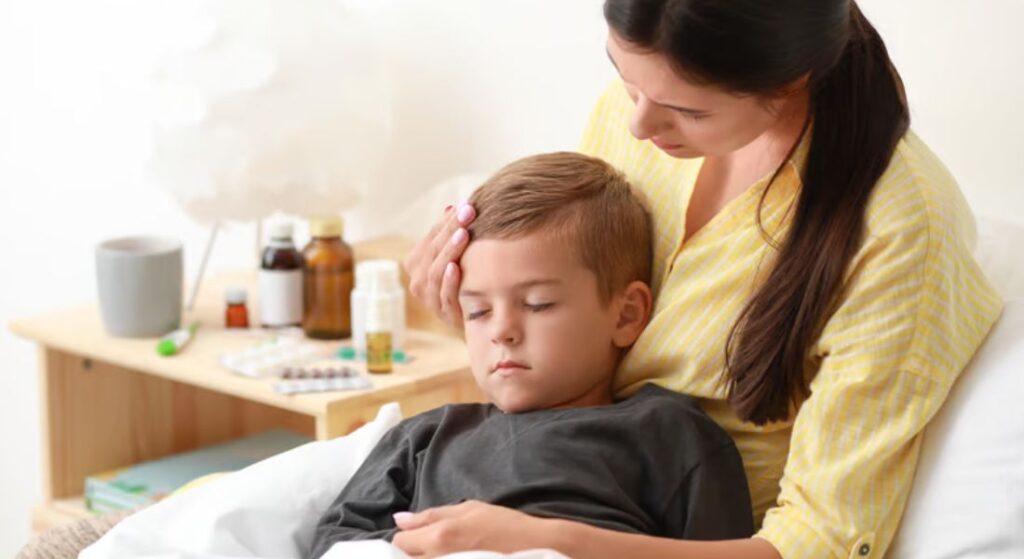
There is no single cause of migraine in every child. Migraine is a neurological condition, and attacks can be influenced by a combination of factors, including a child’s individual susceptibility and possible triggers.
Common triggers may include dehydration, missed meals, irregular sleep, stress, or changes in routine. You may notice that certain situations appear to bring on attacks, but triggers can vary from one child to another.
Not every possible trigger will cause a migraine every time. It is more helpful to look for clear patterns over time rather than blaming one food, activity, or screen use after a single headache. Keeping track of symptoms can help you understand what may be affecting your child’s migraines.
Does Migraine Run in Families?
Migraine can often run in families, which is why doctors commonly ask about family history during assessment. If you or another close relative experiences migraine, this information can provide useful context when your child’s symptoms are being reviewed.
Tell the doctor if parents, siblings, or other close family members have migraine. This can help the clinician understand whether your child’s headache pattern may fit with a migraine tendency. However, your child’s diagnosis will still depend on their own symptoms and medical assessment.
You should not assume every headache is migraine simply because it affects someone in the family. New, unusual, or changing headache patterns still need proper evaluation. A personalised assessment helps ensure your child receives the right advice and treatment.
Dehydration as a Migraine Trigger
Dehydration may contribute to or trigger migraine attacks in some children. Drinking enough fluids throughout the day is an important part of supporting healthy routines. Good hydration may help reduce avoidable triggers.
School days can make it harder for children to drink regularly. Your child may forget to take water breaks, avoid using school toilets, or become focused on lessons and activities. These habits can sometimes lead to lower fluid intake than they need.
Encourage your child to drink regularly throughout the day rather than waiting until a migraine starts. Fluid requirements vary according to your child’s age, activity levels and the weather, so encouraging regular drinking habits is important.
Missed Meals and Migraine
Skipping meals can be a recognised trigger for migraine in some children. Long gaps between meals may affect your child’s energy levels and make headaches more likely. Maintaining a regular eating routine can be an important part of managing migraine.
Breakfast can be an easy meal to miss during busy mornings, and some children may eat very little during the school day. You may not always realise that your child is going long periods without food. Paying attention to meal patterns can help identify whether this is linked with headaches.
Try to encourage regular, balanced meals rather than removing multiple foods from your child’s diet. In many cases, the timing and consistency of meals may be more important than avoiding specific foods. A simple routine is often easier for you and your child to maintain.
Sleep and Migraine
Irregular sleep can influence migraine patterns in some children. Changes in sleep routines, late nights, or not getting enough rest may contribute to more frequent attacks. Keeping a stable routine can be an important part of migraine management.
Try to keep your child’s bedtime and waking times reasonably consistent throughout the week. You may find that large differences between school days and weekends make it harder to notice patterns. A regular sleep schedule can support your child’s overall wellbeing.
If your child’s sleep is affected by another problem, such as frequent night waking or heavy snoring, mention this during the assessment. Addressing these wider sleep issues may also help improve migraine management. A complete picture of your child’s health can guide more effective support.
Stress and Emotional Triggers
Stress can influence migraine patterns in children and teenagers. Pressures such as schoolwork, exams, friendships, bullying, or changes at home may affect how often headaches occur. Understanding these factors can help you support your child more effectively.
This does not mean that migraine pain is imaginary or simply caused by emotions. Physical and emotional factors can interact, and children experiencing stress still need proper medical assessment and support. Every child’s experience with migraine is different.
Try to look for patterns without making your child feel questioned after every headache. Gentle conversations about school, friendships, and home life can help you understand what they are experiencing. A supportive approach can make it easier for your child to share concerns when they need help.
Screens and Migraine
Long periods of screen use may contribute to headaches in some children, especially when combined with tiredness, poor posture, missed meals, or a lack of breaks. Spending too much time focusing on a screen can sometimes make symptoms more noticeable.
However, screens are not always the cause of migraine. You may notice that your child’s attacks also happen during screen-free periods, which suggests that other triggers may be involved. Looking at the overall pattern is more helpful than focusing on one possible cause.
A headache diary can help you identify whether screen use is linked with your child’s symptoms. Encourage practical habits such as regular breaks, good lighting, and a balanced daily routine. The aim is to help your child use technology comfortably rather than make them worried about screens.
Exercise and Migraine
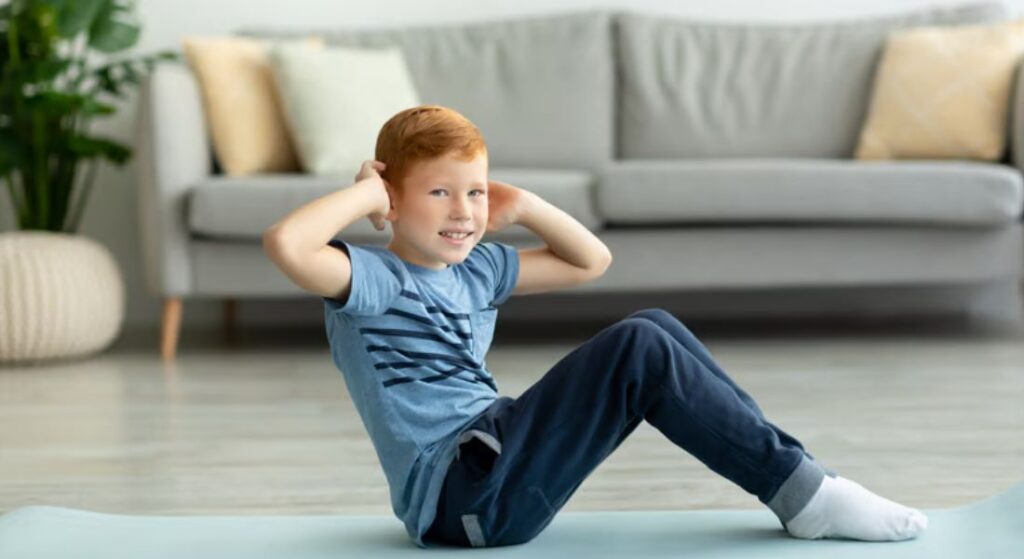
Regular physical activity can be a helpful part of a healthy migraine-management routine. Exercise, along with good sleep, hydration, and regular meals, can support your child’s overall wellbeing. Staying active when they feel well may also help build confidence.
However, headaches that are new, severe, or consistently triggered by exercise should be reviewed by a healthcare professional. A new or consistently exercise-triggered headache should be assessed rather than automatically assumed to be migraine. A doctor can help determine whether further investigation is needed.
When your child is feeling well, encourage normal age-appropriate activities and sport. Migraine does not automatically mean your child needs to avoid exercise or miss out on activities they enjoy. A balanced approach can help them stay active while managing their symptoms.
Hormones and Menstrual-Related Migraine
Migraine patterns can change during adolescence, and some teenagers may notice a link between attacks and their menstrual cycle. Hormonal changes can influence migraine symptoms, and recognising this pattern can be helpful during assessment. Every teenager’s experience can be different.
Keeping a migraine diary can help you and your child’s doctor understand whether attacks regularly occur at a similar point in the cycle. Recording the timing of symptoms over several months can provide more useful information than relying on memory alone.
Teenagers should feel comfortable discussing these symptoms privately and respectfully when appropriate. Treatment should be tailored to your child’s age, migraine pattern, and medical history. A personalised approach can help ensure that their needs and concerns are properly considered.
Understanding Migraine Triggers
The table below summarises common factors that may contribute to attacks. Your child may have none, one or several of these patterns.
| Possible Trigger or Influence | Pattern You May Notice | Practical Response |
| Dehydration | Headaches after school, sport or hot days | Encourage regular fluids |
| Missed meals | Headache after long gaps without food | Keep meals and snacks regular |
| Irregular sleep | Attacks after late nights or disrupted routines | Aim for consistent sleep habits |
| Stress | Headaches around exams or difficult periods | Listen, support and address underlying problems |
| Hormonal changes | Recurring pattern around periods | Record timing in the diary |
| Illness | Attacks around infections or recovery | Monitor the wider illness pattern |
| Prolonged concentration | Symptoms after long study or screen periods | Take reasonable breaks |
| Individual environmental factors | Attacks in particular settings | Record repeated patterns before making major changes |
The aim is not to eliminate everything your child enjoys. Trigger management should be practical, proportionate and based on patterns that are actually relevant to your child.
Should You Remove Foods to Prevent Migraine?
Many parents look for specific foods that may be triggering their child’s migraine. While some children may notice links with certain foods, removing large groups of foods without a clear pattern can make meals stressful and affect nutrition.
A migraine diary can help you identify whether a particular food is consistently linked with attacks. You may notice a possible trigger over time, but one headache after eating a certain food does not always mean that food is the cause.
Focus first on healthy basics such as regular meals, good hydration, and consistent routines. These habits are important parts of migraine management and can often be more helpful than creating a long list of foods for your child to avoid.
How Migraine Is Diagnosed in Children
There is no single blood test or scan that confirms ordinary migraine in children. Diagnosis is usually based on your child’s symptoms, headache pattern, medical history, and examination findings. A detailed assessment helps the doctor understand what type of headache your child may have.
The doctor will ask about how often the headaches occur, how long they last, where the pain is, and how severe it feels. You may also be asked about nausea, vomiting, aura symptoms, sensitivity to light or sound, and whether the headaches stop your child from normal activities.
Keeping a clear record of symptoms can make the assessment easier. A headache diary can help you provide useful details about patterns, triggers, and treatments that have helped. This information allows the doctor to build a more complete picture of your child’s migraine.
What Happens During the Medical Assessment?
The medical assessment usually begins with questions about your child’s migraine pattern. The doctor will ask when the headaches started, how often they occur, and whether the pattern is staying the same or changing over time. You may also be asked about symptoms such as night-time headaches, morning headaches, vomiting, or other changes.
Your child may also have a physical and neurological examination. The clinician may assess blood pressure, growth, neurological function and vision-related symptoms. For recurrent headaches, NICE also recommends performing or arranging fundoscopy, which examines the back of the eyes for signs that may need further investigation.
The aim of the assessment is to identify the most likely type of headache while looking for any features that may need further investigation. A careful history and examination help guide whether your child needs additional tests or specialist support.
Why a Migraine Diary Is Important
A migraine diary can help turn your observations into useful information for you and your child’s doctor. Keeping a record of symptoms can make it easier to identify patterns and support decisions about diagnosis and treatment.
Record details such as the date, start time, duration, and severity of each migraine attack. You can also note symptoms like nausea, vomiting, sensitivity to light or sound, and any aura symptoms your child experiences.
It is also helpful to record any medicines taken and whether they improved the symptoms. Over several weeks, these notes can reveal patterns that may not be obvious day to day. This information can help you and your doctor create a more effective management plan.
What to Include in the Diary
Keep the headache diary simple so that you and your family can use it consistently. You can record information in a notebook, calendar, or phone note, depending on what works best for you. A practical diary is often more useful than a detailed record that becomes difficult to maintain.
Include key details such as sleep patterns, meals, fluids, stressful events, exercise, and periods where relevant. You do not need to record every moment of your child’s day. Focus on information that may help identify patterns or possible triggers.
A headache diary should support your child’s care rather than make them constantly focus on symptoms. Record the important details, then encourage your child to continue with normal activities. A balanced approach can help you gather useful information without increasing worry around headaches.
Does Every Child With Migraine Need a Brain Scan?
No, not every child with migraine needs a brain scan. Migraine is usually diagnosed through your child’s symptoms, medical history, and examination rather than through a specific imaging test. Many children with a typical migraine pattern do not require scans.
Further investigations may be considered if your child has warning signs, unusual symptoms, abnormal examination findings, or uncertainty about the diagnosis. Your doctor will decide whether a scan or other tests are needed based on the overall clinical picture.
A scan is not the only measure of a thorough assessment. A detailed discussion about your child’s headaches, along with a careful examination, helps guide the right next steps. This approach ensures that investigations are used when they are genuinely needed.
Evidence Note:
Clinical guidance and paediatric headache research support a careful history and physical and neurological examination as the foundation of migraine assessment. For you as a parent, this means that a brain scan is not automatically needed simply because migraine attacks keep returning. Imaging decisions should be based on your child’s headache pattern, examination findings and the presence of warning signs or diagnostic uncertainty. A thorough clinical assessment is often more useful than arranging tests without a clear reason.
Red Flags That Need Urgent Assessment
Most childhood migraines are not caused by a serious underlying condition, but certain headache patterns need urgent medical assessment. It is important to recognise symptoms that are unusual, severe, or different from your child’s typical migraine pattern.
If your child is under 12 and their headache wakes them at night, is present on awakening, progressively worsens or is triggered or aggravated by coughing, sneezing or bending down, arrange same-day medical assessment. Other concerning symptoms include repeated vomiting, poor balance, unusual sleepiness, or changes in awareness. These features may require further investigation.
A sudden severe headache, new neurological symptoms, or a significant change in your child’s usual headache pattern should also be assessed quickly. If your child appears seriously unwell, do not wait for a routine appointment. Early medical advice can help ensure the right care is provided.
UK Guideline Note:
In children under 12, NICE recommends urgent same-day medical assessment when recognised red-flag features are present, with neurological assessment arranged when indicated. NICE also recommends urgent neurological assessment for children under 4 years who present with headache. These situations should not wait for a routine migraine appointment.
What to Do During a Migraine Attack
When a migraine attack starts, help your child follow the treatment plan agreed with their healthcare professional. Giving appropriate treatment early may be more effective than waiting until the symptoms become severe. Knowing what usually helps your child can make attacks easier to manage.
Many children prefer to rest or sleep during a migraine, especially in a dark and quiet room. You can help by reducing bright lights, noise, and other triggers that may make symptoms worse. Encouraging your child to drink fluids if they can tolerate them may also be helpful.
Allow your child time to rest and recover during an attack. If sleeping is part of your child’s usual migraine pattern and there are no warning signs, this can be a normal part of managing symptoms. However, seek medical advice if the symptoms are unusual, severe, or different from your child’s typical migraines.
Pain Relief for Migraine
Treatment for migraine depends on your child’s age, medical history, and the type of symptoms they experience. Your doctor will consider these factors when recommending the most suitable approach. Not every child will need the same type of treatment.
For some children, simple pain relief such as paracetamol or ibuprofen may help when used at the correct age-appropriate dose. You should always check that the medicine is suitable for your child and follow the recommended instructions. These medicines may be helpful for occasional attacks when used appropriately.
Avoid giving higher doses or using pain relief more frequently without medical advice. If your child needs headache medicine regularly or migraine attacks are becoming more frequent, you should arrange a review. A doctor can help you find a safer and more effective long-term management plan.
Triptans for Older Children and Teenagers
Triptans are migraine-specific medicines that may be considered for some older children and teenagers when appropriate. They are designed to target migraine symptoms and may be recommended when simple pain relief is not effective. Your doctor will decide whether this type of treatment is suitable for your child.
The choice of medicine and its form depends on your child’s age, medical history, symptoms, and the specific migraine pattern. Some migraine treatments may be used differently in younger people, so professional guidance is important. A clinician can help you understand the benefits, risks, and most suitable options.
You should never give your child someone else’s prescription migraine medicine. Even if migraine affects other family members, the right treatment can vary from person to person. A personalised approach helps ensure that your child receives safe and appropriate care.
UK Treatment Note:
For young people aged 12 to 17 years, NICE advises considering a nasal triptan in preference to an oral triptan when triptan treatment is appropriate. Treatment choice should also take account of symptoms, medical history, contraindications and current licensing information.
Treating Nausea and Vomiting
Nausea and vomiting can be significant symptoms during a migraine attack. They may make it harder for your child to drink fluids, eat normally, or keep oral medicines down. This can sometimes make managing the migraine more challenging.
Depending on your child’s age and individual situation, a doctor may consider anti-sickness treatment as part of the overall migraine plan. These treatments may be used alongside headache medicines when appropriate. The aim is to help control symptoms and make other treatments more effective.
You should tell the clinician if vomiting regularly prevents your child from taking or keeping down medicine. This information can help guide decisions about the type of treatment or medication format that may work best for your child. A personalised approach can make migraine management more effective.
When Preventive Treatment May Be Considered
Some children may need preventive migraine treatment when attacks are frequent, severe, or having a significant impact on daily life. The decision is not based only on having a migraine diagnosis, but also on how often the attacks happen and how much they affect your child’s routine.
You may discuss preventive options with your child’s doctor if migraines are difficult to manage or are interfering with school, activities, or family life. Specialist paediatric headache services may also be involved when standard approaches have not provided enough relief. A tailored plan can help address your child’s specific needs.
Preventive treatment requires careful assessment and regular follow-up. The aim is to reduce the frequency and severity of migraines while balancing potential benefits and side effects. Your doctor will consider your child’s age, symptoms, and overall health when recommending the most suitable approach.
Non-Medical Migraine Management
Non-medical strategies are an important part of managing migraine in children. Regular sleep, good hydration, balanced meals, and physical activity can help support a more stable daily routine. These simple habits may reduce some common triggers and help your child manage symptoms better.
You can support your child by creating consistent routines and encouraging healthy habits that fit into everyday family life. Other approaches may also be discussed as part of a broader migraine management plan. These strategies work best when combined with appropriate medical advice.
Lifestyle changes should support medical care rather than replace it. If your child’s headaches are changing, becoming more severe, or linked with warning signs, you should seek medical review. A balanced approach can help ensure your child receives the right support for their individual needs.
Medication-Overuse Headache
Frequent use of headache-relief medicines can sometimes make headache patterns worse. This is known as medication-overuse headache and can occur when medicines are used too often. It may create a cycle where your child needs treatment more frequently because headaches are becoming more regular.
You may notice that your child is needing medicines such as paracetamol, ibuprofen, or migraine-specific treatments more often than before. Excessive use of acute headache medicines can contribute to or perpetuate an increasingly frequent headache pattern in some children and young people. Understanding this pattern is an important part of effective migraine management.
If your child needs acute headache medicine several times each week, you should discuss this with a doctor. Avoid increasing the frequency or dose of medication without medical advice. A review can help you create a safer and more effective migraine management plan.
Migraine and School
Migraine can affect your child’s attendance, concentration, exams, sports, and confidence at school. Some children may worry about having an attack away from home or not being able to manage their symptoms during the school day. These concerns can add extra stress alongside the migraine itself.
It is helpful to share your child’s migraine plan with the school if attacks are affecting daily activities. The school should understand what support your child may need during an attack and how any medicines should be managed according to their policy. Good communication can help your child feel more secure at school.
Simple adjustments, such as access to fluids, regular meals, and a quiet place to recover, may be helpful. A personalised school plan can support your child while allowing them to continue taking part in normal activities. These measures can make managing migraine at school much easier.
Supporting Your Child During Exams
Migraine during exam periods can be especially challenging for children and teenagers. Stress, changes in sleep patterns, missed meals, and dehydration can all contribute to more frequent attacks. Understanding these possible triggers can help you support your child during this time.
Try to prepare before exam season begins rather than waiting until migraines become difficult to manage. Encourage regular meals, consistent sleep, and good hydration wherever possible. Small routines can help your child feel more prepared and reduce avoidable triggers.
If migraine is affecting your child’s attendance, concentration, or exam performance, speak with their healthcare professional and school. Having medical information available can help the school understand your child’s needs. This may allow appropriate support to be put in place during important academic periods.
Migraine and Sport
A child with migraine does not usually need to avoid exercise completely. Regular physical activity can be part of a healthy lifestyle and may support overall migraine management. Encouraging your child to stay active when they feel well can be beneficial.
However, headaches that are new, severe, or consistently triggered by exercise should be assessed by a healthcare professional. You should not assume that every exertion-related headache is simply migraine, especially if the pattern is unusual or changing.
During a migraine attack, your child may need to rest and avoid activities until symptoms improve. Between attacks, encourage normal age-appropriate activities based on how your child feels and any advice provided by their doctor. A balanced approach can help your child stay active while managing their symptoms.
Helping Your Child Explain Migraine
Younger children may find it difficult to explain what a migraine feels like. Instead of expecting them to use medical terms, ask simple questions about their symptoms. This can help you understand what they are experiencing more clearly.
You may ask whether light feels uncomfortable, sounds seem too loud, they feel sick, or movement makes the pain worse. Your child’s behaviour during an attack can also provide useful clues about how the migraine is affecting them. These details can help when discussing symptoms with a doctor.
Older children and teenagers may prefer to talk about certain symptoms privately. Giving them space can be helpful when discussing topics such as stress, sleep, periods, or medicine use. This can help you get a more complete understanding of their migraine pattern.
When to See a Paediatrician

A paediatric review may be helpful if your child’s migraines keep returning or the diagnosis is still uncertain. You may also wish to seek advice if the attacks are affecting school, sleep, sport, or everyday family life. A specialist assessment can help identify possible triggers and discuss treatment options.
You should also arrange a review if your child’s migraine pattern is changing or becoming more difficult to manage. It is important to seek advice if the headaches are becoming more frequent or severe, or if the symptoms seem different from before. Changes in the pattern can sometimes require further assessment.
Frequent use of pain relief or treatments that are no longer working well are also reasons to seek medical advice. A paediatrician can help you understand your child’s migraine pattern and create a safer long-term management plan. Early support may help reduce the impact of migraines on your child’s daily life.
When Specialist Neurology Assessment May Be Needed
Some children may need to see a paediatric neurologist if the diagnosis remains unclear, warning signs are present, or the migraines are becoming difficult to manage. A specialist assessment can provide a more detailed review of your child’s symptoms and help guide further treatment.
Specialist headache services are available for children and young people with complex migraine patterns or ongoing diagnostic uncertainty. You may be referred if your child’s symptoms require additional investigations or a more tailored management plan. These services can also offer support when standard treatments have not been effective.
A referral to a paediatric neurologist does not automatically mean that a serious brain condition is suspected. In many cases, it simply means that your child would benefit from more specialised assessment or treatment planning. Understanding the reason for the referral can help you feel more reassured about the next steps.
Preparing for a Migraine Appointment
Bring your headache or migraine diary if you have one. Do not worry if it is incomplete; a partial record is still useful. Bring details of every medicine your child uses for migraine, including dose and frequency.
Also note how quickly treatment is taken after the attack begins and whether it helps. Write down your main concerns before the appointment. Useful questions often include whether the pattern fits migraine, whether further tests are needed and what to do when the next attack begins.
Myth vs Fact
| Myth | Fact |
| Children are too young to have migraine. | Migraine can affect children and may present differently from adult migraine. |
| Migraine always affects one side of the head. | In children, migraine pain may be unilateral or bilateral. |
| Every child with migraine needs a brain scan. | Imaging depends on the clinical history, examination and presence of red flags. |
| Stress-related migraine is not real. | Stress can influence migraine patterns, but the pain remains genuine and deserves proper assessment. |
| Migraine medicine can be taken as often as needed. | Frequent use of acute treatment can contribute to medication-overuse headache. |
Helping Your Child Live Confidently With Migraine
Migraine can make your child worry about school trips, exams, sports events, and staying away from home. Having a clear plan can help reduce this uncertainty and make your child feel more confident. Knowing what to do when symptoms start can provide reassurance for both you and your child.
Help your child understand their symptoms and encourage them to tell an adult when they think a migraine is beginning. As your child gets older, you can gradually involve them in managing their headache diary, medicines, and daily routines. This can help them feel more in control of their condition.
Try not to let migraine become the focus of every conversation. Your child needs support and preparation, but they also need opportunities to enjoy normal childhood experiences. Building confidence and encouraging independence can help your child manage migraine without letting it define their daily life.
Key Takeaways
- Migraine can affect children of all ages and may look different from adult migraine.
- Children may experience head pain on one or both sides, nausea, vomiting, light or sound sensitivity, fatigue or aura symptoms.
- Dehydration, missed meals, irregular sleep, stress and hormonal changes may contribute to attacks in some children.
- A migraine diary can help identify patterns, associated symptoms, treatment response and possible triggers.
- Migraine is usually diagnosed through a detailed history and examination rather than a single blood test or brain scan.
- Not every child with migraine needs imaging, but unusual symptoms and red flags need prompt assessment.
- Acute treatment works best when it is age-appropriate and used according to an individual treatment plan.
- Frequent use of headache medicines can contribute to medication-overuse headache.
- Preventive treatment may be considered when migraine is frequent, severe or having a significant impact on daily life.
- Seek medical advice when attacks are changing, becoming more frequent or severe, disrupting school or everyday life, or occurring with warning signs.
Frequently Asked Questions:
1. What are the symptoms of migraine in children?
Children with migraine may experience moderate or severe headache, nausea, vomiting, sensitivity to light or sound, dizziness and a need to rest in a dark, quiet room. Some children also become pale, tired or irritable during an attack.
2. How is migraine different from an ordinary headache?
Migraine is a neurological condition that often causes more intense symptoms than a typical headache. It can interfere with school, sleep and daily activities and may be accompanied by nausea, vomiting or sensitivity to light and noise.
3. Can young children get migraines?
Yes. Migraine can affect children of all ages, although younger children may find it difficult to describe their symptoms. Instead, they may stop playing, become quiet or ask to go to bed.
4. What is migraine with aura?
Migraine with aura involves temporary neurological symptoms that occur before or during a migraine attack. These may include temporary visual symptoms such as flashing lights, spots, lines or partial changes in vision, as well as temporary sensory or speech symptoms.
5. What commonly triggers migraines in children?
Common triggers include dehydration, missed meals, irregular sleep, stress, hormonal changes, illness and, in some children, prolonged periods of concentration or screen use.
6. Does migraine run in families?
Yes. Migraine often occurs in families, and many children with migraine have a parent or close relative who also experiences the condition. However, a family history alone does not confirm the diagnosis.
7. Does my child need a brain scan for migraine?
Not usually. Most children with a typical migraine pattern do not require brain imaging. A scan may be considered if there are warning signs, abnormal examination findings or uncertainty about the diagnosis.
8. What should I do when my child has a migraine attack?
Encourage your child to rest in a quiet, dark room and follow the treatment plan recommended by their healthcare professional. Fluids and age-appropriate medication may also help, depending on medical advice.
9. Can migraines affect my child’s school life?
Yes. Frequent migraines can affect concentration, attendance, examination performance and participation in activities. Schools should be informed if your child needs support or medication during migraine attacks.
10. When should I seek medical advice for my child’s migraines?
Seek medical advice if migraine attacks are becoming more frequent, changing in pattern, disrupting daily life or not responding to treatment. In children under 12, recognised red-flag headache features such as headaches waking them from sleep, being present on awakening, progressive worsening, vomiting or balance problems require immediate same-day assessment.
Final Thoughts: Helping Your Child Manage Migraine With Confidence
Migraines can significantly affect a child’s school life, sleep, activities and overall wellbeing. However, understanding your child’s migraine pattern, recognising possible triggers and having a clear management plan can make attacks feel far more manageable and help your child continue to enjoy everyday activities with greater confidence. If you are concerned about recurring headaches or would like specialist advice about managing migraines in children, you can get in touch with us at London Paediatric Clinic.
References:
- National Institute for Health and Care Excellence (NICE) (2019, updated 2023) Suspected neurological conditions: recognition and referral. NICE guideline NG127. Available at: https://www.nice.org.uk/guidance/ng127
- National Institute for Health and Care Excellence (NICE) (2012, updated 2025) Headaches in over 12s: diagnosis and management. Clinical guideline CG150. Available at: https://www.nice.org.uk/guidance/cg150
- Frattale, I. et al. (2023) ‘Visual Disturbances Spectrum in Pediatric Migraine’, Journal of Clinical Medicine, 12(8), 2780. Available at: https://www.mdpi.com/2077-0383/12/8/2780
- Gazerani, P. (2025) ‘Episodic Migraine in the Pediatric Population: Behavioral Therapies and Other Non-Pharmacological Treatment Options’, Current Pain and Headache Reports, 29(1), 57. Available at: https://pmc.ncbi.nlm.nih.gov/articles/PMC11876209/
- Kohandel Gargari, O. et al. (2024) ‘Preventive Medications in Pediatric Migraine: A Network Meta-Analysis’, JAMA Network Open, 7(10), e2438666. Available at: https://pmc.ncbi.nlm.nih.gov/articles/PMC11581497/
- Oskoui, M. et al. (2019) ‘Practice guideline update summary: Acute treatment of migraine in children and adolescents’, Neurology, 93(11), pp.487–499. Available at: https://pubmed.ncbi.nlm.nih.gov/31413171/