




Many parents wonder whether a gluten-free diet could help their child. You may have heard that gluten can cause tummy pain, bloating, tiredness, poor concentration, skin problems or changes in behaviour, and you may know another child who seemed to improve after removing gluten from their diet.
A gluten-free diet is medically necessary for some children, particularly those with confirmed coeliac disease. It may also be recommended in specific situations, such as a diagnosed wheat allergy, although wheat allergy and coeliac disease are different conditions.
However, removing gluten without proper assessment can create problems. You may make coeliac disease harder to diagnose, unnecessarily restrict your child’s diet and increase the risk of nutritional deficiencies. If coeliac disease is suspected, your child should continue eating gluten until testing and specialist assessment are complete, as recommended by the NHS and NICE.
What Is Gluten?
Gluten is a protein naturally found in certain grains, including wheat, barley and rye. You may also hear about oats, which are naturally gluten-free but can become contaminated with gluten during processing, making them unsuitable for some children unless they are specifically labelled as gluten-free.
Gluten is present in many everyday foods, such as bread, pasta, breakfast cereals, cakes, biscuits, pastries, pizza bases, couscous, some soups, sauces, ready meals and foods coated in breadcrumbs or batter. You should always check food labels if your child has been advised to avoid gluten.
Gluten is not harmful for most children who do not have a gluten-related medical condition. It only becomes a concern when your child has a medical condition, such as coeliac disease or a wheat allergy, where gluten or related grains trigger symptoms, immune reactions or damage to the digestive system.
Is a Gluten-Free Diet Healthier for Children?
A gluten-free diet is not automatically healthier for every child. If your child has confirmed coeliac disease, a strict gluten-free diet is essential. However, if your child does not have coeliac disease, a wheat allergy or another clear medical reason to avoid gluten, removing it is unlikely to provide additional health benefits.
Children need a balanced diet that provides enough energy, protein, fibre, iron, calcium, vitamin D and other essential nutrients. If you remove gluten-containing foods without suitable alternatives, your child may eat less fibre, miss out on fortified foods and have a more limited diet.
The goal should not be to follow a dietary trend but to meet your child’s individual health needs. You should avoid removing gluten without professional advice, as the NHS recommends seeking guidance from a GP or dietitian before excluding foods from your child’s diet.
When Is a Gluten-Free Diet Really Needed?
A gluten-free diet is recommended only when your child has a confirmed medical reason to avoid gluten. The most common reason is coeliac disease, but it may also be appropriate for conditions such as dermatitis herpetiformis associated with coeliac disease, a wheat allergy or, in some cases, suspected non-coeliac gluten sensitivity after other conditions have been carefully excluded.
For children with confirmed coeliac disease, a strict lifelong gluten-free diet is the only effective treatment. Once your child receives this diagnosis, avoiding foods containing gluten becomes essential to protect the gut and support healthy growth and development.
Not every condition that causes digestive symptoms requires the same dietary approach. You should remember that gluten-free, wheat-free and low-FODMAP diets are different, so your child should receive an accurate diagnosis before any long-term dietary changes are made.
Gluten-Free Diets at a Glance
| Situation | Is Gluten-Free Needed? | Key Point |
| Confirmed coeliac disease | Yes | Lifelong strict gluten-free diet is needed |
| Positive coeliac blood test only | Not yet | Continue eating gluten until specialist assessment confirms the diagnosis |
| Suspected coeliac disease | Not before testing | Testing is most accurate while eating gluten |
| Wheat allergy | Wheat avoidance may be needed | Wheat allergy is different from coeliac disease |
| Non-coeliac gluten sensitivity | Sometimes considered | Coeliac disease and wheat allergy should be ruled out first |
| Fussy eating alone | Usually no | Restriction can make variety worse |
| Autism, ADHD or behaviour concerns alone | Not routinely | Diet changes should be individualised and supervised |
| Family member avoids gluten | Not automatically | The child needs their own assessment |
| Tummy symptoms without diagnosis | Testing first | Symptoms can have many causes |
| Parent preference for “clean eating” | Usually no medical need | Balanced nutrition matters more |
A gluten-free diet can be very helpful when medically needed, but it should not be started casually in a growing child.
Coeliac Disease: The Main Medical Reason
Coeliac disease is an autoimmune condition in which your child’s immune system reacts to gluten and damages the lining of the small intestine. This damage reduces the body’s ability to absorb important nutrients and can affect your child’s overall health and development.
Your child may experience symptoms such as tummy pain, diarrhoea, bloating, tiredness, anaemia or poor growth, although some children have very mild symptoms or none at all. Because the signs can vary so widely, coeliac disease can sometimes be difficult to recognise without appropriate testing.
Coeliac disease is not a food preference or a simple intolerance. It is a lifelong medical condition that requires a confirmed diagnosis, a strict gluten-free diet, ongoing dietetic support and regular follow-up to help your child grow and stay healthy.
Symptoms That May Suggest Coeliac Disease
Coeliac disease can affect children in many different ways, so your child may not have the same symptoms as someone else. Possible signs include ongoing diarrhoea, constipation, bloating, tummy pain, excess wind, nausea, vomiting, poor appetite, tiredness, pale skin, poor weight gain, faltering growth, delayed puberty, mouth ulcers, irritability or unexplained vitamin and mineral deficiencies.
Some children develop mainly digestive symptoms, while others have concerns related to growth, energy levels or nutrition. Because the symptoms are often similar to those of other childhood conditions, you should not assume that gluten is the cause without proper assessment.
If your child has persistent unexplained gastrointestinal symptoms, faltering growth, unexplained weight loss or unexplained iron, vitamin B12 or folate deficiency, NICE recommends testing for coeliac disease. Symptoms alone cannot confirm the diagnosis, so your child will need appropriate medical testing before any dietary changes are made.
Do Not Remove Gluten Before Coeliac Testing
This is one of the most important points for parents to remember. If you think your child may have coeliac disease, you should not remove gluten from their diet before speaking to a doctor because coeliac tests are only reliable when your child is still eating gluten.
NICE recommends that your child should continue eating gluten regularly before testing, as stopping gluten too early can affect the accuracy of results. You should also avoid starting a gluten-free diet until a specialist has confirmed the diagnosis, even if an initial blood test suggests coeliac disease.
Coeliac UK gives the same advice for children. If your child has already stopped eating gluten, you should speak to your GP or paediatrician before reintroducing it, particularly if your child previously experienced severe symptoms.
Clinical Tip:
Do not start or restart a gluten challenge without advice if your child has already restricted gluten, has significant symptoms, has poor growth or may have experienced a wheat-allergy reaction. A clinician can advise whether further gluten exposure is appropriate and how the diagnostic process should continue.
How Coeliac Disease Is Tested in Children
Testing for coeliac disease usually begins with blood tests while your child is still eating gluten. Keeping gluten in your child’s diet before testing is essential because removing it too early can make the results less reliable.
The first tests commonly include tissue transglutaminase (tTG-IgA) and total IgA, although the exact testing pathway will depend on your child’s individual circumstances and should be decided by a healthcare professional. If the blood test suggests coeliac disease, your child will usually be referred to a paediatric gastroenterologist or a paediatrician with a specialist interest in gastroenterology for further assessment.
A GP blood test is therefore only the first step in the diagnostic process. You should wait for the full specialist assessment before making any long-term changes to your child’s diet. Some children can be diagnosed without an intestinal biopsy when their blood-test results meet strict specialist criteria. Other children may still need an endoscopy and small-intestinal biopsies. The correct pathway depends on the test levels and the specialist assessment, so a positive blood test should not be treated as a confirmed diagnosis on its own.
Evidence Note: Not every child needs a biopsy
Some children can receive a specialist diagnosis without an intestinal biopsy. Under ESPGHAN guidance, some children may be diagnosed without a biopsy when their IgA tissue transglutaminase level is ≥10 times the laboratory upper limit of normal and other specialist criteria are met. Children who do not meet these criteria may still need an endoscopy and small-intestinal biopsies. The decision should always be made by a paediatric gastroenterology specialist while your child continues eating gluten.
Why Specialist Diagnosis Matters

Parents sometimes wonder why a formal diagnosis is necessary if the treatment is simply avoiding gluten. However, a confirmed diagnosis is important because coeliac disease is a lifelong condition that requires strict gluten avoidance and ongoing medical follow-up.
A diagnosis affects many aspects of your child’s daily life, including school meals, eating out, travel, reading food labels, avoiding cross-contamination and monitoring for nutritional deficiencies. It may also lead to screening of close family members, as coeliac disease can run in families.
Without a specialist diagnosis, your child could follow an unnecessarily restrictive diet or, equally, have genuine coeliac disease that goes unrecognised and is not properly monitored. Receiving the correct diagnosis helps ensure your child gets the most appropriate long-term care and support.
What Happens After Coeliac Diagnosis?
Once your child has been diagnosed with coeliac disease, a strict lifelong gluten-free diet becomes the main treatment. This means your child will need to avoid foods containing wheat, barley and rye, while using suitable gluten-free alternatives for everyday foods such as bread, pasta and pizza.
You will also need to make practical changes in everyday life, including planning school meals, packed lunches, birthday parties, restaurant visits, reading food labels and reducing the risk of cross-contamination at home.
A paediatric dietitian can help you build a balanced gluten-free diet that supports your child’s growth and nutritional needs. With the right guidance, you can help your child enjoy a varied diet while managing coeliac disease safely and confidently.
Coeliac Disease Does Not Go Away
Coeliac disease is a lifelong condition, so your child will need to avoid gluten permanently, even after their symptoms improve. You should remember that even small amounts of gluten can trigger an immune response and damage the intestine, even if your child does not feel unwell.
Adapting to a gluten-free lifestyle can take time. You may need to plan ahead for school lunches, birthday parties, holidays and meals out to help your child avoid gluten safely.
With the right support, most children adjust well to these changes. You can help your child stay healthy while also making sure they feel confident, included and able to enjoy food with family and friends.
Key Points for Parents
Understanding when a gluten-free diet is truly needed can help you make safer decisions for your child’s health. Gluten should not be removed without a clear medical reason, as unnecessary restriction can affect nutrition and make diagnosis more difficult. The right approach depends on your child’s symptoms, test results, and individual needs.
- A Gluten-Free Diet Is Not for Every Child: A gluten-free diet is essential for confirmed coeliac disease but is not automatically healthier for children without a medical need.
- Diagnosis Comes Before Diet Changes: Your child should continue eating gluten until coeliac testing and specialist assessment are complete, as removing gluten too early can affect results.
- Different Conditions Need Different Approaches: Coeliac disease, wheat allergy, food intolerance, and non-coeliac gluten sensitivity are separate conditions that require different management.
- Nutrition Still Matters: Children following a gluten-free diet need careful planning to maintain enough fibre, iron, calcium, vitamin D, and other nutrients needed for growth.
Overall, the best gluten-free approach is one based on medical advice rather than trends or assumptions. With the right diagnosis and support, you can help your child follow a safe, balanced diet while protecting their health and wellbeing.
Wheat Allergy Is Different From Coeliac Disease
Wheat allergy is a different condition from coeliac disease. If your child has a wheat allergy, their immune system reacts to proteins in wheat, whereas coeliac disease is an autoimmune condition triggered by gluten that damages the lining of the small intestine.
Symptoms of a wheat allergy may include hives, swelling, vomiting, tummy pain, wheezing, breathing difficulties or, in rare cases, a severe allergic reaction. If you think your child has a food allergy, you should seek medical assessment rather than removing foods without advice.
A child with a wheat allergy usually needs to avoid wheat, but not necessarily barley or rye unless another condition is present. This is why a wheat-free diet is not the same as a gluten-free diet, and a proper allergy assessment is essential to determine the safest dietary plan and any emergency treatment that may be needed.
Food Intolerance and Gluten
Food intolerance is different from both food allergy and coeliac disease. If your child has an intolerance, their body may struggle to digest or tolerate a particular food, but this does not involve the same immune response seen in allergies or coeliac disease.
Food intolerance can cause symptoms such as bloating, tummy pain and digestive discomfort. Gluten-containing grains such as wheat, rye and barley may be linked with symptoms for some people, but you should not remove foods from your child’s diet without advice from a GP or dietitian.
These symptoms are usually not life-threatening, but they can still affect your child’s wellbeing. Because similar symptoms can occur with conditions such as constipation, coeliac disease, lactose intolerance, reflux, anxiety, infection or inflammatory bowel disease, a careful assessment is important before making long-term dietary changes.
Non-Coeliac Gluten Sensitivity
Some children may report symptoms after eating gluten-containing foods when coeliac disease and wheat allergy have not been confirmed. This situation is sometimes described as non-coeliac gluten sensitivity (NCGS).
Unlike coeliac disease, there is currently no specific test that can confirm non-coeliac gluten sensitivity. If you suspect this condition, your child usually needs assessment to rule out conditions such as coeliac disease and wheat allergy first.
It is also possible that symptoms are caused by other components of wheat-based foods rather than gluten itself. A supervised approach with healthcare guidance is therefore safer than permanently removing gluten from your child’s diet without a clear diagnosis.
Conditions Often Confused With Gluten Problems
| Concern | Could Gluten Be Involved? | What to Consider |
| Coeliac disease | Yes | Needs testing while eating gluten |
| Wheat allergy | Wheat may be involved | Needs allergy assessment |
| Non-coeliac gluten sensitivity | Possible | Rule out coeliac disease and wheat allergy first |
| Lactose intolerance | No | Dairy-related symptoms need a different approach |
| Constipation | Usually not gluten-specific | Fibre, fluids and bowel routine may matter |
| IBS-type symptoms | Wheat may contribute in some children | Needs careful assessment |
| Fussy eating | Usually not gluten-specific | Restriction may reduce variety |
| Poor growth | Coeliac disease is one possible cause | Needs growth review and testing where appropriate |
| Anaemia | Coeliac disease can be a cause | Blood tests and assessment are needed |
| Behaviour concerns | Usually not gluten-specific | Consider sleep, neurodevelopment, mood and nutrition |
The same symptom can have several possible causes. This is why diagnosis matters.
Common Misconceptions About Gluten-Free Diets
Many myths about gluten-free diets are shared online, which can make it difficult for you to know what advice to follow. One common misconception is that gluten is harmful for every child, but this is not true. Gluten can be a problem for children with conditions such as coeliac disease, wheat allergy or carefully assessed non-coeliac gluten sensitivity, while many children can eat gluten-containing foods without any issue.
Another misconception is that removing gluten is a harmless experiment. You should be aware that starting a gluten-free diet without medical advice can make coeliac testing inaccurate and may unnecessarily restrict your child’s diet.
Some people also assume that gluten-free packaged foods are automatically healthier. However, some gluten-free products may contain less fibre, more sugar or salt, or fewer added nutrients compared with similar gluten-containing products. The best approach is not to avoid gluten because of online trends, but to make decisions based on your child’s health needs and nutritional requirements.
Risks of Removing Gluten Without Advice
Removing gluten from your child’s diet without professional guidance can create several challenges. You may unintentionally make coeliac testing less accurate, delay an important diagnosis or restrict your child’s diet without a clear medical reason.
A gluten-free diet can sometimes reduce fibre intake and limit access to fortified foods such as certain cereals and breads. It may also increase food costs, create anxiety around eating, make fussy eating more difficult to manage and affect your child’s experience of school meals or social events.
If your child genuinely needs a gluten-free diet, it can be managed safely with the right support. The concern is not gluten avoidance itself, but removing it before you know whether your child actually needs to avoid it.
Nutrients to Watch on a Gluten-Free Diet
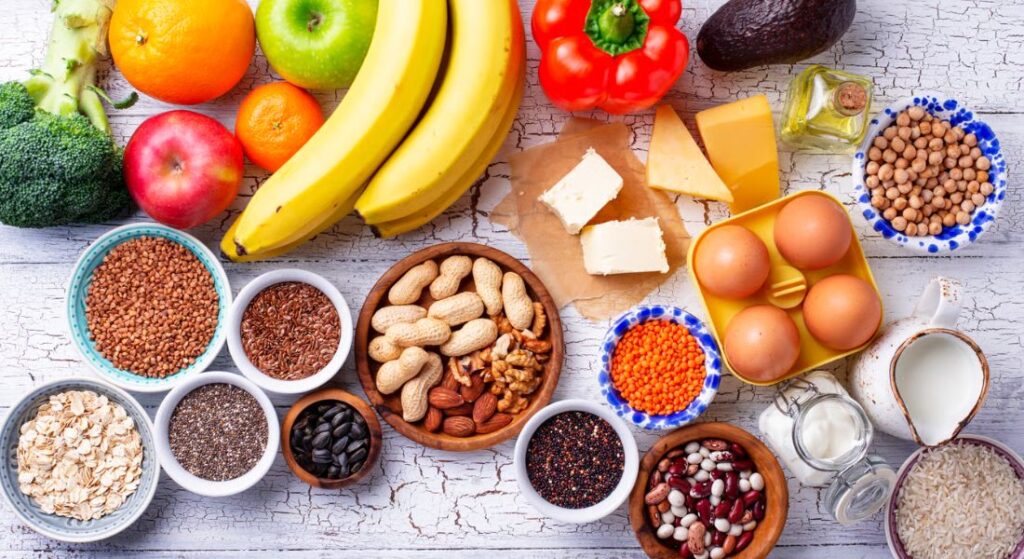
A well-planned gluten-free diet can provide all the nutrients your child needs, but it requires careful planning. When gluten-containing grains are removed, you may need to pay closer attention to nutrients such as fibre, iron, calcium, vitamin D, B vitamins, folate, iodine and overall energy intake.
Children following a gluten-free diet may have a lower intake of fibre and certain wholegrain products if suitable alternatives are not included. You should aim to include a variety of naturally gluten-free foods, fortified alternatives and nutrient-rich options to help maintain a balanced diet.
Some children with coeliac disease may already have nutrient deficiencies when they are diagnosed because intestinal damage has affected absorption. A paediatric dietitian can help you identify any gaps, support recovery and create a gluten-free eating pattern that suits your child’s age, growth and preferences.
Gluten-Free Nutrition at a Glance
| Nutrient or Food Group | Why It Matters | Gluten-Free Sources |
| Fibre | Bowel health and fullness | Fruit, vegetables, beans, lentils, potatoes with skins, gluten-free oats if suitable |
| Iron | Blood health and energy | Meat, fish, eggs, beans, lentils, fortified gluten-free cereals where available |
| Calcium | Bones and teeth | Milk, yoghurt, cheese, calcium-fortified alternatives |
| Vitamin D | Bone and muscle health | Supplements as advised, oily fish, eggs, fortified foods |
| B vitamins | Energy metabolism and growth | Meat, eggs, dairy, pulses, fortified gluten-free products |
| Protein | Growth and repair | Meat, fish, eggs, beans, lentils, tofu, dairy |
| Carbohydrates | Energy for growth and activity | Rice, potatoes, maize, quinoa, gluten-free pasta, gluten-free bread |
| Healthy fats | Energy and development | Oily fish, avocado, olive oil, nut butters where safe |
| Variety | Reduces restriction and improves nutrient spread | Mix naturally gluten-free foods with suitable gluten-free products |
A gluten-free diet should not become a diet of only white rice, crisps, biscuits and gluten-free cakes. Variety still matters.
Naturally Gluten-Free Foods
Many nutritious foods are naturally gluten-free and can form the foundation of a balanced diet for your child. These include fruit, vegetables, potatoes, rice, maize, quinoa, beans, lentils, chickpeas, meat, fish, eggs, milk, plain yoghurt, cheese, nuts and seeds where appropriate, as well as many herbs and spices.
A healthy gluten-free diet does not need to rely mainly on packaged gluten-free alternatives. You can support your child’s nutrition by including a wide variety of naturally gluten-free foods alongside suitable substitutes when needed.
Choosing more whole foods can help your child receive important nutrients while also making the diet more affordable and enjoyable. It may also reduce reliance on processed gluten-free products, which are not always the most nutritious choice.
Gluten-Free Substitutes
Gluten-free versions of familiar foods such as bread, pasta, pizza bases, crackers, flour and cereals can make daily life easier for your child. These alternatives can be particularly helpful for school lunches, family meals and helping your child feel included.
However, gluten-free products are not all nutritionally the same. Some may contain less fibre or protein than standard versions, while others may be higher in sugar, salt or fat, so you should compare labels when choosing products.
You can create a balanced gluten-free diet by combining suitable substitutes with naturally gluten-free foods such as fruit, vegetables, pulses, dairy products and protein sources. Choosing higher-fibre options where possible can help support your child’s nutrition and digestive health.
What About Oats?
Oats require careful consideration when your child has coeliac disease. Although oats do not naturally contain the same gluten proteins found in wheat, barley and rye, they contain avenin, a protein that some children with coeliac disease may not tolerate.
Another concern is contamination during processing. Standard oats are often processed alongside gluten-containing grains, meaning they may contain traces of wheat, barley or rye. For this reason, you should only choose oats that are specifically labelled gluten-free if your child has coeliac disease.
Most children with coeliac disease can tolerate gluten-free oats, but you should introduce them according to advice from your healthcare professional or dietitian. If your child develops symptoms after eating oats, seek medical guidance before continuing them.
Cross-Contamination Matters in Coeliac Disease
For children with coeliac disease, even small amounts of gluten can trigger an immune response and may damage the intestinal lining, even if your child does not develop noticeable symptoms. This means avoiding gluten is not only about choosing gluten-free foods but also preventing accidental exposure
Cross-contamination can happen through shared toasters, crumbs in butter, shared chopping boards, utensils, flour dust, contaminated oats, sauces or food prepared alongside gluten-containing ingredients. These risks are particularly important for children who need strict gluten avoidance.
The level of caution needed depends on your child’s diagnosis. A child with confirmed coeliac disease may need careful cross-contamination control, while this may not apply in the same way to other gluten-related symptoms.
A dietitian or coeliac specialist can help you understand what precautions are necessary. The aim is to keep your child safe without creating unnecessary fear around food, as practical routines can make gluten avoidance much easier to manage.
Reading Food Labels

Food labels become an important part of everyday life when your child follows a gluten-free diet. You will need to check ingredients for wheat, barley, rye and, in some situations, oats, as these grains may contain gluten.
In the UK, cereals containing gluten are recognised as allergens and must be clearly emphasised in ingredient lists. Products labelled gluten-free can be helpful, but you should remember that many naturally gluten-free foods, such as fresh fruit, vegetables, rice, potatoes, meat, fish and eggs, do not need special labelling unless they have been processed.
Learning to read labels can feel overwhelming at first, but it becomes easier with practice. A paediatric dietitian can help you understand what to look for and support you in making safe, practical choices for your child’s diet.
Key Fact:
In the UK, foods described as “gluten-free” must contain no more than 20 parts per million of gluten. Gluten-containing cereals must also be emphasised in the ingredients list when they are present as allergens.
Gluten-Free Diets and School
School planning is an important part of managing a gluten-free diet for your child. You may need to discuss school meals, packed lunches, snacks, cooking lessons, food technology activities, school trips, birthday treats and after-school clubs.
If your child has coeliac disease, school staff should understand that this is a medical requirement rather than a personal preference. Even small amounts of gluten and accidental cross-contamination can matter, so everyone involved should know how to keep your child safe.
A written plan can make daily situations easier to manage. You can include information about safe foods, foods to avoid, label checking, party arrangements and who is responsible for supporting your child.
As your child grows, you can gradually help them understand their condition and make safer food choices independently. With the right support, your child can take part in school life without feeling excluded.
Parties, Playdates and Eating Out
Social situations involving food can sometimes feel challenging when your child follows a gluten-free diet. With some preparation, you can help your child take part in parties, playdates and meals out without unnecessary stress.
Planning ahead can make a big difference. You may choose to send safe snacks, speak with party hosts, check restaurant menus in advance, bring a gluten-free treat or help your child learn to ask whether a food is safe before eating it.
If your child has coeliac disease, you may need to ask about cross-contamination when eating outside the home. Although these conversations may feel uncomfortable at first, they often become easier with experience.
The aim is to help your child feel confident and included rather than anxious about food. A gluten-free diet should protect your child’s health without making them feel defined by what they cannot eat.
Gluten-Free Diets for Fussy Eaters
A gluten-free diet can be more challenging when your child is already a fussy eater. Many familiar foods that children often prefer, such as bread, pasta, crackers, cereals, pizza and biscuits, may contain gluten, so removing them suddenly can reduce your child’s food choices and increase mealtime stress.
If your child needs to avoid gluten and already has a limited diet, support from a paediatric dietitian can be particularly helpful. You can work together to find suitable gluten-free alternatives for foods your child already accepts before slowly introducing more variety.
You should avoid removing gluten from a highly restricted eater without professional guidance unless there is a clear medical reason. A careful plan can help protect your child’s nutrition while making the transition feel more manageable.
Gluten-Free Diets for Vegetarian or Vegan Children
A gluten-free diet combined with vegetarian or vegan eating requires careful planning to ensure your child receives all the nutrients they need. Removing gluten-containing grains while also avoiding animal products can reduce common sources of protein, iron, vitamin B12, calcium, iodine and energy.
Children can follow these types of diets safely when they are well planned, but professional guidance becomes more important when several major food groups are excluded. You should pay particular attention to your child’s growth, appetite and overall nutritional intake.
A paediatric dietitian can help you create balanced meals that include suitable protein sources, iron-rich foods, fortified products, calcium sources, vitamin D and vitamin B12 where required. The more restricted your child’s diet becomes, the more important careful planning and monitoring are.
Gluten-Free Diets and Growth
Your child’s growth should be monitored carefully if they need to follow a gluten-free diet. If your child has coeliac disease, growth may improve once gluten is removed, the intestine begins to heal and the body can absorb nutrients more effectively.
However, you should seek further advice if your child remains underweight, continues to have symptoms or does not grow as expected. Ongoing concerns may mean that the diagnosis, gluten-free diet or overall nutrition plan needs to be reviewed.
NICE recognises faltering growth, poor weight gain and progressive weight loss as possible features that may warrant assessment for coeliac disease in children. Growth concerns should not be managed through food restriction alone, particularly if your child started a gluten-free diet without a confirmed diagnosis.
What If Symptoms Improve After Removing Gluten?
If your child feels better after removing gluten, it can be tempting to assume that gluten was definitely the cause. However, symptom improvement alone does not confirm coeliac disease or non-coeliac gluten sensitivity.
Your child may feel better because other changes happened at the same time, such as eating fewer processed foods, improving constipation, changing lactose intake or removing another food trigger. This is why a proper assessment is important before making long-term dietary decisions.
If gluten was removed before coeliac testing, confirming the diagnosis can become more difficult. NICE and NHS guidance recommend continuing to eat gluten until specialist diagnosis is complete. If your child has already stopped eating gluten, you should speak to a GP or paediatrician before making further changes, especially if previous symptoms were severe.
What If Coeliac Tests Are Negative?
Negative coeliac tests can be reassuring, but the results need to be interpreted carefully. The accuracy of testing depends on whether your child was still eating enough gluten before the blood test, as removing gluten beforehand can affect the results.
If your child’s symptoms continue despite negative tests, your doctor may explore other possible causes. These may include constipation, lactose intolerance, food allergy, inflammatory bowel disease, irritable bowel-type symptoms, infections, anxiety or, in some cases, non-coeliac gluten sensitivity.
NICE advises specialist assessment if coeliac disease is still strongly suspected despite negative blood tests. A negative result does not mean your child’s symptoms are not real; it simply means that further evaluation may be needed to understand the cause and find the right support.
Should Siblings Be Tested?
Coeliac disease can occur more frequently within families, so testing may be recommended for your child’s close relatives. If one child is diagnosed, siblings and other first-degree relatives may need advice about whether they should be tested, even if they have mild symptoms or no obvious signs.
NICE recommends offering coeliac testing to first-degree relatives of people with coeliac disease. Early identification can help ensure that children who need treatment receive appropriate support and monitoring.
You should not put siblings on a gluten-free diet “just in case” before testing. If testing is needed, they usually need to continue eating gluten to ensure the results are accurate. A GP or paediatrician can guide you on who should be tested and the right timing.
Gluten-Free Diets and Nutritional Follow-Up

Children with confirmed coeliac disease usually need ongoing follow-up to support their health and development. This may include reviewing symptoms, monitoring growth, checking adherence to the gluten-free diet and assessing important nutrients such as iron, vitamin D, calcium and folate.
NICE recommends that people with coeliac disease receive advice from a healthcare professional with specialist knowledge of the condition and the gluten-free diet. A paediatric dietitian can provide practical support to help your child maintain a balanced and sustainable eating pattern.
Regular follow-up helps identify any nutritional gaps and ensures that the gluten-free diet is working effectively. With the right support, you can help your child manage coeliac disease safely while maintaining a varied and enjoyable diet.
When a Gluten-Free Diet Is Not Usually the Answer
A gluten-free diet is not usually the right solution for common concerns such as ordinary fussy eating, unexplained tiredness without assessment, behaviour changes alone, weight management, eczema without allergy evaluation, recurrent infections without review or constipation where other causes have not been considered.
This does not mean that your child’s symptoms should be dismissed. Instead, it means you should look for the actual cause rather than assuming gluten is responsible and making long-term dietary changes without guidance.
If your child has ongoing or concerning symptoms, the best first step is usually a review with a GP, paediatrician or dietitian. A proper assessment can help identify whether your child needs a gluten-free diet or a different type of support.
Practical Meal Ideas if Gluten Must Be Avoided
A gluten-free diet can still include plenty of nutritious foods.
| Meal | Gluten-Free Example |
| Breakfast | Porridge made with gluten-free oats if suitable, fruit and milk |
| Breakfast | Eggs with potatoes or gluten-free toast |
| Lunch | Rice bowl with chicken, tofu, beans or fish and vegetables |
| Lunch | Gluten-free wrap with hummus, cheese, egg or chicken |
| Dinner | Potato, vegetables and salmon or lentils |
| Dinner | Dhal with rice and yoghurt |
| Snack | Fruit with yoghurt |
| Snack | Cheese and gluten-free crackers |
| Snack | Hummus with vegetable sticks |
| Snack | Smooth nut butter on gluten-free toast where safe |
Adapt meals to your child’s age, allergy status, cultural diet, chewing ability and preferences.
Building a Balanced Gluten-Free Plate
A balanced gluten-free diet follows many of the same principles as a healthy diet for any child. You should aim to include a variety of foods that provide enough energy, protein, fibre, vitamins and minerals to support your child’s growth and development.
Try to include a gluten-free carbohydrate source such as rice, potatoes, maize, quinoa, gluten-free pasta or gluten-free bread. Add protein foods such as eggs, fish, chicken, meat, beans, lentils, tofu or dairy products, along with fruit and vegetables, calcium sources and healthy fats such as olive oil, avocado, oily fish or nut butters where suitable.
If your child relies mainly on packaged gluten-free products, you can gradually introduce more naturally gluten-free foods. Small, manageable changes can help create a more nutritious diet without making mealtimes feel overwhelming.
When to See a GP
You should speak to a GP if your child has persistent symptoms such as tummy pain, bloating, diarrhoea, constipation, vomiting, poor appetite, tiredness, poor growth, weight loss, mouth ulcers, unexplained anaemia, delayed puberty, skin rashes or a family history of coeliac disease.
You should also seek medical advice if you think your child may have a wheat allergy, reacts after eating wheat or you are considering removing gluten because of ongoing symptoms. Getting guidance before making dietary changes can help ensure the correct condition is investigated.
A GP can review your child’s symptoms, growth, family history and overall health to decide whether coeliac testing, allergy assessment or specialist referral is needed. Remember that coeliac testing is most accurate when your child is still eating gluten, so avoid removing it before speaking to a healthcare professional.
When to See a Paediatrician or Dietitian
A paediatrician may be helpful if your child has ongoing symptoms, concerns about growth, abnormal blood test results, suspected coeliac disease, possible allergies or a diagnosis that remains unclear. Specialist assessment can help identify the cause and guide the most appropriate treatment.
A paediatric dietitian can provide valuable support if your child has confirmed coeliac disease, needs a wheat-free diet, has restricted eating habits, faltering growth, a vegan or vegetarian diet, multiple allergies or concerns about nutrition.
Getting specialist guidance can help you make informed decisions about your child’s diet. It can reduce the risk of unnecessary food restrictions while ensuring that important medical conditions are recognised and properly managed.
When Symptoms Are Urgent
Most concerns related to gluten can be assessed through a routine appointment, but some symptoms require urgent medical attention. You should call 999 immediately if your child has difficulty breathing, throat or tongue swelling, severe wheezing, becomes pale or floppy, becomes faint, collapses or shows signs of a severe allergic reaction after eating. If your child has been prescribed an adrenaline auto-injector, use it immediately according to their emergency allergy plan and then call 999.
You should also seek prompt medical advice if your child has blood in their stool, persistent vomiting, dehydration, severe abdominal pain, rapid weight loss, extreme tiredness, fainting or appears seriously unwell. These symptoms may need assessment for causes beyond gluten-related conditions.
You should not try to manage serious symptoms by simply removing gluten at home. A gluten-free diet may be an important treatment for certain conditions, but it is not a replacement for urgent medical care when your child may be seriously unwell.
Common Myths About Gluten-Free Diets for Children
| Myth | Fact |
| Gluten-free is healthier for every child | It is only medically necessary for certain conditions |
| Cutting gluten is harmless | It can affect coeliac testing and reduce diet variety |
| Coeliac disease can be diagnosed accurately after going gluten-free | Testing is most accurate while eating gluten |
| Wheat allergy and coeliac disease are the same | They are different conditions with different management |
| Gluten-free foods are always more nutritious | Some packaged gluten-free foods can be lower in fibre or more processed |
| A child with tummy pain should immediately stop gluten | They should be assessed first |
| If symptoms improve off gluten, coeliac disease is proven | Improvement alone does not confirm the diagnosis |
| Children with coeliac disease can eat small amounts of gluten | Coeliac disease needs strict gluten avoidance |
| Oats are always safe | Only gluten-free oats are suitable for most people with coeliac disease, and a few may still react |
| A family member’s gluten-free diet means the child should also avoid gluten | The child needs their own assessment |
These myths can lead to missed diagnosis or unnecessary restriction.
Key Takeaways
- A strict lifelong gluten-free diet is required for confirmed coeliac disease.
- Do not remove gluten before coeliac testing and specialist assessment.
- Wheat allergy and coeliac disease are different and require different investigations.
- Gluten-free diets are not routinely recommended for behaviour concerns, autism or ordinary fussy eating.
- Children who need gluten avoidance require attention to growth, fibre, iron, calcium, vitamin D and overall dietary variety.
- Seek professional advice before excluding gluten, particularly when your child has poor growth, persistent symptoms or a restricted diet.
FAQs:
1. When does a child really need a gluten-free diet?
A gluten-free diet is medically necessary for children with confirmed coeliac disease. It may also be recommended in certain cases of wheat allergy, while non-coeliac gluten sensitivity requires careful assessment after other conditions have been excluded. It is not routinely recommended for healthy children without a clear medical reason.
2. Should I remove gluten if I think my child has coeliac disease?
No. Your child should continue eating gluten until all recommended tests and any specialist assessment have been completed. Removing gluten too early can make coeliac disease more difficult to diagnose accurately.
3. What symptoms could suggest coeliac disease in children?
Possible symptoms include ongoing tummy pain, bloating, diarrhoea, constipation, poor weight gain, faltering growth, tiredness, mouth ulcers, unexplained anaemia and poor appetite. Some children have very mild symptoms or none at all, so professional assessment is important.
4. Is a gluten-free diet healthier for every child?
No. A gluten-free diet is not automatically healthier. For children without coeliac disease, wheat allergy or another diagnosed condition, removing gluten may unnecessarily restrict food choices and reduce intake of important nutrients such as fibre and certain vitamins.
5. What is the difference between coeliac disease and a wheat allergy?
Coeliac disease is an autoimmune condition in which gluten damages the small intestine. A wheat allergy is an allergic reaction to proteins in wheat and may cause symptoms such as hives, swelling or breathing difficulties. They are different conditions and require different approaches to diagnosis and treatment.
6. Can my child still have a balanced diet if they need to avoid gluten?
Yes. With careful planning, a gluten-free diet can provide all the nutrients a growing child needs. Naturally gluten-free foods such as fruit, vegetables, rice, potatoes, beans, meat, fish, eggs and dairy can form the basis of a healthy, balanced diet.
7. Are oats safe for children with coeliac disease?
Most children with coeliac disease can eat oats that are specifically labelled as gluten-free because they are produced to avoid contamination. However, a small number of people may still react to oats, so they should be introduced following advice from a healthcare professional.
8. Can a gluten-free diet help with autism, ADHD or behaviour problems?
There is no recommendation to routinely use a gluten-free diet for autism, ADHD or behaviour concerns alone. Any dietary changes should be based on an individual medical assessment rather than internet trends or anecdotal reports.
9. Why is a paediatric dietitian helpful after a coeliac disease diagnosis?
A paediatric dietitian can help ensure your child’s diet remains balanced, identify suitable gluten-free alternatives, monitor important nutrients and provide practical advice for school meals, eating out and avoiding cross-contamination.
10. When should I seek medical advice about my child’s symptoms?
You should speak to a GP if your child has persistent tummy pain, bloating, diarrhoea, constipation, poor growth, unexplained tiredness, weight loss, mouth ulcers, anaemia or a family history of coeliac disease. Early assessment can help identify the cause and ensure your child receives the most appropriate care.
Final Thoughts: Supporting Your Child with the Right Gluten-Free Approach
A gluten-free diet can be an essential part of life for children with confirmed coeliac disease, but it is not something every child needs to follow. The most important step is getting the right diagnosis before making major dietary changes, as coeliac disease, wheat allergy and other gluten-related concerns require different approaches and support.
If your child does need to avoid gluten, a carefully planned diet can still provide everything they need for healthy growth and development. With guidance from a healthcare professional or paediatric dietitian, you can include a wide variety of nutritious foods, manage school and social situations, and reduce the stress that can come with dietary restrictions. If you’re looking for a paediatrician for nutrition in children, you can get in touch with us at London Paediatric Clinic.
References:
- National Institute for Health and Care Excellence (NICE) (2015, reviewed 2019) ‘Coeliac disease: recognition, assessment and management (NICE guideline NG20)’. Available at: https://www.nice.org.uk/guidance/ng20
- NHS (2023b) ‘Food allergy’ (reviewed 5 January 2023). Available at: https://www.nhs.uk/conditions/food-allergy/
- Husby, S. et al. (2020) ‘European Society Paediatric Gastroenterology, Hepatology and Nutrition guidelines for diagnosing coeliac disease 2020’, Journal of Pediatric Gastroenterology and Nutrition, 70(1), pp. 141–156. Available at: https://pubmed.ncbi.nlm.nih.gov/31568151/
- Di Nardo, G. et al. (2019) ‘Nutritional deficiencies in children with celiac disease resulting from a gluten-free diet: a systematic review’, Nutrients, 11(7), article 1588. Available at: https://pmc.ncbi.nlm.nih.gov/articles/PMC6683263/
- Roszkowska, A., Pawlicka, M., Mroczek, A., Bałabuszek, K. and Nieradko-Iwanicka, B. (2019) ‘Non-celiac gluten sensitivity: a review’, Medicina, 55(6), article 222. Available at: https://pmc.ncbi.nlm.nih.gov/articles/PMC6630947/
- NHS (2023a) ‘Diagnosis – coeliac disease’ (reviewed 31 March 2023). Available at: https://www.nhs.uk/conditions/coeliac-disease/diagnosis/
- NHS (2023c) ‘Treatment – coeliac disease’ (reviewed 31 March 2023). Available at: https://www.nhs.uk/conditions/coeliac-disease/treatment/
- National Institute for Health and Care Excellence (NICE) (2011, reviewed 2018) ‘Food allergy in under 19s: assessment and diagnosis (Clinical guideline CG116)’. Available at: https://www.nice.org.uk/guidance/cg116
- National Institute for Health and Care Excellence (NICE) (2013, updated 2021, reviewed 2025) ‘Autism spectrum disorder in under 19s: support and management (Clinical guideline CG170)’. Available at: https://www.nice.org.uk/guidance/cg170
- Food Standards Agency (2023, revised 2025) ‘Food allergen labelling and information requirements technical guidance’. Available at: https://www.gov.uk/government/publications/food-allergen-labelling-and-information-requirements-technical-guidance/food-allergen-labelling-and-information-requirements-technical-guidance
- Coeliac UK (no date) ‘How to test children’. Available at: https://www.coeliac.org.uk/healthcare-professionals/healthcare-professionals-diagnosis/how-to-test-children/
- Frimley Health NHS Foundation Trust (2026) ‘Paediatric – gluten-free living for children with coeliac disease’ (approved 22 May 2026). Available at: https://www.fhft.nhs.uk/patients-and-visitors/patient-information-library/paediatric-gluten-free-living-children-coeliac-disease