




When your child has an ongoing health problem, you may be unsure whether to see a general paediatrician or a specialist. You can usually start with a general paediatrician if your child’s symptoms are unclear or involve several areas.
If your child already has a diagnosis that requires more focused assessment or specialist management, they may benefit from seeing a clinician in an area such as neurology or gastroenterology. You do not need to identify the exact specialty yourself; your GP or paediatrician can guide you.
What Is a General Paediatrician?
A general paediatrician specialises in babies, children and young people while managing a wide range of health problems. You may find this especially useful when your child has several symptoms that do not clearly point to one condition.
Your paediatrician can consider your child’s symptoms, growth, development and medical history together. Your child can then receive treatment within general paediatrics or be referred to a more focused specialist if needed.
What Is a Paediatric Specialist?
A paediatric specialist has particular expertise in a defined area of children’s health, such as neurology, gastroenterology, respiratory medicine or endocrinology. Some of these areas are recognised RCPCH paediatric sub-specialties, while other children’s specialties follow different UK training pathways. Your child may need a specialist when they have a known condition or symptoms that strongly suggest one area needs closer assessment.
You do not need to choose the exact specialist yourself. Your GP or general paediatrician can guide you towards the right expert based on your child’s symptoms and needs.
General Paediatrician vs Specialist: What Is the Difference?
| Feature | General paediatrician | Paediatric specialist |
| Main focus | Broad assessment of children’s health | Focused expertise in a particular field |
| Useful when | Symptoms are unclear, affect several areas or need an overall assessment | A specific condition or clinical problem needs more focused expertise |
| Assessment | Considers symptoms, growth, development and medical history together | Concentrates more closely on the relevant organ system or condition |
| Tests | May arrange appropriate initial investigations | May arrange more specialised investigations where clinically appropriate |
| Ongoing care | May continue care or coordinate referrals | May provide specialist treatment or shared care with other teams |
When Is a General Paediatrician the Best Starting Point?

Your child may benefit from seeing a general paediatrician when they have symptoms but the cause is not yet clear. Your child may have tiredness, poor weight gain, recurrent fevers or several symptoms that do not clearly point to one specialty.
A general paediatrician can assess the wider picture, arrange initial tests and decide what your child needs next. If specialist care is needed, the assessment can help direct your child towards the most appropriate team.
When Might a Paediatric Specialist Be the Right Next Step?
A paediatric specialist may be the right choice when your child has a diagnosed condition or symptoms that clearly relate to a particular area of medicine. Specialist care can provide more focused assessment and management when broader paediatric care is no longer enough.
- Known Medical Condition: Your child may benefit from specialist care if they already have a diagnosis that requires focused monitoring or treatment.
- Persistent Symptoms: Your child may need specialist advice when their symptoms continue despite initial assessment or treatment.
- Neurological Concerns: A paediatric neurologist may be appropriate if your child has an established neurological condition or certain persistent neurological symptoms.
- Digestive Problems: A paediatric gastroenterologist may be helpful when ongoing or complex digestive symptoms require more specialised assessment.
- Other Specialist Needs: Your child may be referred to areas such as respiratory medicine, endocrinology or cardiology depending on their symptoms and diagnosis.
You do not need to decide which specialist your child should see on your own. Your GP or general paediatrician can assess their needs and guide you towards the most appropriate specialist service.
What Types of Paediatric Specialists Are There?
Children’s medicine includes many specialties, such as neurology, gastroenterology, respiratory medicine, endocrinology and cardiology. You do not need to know which specialist your child needs when their symptoms are unclear.
You can start with your GP or general paediatrician, who can assess your child and guide you to the right specialist.
UK Guidance Note
Within NHS care, your child will generally need a professional referral before seeing a hospital specialist. This is usually arranged through your GP, although some local pathways may accept referrals from other healthcare professionals. The referral should be based on your child’s clinical needs and the relevant local pathway. Private paediatric services may allow direct booking, although referral arrangements vary and some medical insurers require a GP referral before they will fund specialist care.
Evidence Note
Paediatric care often involves both broad assessment and more focused specialist input. A general paediatrician can help identify which area needs closer attention and coordinate referral when a child’s symptoms or diagnosis require specialist expertise.
When Would Your Child Need a Paediatric Neurologist?
A paediatric neurologist specialises in neurological conditions affecting children and young people. Specialist input may be appropriate for problems such as recurrent seizures, movement disorders, persistent unexplained weakness or an established neurological condition.
You do not need a neurologist for every headache or unusual symptom. You can start with a general paediatrician, who can assess your child and arrange a referral if specialist neurological care is needed.
When Might a Gastroenterology Specialist Be Needed?
You can usually start with your GP or a general paediatrician if your child has abdominal pain, constipation, vomiting or diarrhoea. A paediatric gastroenterologist may become involved when digestive symptoms are persistent or complex, affect growth or suggest a condition requiring specialist investigation or management. Significant bleeding or a child who is acutely unwell should be assessed urgently rather than waiting for a routine specialist appointment.
Your doctor can arrange initial blood or stool tests and assess your child’s symptoms. If your child needs specialist care, their doctor can refer them to the appropriate gastrointestinal team.
When Would Your Child Need a Respiratory or Allergy Specialist?

Common coughs and respiratory infections can often be assessed initially by your GP or general paediatrician. More persistent, recurrent or difficult-to-control respiratory problems may require specialist assessment. Your child may need a respiratory specialist if their symptoms are severe, persistent, unusual or difficult to control.
A paediatric respiratory specialist may assess conditions such as difficult-to-treat asthma, chronic respiratory symptoms or more complex lung problems. An allergy specialist may be more appropriate when symptoms suggest an allergic condition or a significant allergic trigger. Your GP or paediatrician can help decide which service best matches your child’s symptoms.
When Might an Endocrinology Specialist Be Appropriate?
A paediatric endocrinologist may be involved when your child has persistent concerns relating to growth or puberty, an established hormonal disorder or diabetes that requires specialist care. Your GP or general paediatrician can assess many growth and developmental concerns initially and decide whether endocrine referral is appropriate. If your child develops symptoms that could suggest new type 1 diabetes, such as passing urine frequently, being unusually thirsty, becoming very tired and losing weight, seek urgent medical assessment rather than waiting for a routine endocrinology appointment.
You do not need specialist hormone tests for every concern about height, weight or tiredness. Your doctor can decide whether your child needs an endocrinology assessment based on their overall symptoms.
When Should You Seek Urgent Help Instead of Waiting for a Specialist?
Choosing between a general paediatrician and a specialist is mainly relevant to routine or planned care. If your child is acutely or seriously unwell, you should not delay urgent medical assessment while deciding which specialist they may need.
Call 999 if your child has a life-threatening emergency, such as severe difficulty breathing, or if they are unconscious or cannot be woken. You should also call 999 if you think your child is having a seizure for the first time. NHS 111 can advise you about urgent problems that do not appear immediately life-threatening. If you think your child may have type 1 diabetes because of symptoms such as increased thirst and urination, tiredness or unexplained weight loss, ask for an urgent GP appointment or contact NHS 111. Call 999 or go to A&E if their symptoms worsen rapidly or they develop vomiting, abdominal pain, unusual drowsiness or confusion, or faster and deeper breathing.
What If Your Child Has Symptoms Affecting Several Body Systems?
Your child may benefit from general paediatrics when their symptoms involve several areas, such as headaches, tiredness, poor appetite and abdominal discomfort. Instead of sending your child to several specialists, a general paediatrician can look at the full picture.
Your paediatrician can consider your child’s growth, development, medicines and family history together. Your child may then receive care from one team or be referred to the appropriate specialists if needed.
Can a General Paediatrician Arrange Specialist Investigations?
Yes. Your general paediatrician can assess your child’s symptoms and may arrange or request appropriate investigations, such as blood tests, urine tests or imaging, depending on the clinical situation and care setting. Your child may then be referred to a specialist if further investigation is required.
You should not expect every test to be necessary. Your paediatrician will choose tests based on your child’s symptoms and explain the next steps.
Can a General Paediatrician Refer Your Child to a Paediatric Sub-specialist?
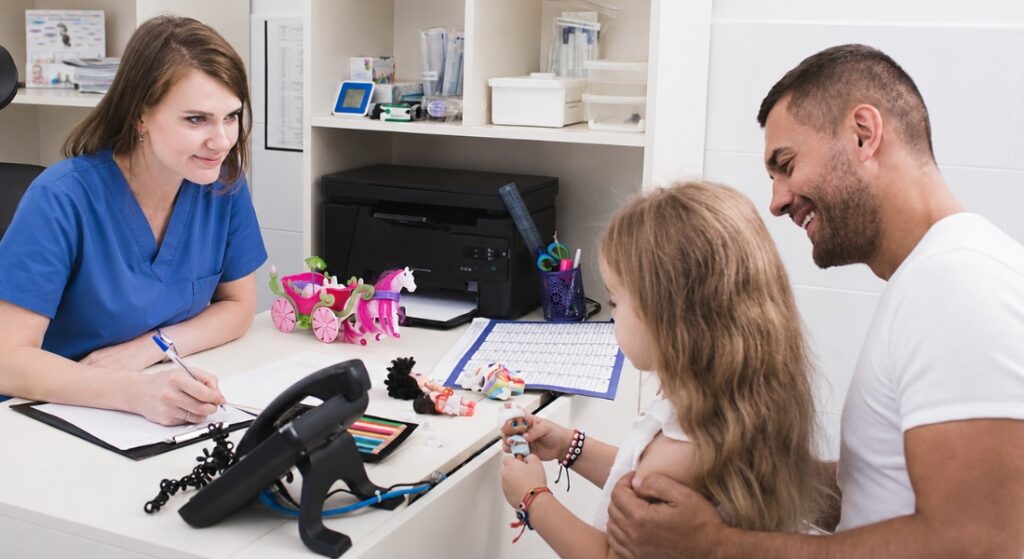
Yes. Your general paediatrician can assess your child and refer them to a specialist when more focused expertise is needed. This can help ensure that the referral contains relevant clinical information and is directed towards an appropriate specialist service.
Your child may then remain with the specialist, return to general paediatrics or receive shared care. It can be helpful to understand which team is responsible for each part of your child’s treatment and who to contact if your child’s symptoms change.
Does Seeing a Specialist Mean Your Child Has a Serious Condition?
No. You should not assume that a specialist referral means your child has a serious or rare condition. Your child may be referred because symptoms persist, a test needs specialist interpretation or treatment has not worked as expected.
Your child may also be referred simply because their symptoms fit a particular specialty. Your GP or general paediatrician can help you follow the right pathway based on your child’s needs.
Can Your Child Be Under Both General and Specialist Paediatric Care?
Yes. You may find that your child needs a specialist alongside a general paediatrician and GP, especially with complex or long-term conditions. Each doctor can focus on different aspects of your child’s care.
It can be helpful to know which clinician is coordinating your child’s treatment, particularly when several teams are involved. If you are unsure who should manage a new symptom, you can ask your child’s care team.
How Do You Choose the Right Paediatrician?
You should start with your child’s actual health concern rather than choosing the most specialised doctor. If the diagnosis is unclear, your child may benefit from seeing a general paediatrician who can assess the wider picture.
You can check the doctor’s specialist area, clinical experience and whether their usual practice matches your child’s particular needs. In private care, you may also want to check whether the clinician and hospital or clinic are recognised by your insurer if you plan to use medical insurance. If you are unsure, your GP or existing paediatrician can help you choose the right specialist.
How Can You Prepare for the Appointment?

You can make your child’s appointment more useful by noting when symptoms started, how often they occur and any changes you have noticed. You should also bring details of medicines, previous treatments and relevant test results.
You can share information about your child’s sleep, growth, development, appetite and school life if relevant. If your child is old enough and feels comfortable doing so, encourage them to describe their symptoms and concerns in their own words, and prepare the key questions you would like answered.
Clinical Tip
If you are unsure which specialist your child needs, you do not have to decide this yourself. Start with your GP or general paediatrician, who can assess the overall pattern of symptoms and guide you towards the most appropriate service if specialist input is needed.
Myth vs Fact
| Myth | Fact |
| My child should see a specialist whenever symptoms continue for more than a few days. | Persistent symptoms may need reassessment, but a GP or general paediatrician can decide whether specialist input is appropriate. |
| Being referred to a paediatric specialist means my child probably has a serious condition. | Not necessarily. Referral may simply be needed for focused assessment, interpretation of tests or treatment advice. |
| I need to know exactly which specialist my child needs before seeking help. | No. A GP or general paediatrician can assess the overall picture and guide you to the most appropriate service. |
Key Takeaways
- A general paediatrician can be a useful starting point when your child’s symptoms are unclear, involve several areas or need a broad assessment.
- More focused specialist care may be appropriate when a condition requires expertise in a particular field.
- Within the NHS, hospital specialist care generally requires professional referral; private access arrangements can vary.
- If your child is seriously or acutely unwell, seek urgent medical help rather than waiting for a routine paediatric appointment.
Frequently Asked Questions
1. What is the difference between a general paediatrician and a paediatric specialist?
A general paediatrician manages a wide range of children’s health problems, while a paediatric specialist focuses on a particular area, such as neurology, gastroenterology or cardiology. You can usually start with a general paediatrician if the cause of your child’s symptoms is unclear.
2. When should my child see a general paediatrician?
A general paediatrician can be a good starting point when your child’s symptoms are unclear, involve several areas or have not been fully explained. They can assess the wider picture and arrange further tests or referrals if needed.
3. When might my child need a paediatric specialist?
Your child may benefit from specialist care if they have a condition that requires focused expertise or symptoms that strongly suggest a particular area of medicine.
4. What types of paediatric specialists are there?
Paediatric specialists include neurologists, gastroenterologists, respiratory specialists, endocrinologists and cardiologists. The right specialist depends on your child’s symptoms, diagnosis and healthcare needs.
5. When would my child need a paediatric neurologist?
A paediatric neurologist may assess children with recurrent seizures, movement disorders, persistent unexplained weakness or established neurological conditions. A first seizure should not wait for a routine neurology appointment; call 999 for emergency medical assessment.
6. When might my child need a paediatric gastroenterologist?
Your child may need a gastroenterologist if digestive symptoms such as abdominal pain, vomiting or diarrhoea are persistent or complex, or are affecting their growth. Significant bleeding or an acutely unwell child should be assessed urgently rather than waiting for a routine specialist appointment. Your GP or paediatrician can arrange initial assessment and referral.
7. Can a general paediatrician arrange tests?
Yes. A general paediatrician can arrange tests such as blood or urine tests and imaging when clinically appropriate. They can then refer your child for specialist investigations if needed.
8. Can a general paediatrician refer my child to a specialist?
Yes. Your general paediatrician can refer your child to the most appropriate specialist when more focused expertise is needed. Your child may later remain with the specialist, return to general paediatrics or receive shared care.
9. Does seeing a paediatric specialist mean my child has a serious condition?
No. A specialist referral does not necessarily mean your child has a serious or rare condition. You may be referred because symptoms persist, a test needs specialist interpretation or treatment has not worked as expected.
10. How do I choose the right paediatrician for my child?
If your child’s diagnosis is unclear, a general paediatrician can assess the wider picture first. If your child already has a known condition, you can discuss the most suitable specialist with your GP or existing paediatrician.
Final Thoughts: How Can You Choose the Right Paediatric Care for Your Child?
Choosing between a general paediatrician and a specialist depends on your child’s symptoms, diagnosis and individual needs. If you are unsure about the cause of your child’s symptoms, a general paediatrician can assess the wider picture and guide you towards the right specialist if needed.
If your child has a condition that requires more focused assessment or management, they may benefit from seeing a paediatric specialist with relevant expertise. The important thing is that your child receives the right assessment and coordinated care at the appropriate stage. If your child needs specialist paediatric care in London, you can contact us at London Paediatric Clinic for support.
References:
- Royal College of Paediatrics and Child Health (RCPCH) (no date) General paediatrics – specialty level training. Available at: https://www.rcpch.ac.uk/education-careers/apply-paediatrics/sub-specialties/general-paediatrics
- Royal College of Paediatrics and Child Health (RCPCH) (no date) Paediatric sub-specialties. Available at: https://www.rcpch.ac.uk/education-careers/apply-paediatrics/sub-specialties
- Royal College of Paediatrics and Child Health (RCPCH) (2024) Multidisciplinary teams in paediatrics – a guide. Available at: https://www.rcpch.ac.uk/resources/multidisciplinary-teams-paediatrics-guide
- NHS (no date) Referrals for specialist care. Available at: https://www.nhs.uk/nhs-services/hospitals/referrals-for-specialist-care/
- NHS (no date) Epilepsy. Available at: https://www.nhs.uk/conditions/epilepsy/
- British Society of Paediatric Gastroenterology, Hepatology and Nutrition (BSPGHAN) (no date) About BSPGHAN. Available at: https://bspghan.org.uk/about-bspghan/
- British Paediatric Respiratory Society (BPRS) (2025) Standards for a Paediatric Respiratory Service in Secondary Care. Available at: https://bprs.co.uk/2025/08/22/standards-for-a-paediatric-respiratory-service-in-secondary-care/
- NHS (no date) Symptoms of type 1 diabetes and how it’s diagnosed. Available at: https://www.nhs.uk/conditions/type-1-diabetes/symptoms/
- British Congenital Cardiac Association (BCCA) (2024) Paediatric Cardiology. Available at: https://www.bcca-uk.org/paediatric-cardiology
- Royal College of Paediatrics and Child Health (RCPCH) (no date) Introducing paediatric training – a world of opportunities. Available at: https://www.rcpch.ac.uk/education-careers/choose-paediatrics/introducing-training