




If your child gets migraines, you may wonder whether something they eat is triggering their headaches. You might notice symptoms after chocolate, cheese, fizzy drinks or another food, but one episode does not necessarily mean that food is the cause.
Some children may have food-related migraine triggers, but these vary from child to child and evidence for many commonly blamed foods is limited. You can usually start by focusing on regular meals, good hydration and a balanced diet rather than removing several foods without a clear pattern.
Can Food Really Trigger a Migraine in a Child?
You may notice that certain foods or drinks seem to trigger your child’s migraines. Chocolate, caffeine-containing drinks, cheese and citrus fruits are sometimes reported, but you should remember that a trigger for one child may not affect another.
You do not need to follow a universal “migraine diet” for your child. Instead, you can look for a consistent pattern and avoid removing foods unless there is a clear reason to believe they are triggering your child’s migraines.
Food Triggers Are Different for Every Child
You may find that your child’s migraine is influenced by several factors at once, rather than one food alone. Missing breakfast, poor sleep, stress, dehydration and a suspected food trigger can sometimes combine to make an attack more likely.
You should therefore look for a repeated pattern rather than blaming one food after a single episode. A food may seem to trigger a migraine on one occasion but cause no problem when your child is well rested, hydrated and eating regular meals.
Which Dietary Factors Are Most Worth Paying Attention To?
| Dietary factor | What the evidence suggests | Practical approach |
| Skipped meals/fasting | Recognised migraine trigger | Prioritise regular meals |
| Dehydration | Common headache/migraine contributor | Encourage regular water intake |
| Caffeine | Can contribute in some children | Keep intake low and consistent |
| High-caffeine energy drinks | Not recommended for children | Avoid as a routine drink |
| Chocolate | Frequently suspected, but causation is uncertain | Do not automatically exclude |
| Aged cheese | Reported by some children | Only restrict if a repeated pattern exists |
| Citrus fruits | Sometimes reported | Do not routinely remove |
| MSG/artificial sweeteners/nitrates | Evidence inconsistent | Assess individual pattern |
| Broad elimination diet | Can become unnecessarily restrictive | Avoid without professional guidance |
Skipping Meals Can Be an Important Migraine Trigger
You may find that your child’s migraines are more closely linked to skipped meals than to a particular food. Missing breakfast or going for long periods without eating can leave your child hungry and tired, which may make a migraine more likely.
You can help by keeping meals regular, especially on busy school days. A consistent breakfast, lunch and evening meal routine may be more useful than immediately removing individual foods from your child’s diet.
Why Regular Meals May Help
You can support your child by offering regular, balanced meals throughout the day. Long gaps without food may make migraines more likely, particularly when your child is also tired, dehydrated or stressed.
You can include carbohydrates, protein, fruit and vegetables in your child’s meals to provide a steady source of energy. If there is a long gap between meals, you may also find that a suitable snack helps your child avoid becoming overly hungry.
Research Insight
Research on migraine suggests that commonly suspected food triggers do not affect everyone in the same way. Food cravings can also occur during the early phase of a migraine attack, so eating a food such as chocolate shortly before a headache does not necessarily prove that the food caused the migraine.
Can Cheese Cause Migraines?
You may notice that certain cheeses, particularly mature or aged varieties, seem to trigger your child’s migraines. However, you should not assume that all cheese or dairy products need to be avoided, as most children will not have the same response.
You can keep a simple record of which cheese your child eats and whether a migraine follows consistently. This can help you identify a genuine pattern without unnecessarily removing nutritious dairy foods from your child’s diet.
Is Chocolate a Migraine Trigger?
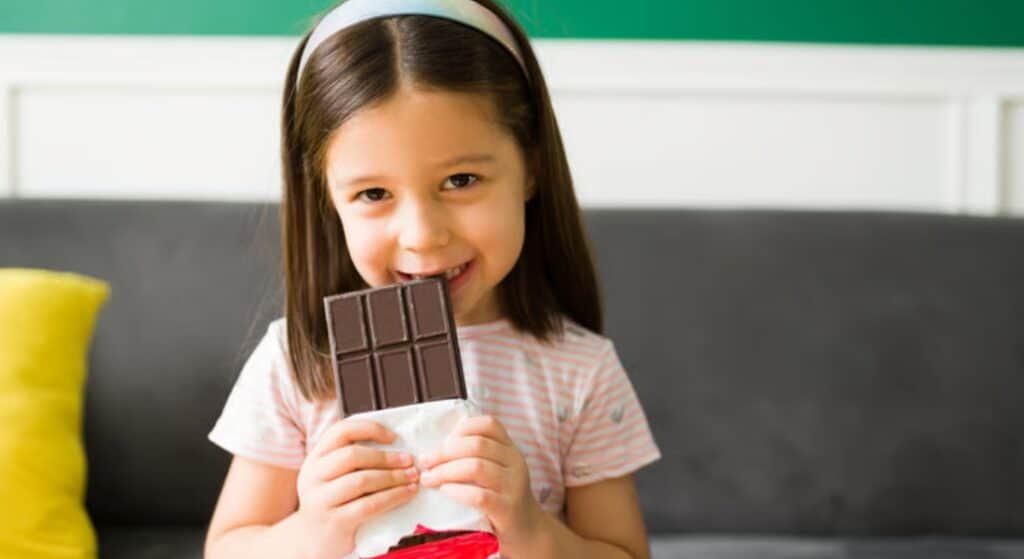
You may notice that chocolate seems to trigger your child’s migraine, but this does not mean it will affect every child. If your child repeatedly develops symptoms after eating chocolate, you can discuss the pattern with their doctor rather than removing it after one episode.
You should also remember that food cravings can occur before a migraine begins. If your child asks for chocolate shortly before developing a headache, the migraine may already be developing rather than being caused by the chocolate.
What About Caffeine?
You may find that caffeine affects your child’s migraines, particularly if they consume large amounts or suddenly change how much they usually have. Caffeine can be found in tea, coffee, cola, energy drinks and some chocolate products, so you should consider your child’s overall intake.
You can keep your child’s caffeine intake low and avoid high-caffeine energy drinks, particularly in children and younger teenagers. Caffeine-containing drinks are reported as possible migraine triggers in some children, while regular meals and balanced dietary habits remain an important part of migraine management.
Fizzy Drinks and Energy Drinks May Need Attention
You should pay attention to how often your child drinks fizzy drinks, particularly cola and other drinks that contain caffeine. If your child regularly chooses these instead of water, you may notice that headaches occur more often when their intake is higher.
You can encourage water throughout the day and keep energy drinks out of your child’s routine. Tracking your child’s drinks alongside their headaches can also help you see whether caffeine or poor hydration is contributing to their migraine pattern.
Are Food Additives Responsible?
You may wonder whether additives such as monosodium glutamate (MSG), artificial sweeteners or nitrates are triggering your child’s migraines. Evidence linking these ingredients to childhood migraine is inconsistent, so you should avoid removing several foods simply because they contain certain additives.
- Evidence Is Mixed: Research has not shown that common food additives consistently trigger migraines in every child.
- Look for a Pattern: Record what your child eats before headaches to see whether the same product repeatedly appears before an attack.
- Avoid Broad Restrictions: Removing many processed foods or ingredients without a clear pattern can make your child’s diet unnecessarily restrictive.
- Discuss Repeated Triggers: If one product consistently seems to cause migraines, you can discuss its ingredients and suitable alternatives with your child’s doctor or dietitian.
Food additives may be relevant for some children, but they should be assessed as individual potential triggers rather than universally avoided. Looking for repeated patterns can help you make dietary changes based on your child’s actual experience.
Citrus Fruits and Other Foods Are Sometimes Suspected
You may see citrus fruits, tomatoes, baked beans and other foods listed as possible migraine triggers. However, these foods are nutritious and many children with migraines can eat them without any problems.
You should not remove every food you find on an online trigger list. Instead, look for a clear pattern in your child and consider avoiding a specific food only if it consistently appears to trigger migraines and removing it makes a noticeable difference.
Dehydration Can Also Contribute to Migraines
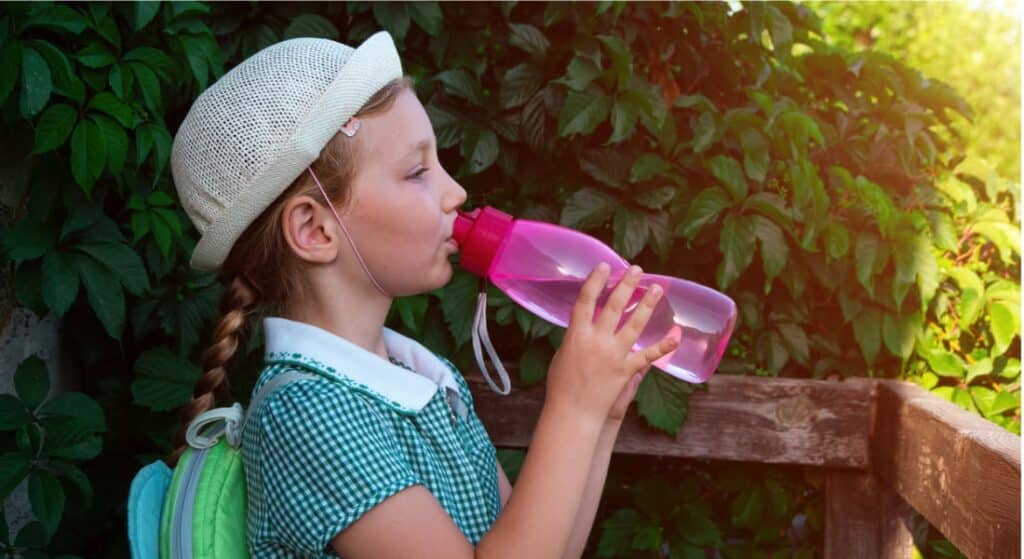
You may find that your child’s headaches are linked more to dehydration than to a particular food. Busy school days, exercise and hot weather can all make it easy for your child to forget to drink enough water.
You can encourage your child to drink regularly throughout the day instead of waiting until they feel thirsty. Keeping water easily available at home, school and during activities can help you maintain a consistent hydration routine.
A Headache Diary Can Help Identify Possible Triggers
You can use a headache diary to track when your child’s migraines occur and what happened beforehand. Record meals, drinks, sleep, exercise, stress, illness, medicines and the timing and severity of each headache.
You may start to notice a clear pattern after several weeks. For example, your child’s migraines may follow skipped lunches more often than a specific food, or one particular food may repeatedly appear before an attack.
Clinical Tip
When keeping a headache diary, record more than food alone. Include your child’s sleep, hydration, missed meals, stress, exercise and illness so that you and their clinician can look for patterns involving several possible triggers.
Avoid Blaming a Food After Just One Migraine
You should not assume that a food caused your child’s migraine simply because the headache followed a particular meal. Your child may also have been tired, dehydrated, stressed or unwell, which could have contributed to the attack.
You can look for the same pattern across several occasions before removing a food from your child’s diet. This helps you avoid unnecessary restrictions while making it easier to identify triggers that genuinely affect your child.
Should You Try an Elimination Diet?

You should not put your child on a broad elimination diet simply because several foods appear on migraine-trigger lists. Removing multiple foods can make it harder for your child to get a varied, balanced diet, particularly if they are already a selective eater.
If you notice a strong and repeated link with one food, you can discuss a short, carefully monitored avoidance period with your child’s doctor. You should seek advice from a paediatric dietitian before making wider dietary changes, especially if your child has other dietary restrictions.
Myth vs Fact
| Myth | Fact |
| All children with migraines should avoid chocolate. | Chocolate is not a universal migraine trigger, and many children can eat it without developing a migraine. |
| Cheese commonly causes migraines in children. | Some children may report a link with certain cheeses, but there is not enough evidence to recommend avoiding cheese routinely. |
| Every food eaten before a migraine is a trigger. | A migraine may also be influenced by dehydration, poor sleep, stress, illness or missed meals. |
| Children with migraines should follow a strict migraine diet. | Most children do not need a broad elimination diet unless a clear individual trigger has been identified. |
| Removing several foods is the best way to find migraine triggers. | A headache diary is usually more useful for identifying repeated patterns before making dietary restrictions. |
| A migraine after eating means the child has a food allergy. | Food-triggered migraine and food allergy are different. Allergy usually involves symptoms such as hives, swelling, vomiting or breathing difficulties. |
| Skipping meals is harmless if your child eats later. | Long gaps between meals may contribute to migraine attacks in some children, particularly alongside dehydration or tiredness. |
| Energy drinks are suitable for children if consumed occasionally. | High-caffeine energy drinks are not recommended for children and may contribute to headaches or sleep disruption. |
| Once a food is identified as a trigger, it must be avoided permanently. | Triggers can change over time, and any longer-term restriction should be reviewed if it affects your child’s nutrition. |
| Every child with migraine has the same dietary triggers. | Migraine triggers vary considerably, so dietary changes should be based on your child’s own repeated pattern. |
Food Allergy and Migraine Are Not the Same Thing
You should know that a food-triggered migraine is different from a food allergy. A food allergy can cause symptoms such as hives, swelling, wheezing or vomiting. If your child develops sudden swelling of the lips, mouth, throat or tongue, has difficulty breathing, becomes very drowsy, faints or is unresponsive, call 999 because these can be signs of anaphylaxis.
You should not assume that a migraine after eating means your child has a food allergy. Allergy testing is not routinely used to identify migraine triggers. If your child also has symptoms that suggest a genuine food allergy, a GP or allergy specialist can assess whether allergy testing is appropriate.
Your Child Still Needs a Balanced Diet
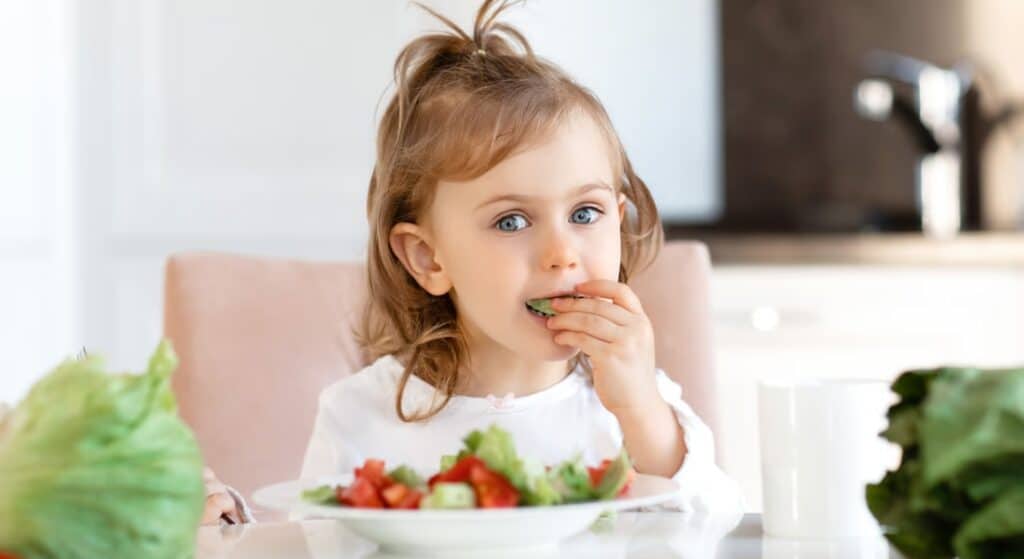
You may be tempted to remove every food that has been linked to migraines, but this can make your child’s diet unnecessarily restrictive. Your child still needs a varied diet to support normal growth, energy and development.
You can focus on regular meals, good hydration and a wide range of nutritious foods. Unless your child has a clear, repeated trigger or another medical reason for avoiding certain foods, you do not usually need to follow a complicated migraine diet.
Food Is Only One Part of Migraine Management
You should remember that food is only one possible factor in your child’s migraines. Poor sleep, stress, dehydration, missed meals and changes in routine can also contribute, and several factors may combine before an attack develops.
You can support your child by keeping meals, sleep and hydration as regular as possible. You should also pay attention to stress at school or home, as emotional pressure can play an important role in recurrent childhood migraines.
When Should Your Child See a Doctor About Migraines?
You should speak to your GP if your child’s headaches are frequent, becoming more severe or affecting school and daily activities. You should also seek advice if you are unsure whether the headaches are migraines or your child needs pain relief regularly.
You should seek prompt medical assessment if your child develops concerning changes in their headache pattern or associated neurological symptoms. For children under 12, the NICE red flags requiring immediate referral for same-day assessment are summarised in the UK Guidance Note below, while all children under four who present with headache should be referred urgently for neurological assessment.
UK Guidance Note
NICE recommends immediate referral for same-day assessment for children under 12 when a headache has a red-flag feature, including headache that wakes them at night or is present on waking, progressively worsening headache, headache associated with vomiting, balance or coordination problems, or a change in consciousness. All children under four who present with headache should be referred urgently for neurological assessment.
When Might Specialist Migraine Support Help?
You may want specialist advice if your child’s migraines are frequent, difficult to manage or affecting school, sleep or everyday activities. A specialist can review your child’s symptoms and help you understand whether further assessment or treatment is needed.
You can also seek support if your child needs regular medication or lifestyle changes have not helped enough. Your specialist can help you identify your child’s triggers and develop a management plan that fits their needs.
Key Takeaways
- Food can be a migraine trigger for some children, but there is no universal list of foods that every child needs to avoid.
- Regular meals, good hydration, sleep and stress management can be just as important when looking for migraine triggers.
- Use a headache diary to identify repeated patterns before removing foods.
- Avoid broad elimination diets unless your child’s doctor or paediatric dietitian recommends them.
- Seek medical advice if headaches are frequent, worsening or accompanied by concerning symptoms.
Frequently Asked Questions
1. Can certain foods trigger migraines in children?
Yes, some children may have individual food triggers, but these vary considerably. Chocolate, caffeine, cheese and some processed foods are commonly suspected, although evidence is limited.
2. Is chocolate a common migraine trigger for children?
Chocolate may trigger migraines in some children, but it is not a universal trigger. A headache diary can help determine whether there is a consistent link.
3. Can skipping meals cause migraines in children?
Yes, missing meals or having long gaps between meals may contribute to migraine attacks in some children. Regular meals and healthy snacks can help maintain a consistent routine.
4. Can dehydration cause migraines in children?
Dehydration can contribute to headaches and may trigger migraines in some children. Encourage your child to drink water regularly throughout the day.
5. Should my child avoid all foods listed as migraine triggers?
No. Removing many foods unnecessarily can make your child’s diet restrictive and less balanced. Only consider avoiding a specific food when there is a clear, repeated connection with migraine attacks.
6. Can caffeine trigger migraines in children?
Caffeine may contribute to headaches or migraines, particularly when consumed in large amounts or when intake changes suddenly. Cola, energy drinks, tea, coffee and some chocolate products can contain caffeine.
7. How can I find out whether a food is triggering my child’s migraine?
Keep a headache diary recording your child’s meals, drinks, sleep, hydration, stress and migraine symptoms. Looking for repeated patterns over several weeks is more useful than blaming a food after one headache.
8. Should I put my child on an elimination diet for migraines?
Broad elimination diets are not usually recommended without professional guidance. If one food appears to be a consistent trigger, discuss a monitored dietary change with your child’s doctor or a paediatric dietitian.
9. Is a food allergy the same as a food-triggered migraine?
No. A food allergy involves an immune reaction and can cause symptoms such as hives, swelling, vomiting or breathing difficulties. Migraine triggered by food does not mean your child has a food allergy.
10. When should I speak to a doctor about my child’s migraines?
Speak to your GP if your child’s headaches are frequent, worsening or affecting school and daily activities. Seek prompt medical assessment if your child develops concerning symptoms such as vomiting, balance or coordination problems, altered consciousness or a progressively worsening headache.
Final Thoughts: Can Food Trigger Migraines in Children?
Food can trigger migraines in some children, but you should not assume that every headache after a particular meal means that food is responsible. Looking for a repeated pattern with a headache diary, while also paying attention to regular meals, hydration, sleep and stress, can help you identify what may be contributing to your child’s migraines without unnecessarily restricting their diet.
If you are looking for specialist children’s migraine treatment in London, you can contact London Paediatric Clinic to arrange an assessment and discuss your child’s headaches, possible triggers and treatment options.
References:
- Yamanaka, G. et al. (2020) ‘A review on the triggers of pediatric migraine with the aim of improving headache education’, Journal of Clinical Medicine, 9(11), article 3717. Available at: https://pubmed.ncbi.nlm.nih.gov/33228144/
- National Institute for Health and Care Excellence (NICE) (2019, updated 2023) ‘Suspected neurological conditions: recognition and referral’, NICE Guideline NG127. Available at: https://www.nice.org.uk/guidance/ng127
- Dasari, V.R., Clark, A.J., Boorigie, M.E., Gerson, T., Connelly, M.A. and Bickel, J.L. (2021) ‘The influence of lifestyle factors on the burden of pediatric migraine’, Journal of Pediatric Nursing, 57, pp. 79–83. Available at: https://pubmed.ncbi.nlm.nih.gov/33353788/
- Papetti, L., Moavero, R., Ferilli, M.A.N., Sforza, G., Tarantino, S., Ursitti, F., Ruscitto, C., Vigevano, F. and Valeriani, M. (2021) ‘Truths and myths in pediatric migraine and nutrition’, Nutrients, 13(8), article 2714. Available at: https://www.mdpi.com/2072-6643/13/8/2714
- Alder Hey Children’s NHS Foundation Trust (2026) ‘Migraine in children and headache diary’. Patient information for parents and carers. Last reviewed 9 January 2026. Available at: https://www.alderhey.nhs.uk/conditions/patient-information-leaflets/migraine-in-children-and-headache-diary/