



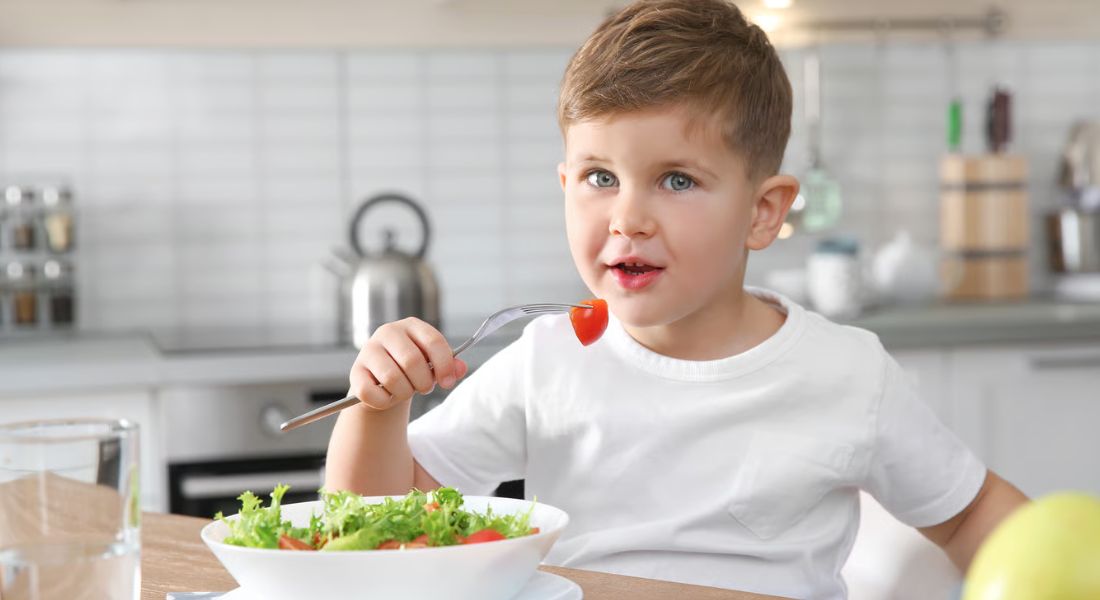
Constipation is common in children, and diet is often one of the first things parents consider when trying to understand why it is happening. You may wonder whether your child is getting enough fibre, drinking enough water, eating too many processed foods or avoiding fruit and vegetables.
Functional constipation affects approximately 3% of children worldwide and represents one of the most common gastrointestinal problems managed in paediatric care. Although diet plays a role in prevention and support, many children with established constipation require a combination of behavioural strategies and medical treatment.
The foods your child eats can play an important role in supporting healthy bowel habits. By offering fibre-containing foods, regular fluids, balanced meals and consistent routines, you can help your child pass softer stools more comfortably. NHS advice for preventing constipation includes plenty of fluids, a variety of foods including fruit and vegetables, regular physical activity and healthy toilet routines.
However, diet is only one part of managing constipation. If your child already has ongoing constipation, stool withholding, painful bowel movements or soiling, changing their diet alone may not be enough. NICE recommends treating idiopathic constipation with appropriate laxative treatment alongside behavioural support and dietary changes. In this guide, you will learn which foods can support bowel health, how fibre and fluids help, what to limit and when your child may need medical support as well as dietary changes.
Why Diet Matters in Childhood Constipation
The foods your child eats can affect their stool texture, bowel habits and overall tummy comfort. By offering enough fibre and fluids, you can help support softer stools that are easier for your child to pass.
Fibre comes from plant-based foods such as fruit, vegetables, wholegrains, beans, lentils, nuts and seeds. The British Dietetic Association recommends including a variety of fibre-rich foods, such as wholegrains, fruit, vegetables, nuts, seeds, beans and pulses, as part of a balanced diet.
If your child has mild constipation or often passes hard stools, improving their daily food and drink habits can be helpful. However, if constipation has become ongoing, diet can support recovery but usually works best alongside the treatment plan advised by a healthcare professional.
Diet Is Helpful, But It Is Not Always Enough
You may worry that your child’s constipation is caused by something you have or have not fed them. In reality, childhood constipation is often more complicated and can happen because of several different factors.
NICE highlights that constipation can be linked with issues such as pain, fever, dehydration, diet and fluid intake, emotional factors, toilet training, medicines and family history. It also explains that stool withholding behaviours can sometimes look like straining, which can make the problem harder to recognise.
A healthy diet is important, but it is not always enough on its own. If your child has experienced painful stools, they may start holding in poo even after you improve their diet. This can lead to larger, harder stools, and your child may need additional treatment, such as laxatives, to help bowel movements become soft and comfortable again.
What Is Fibre?
Fibre is the part of plant-based foods that is not fully broken down during digestion. It helps support normal bowel function by adding bulk and helping stools retain water. It helps support healthy bowel function by adding bulk to stools, helping them hold water and making it easier for waste to move through the bowel.
Different types of fibre can work in different ways, which is why you should aim for variety rather than relying on one specific “constipation food”. A balanced range of fibre-containing foods can provide better support for your child’s bowel habits.
Good sources of fibre include fruit, vegetables, oats, wholemeal bread, wholegrain cereals, beans, lentils, peas and other pulses. The British Dietetic Association recommends increasing fibre gradually, as adding too much too quickly may cause bloating or gas while your child’s gut adjusts.
How Much Fibre Does a Child Need?
Your child’s fibre needs depend on their age, appetite, tolerance and overall health. A toddler and a teenager will not need the same amount of fibre, so it is important to consider what is realistic for your child.
The British Dietetic Association provides age-based guidance for fibre intake, with children generally needing increasing amounts as they get older. These figures are useful guides rather than strict targets and may need to be adjusted depending on your child’s appetite, health, medical history and tolerance.
You do not need to count every gram of fibre your child eats. Instead, focus on including fibre-containing foods regularly across meals and snacks, such as fruit, vegetables, wholegrains, pulses and other suitable foods your child enjoys.
Increase Fibre Gradually
A sudden increase in fibre can make some children feel bloated, windy or uncomfortable, especially if they are not used to eating many fibre-rich foods. It is usually better to make changes gradually so your child’s body has time to adjust.
The British Dietetic Association recommends increasing fibre slowly and making sure your child drinks enough fluid as fibre intake rises. This is particularly important if your child is already constipated, as adding lots of fibre without enough fluid or without addressing painful stool build-up may make symptoms feel worse.
You can start with small, realistic changes that fit into your child’s routine. Try swapping white bread for wholemeal, adding fruit to breakfast, including vegetables with meals or gradually mixing lentils into familiar sauces.
Why Fluids Matter With Fibre
Fibre can support your child’s bowel health, but it works best when your child is also drinking enough fluids. Without adequate fluid intake, stools may stay hard and become more difficult to pass.
ERIC advises encouraging regular water-based drinks throughout the day, with many children needing around 6 to 8 drinks depending on their age and individual needs. It also highlights the importance of fruit and vegetables, regular movement, toilet routines and continuing laxatives as advised rather than stopping too early.
Water is usually a good everyday choice, while milk can also be part of a healthy diet depending on your child’s age and nutritional needs. You can help by offering drinks regularly throughout the day instead of encouraging a large amount only before bedtime.
Clinical Tip
Increasing fibre without enough fluid can sometimes make bloating and discomfort worse. If your child’s diet changes, introduce fibre gradually and encourage regular drinks throughout the day. The goal is comfortable, regular bowel movements rather than simply adding as much fibre as possible.
Signs Your Child May Not Be Drinking Enough
Some children do not drink enough during the school day, especially if they forget, dislike using school toilets or avoid drinking because they do not want to ask to leave the classroom. You may not always realise how little your child has had until you look for the signs.
Signs of low fluid intake can include darker urine, fewer toilet visits, feeling thirsty, dry lips, tiredness and harder stools. While not drinking enough is not the only cause of constipation, it can make stools harder and more difficult for your child to pass.
Fruit That May Help Constipation
Fruit can be a helpful part of your child’s diet when you are supporting healthy bowel habits. It provides fibre, water and other nutrients that can help keep stools softer and support regular bowel movements.
You can offer a variety of fruits, including apples, pears, berries, oranges, peaches, plums and dried fruits such as prunes or apricots when they are age-appropriate and suitable for your child. The NHS recommends including a range of foods, including plenty of fruit and vegetables, as they are good sources of fibre.
You do not need to focus on one specific fruit every day. Offering different fruits as part of a balanced diet is usually more practical and can help your child enjoy a wider range of fibre-rich foods.
Prunes, Pears and Other Traditional Constipation Foods
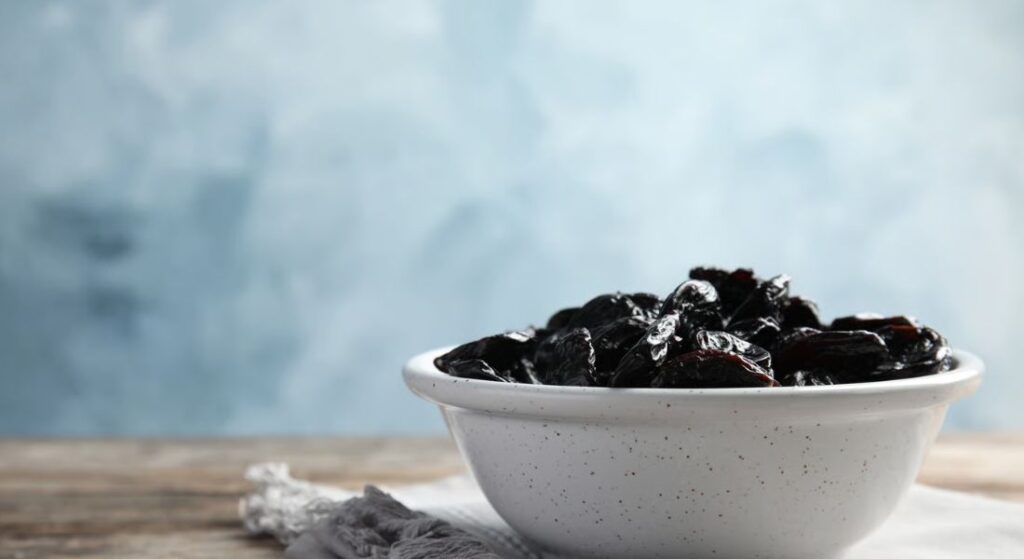
Many parents hear that prunes or prune juice can help with constipation. Prunes may be useful for some children because they contain fibre and natural compounds that can support bowel movements, but they are not a guaranteed solution for every child.
You can also consider fruits such as pears, plums, peaches and apricots as part of a balanced diet. If your child is not used to dried fruit, start with small amounts, as eating a lot suddenly may cause bloating or discomfort.
If your child’s constipation is painful, ongoing or linked with soiling, you should not rely only on prunes or fruit. These foods can support bowel health, but your child may still need medical advice and appropriate treatment.
Vegetables and Constipation
Vegetables can support your child’s bowel health by providing fibre, fluids and important nutrients. Including a variety of vegetables in family meals can help create healthier digestion habits over time.
You can offer options such as broccoli, carrots, peas, sweetcorn, beans, spinach, peppers and root vegetables. The British Dietetic Association highlights vegetables and pulses as fibre-rich foods and suggests adding extra vegetables and pulses to everyday meals.
If your child does not like vegetables, introduce them gradually without pressure. You could blend vegetables into soup, add grated carrot to sauces or offer crunchy vegetable sticks with a dip, as a relaxed and repeated approach is often more successful than making vegetables a battle.
Wholegrains and Constipation
Wholegrain and wholemeal foods usually contain more fibre than refined white versions, which can help support your child’s bowel health. You can gradually introduce these foods as part of a balanced diet rather than making sudden changes.
You might try wholemeal bread, wholegrain breakfast cereals, oats, brown rice, wholewheat pasta or wholemeal wraps. The British Dietetic Association suggests practical swaps, such as choosing wholemeal versions of bread and pasta and including fibre-rich cereals and carbohydrates.
If your child is used to white versions, change slowly to make the transition easier. You could start by mixing white and wholegrain pasta or rice together and gradually increase the wholegrain portion as your child becomes more comfortable.
Oats and Breakfast Choices
Breakfast is a useful time for you to add fibre and fluids to your child’s day. A regular, balanced breakfast can help support healthy bowel habits and create a positive routine.
You can offer options such as porridge oats, overnight oats, wholegrain cereals, wholemeal toast and fruit to make breakfast more fibre-friendly. The British Dietetic Association highlights oats and fruit as practical ways to increase fibre and suggests adding fruit, nuts or seeds to cereals where suitable.
For younger children, make sure foods are prepared safely for their age and stage of development. Whole nuts can be a choking risk, so you should choose safer options such as smooth nut butter where appropriate.
Beans, Lentils and Pulses
Beans, lentils, chickpeas and peas are good sources of fibre and can be a useful addition to your child’s meals. You can include them in familiar dishes to increase fibre without making big changes to your child’s diet.
You might add lentils to a curry, beans to a jacket potato, chickpeas to a mild stew or peas to rice dishes. The British Dietetic Association recommends beans and pulses as fibre-rich foods and suggests adding options such as lentils to sauces, curries and chilli.
If your child is not used to eating pulses, introduce them gradually. Large amounts too quickly may cause wind or bloating in some children, so small steps can help your child adjust comfortably.
Fibre-Friendly Foods at a Glance
The table below gives practical food ideas that can support bowel habits. These are general options and should be adapted to your child’s age, chewing ability, allergies, preferences and medical needs.
| Food Group | Examples | How They May Help |
| Fruit | Apples, pears, oranges, berries, peaches, plums | Provide fibre and fluid |
| Dried fruit | Prunes, apricots, raisins | Can support bowel movement in some children |
| Vegetables | Broccoli, carrots, peas, beans, spinach | Add fibre and nutrients |
| Wholegrains | Oats, wholemeal bread, brown rice, wholewheat pasta | Increase daily fibre intake |
| Pulses | Lentils, chickpeas, beans, peas | Add fibre and can be mixed into meals |
| Seeds | Ground flaxseed or chia where age-appropriate and prepared safely | Can add fibre in small amounts |
| Potatoes with skin | Jacket potatoes, wedges with skin | Skin adds extra fibre |
| Soups and stews | Vegetable soups, lentil soups | Can combine fluid and fibre |
A varied diet is usually better than focusing on one “best” constipation food.
Foods That May Make Constipation Worse
Some children may experience more constipation when their diet is low in fibre and contains a lot of refined or processed foods. Foods such as white bread, plain pasta, low-fibre cereals, crisps, sweets, biscuits and meals with very few fruit or vegetables may contribute to a less balanced diet.
This does not mean these foods need to be completely removed from your child’s diet. The important thing is the overall pattern of what your child eats across the day and week.
If low-fibre foods make up most of your child’s meals and snacks, there may be fewer opportunities for fibre-rich foods that support healthy bowel habits. You can focus on adding more variety rather than creating strict food rules.
Myth vs Fact: Diet and Childhood Constipation
| Myth | Fact |
| More fruit and water will always cure constipation | Diet supports bowel health, but established constipation often needs medical treatment |
| Bananas always cause constipation | Bananas do not affect every child in the same way |
| Removing dairy is always the first step | Dairy should not be removed unless advised by a healthcare professional |
| Fibre supplements are better than food | Most children should get fibre from a balanced diet where possible |
| Laxatives mean diet changes have failed | Laxatives and diet often work together |
| A child who refuses vegetables will always have constipation | Small realistic changes can improve fibre intake over time |
Should You Avoid Bananas?
You may have heard that bananas cause constipation, but the answer is different for every child. Many children can eat bananas as part of a balanced diet without any problems.
If your child eats a lot of bananas while having a limited range of other foods, you may notice changes in their bowel habits. Instead of focusing on one food, it is usually more helpful to look at your child’s overall diet and routine.
You do not need to remove bananas simply because they appear on an online list of foods linked with constipation. If your child enjoys bananas, try adding more variety with other fruit, vegetables and fibre-containing foods to create a more balanced diet.
Dairy Foods and Constipation

Milk, yoghurt and cheese can be part of a healthy, balanced diet for many children. However, if your child drinks a lot of milk and eats very little fibre, their overall diet may become less varied and balanced.
You may wonder whether cow’s milk is causing your child’s constipation. In some cases, cow’s milk allergy or intolerance may be considered, especially if your child has other symptoms, but this is not the cause for most children.
NICE advises that a cow’s milk exclusion diet should only be started for children with idiopathic constipation on the advice of appropriate specialist services. You should not remove major food groups without professional guidance, as this could affect your child’s nutrition.
Constipation in Fussy Eaters
Constipation can be more difficult to manage when your child has a very limited range of foods they will eat. You may find that your child avoids fruit, vegetables or wholegrains and prefers only a small selection of familiar foods.
You can start with small, realistic changes rather than trying to change everything at once. For example, you could add a fruit your child already accepts, switch one bread option, mix vegetables into a familiar sauce or offer a preferred dip alongside new foods.
Try not to make every meal about constipation, as too much pressure can increase food refusal. If your child’s diet is very restricted, their growth is affected or mealtimes have become stressful, you should consider seeking support from a healthcare professional.
How to Add Fibre Without Arguments
Small changes are often easier for your child to accept than sudden diet rules. You can gradually add more fibre to familiar foods without making meals feel like a battle.
You could add berries to yoghurt, offer apple slices with smooth nut butter where age-appropriate, switch to wholemeal toast, add lentils to pasta sauce, mix peas into rice, leave the skin on potatoes, choose a higher-fibre cereal or add vegetables to soup. These simple changes can increase fibre without completely changing the meals your child already enjoys.
The British Dietetic Association suggests practical swaps and additions, such as choosing wholemeal options, adding fruit to cereal and including extra vegetables or pulses in meals. Your child does not need to enjoy every fibre-rich food; you just need to find enough realistic options that fit into your family’s routine.
Do Fibre Supplements Help?
Most children should get their fibre from a balanced diet where possible, rather than relying on supplements. You can support your child’s bowel health by offering a variety of fibre-containing foods as part of normal family meals.
Research suggests that children with constipation should have an appropriate daily fibre intake, but there is limited evidence that adding extra fibre above normal levels will improve constipation. This means fibre supplements are not always the first solution for every child.
If you are thinking about using a fibre supplement, it is best to speak with a healthcare professional first. This is especially important if your child has tummy pain, bloating, poor growth, allergies, swallowing difficulties or a restricted diet.
Probiotics and Constipation
You may wonder whether probiotics can help your child’s constipation. The evidence is mixed, and probiotics should not be used as a replacement for established constipation treatment.
You can include foods such as yoghurt as part of a balanced diet if suitable for your child, but probiotic foods should not be relied upon as a treatment for established constipation. However, this is different from trying to treat ongoing constipation with probiotics alone.
If your child has persistent constipation, stool withholding or soiling, you should focus on getting the right assessment and treatment. A healthcare professional can advise whether probiotics are suitable for your child, but they should not delay recommended treatment such as laxatives when constipation is established.
Meal Timing and Routine
Your child’s bowel habits can be affected by their daily routine. When you keep meal times regular, you can help create more predictable bowel patterns and give your child more chances to notice when they need to poo.
If your child skips breakfast or eats at irregular times, it may reduce the natural bowel response that often happens after meals. The NHS recommends encouraging your child to sit on the potty or toilet after meals or before bed and praising them whether they poo or not.
You can support your child by keeping meals and toilet routines consistent and relaxed. Regular eating habits and calm toilet sits give your child more opportunities to respond to their body’s natural signals without feeling pressured.
Breakfast and the Morning Toilet Routine
Morning can be a useful time for you to encourage healthy bowel routines. Offering your child a fibre-containing breakfast with a drink may help stimulate their bowel, and a short toilet sit afterwards gives them a chance to poo before the day becomes busy.
ERIC recommends encouraging your child to sit on the toilet or potty after meals and using a footstool to support their feet. This can help your child feel more secure, relaxed and comfortable while they try to pass a stool.
You should keep this routine calm and avoid putting pressure on your child to poo. The goal is to create a predictable opportunity for them to use the toilet, rather than making them feel they have to succeed every time.
School Lunches and Constipation
School lunches can have an impact on your child’s bowel habits in several ways. They may not drink enough during the day, avoid fruit and vegetables, rush their meals or avoid using the school toilet.
You can learn a lot by checking what your child actually eats and drinks at school. If packed lunches regularly come home unfinished, this may show that certain foods are not working for your child. Try offering familiar fibre-rich options that they are more likely to eat, such as a small apple, wholemeal sandwich, vegetable sticks, hummus, lentil pasta salad or a wholegrain wrap.
If your child avoids the toilet at school, it is worth speaking with the school about support. Having access to a private toilet and being allowed to go when needed can help prevent stool withholding.
Healthy Snacks That Support Bowel Habits
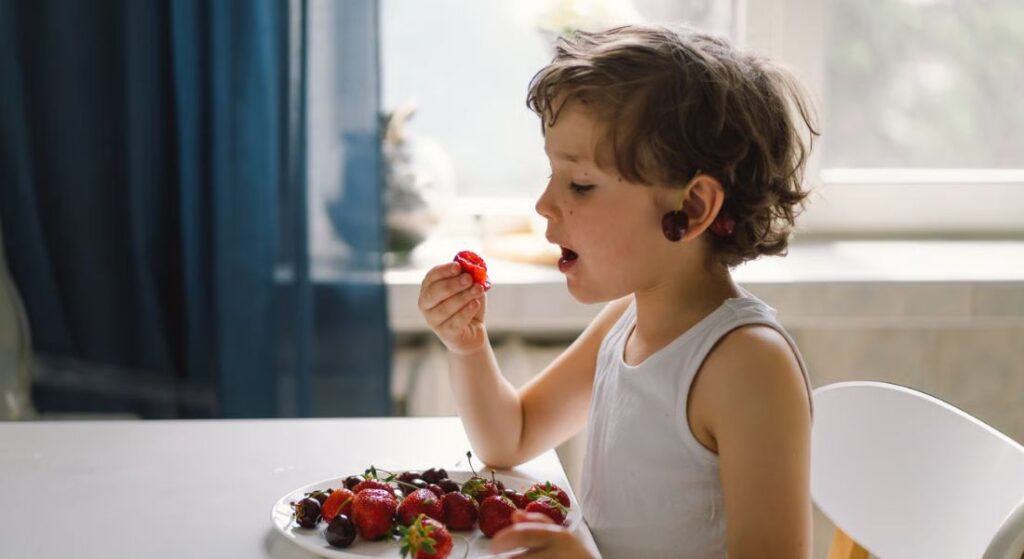
Snacks can play a useful role in supporting your child’s fibre intake and healthy bowel habits. Choosing the right options can help, but it is important to focus on foods your child will actually enjoy and eat.
You can offer snacks such as fruit, vegetable sticks, oatcakes, wholegrain toast, yoghurt with fruit, homemade oat bars, hummus with wholemeal pitta or small portions of dried fruit when age-appropriate. Try not to worry about creating the “perfect” snack, as a healthy option left untouched will not make a difference.
Introducing new foods alongside familiar favourites can make them easier for your child to accept. You could try apple slices with cheese, carrot sticks with hummus or berries mixed with yoghurt to make fibre-rich choices feel more familiar.
A Simple Constipation-Friendly Day
The table below gives general meal ideas. It is not a strict meal plan and should be adapted to your child’s age, appetite, allergies and preferences.
| Time of Day | Example Choices | Bowel-Friendly Focus |
| Breakfast | Porridge with berries, wholemeal toast, water or milk | Fibre and fluid early in the day |
| Morning snack | Apple slices, orange segments or yoghurt with fruit | Fruit and hydration |
| Lunch | Wholemeal sandwich, vegetable sticks, soup or beans on jacket potato | Wholegrains and vegetables |
| After school | Fruit, oatcakes, hummus with pitta or a smoothie | Fibre-containing snack |
| Dinner | Lentil curry, wholewheat pasta with vegetables, rice with beans or vegetable stew | Pulses and vegetables |
| Evening | Water-based drink and short toilet sit if advised | Routine and regularity |
This does not need to be followed perfectly. The aim is to show how fibre and fluids can be spread through the day.
Drinks for Children With Constipation
You can offer regular drinks throughout the day, while remembering that milk can also be part of a balanced diet without replacing all water-based drinks.
ERIC recommends encouraging around 6 to 8 water-based drinks each day as part of helping prevent constipation from returning. You should avoid making sugary drinks the main way your child gets fluids, as they do not support healthy long-term habits.
For babies and toddlers, your child’s fluid needs will depend on their age and feeding stage. NHS guidance advises that breastfed babies who have not started solids should continue to have plenty of breastfeeds, while formula-fed babies may be offered extra cooled boiled water between formula feeds if needed.
Fruit Juice and Constipation
Some parents try small amounts of fruit juice to support bowel movements, particularly in older babies and children, but it should not replace water, balanced meals or a healthy diet. Advice may differ depending on your child’s age, so it is best to consider your child’s individual needs.
For everyday bowel health, whole fruit is usually a better choice because it provides fibre as well as fluid. If your child drinks a lot of juice, they may feel less hungry for other fibre-containing foods that support healthy bowel habits.
You can use fruit juice cautiously, but if you find yourself relying on it regularly to manage constipation, it is best to speak with a healthcare professional. They can help you understand the cause of your child’s constipation and suggest the most suitable approach.
Babies, Weaning and Constipation
Constipation can sometimes happen when your baby starts eating solid foods, as their digestive system adjusts to new tastes and textures. You may notice changes in their bowel habits during this stage, which is often part of the transition to weaning.
Once your baby is eating solids, you can offer age-appropriate foods and textures, including soft fruits, vegetables, pulses and cereals as recommended in weaning guidance. NHS advice also highlights the importance of suitable fluids and a varied diet to help support healthy bowel habits.
You should seek medical advice if your baby’s constipation is severe, ongoing, starts from birth or the first few weeks of life, or if they are unwell. It is also important to get advice if your baby is vomiting, not feeding well or not growing as expected.
Toddlers and Constipation
Toddlers are at a common age for constipation because toilet training, changing food preferences and growing independence often happen at the same time. You may notice your toddler refusing certain foods, drinking less or becoming worried about using the potty.
A painful poo can sometimes lead to stool withholding, as your child tries to avoid experiencing the same discomfort again. Keeping routines simple can help, so offer regular drinks, include fruit and vegetables in familiar meals, encourage movement and avoid putting pressure on potty training.
If your toddler’s stools are hard, painful or they are becoming afraid to poo, you should seek medical advice early. Once fear and withholding develop, diet changes alone may not be enough to break the cycle.
Constipation in School-Aged Children
Constipation can affect school-aged children for several reasons. Your child may avoid using school toilets, drink less during the day or choose lower-fibre foods when they are away from home.
They may also feel embarrassed or uncomfortable talking about bowel problems, which can make it harder for them to ask for help. You can support your child by providing a water bottle, offering fibre-containing lunch options, encouraging a regular breakfast and discussing toilet access with the school.
If your child’s constipation continues or is linked with soiling, working with the school can make a big difference. Your child should be able to use the toilet privately, when needed and without feeling embarrassed or ashamed.
Constipation in Teenagers
Constipation can affect teenagers too, but they may be less likely to talk about their bowel habits. Irregular meals, not drinking enough fluids, eating more processed foods, stress, exam pressure and avoiding school toilets can all contribute to constipation.
You can support your teenager by encouraging healthy habits without making them feel judged or embarrassed. Many teenagers respond better to practical and respectful advice rather than repeated reminders about what they should do.
Explain that regular fibre, fluids, movement and toilet routines can help support bowel health. However, if constipation continues, causes pain or affects daily life, you should encourage your teenager to seek medical advice.
Diet and Laxatives Can Work Together
Laxatives and diet do not need to be viewed as separate choices. In many cases, they work together to help your child develop healthier bowel habits and feel more comfortable passing stools.
NHS guidance explains that laxatives are often recommended for children who are eating solid foods, alongside healthy diet and lifestyle changes. While diet can support long-term bowel health, laxatives may be needed to soften stools, clear a build-up or prevent painful constipation from returning.
You should not stop laxatives suddenly just because your child is eating more fruit or making healthier food choices. It is important to follow the treatment plan provided by your child’s healthcare professional and reduce medication only when advised.
When Diet Changes May Not Be Enough
Diet changes can support your child’s bowel health, but they may not be enough once constipation has become established. If you notice painful stools, stool withholding, soiling, very large stools, several days between bowel movements, tummy pain, reduced appetite or constipation lasting weeks or months, your child may need extra support.
ERIC explains that laxatives are a recommended treatment for constipation relief in children, and some children need them for a longer period to help keep their stools soft and regular. Using treatment as advised can help break the cycle of pain and withholding.
If your child is avoiding pooing because they expect it to hurt, you need to give their bowel time to recover with soft and comfortable stools. Diet can support this process, but it may not be enough to resolve constipation quickly on its own.
Red Flags That Need Medical Advice
Most constipation in children is not caused by a serious underlying condition, but some symptoms need prompt medical assessment. Knowing when to seek advice can help you get the right support for your child.
You should seek medical advice if constipation started from birth or during the first few weeks of life, your baby had a delay passing their first stool, or your child has severe tummy swelling, ongoing vomiting, poor growth, weight loss, unusual leg weakness, changes around the anus or spine, or appears very unwell.
NICE guidance highlights the importance of checking for warning signs before diagnosing idiopathic constipation. You should also seek advice if your child has persistent blood in their stool, severe pain, repeated soiling or constipation that does not improve with the recommended treatment.
When to See a GP
You should speak to your GP if you think your child may be constipated. The NHS advises seeking medical advice because treatment depends on your child’s age, and constipation can become more difficult to manage the longer it continues.
You should arrange a GP appointment if your child’s constipation is painful, ongoing, linked with soiling, affecting their appetite or interfering with school, sleep or everyday activities. Keeping notes about your child’s diet, drinks, stool pattern, pain, accidents and any medicines or laxatives used can help during the appointment.
Your GP can check for warning signs, assess whether faecal impaction may be present and recommend the most appropriate treatment. Getting advice early can help prevent constipation from becoming a longer-term problem.
When to See a Paediatrician

A paediatric review may be helpful if your child’s constipation is ongoing, keeps coming back, is difficult to treat or is linked with soiling, growth concerns, feeding difficulties, tummy pain or toilet anxiety. Getting specialist advice can help you understand what may be contributing to the problem.
A paediatrician can look at the wider picture, including your child’s diet, fluid intake, stool withholding, toilet routines, school challenges, response to treatment and any warning signs. This helps ensure that your child receives support based on their individual needs.
A specialist assessment can help you understand whether dietary changes are enough or if your child needs a more detailed constipation management plan. It can also give you practical guidance on the next steps to support your child’s bowel health.
What to Include in a Food and Bowel Diary
A food and bowel diary can help you understand your child’s habits and whether certain patterns are linked to constipation. It does not need to be complicated or take up a lot of time.
You can record what your child eats, how much they drink, when they poo, stool consistency, pain or straining, withholding signs, soiling, tummy pain, toilet sits and any laxative use. You do not need to measure every gram of fibre, as simple patterns are usually enough.
Keeping a diary may help you notice triggers, such as constipation becoming worse after low-fluid days at school, lower-fibre weekends, travel or changes to your child’s usual routine. This information can also be useful when discussing your child’s symptoms with a healthcare professional.
Practical Tips for Parents
You do not need to change your child’s entire diet overnight. Start with one or two small changes that feel realistic, as gradual improvements are often easier for your child to maintain.
You can offer a drink with each meal and snack, add a fibre-rich food at breakfast, include fruit or vegetables in packed lunches and slowly introduce wholemeal options. Adding lentils or beans to familiar meals can also increase fibre without making meals feel completely different.
Keeping your child active and following a relaxed toilet routine after meals can support healthy bowel habits. If stools are painful or constipation continues, you should seek medical advice, as small consistent changes are usually more helpful than strict rules that create stress.
Key Takeaways: Diet and Childhood Constipation
- Fibre supports softer stools but is not always enough alone.
- Fluids help fibre work effectively.
- Established constipation often needs laxatives alongside diet changes.
- Gradual fibre increases are better tolerated.
- Whole foods are preferred over relying on supplements.
- Restrictive diets should not be started without medical advice.
- Stool withholding can make constipation continue even after diet improves.
- Seek medical advice if symptoms persist or warning signs appear.
FAQs:
1. Can changing my child’s diet help with constipation?
Yes, diet changes can support healthier bowel habits by increasing fibre intake, improving fluid intake and making stools softer. However, if your child already has established constipation, painful stools, stool withholding or soiling, diet changes alone may not be enough and medical treatment may also be needed.
2. What foods are best for a child with constipation?
Foods that are naturally high in fibre can help support bowel movements. Useful options include fruit such as pears, apples, berries and plums, vegetables, wholemeal bread, oats, wholegrain cereals, beans, lentils, chickpeas and peas. A varied diet is usually more helpful than relying on one specific “constipation food”.
3. How much fibre does my child need each day?
Fibre needs depend on your child’s age, appetite and individual needs. As a general guide, children from age two should gradually include more fibre-rich foods, with older children needing more than younger children. The focus should be on regularly offering fibre-containing foods rather than strictly counting grams every day.
4. Can drinking more water help my child’s constipation?
Yes, enough fluid helps fibre work properly and can make stools softer and easier to pass. Encourage regular drinks throughout the day, especially with meals and snacks. However, increasing fluids alone will not usually resolve constipation if your child is already withholding stool or has a build-up of hard poo.
5. Do bananas cause constipation in children?
Bananas do not cause constipation in every child. Some children eat bananas regularly without any problems, while others may become more constipated if they eat lots of bananas alongside a low-fibre diet. It is usually better to look at your child’s overall eating pattern rather than removing one food automatically.
6. Are prunes or prune juice good for childhood constipation?
Prunes may help some children because they contain fibre and natural compounds that can support bowel movement. However, they are not a cure for ongoing constipation, particularly when stools are painful or your child is withholding poo. Whole fruit and a balanced diet are usually better long-term approaches.
7. Should I give my child more fibre if they are already constipated?
Increasing fibre can be helpful, but it should usually be done gradually. Adding a large amount of fibre suddenly without enough fluids can cause bloating and discomfort. If your child has significant constipation, speak with a healthcare professional about the right approach.
8. Can dairy products make constipation worse in children?
Milk, yoghurt and cheese can be part of a healthy diet for most children. However, if a child drinks large amounts of milk and eats very little fibre, their overall diet may become less balanced. Do not remove dairy or other major food groups without medical advice, as this may affect nutrition.
9. Do fibre supplements help children with constipation?
Most children should aim to get enough fibre from a balanced diet where possible. Fibre supplements are not usually the first treatment for childhood constipation, especially when there are symptoms such as pain, stool withholding or soiling. Speak with a healthcare professional before giving supplements.
10. When should I see a doctor about my child’s constipation?
You should seek medical advice if constipation is painful, lasts for several weeks, causes soiling, affects your child’s appetite or daily activities, or does not improve with appropriate changes. Medical advice is also important if there are warning signs such as vomiting, weight loss, poor growth, severe tummy swelling or constipation beginning in a very young baby.
Final Thoughts: Helping Your Child Build Healthy Bowel Habits
Diet can be an important part of supporting your child’s bowel health, but managing constipation usually requires a balanced approach. Offering fibre-rich foods, encouraging regular fluids, maintaining routines and creating a positive toilet environment can all help your child develop more comfortable and confident bowel habits.
If constipation continues despite dietary changes, specialist advice can help identify the right support for your child. If your child’s constipation is ongoing, painful or difficult to manage, a consultation with a trusted paediatrician in London can help you understand the cause and find the right treatment approach.
References:
- National Institute for Health and Care Excellence (NICE). Constipation in children and young people: diagnosis and management (CG99). Updated 2017. Available at: https://www.nice.org.uk/guidance/cg99
- NHS. Constipation in children. Available at: https://www.nhs.uk/baby/health/constipation-in-children/
- Axelrod, C.H. and Saps, M. (2018) ‘The role of fiber in the treatment of functional gastrointestinal disorders in children’, Nutrients, 10(11), article 1650. Available at: https://www.mdpi.com/2072-6643/10/11/1650
- de Mello, P.P., Eifer, D.A. and de Mello, E.D. (2018) ‘Use of fibers in childhood constipation treatment: Systematic review with meta-analysis’, Jornal de Pediatria, 94(5), pp.460–470. Available at: https://pubmed.ncbi.nlm.nih.gov/29474804/
- Wegh, C.A.M., Baaleman, D.F., Tabbers, M.M., Smidt, H. and Benninga, M.A. (2022) ‘Nonpharmacologic treatment for children with functional constipation: A systematic review and meta-analysis’, The Journal of Pediatrics, 240, pp.136–149.e5. Available at: https://www.sciencedirect.com/science/article/pii/S0022347621008830
- Hojsak, I., Benninga, M.A., Hauser, B., Kansu, A., Kelly, V.B., Stephen, A.M., Vandenplas, Y. and Verduci, E. (2022) ‘Benefits of dietary fibre for children in health and disease’, Archives of Disease in Childhood, 107(11), pp.973–979. Available at: https://pmc.ncbi.nlm.nih.gov/articles/PMC9606532/