




Constipation in children is common, but it can still be upsetting for both you and your child. You may notice that your child is not opening their bowels regularly, is passing hard or painful stools, is avoiding the toilet, or has started having accidents in their underwear.
For some children, constipation is short-lived and improves with early support. For others, it becomes a longer-term problem involving stool withholding, pain, soiling and anxiety around using the toilet. NICE guidance covers constipation in children and young people up to 18 and highlights the importance of diagnosis, treatment, follow-up and support for families.
The good news is that constipation can usually be managed with the right approach. This may include education, toilet routines, suitable fluid and diet habits, and laxative treatment when needed. NHS guidance advises seeing a GP if you think your child may be constipated, because treatment depends on your child’s age and the longer constipation continues, the harder it can be to restore normal bowel habits.
What Is Constipation in Children?
Constipation means your child is not passing stools in a normal way for them. You may notice that they poo less often, pass hard or large stools, strain, feel pain when pooing or avoid using the toilet because they are uncomfortable.
The NHS explains that signs of constipation can include having fewer than three poos in a week, passing large or hard stools, pellet-like stools, straining or pain during bowel movements, and tummy pain or poor appetite that improves after pooing.
Constipation is not only about how often your child goes to the toilet. Even if your child has a poo every day, they may still be constipated if the stools are hard, painful or difficult to pass.
Why Constipation Should Not Be Ignored
Constipation can become a cycle that is difficult for children to break. After a painful poo, your child may become worried about going again and start holding stool in, which can make the next bowel movement larger, harder and more uncomfortable.
Over time, stool can build up in the bowel and lead to tummy pain, reduced appetite, bloating, irritability and soiling. ERIC explains that overflow soiling can happen when softer stool leaks around hard stool that is stuck in the bowel.
Early treatment can help prevent constipation from becoming more difficult to manage. If you address the problem sooner, you can also help reduce the embarrassment, worry and anxiety that some children experience around bowel accidents.
How Often Should a Child Poo?
There is no single “normal” number of times a child should poo. Some children may open their bowels once or twice a day, while others may go less often and still have healthy bowel habits.
What matters most is whether your child’s stools are soft, easy to pass and not causing pain or distress. You may also want to pay attention to any sudden change from your child’s usual bowel pattern, as this can be an early sign that something has changed.
If your child regularly passes hard stools, avoids using the toilet, experiences pain or goes several days without pooing, it may be worth seeking advice. Even if your child occasionally passes a large stool, they may still have constipation that needs support.
Signs of Constipation in Babies and Toddlers
Babies and toddlers may not be able to explain that they are struggling with constipation, so you may notice changes in feeding, crying, straining, stool consistency or behaviour instead. Paying attention to these signs can help you recognise when something may be wrong.
Stool consistency, feeding, growth, abdominal swelling and your baby’s general wellbeing are more informative than straining alone. The texture of the stool and whether your baby seems comfortable are important factors when understanding bowel habits.
You should seek medical advice if your baby is very young, has constipation from birth, is not feeding well, is vomiting, has a swollen tummy, is not gaining weight or seems very unwell. NICE CKS highlights constipation starting from birth or within the first few weeks of life as a red flag that may suggest an underlying condition such as Hirschsprung’s disease.
Constipation Symptoms at a Glance
The table below can help you recognise common constipation patterns. It is not a substitute for medical assessment.
| Symptom or Pattern | What You May Notice | Why It Matters |
| Infrequent stools | Fewer than three poos in a week | Common sign of constipation |
| Hard stools | Dry, large or pellet-like poo | Can make pooing painful |
| Painful pooing | Crying, straining or fear of the toilet | Can lead to withholding |
| Large stools | Stools may block the toilet | Suggests stool has built up |
| Tummy pain | Pain may improve after pooing | Constipation can cause abdominal discomfort |
| Poor appetite | Child eats less than usual | Full bowel can reduce appetite |
| Soiling | Poo stains or accidents in underwear | May suggest overflow around impacted stool |
| Toilet avoidance | Hiding, crossing legs or refusing to sit | Often linked with fear of pain |
| Blood on wiping | Small amount after hard stool | May be due to a small tear but should be assessed if persistent |
If symptoms are persistent, painful or affecting your child’s daily life, arrange medical advice rather than waiting for the problem to settle on its own.
Why Children Hold in Poo
Many children with constipation begin to withhold stool, which means they try to avoid or delay having a poo. If your child has experienced a painful bowel movement before, they may start holding in stools because they are worried it will happen again.
Children may also withhold because they dislike school toilets, feel embarrassed, are busy playing or are not comfortable with their usual toilet routine. You may notice signs such as standing stiffly, crossing their legs, clenching their buttocks, rocking, hiding, going red in the face or suddenly becoming very still.
Parents sometimes mistake these behaviours for straining to pass stool. In many cases, your child is actually trying hard not to let the stool out, which can make constipation worse by allowing stools to become larger and more painful.
Diet and Constipation
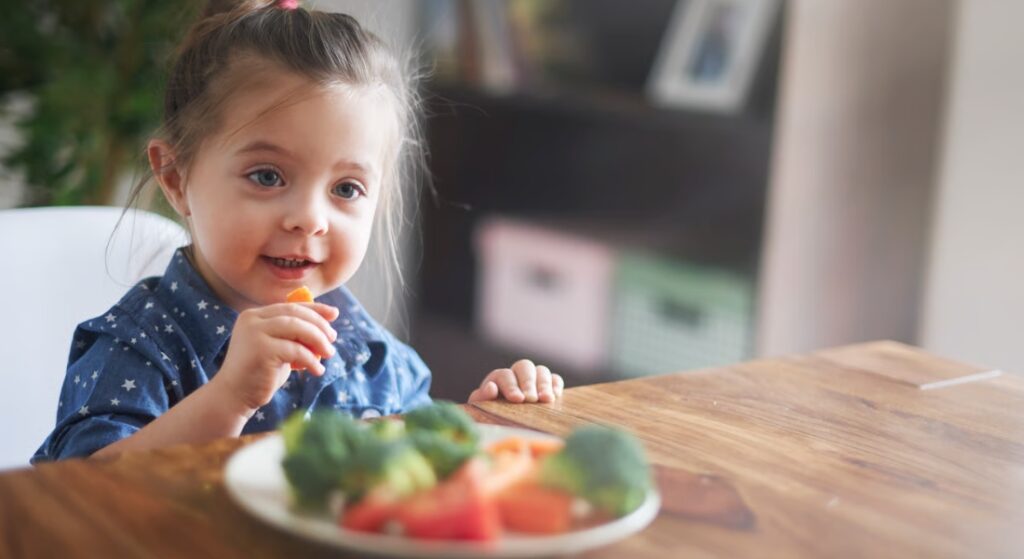
Diet can influence your child’s bowel habits. If your child eats very little fibre-rich food, you may notice that they are more likely to pass hard stools or have less regular bowel movements.
Fibre-containing foods such as fruit, vegetables, wholegrain foods, beans, lentils and other age-appropriate options can support healthy bowel function. ERIC recommends including fruit and vegetables as part of a wider approach to supporting your child’s bowel health.
However, diet alone may not resolve established constipation, particularly if your child is withholding stools or has a faecal impaction. If your child is already experiencing painful poos or fear around using the toilet, you may need medical treatment alongside diet and lifestyle changes.
Toilet Training and Constipation
Constipation can start or become worse around the time of toilet training. Some children become anxious about using the potty or toilet, especially if they have experienced a painful poo and begin to associate toileting with discomfort.
ERIC advises that constipation should be treated and under control before restarting potty training when poo problems are present. If your child is frightened of the toilet, forcing them to sit for long periods may increase anxiety and make resistance worse.
The first step is usually to make stools soft and comfortable before focusing on toilet confidence again. You can then gradually rebuild positive toilet habits with gentle routines, encouragement and plenty of reassurance.
School Toilets and Constipation
School can play an important role in constipation because some children avoid using toilets outside the home. Your child may feel embarrassed, rushed, worried about cleanliness or anxious that other children might notice.
Holding stool throughout the school day can make constipation worse. By the time your child gets home, the urge to poo may have reduced, and the stool may become harder and more difficult to pass.
You can gently ask your child about their experiences with school toilets and whether anything is making them uncomfortable. If needed, you may want to speak with the school about providing toilet access, more privacy or a practical support plan while your child is receiving treatment.
Emotional Stress and Constipation
Stress can affect bowel habits in some children. Starting school, exams, family changes, bullying, anxiety or other emotional pressures may contribute to stool withholding or changes in routine, and you may notice that constipation develops or becomes worse during stressful periods.
This does not mean the constipation is imaginary. Your child may still have physically hard stools or a faecal impaction, even when stress has played a part in triggering the problem.
A child who is anxious about pooing may need both medical treatment and emotional reassurance. If you respond calmly and avoid blame, you can help your child feel more supported, as gentle encouragement is usually more effective than pressure or frustration.
Constipation After Illness or Travel
Constipation can sometimes begin after an illness, particularly if your child has been dehydrated, eating less or being less active than usual. You may also notice changes in your child’s bowel habits after travel, when routines, diet and toilet habits are often disrupted.
During trips away from home, your child may drink less, eat differently or avoid using unfamiliar toilets, which can contribute to constipation. You may find that bowel habits return to normal within a short time, but some children continue to struggle with symptoms.
If constipation starts after an illness or holiday and does not settle quickly, it is best to act early. Delaying treatment can allow stool withholding and fear of painful bowel movements to develop, making constipation more difficult to manage.
Constipation and Abdominal Pain
Constipation can cause tummy pain, cramping, bloating and a feeling of fullness. The NHS notes that children with constipation may also have stomach pain or a poor appetite that improves after they have a poo.
However, not every episode of tummy pain is caused by constipation. If your child has severe pain, persistent vomiting, a swollen abdomen, fever, weight loss or appears very unwell, you should seek medical assessment promptly.
You should not continue treating abdominal pain as constipation if the symptoms are worsening, changing or seem unusual for your child. A review can help determine whether another cause needs to be considered.
Constipation and Appetite
A child with constipation may eat less because their bowel feels full. You may notice that your child eats smaller meals, feels full quickly, becomes fussier with food or seems less interested in eating. In some cases, appetite improves after a large bowel movement.
If your child’s poor appetite continues, they are losing weight or you are worried about their growth, it is important to seek medical advice. Although constipation can affect appetite, ongoing concerns about eating or growth may need a broader assessment.
Your clinician can consider whether constipation is the main cause of the symptoms or whether another issue may be contributing to your child’s reduced appetite.
Constipation and Bedwetting or Urinary Symptoms
Constipation and bladder symptoms often occur together in children. Stool retention may affect bladder capacity, pelvic-floor coordination or the child’s ability to recognise and respond to bladder signals. If your child has constipation, you may also notice urinary urgency, daytime wetting or bedwetting.
ERIC provides information on both bowel and bladder problems because these symptoms can overlap in children. If your child has both constipation and urinary symptoms, it is important that you mention both during the appointment.
Treating constipation may improve urinary urgency or daytime wetting in some children, but bedwetting and recurrent urinary symptoms may also need separate assessment. Your clinician can assess the symptoms and decide whether any further investigation is needed.
When Constipation May Suggest Something More Serious

Most childhood constipation is not caused by a serious underlying condition, but certain red flags need prompt medical attention. If your child’s symptoms do not fit the usual pattern of constipation, your clinician may consider whether further assessment is needed.
NICE guidance highlights clinical features that may suggest an underlying condition rather than routine functional constipation. Other concerning features include delayed passage of meconium, severe tummy swelling, vomiting, poor growth, abnormal neurological signs or a child who appears very unwell.
If these red flags are present, NICE recommends urgent referral to an appropriate healthcare professional rather than treating the problem as routine constipation. Early assessment can help identify any underlying condition and ensure your child receives the right care.
Red Flags at a Glance
The table below summarises symptoms that should prompt medical review. Some need urgent assessment.
| Red Flag or Concern | Why It Matters |
| Constipation from birth or first few weeks | May suggest an underlying bowel condition |
| Delayed passage of first stool as a newborn | Can be linked with conditions such as Hirschsprung’s disease |
| Severe abdominal swelling | May suggest significant obstruction or another problem |
| Persistent vomiting | Needs assessment, especially with distension or pain |
| Poor growth or weight loss | May suggest a wider medical issue |
| Blood in stool not explained by a small tear | Needs review |
| Abnormal leg weakness or neurological signs | May suggest nerve or spinal involvement |
| Abnormal anus or spine findings | Needs medical assessment |
| Child looks very unwell | Should never be treated as routine constipation |
| Severe pain with worsening symptoms | Needs prompt assessment |
A red flag does not automatically mean your child has a serious condition. It means they need a proper medical assessment before constipation is treated as simple or functional.
How Constipation Is Diagnosed
Constipation is usually diagnosed from your child’s medical history and examination rather than from tests or scans. If you are worried about your child’s bowel habits, your clinician will begin by asking detailed questions to build a clear picture of the symptoms.
You may be asked about stool frequency and consistency, pain when passing stools, stool withholding, soiling, appetite, tummy pain, toilet habits, diet, fluid intake and any medicines your child takes. NICE recommends taking a careful history and carrying out a physical examination to make a positive diagnosis of idiopathic constipation while also considering whether there could be an underlying cause.
Your clinician may also ask about your child’s bowel pattern from birth, toilet training, experiences with school toilets and any family history of bowel problems. Although these questions can seem very detailed, the information you provide often plays an important role in understanding your child’s constipation and planning the most appropriate treatment.
The Bristol Stool Chart
Clinicians often use stool descriptions to understand what your child is passing and how well constipation treatment is working. If your child has ongoing symptoms, you may be asked about the appearance and consistency of their stools during follow-up appointments.
NICE recommends using the Bristol Stool Form Scale to assess stool frequency, amount and consistency. In simple terms, hard pellets or lumpy stools often suggest constipation, while soft, formed stools are usually easier and more comfortable to pass.
You do not need to use medical language when describing your child’s bowel movements. Simply explaining whether the stools are hard, painful, large, soft, loose or leaking is often enough to help your clinician understand what is happening and decide whether any changes to treatment are needed.
Does Your Child Need Tests?
Many children with constipation do not need blood tests, scans or X-rays during their first assessment. If your child has typical symptoms and no concerning features, you may find that the diagnosis can be made from the medical history and examination alone.
The need for tests depends on your child’s symptoms, age, examination findings and whether any red flags are present. If your child’s constipation is persistent, severe, unusual or not responding to appropriate treatment, your clinician may recommend further assessment to look for an underlying cause.
You should not assume that a lack of tests means your child’s constipation has not been taken seriously. In many children, the history and examination provide the most important information, helping your clinician decide on the most appropriate treatment plan and whether any further investigations are needed.
What Is Faecal Impaction?
Faecal impaction means that a large amount of stool has built up in the bowel and has become difficult to pass. If your child has an impaction, you may notice that constipation symptoms become more severe and do not improve with simple measures alone.
Signs of faecal impaction can include very infrequent bowel movements, large and painful stools, tummy swelling, reduced appetite, soiling and sometimes sudden episodes of loose, smelly leakage. This leakage can be confusing because it may look like diarrhoea, even though the bowel is actually blocked with stool.
ERIC explains that overflow soiling may temporarily become worse during treatment because stool begins to move around the impacted stool. If your child has a faecal impaction, they will often need a specific treatment plan called disimpaction before long-term maintenance treatment can work effectively.
Why Treatment May Take Time
Constipation treatment is not always quick. If your child has been constipated for weeks or months, you may find that it takes time for the bowel to recover and for your child to regain confidence with using the toilet.
NHS guidance explains that treatment may need to continue for several months, and it is important to seek help early because constipation can become harder to reverse the longer it continues. This can feel frustrating when you want to see an immediate improvement in your child’s symptoms.
It may help to think of treatment as retraining the bowel and rebuilding your child’s confidence rather than simply trying to achieve one bowel movement. If you keep following the treatment plan and attend regular reviews, you are more likely to see gradual and lasting improvement over time.
Evidence Note
International guidance from NICE and the joint ESPGHAN/NASPGHAN guideline recommends early recognition, prompt treatment of faecal impaction when present, followed by maintenance laxative therapy and behavioural support. Research shows that stopping treatment too early is one of the commonest reasons constipation returns, emphasising the importance of continued follow-up until bowel habits have normalised.
Laxatives for Children
Laxatives are commonly used to treat constipation in children and should always be used according to medical advice and your child’s age and individual needs. If your child is struggling with constipation, you may find that laxatives form an important part of the treatment plan alongside dietary and lifestyle measures.
The NHS advises that laxatives are often recommended for children who are eating solid foods, particularly when changes to diet and routine alone are not enough. For you, it can be reassuring to know that these medicines are widely used and can help break the cycle of painful, hard stools.
Some parents worry that laxatives will make the bowel become “lazy”. In children with constipation, however, the greater risk is often stopping treatment too early and allowing painful stools and stool withholding to return. The type of laxative, the dose and how long it should be used should always be guided by a healthcare professional.
Macrogol Treatment
Macrogol laxatives are commonly used to treat constipation in children because they help soften stools and support bowel emptying. If your child has ongoing constipation, you may find that a macrogol is recommended as part of their treatment plan.
NICE recommends polyethylene glycol 3350 plus electrolytes as the first-line laxative for disimpaction and maintenance treatment in children with idiopathic constipation, with alternatives or additional laxatives considered when needed.
Macrogol needs to be prepared and taken correctly to work effectively. If your child struggles with the taste or the amount of liquid required, you should speak to your clinician or pharmacist for practical advice rather than stopping the medication suddenly, as this may make constipation more difficult to control.
Research Insight
A large body of paediatric research consistently supports polyethylene glycol (macrogol) as the preferred first-line laxative for most children with functional constipation because it is generally more effective than many alternative laxatives for achieving regular, comfortable bowel movements while remaining well tolerated.
Disimpaction Treatment
If your child has a faecal impaction, they may need disimpaction treatment to clear the build-up of stool in the bowel. This usually involves a higher dose of laxatives for a period of time under medical supervision, and you may notice changes in your child’s bowel habits while the treatment is working.
NICE guidance recommends polyethylene glycol 3350 plus electrolytes as the first-line treatment for faecal impaction, although alternative or additional laxatives may sometimes be needed. The treatment plan will depend on your child’s symptoms and how they respond to the medication.
During disimpaction, stools often become looser and soiling may temporarily increase. ERIC advises families that overflow soiling can get worse before it gets better, which can be worrying if you are not expecting it. This stage can be challenging, but it is often an important step before maintenance treatment can work effectively and help prevent constipation from returning.
Maintenance Treatment
After stool build-up has been cleared, maintenance treatment helps keep your child’s stools soft and reduces the risk of constipation returning. If treatment is stopped too soon, you may find that hard stools and stool withholding begin again.
NICE CKS recommends macrogol as the first-line option for maintenance treatment and provides alternative approaches if macrogol is not tolerated or if additional treatment is needed. The most suitable plan for your child will depend on their symptoms and how well they respond to treatment.
Maintenance treatment may need to continue for several weeks or even months. Regular follow-up is important because it allows you and your healthcare professional to adjust the dose according to your child’s stool consistency, bowel frequency and any ongoing symptoms.
Other Laxatives
Some children need different or additional laxatives, depending on whether their stools are hard, how well the bowel is moving and how they respond to treatment. If your child’s symptoms are not improving as expected, you may find that the treatment plan needs to be adjusted.
NICE guidance states that if polyethylene glycol 3350 plus electrolytes is not tolerated, a stimulant laxative may be used instead. Another laxative, such as lactulose or docusate, may also be added if your child’s stools remain hard and difficult to pass.
You should not mix, stop or change laxatives without medical advice. The most appropriate treatment plan will depend on your child’s symptoms and response to therapy, so it is important that you discuss any concerns with your healthcare professional before making changes.
Diet, Fluids and Lifestyle Are Supportive, Not a Replacement for Treatment

Healthy eating, good fluid intake and regular physical activity are all important parts of managing constipation, but they may not be enough once constipation has become established. If your child has painful stools or a faecal impaction, you may find that lifestyle changes alone do not improve the problem.
A child with significant constipation may need laxatives alongside dietary and lifestyle measures. Simply asking your child to eat more fruit or drink more water may not be enough if hard stools and stool withholding have already developed, and you may need a more structured treatment plan.
ERIC recommends combining regular drinking, fruit and vegetables, exercise and a consistent toilet routine with appropriate medical treatment, and it also advises against stopping laxatives too early. For you, it can be helpful to think of healthy lifestyle measures as an important part of the plan rather than a substitute for medical treatment when constipation is persistent or severe.
Building a Toilet Routine
A regular toilet routine can help your child respond to the body’s natural signals to have a poo. If you encourage consistent toilet times each day, you may find that your child becomes more comfortable and confident with using the toilet.
ERIC advises encouraging your child to sit on the toilet or potty after meals and to use a footstool to support their feet. This is a helpful time because the bowel naturally becomes more active after eating, making it easier for your child to pass a stool.
Your child does not need to sit on the toilet for a long time. Short, relaxed toilet sits are usually more effective than long sessions that feel pressured or stressful, and they can help build positive toileting habits over time.
Clinical Tip
Try to encourage your child to sit on the toilet for a few minutes after breakfast and the evening meal when the bowel is naturally more active. A relaxed routine with feet supported on a footstool is usually more effective than asking your child to sit for long periods or forcing them to try to pass a stool.
Practical Toilet Routine Plan
The table below gives a simple routine that many families can adapt.
| Routine Step | Practical Tip | Why It Helps |
| Choose regular times | After breakfast and evening meal are often useful | Uses natural bowel activity after meals |
| Keep sits short | Try a few calm minutes rather than long sessions | Reduces pressure and resistance |
| Support feet | Use a footstool so knees are higher than hips | Helps your child sit securely |
| Encourage relaxation | Keep the routine brief and relaxed rather than leaving your child sitting for prolonged periods | Relaxed muscles make pooing easier |
| Praise effort | Reward sitting and trying, not only pooing | Builds confidence |
| Avoid punishment | Do not punish accidents or refusal | Reduces shame and fear |
| Keep a record | Note stools, accidents and medicine use | Helps guide treatment changes |
| Involve school if needed | Agree toilet access and privacy | Prevents withholding during the day |
A regular routine works best when stools are soft. If your child is still passing hard painful stools, the medical treatment plan may need review.
Rewards and Motivation
Rewards can be helpful for some children, but they work best when they encourage effort rather than results. If you use rewards, try to focus on positive habits such as sitting on the toilet after meals, drinking enough fluids or telling an adult when your child needs the toilet.
It is usually best to avoid rewarding only a successful poo because your child may feel disappointed or believe they have failed when their body does not cooperate. You can instead praise the small steps that help build healthy toileting habits and confidence over time.
Simple rewards are often enough. You may find that stickers, praise, a reward chart or extra story time provide plenty of encouragement without creating pressure. The aim is to help your child feel supported and motivated rather than anxious about using the toilet.
Managing Accidents Kindly
Poo accidents can be distressing and embarrassing for your child. They may try to hide their underwear, deny that an accident has happened or become upset when you notice. If you respond calmly and reassuringly, your child may feel less anxious and more willing to accept help.
You can use simple, supportive language such as, “Your bowel is having trouble at the moment. We are going to help it get better.” Practical steps, including spare underwear, wipes and a discreet school plan, can also help your child feel more prepared and less worried about accidents.
If soiling continues, your child’s treatment plan may need to be reviewed. It is important not to assume that your child is doing this deliberately, as ongoing soiling is often a sign that constipation is not yet fully under control and further support may be needed.
Constipation and School Support
Some children need additional support at school while they are being treated for constipation. If your child is struggling with bowel symptoms, you may find that a simple school plan helps them feel more comfortable and reduces anxiety during the school day.
This support might include permission to use the toilet whenever needed, access to a clean and private toilet, extra time to go to the bathroom, spare clothes or support from a trusted member of staff. You may also need to explain that treatment, particularly during disimpaction, can temporarily increase urgency or soiling.
A school plan should always protect your child’s dignity and help them feel supported rather than embarrassed. Your child should not be shamed in front of classmates, and you can work with the school to make sure their medical needs are managed sensitively and appropriately.
When Your Child Refuses the Toilet
Toilet refusal often happens for a reason. Your child may be worried about pain, frightened of the toilet, embarrassed about using it or simply used to holding stools in. If you can understand what is causing the fear or resistance, it may become easier to support your child.
If constipation is present, it is important to treat the constipation first. ERIC advises that poo problems do not usually improve without the right treatment and that constipation should be under control before returning to toilet training. You may find that toilet refusal becomes less severe once passing stools is no longer painful.
For children who are afraid of the toilet itself, gradual desensitisation can help. You can slowly help your child become more comfortable with the bathroom and toilet environment without pressure. Do not force your child to sit on the toilet if they are distressed or panicking, and seek professional support if the refusal is severe or continues to affect daily life.
Constipation in Children With Additional Needs
Children with neurodevelopmental differences, sensory sensitivities, communication difficulties or mobility problems may need a more individualised approach to constipation management. If your child has additional needs, you may find that standard advice needs to be adapted to suit their abilities, preferences and daily routines.
Some children may not recognise the body’s signals that they need to use the toilet, while others may dislike certain sounds, smells or sensations associated with the bathroom. You may also notice that changes in routine or unfamiliar environments make toileting more difficult for your child.
The basic principles of constipation management remain the same, including keeping stools soft, establishing a regular toilet routine, encouraging a suitable sitting position, maintaining good fluid intake, supporting a balanced diet and using medical treatment when needed. However, you may need to apply these strategies in a way that matches your child’s developmental stage and sensory needs to achieve the best results.
Cow’s Milk Allergy and Constipation
Most constipation in children is functional and is not caused by cow’s milk allergy. A medically supervised cow’s-milk-protein exclusion trial may occasionally be considered when there are other features suggesting allergy or when constipation remains difficult to manage despite appropriate treatment.
Do not remove cow’s milk or dairy products from your child’s diet without advice from a paediatrician or dietitian. Unnecessary restriction may reduce calcium, protein, vitamin and energy intake, particularly in younger children.
Medicines That Can Contribute to Constipation
Some medicines can contribute to constipation, including certain pain medicines, iron supplements and other prescribed treatments. If your child is taking regular medication, it is worth considering whether this could be affecting their bowel habits.
You should not stop a prescribed medicine without seeking medical advice. Stopping treatment suddenly may not be appropriate and could affect the condition the medicine was prescribed to treat.
Tell your child’s doctor or pharmacist about all the medicines and supplements your child takes, even those bought without a prescription. This information can help you and your healthcare team decide whether a medicine may be contributing to the constipation and whether an alternative treatment or a specific constipation management plan is needed.
How Long Should Treatment Continue?
Constipation treatment often needs to continue even after your child’s stools have improved. If you stop treatment too soon, the bowel may not have had enough time to recover fully, and your child may still be rebuilding confidence with regular toilet habits.
NICE recommends follow-up that is tailored to your child’s progress, taking into account stool frequency, amount and consistency. You may find that tools such as the Bristol Stool Form Scale help you monitor changes and give you a clearer picture of how well the treatment is working.
Stopping laxatives too early is one of the most common reasons constipation returns, and ERIC specifically advises against ending treatment prematurely. If you and your healthcare professional decide that your child is ready to reduce treatment, any changes should usually be made gradually to help prevent symptoms from coming back.
When Treatment Does Not Seem to Be Working
If treatment does not seem to be working, there may be several possible reasons. Your child may not have fully cleared a faecal impaction yet, the laxative dose may need adjusting, the medication may not be taken consistently, toilet withholding may still be occurring, or another factor could be contributing to the constipation.
It is important not to stop treatment simply because symptoms appear to worsen during disimpaction. You may notice that soiling temporarily increases before it begins to improve, and this can be a normal part of the treatment process.
Arrange a review if your child remains in pain, continues to have soiling accidents, cannot tolerate the treatment or keeps experiencing repeated episodes of constipation. For you, a follow-up appointment can help identify what is preventing improvement and allow the treatment plan to be adjusted if necessary.
When to See a Paediatrician

A paediatric review may be helpful if your child’s constipation is persistent, severe, associated with soiling or not improving despite treatment. You may also be advised to seek specialist input if constipation is accompanied by other symptoms that need further assessment.
A paediatrician can review your child’s diagnosis and treatment plan in detail, including growth, diet, toilet routines, medication use and any possible red flags. This more comprehensive assessment can help identify factors that may be contributing to ongoing symptoms.
Specialist input can be particularly valuable when you feel that progress has stalled or when constipation has become a long-term problem. For you and your child, a paediatric review may provide reassurance, a clearer management plan and additional support to help improve symptoms over time.
When Paediatric Gastroenterology or Surgery May Be Needed
Most children with constipation do not need specialist procedures and improve with standard treatment and follow-up. However, if your child’s symptoms continue despite appropriate management, your clinician may consider referring you to a specialist team for further assessment.
NICE recommends referral to a paediatric surgical centre for children and young people with idiopathic constipation who still have unresolved symptoms despite optimum management. This assessment may include considering whether an antegrade colonic enema procedure could be appropriate for your child.
This is not the usual treatment pathway for most children and is generally reserved for severe, persistent constipation that remains difficult to manage. If you are facing this situation, a specialist assessment can help you understand the available options and decide on the most appropriate next steps for your child.
What to Include in a Bowel Diary
A bowel diary can make your appointments much more useful because it gives you a clearer picture of your child’s symptoms and bowel habits. If you keep a record for a short period, you may begin to notice patterns that you had not seen before, and you can share this information with your child’s clinician.
You can include how often your child has a poo, the size and consistency of the stool, any pain or straining, soiling accidents, tummy pain, changes in appetite, the dose of any laxatives, fluid intake, toilet-sitting routines and any school-related problems that may be affecting bowel habits.
NICE recommends follow-up based on stool frequency, amount and consistency, and the Bristol Stool Form Scale can help you describe stool type more accurately. Your diary does not need to be perfect, and even one or two weeks of notes can provide you and your clinician with valuable information about your child’s progress.
Key Takeaways
- Childhood constipation can involve hard stools, painful pooing, withholding, soiling and abdominal discomfort, even when a child still passes some stool.
- Constipation beginning from birth, delayed meconium, green vomiting, severe abdominal swelling, poor growth or neurological signs require prompt assessment.
- Established constipation usually needs a structured laxative plan; diet, fluids and toilet routines support treatment but may not be enough alone.
- Faecal impaction generally needs disimpaction before maintenance treatment can work effectively.
- Soiling is often caused by stool build-up and should never be punished.
- Maintenance treatment may be needed for months and should not be stopped suddenly without advice.
- Seek review if symptoms persist, worsen, treatment is not tolerated or red flags develop.
Myth vs Fact
| Myth | Fact |
| Constipation only means not pooing for several days. | A child may still be constipated if they poo daily but pass hard, painful or very large stools. |
| Soiling means a child is being lazy or naughty. | Soiling often happens when softer stool leaks around impacted stool and is usually outside the child’s control. |
| Drinking more water will cure established constipation. | Normal hydration supports bowel health, but established constipation often needs laxative treatment. |
| Laxatives make a child’s bowel permanently lazy. | Prescribed laxatives are commonly used to keep stools soft while the bowel and toilet habits recover. |
| Treatment can stop as soon as the child has one large poo. | Maintenance treatment is often needed for weeks or months to prevent reaccumulation. |
| Every child with constipation needs an X-ray. | Most cases are diagnosed from the history and examination unless red flags or uncertainty are present. |
FAQs:
1. How can parents tell if their child is constipated?
Your child may be constipated if they are passing fewer than three stools a week, have hard or large stools, strain or cry when pooing, avoid the toilet, have tummy pain, or have poo accidents in their underwear. Constipation is not only about how often your child goes; stool consistency and whether pooing is painful are also important.
2. What causes constipation in children?
The most common cause of constipation in children is functional constipation, which often develops after a painful poo, stool withholding, toilet training difficulties, changes in routine, starting school, illness or changes in diet and fluids. Less commonly, constipation may be linked to an underlying medical condition.
3. Why does my child keep holding in their poo?
Children often hold in poo because they are worried that passing stool will hurt. They may also avoid toilets because they feel embarrassed, dislike school toilets or do not want to stop playing. Holding in stool makes it harder and can create a cycle of pain and further withholding.
4. Can constipation cause poo accidents in children?
Yes. Poo accidents can happen when stool builds up in the bowel and softer stool leaks around the blockage. This is called overflow soiling. It is usually not something your child can control and should be managed with reassurance rather than punishment.
5. Do children with constipation need laxatives?
Many children with established constipation need a laxative prescribed or recommended by a healthcare professional. These medicines are widely used in children, but the product, dose and duration should be selected according to your child’s age, symptoms and response to treatment.
6. How long does constipation treatment take in children?
Treatment can take several months, especially if constipation has been present for a long time or there is stool build-up. The aim is not just to produce one bowel movement but to restore comfortable, regular bowel habits and prevent the problem returning.
7. What foods help a child with constipation?
Fibre-rich foods such as fruit, vegetables, wholegrains, beans and lentils can support healthy bowel habits. However, diet alone may not resolve established constipation, particularly if your child is withholding stool or has faecal impaction.
8. When should parents take their child to see a doctor about constipation?
You should seek medical advice if your child has persistent constipation, painful bowel movements, regular soiling, blood in the stool, poor appetite, weight loss, severe tummy pain or symptoms that are affecting daily life. Medical review is also important if constipation starts from birth or very early infancy.
9. Can constipation affect my child’s bladder or cause bedwetting?
Yes. A full bowel can place pressure on the bladder and contribute to urinary urgency, daytime wetting or bedwetting. Treating constipation may improve these symptoms, although other causes may also need assessment.
10. How can parents help their child develop healthy toilet habits?
Encourage regular toilet sitting after meals, use a footstool so your child’s knees are slightly higher than their hips, praise effort rather than success, keep stools soft with the recommended treatment plan and avoid punishment if accidents occur. Consistency and reassurance usually help children develop healthy long-term bowel habits.
Final Thoughts: Helping Your Child Overcome Constipation Comfortably
Constipation in children is common, but it should not be something your child has to struggle with alone. Early recognition and the right treatment approach can help prevent the cycle of painful stools, withholding, anxiety and soiling from becoming a long-term problem.
Every child’s bowel habits are different, so treatment should focus on your child’s individual symptoms, age, routine and overall health. With appropriate support, including medical advice, toilet routines, lifestyle changes and medication when needed, most children can return to comfortable and regular bowel habits.
If your child is experiencing ongoing bowel difficulties, painful pooing or repeated accidents, seeking specialist advice can help identify the cause and create a suitable management plan. If you need a trusted paediatrician for constipation in children, get in touch with us at London Paediatric Clinic.
References:
- National Institute for Health and Care Excellence (2010, updated 2017) Constipation in children and young people: diagnosis and management (CG99). Available at: https://www.nice.org.uk/guidance/cg99
- NHS (n.d.) Constipation in children. Available at: https://www.nhs.uk/baby/health/constipation-in-children/
- Tabbers, M.M., DiLorenzo, C., Berger, M.Y., Faure, C., Langendam, M.W., Nurko, S., Staiano, A., Vandenplas, Y. and Benninga, M.A. (2014) ‘Evaluation and treatment of functional constipation in infants and children: evidence-based recommendations from ESPGHAN and NASPGHAN’, Journal of Pediatric Gastroenterology and Nutrition, 58(2), pp.258–274. Available at: https://pubmed.ncbi.nlm.nih.gov/24345831/
- de Geus, A., Koppen, I.J.N., Flint, R.B., Benninga, M.A. and Tabbers, M.M. (2023) ‘An update of pharmacological management in children with functional constipation’, Paediatric Drugs, 25, pp.343–358. Available at: https://pmc.ncbi.nlm.nih.gov/articles/PMC10097737/
- Wegh, C.A.M., Baaleman, D.F., Tabbers, M.M., Smidt, H. and Benninga, M.A. (2022) ‘Nonpharmacologic treatment for children with functional constipation: a systematic review and meta-analysis’, The Journal of Pediatrics, 240, pp.136–149.e5. Available at: https://www.sciencedirect.com/science/article/pii/S0022347621008830