



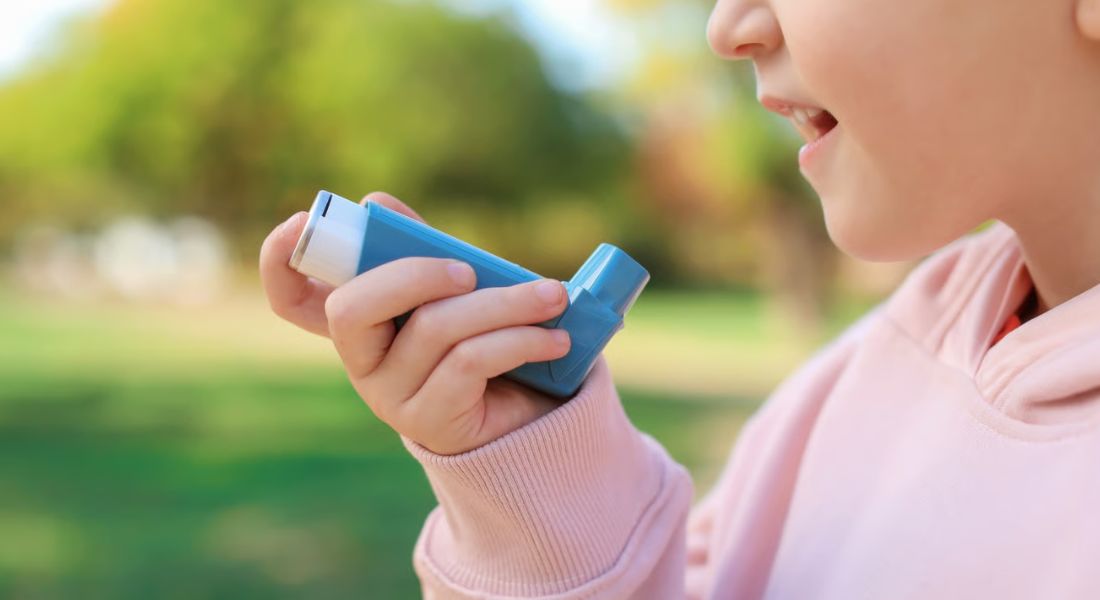
Childhood asthma can be worrying when your child is coughing through the night, wheezing after running, struggling with breathlessness, or needing an inhaler more often than usual. As a parent, you naturally want to understand what is causing these symptoms, what signs to look out for, and how you can help keep your child safe and well.
Asthma is one of the most common long-term breathing conditions in children. It affects the airways, making them more sensitive and more likely to become swollen, narrow, and irritated when exposed to certain triggers. Although symptoms can vary from one child to another, early recognition and appropriate treatment can make a significant difference to your child’s health and quality of life.
The good news is that most children with asthma can lead active, healthy lives when their condition is well managed. With the right diagnosis, an individual treatment plan, regular reviews, and good inhaler technique, many children can take part in school, sport, and everyday activities with few limitations.
In this guide, you’ll learn about the common symptoms of childhood asthma, how the condition is diagnosed, the treatments that may be recommended, and the practical steps you can take to help reduce flare-ups. You’ll also find guidance on recognising warning signs, understanding asthma triggers, and knowing when to seek urgent medical attention.
What Is Childhood Asthma?
Childhood asthma is a long-term condition that affects the airways, which are the breathing tubes that carry air in and out of your child’s lungs. It is one of the most common long-term health conditions in children, although symptoms and severity can vary widely from one child to another.
When your child has asthma, their airways become more sensitive and inflamed than usual. As a result, they can react more strongly to certain triggers, such as viral infections, exercise, pollen, dust, or cold air, even when these would not affect another child in the same way.
During an asthma flare-up, the muscles surrounding the airways tighten, the lining of the airways becomes swollen, and extra mucus may be produced. These changes narrow the airways, making it more difficult for your child to breathe comfortably and causing symptoms such as coughing, wheezing, breathlessness, or chest tightness.
Why Asthma Symptoms Can Come and Go
One of the things that can make childhood asthma confusing is that symptoms often come and go. Your child may seem completely well for days or even weeks, then suddenly develop coughing, wheezing, or breathlessness. This can make it difficult to recognise that asthma is the underlying cause.
Asthma symptoms often appear when they are triggered by certain situations rather than being present all the time. For example, your child may develop symptoms during a cold, after running or playing sport, during pollen season, around pets, or when exposed to cold air or other environmental triggers.
Because of this changing pattern, asthma is not always obvious at first. You may only notice symptoms at certain times instead of every day, which is why keeping track of when they occur can be helpful. Sharing these patterns with your healthcare professional can make it easier to reach the correct diagnosis and develop the most appropriate treatment plan.
Common Symptoms of Childhood Asthma
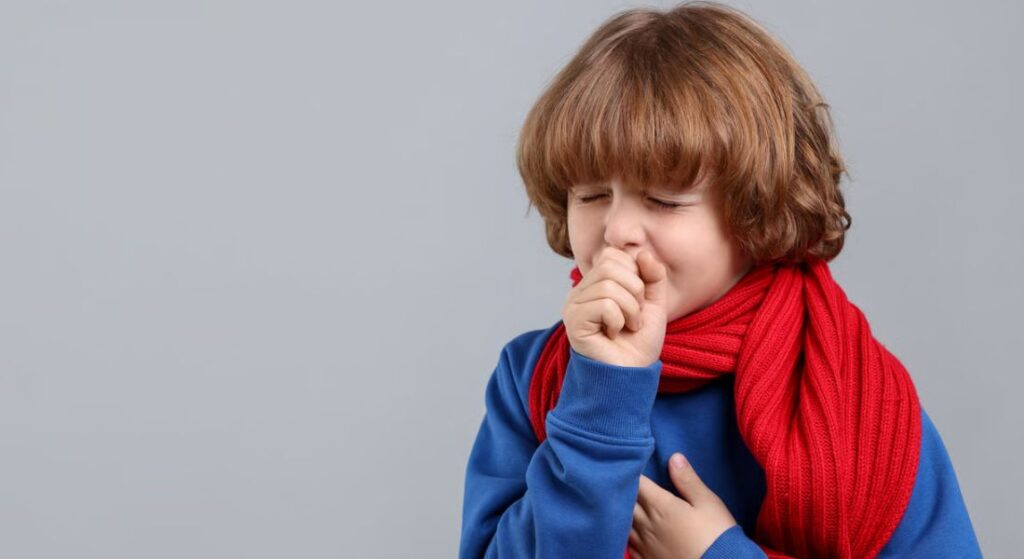
Childhood asthma shows up in different ways, and symptoms can vary from child to child. Some children may only show mild signs, while others may experience more noticeable breathing difficulties.
- Persistent or recurring cough: A cough that keeps coming back, especially at night or early morning, can be an early sign of asthma. It may also worsen after exercise or during colds.
- Wheezing (whistling sound while breathing): Wheezing is a high-pitched sound usually heard when your child breathes out. It happens when the airways become narrow and inflamed.
- Shortness of breath: Children may feel out of breath more quickly than expected during play, sport, or even light activity. They may need to stop and rest more often.
- Chest tightness or discomfort: Some children describe this as pressure, pain, or a “heavy” feeling in the chest. Younger children may struggle to explain it clearly.
- Tiredness during physical activity: Children with asthma may avoid running or become tired faster than other children. This can affect their participation in games or school activities.
Recognising these symptoms early can help ensure your child receives the right diagnosis and treatment without delay. If these signs keep returning or affect daily life, a medical review is strongly recommended.
Coughing as an Asthma Symptom
Coughing is one of the most common symptoms of asthma in children. It can happen at any time of the day, but it is often more noticeable at night or in the early hours of the morning. A persistent cough may sometimes be the main sign of asthma, even if your child does not wheeze regularly.
You may notice that your child coughs after running, laughing, crying, or spending time in cold air. Their cough may also become worse during viral infections, even if the infection itself seems mild. Recognising these patterns can help your healthcare professional decide whether asthma is a possible cause.
Not every cough is caused by asthma, and many childhood coughs are linked to common viral infections. However, if your child’s cough keeps returning, disturbs their sleep, or happens alongside wheezing or breathlessness, it is important to have it assessed by a healthcare professional.
Wheezing in Children
Wheezing is a high-pitched whistling sound that can occur when your child breathes, most commonly when breathing out. It usually happens because the airways have become narrowed, making it harder for air to move in and out of the lungs.
Some children only wheeze when they have a cold, particularly during the preschool years, and these episodes may become less frequent as they grow older. Other children wheeze more regularly because of asthma or increased sensitivity of the airways. The pattern, frequency, and severity of wheezing can help a doctor understand the underlying cause.
If your child wheezes frequently, needs inhalers repeatedly, or becomes breathless when wheezing, it is important to seek medical advice. If they are struggling to breathe, have blue lips, or seem unusually drowsy, you should seek urgent medical attention without delay.
Breathlessness and Exercise Symptoms
Many children become out of breath when they run, play, or take part in energetic activities, and this is often completely normal. They usually recover within a few minutes once they stop and rest.
With asthma, however, breathlessness may seem more severe than you would expect for the level of activity. Your child may stop playing sooner than other children, cough during or after exercise, say that running feels difficult, or avoid sports and active games because breathing becomes uncomfortable.
Exercise should not usually be something your child has to avoid because of asthma. With the right treatment, good asthma control, and appropriate medical advice, many children can enjoy running, swimming, football, dancing, and other physical activities safely and confidently.
Chest Tightness or Chest Discomfort
Older children may describe asthma as chest tightness, heaviness, pressure or pain. Younger children may not have the words to explain it clearly. They may point to their chest, become unsettled, stop playing or seem frightened when symptoms occur.
Some children may say their tummy hurts when the real issue is breathing discomfort. If chest symptoms happen with breathlessness, wheezing, coughing or exercise intolerance, asthma may be one possible cause. A paediatric review can help decide what is going on.
Symptoms That Are Often Worse at Night

Asthma symptoms are often worse at night or early in the morning. You may notice your child wakes up coughing, needs their inhaler overnight or seems tired because their sleep is disturbed. Night-time symptoms are important because they may suggest asthma is not well controlled.
Even if your child seems fine during the day, frequent night coughing should not be ignored. A child should not have to regularly wake from sleep because of asthma symptoms. If this is happening, their treatment plan may need review.
What Causes Childhood Asthma?
Asthma is usually caused by a combination of factors rather than a single cause. Some children naturally have more sensitive airways because of their genes, while others may develop symptoms that are influenced by allergies, viral infections, or other environmental factors. In many cases, it is a combination of these factors that leads to asthma.
Asthma is more common in children who have eczema, hay fever, food allergies, or a family history of asthma or other allergic conditions. However, not every child with these risk factors develops asthma, and some children who have no obvious risk factors can still be diagnosed with the condition.
The exact cause of asthma can vary from one child to another. This is why a careful assessment is so important. By looking at your child’s symptoms, medical history, and possible triggers, a healthcare professional can create a treatment plan that is tailored to your child’s individual needs rather than relying on one symptom alone.
Common Asthma Triggers
Asthma triggers are things that can make your child’s symptoms worse or lead to an asthma flare-up. Learning what triggers your child’s asthma can help you manage the condition more confidently and reduce the likelihood of symptoms becoming more severe.
Common triggers include viral colds, cold air, exercise, pollen, dust mites, mould, pet dander, cigarette smoke, air pollution, strong smells, and changes in the weather. Some children may also develop symptoms when they laugh, cry, or experience emotional stress. Every child is different, so your child’s triggers may not be the same as someone else’s.
You may not be able to avoid every trigger, and you should not feel guilty if that is the case. The aim is to recognise patterns, reduce avoidable exposure where possible, and work with your child’s healthcare professional to develop a management plan that helps keep their asthma well controlled.
Viral Infections and Asthma
Colds and other viral infections are among the most common triggers for asthma symptoms in children. You may notice that your child’s coughing, wheezing, or breathlessness becomes worse each time they catch a cold, even if they are usually well between illnesses.
This can be particularly challenging if your child attends nursery or school, where they are exposed to a wide range of viruses throughout the year. You may feel that they recover from one infection only to catch another soon afterwards, making it difficult to tell whether their asthma is being well controlled.
If every cold leads to wheezing, breathlessness, or a cough that lasts much longer than expected, it is worth arranging an asthma review. A healthcare professional can assess whether your child’s treatment plan needs to be adjusted to improve symptom control and reduce the risk of more severe flare-ups in the future.
Allergy-Related Asthma
Some children have asthma that is linked to allergies. Common triggers may include pollen, dust mites, pets, mould, or other environmental allergens. Identifying these triggers can help you better understand why your child’s asthma symptoms become worse at certain times.
You may notice that your child’s symptoms are more troublesome during particular seasons, around animals, in dusty environments, or after spending time outdoors. Your child may also have other allergic conditions, such as hay fever, eczema, or allergic rhinitis, which can often occur alongside asthma.
If allergy triggers appear to be contributing to your child’s symptoms, the paediatrician may discuss whether allergy testing or referral to an allergy specialist would be helpful. Managing allergies alongside asthma can improve symptom control and may reduce the likelihood of future asthma flare-ups.
Asthma in Babies and Toddlers
Diagnosing asthma in babies and toddlers can be more challenging than in older children. Many young children wheeze during viral infections, but not all of them will go on to develop asthma. Because of this, doctors need to look carefully at your child’s symptoms over time before making a diagnosis.
Children under the age of five are usually too young to perform breathing tests reliably. Instead, the doctor will consider your child’s symptoms, medical history, family history of asthma or allergies, physical examination, and how they respond to treatment. You may hear terms such as suspected asthma or preschool wheeze while your child’s symptoms continue to be monitored.
This careful approach does not mean your concerns are being dismissed. Rather, it reflects the fact that breathing problems in young children can have several possible causes, and the pattern of symptoms may become clearer as your child gets older. Regular follow-up appointments can help ensure the diagnosis remains accurate.
As your child grows, the doctor may review whether the symptoms continue, improve, or change over time. This ongoing assessment helps you understand what is happening, ensures your child receives the most appropriate treatment, and avoids giving unnecessary medication if another condition is causing the symptoms.
Asthma in School-Age Children
As children reach school age, asthma can become easier to recognise because they are often able to describe their symptoms more clearly. They may also be old enough to perform breathing tests, which can provide useful information to support the diagnosis and monitor how well their asthma is being controlled.
You may notice that your child coughs after exercise, wheezes during colds, wakes at night because of coughing or breathlessness, or needs to use their reliever inhaler at school. Teachers or school staff may also tell you that your child struggles during PE lessons, avoids active play, or becomes breathless more easily than other children.
At this stage, asthma management is not only about medication but also about helping your child understand their condition. As they grow more independent, they should learn to recognise their symptoms, know when to ask for help, and understand how and when to use their inhaler correctly, while still receiving support from you and their healthcare team.
Asthma in Teenagers
Teenagers do not always talk openly about their asthma symptoms. Some may under-report how they are feeling because they do not want to seem different from their friends, while others may forget to use their preventer inhaler, avoid carrying medication, or try to push through symptoms during sport or other activities.
Managing asthma during the teenage years requires a careful and respectful approach. Your teenager should be encouraged to take an active role in their own care, while you and their healthcare team continue to provide guidance and support as they become more independent.
A paediatrician can help your teenager understand their asthma in a practical and age-appropriate way. The aim is to build confidence, encourage good self-management habits, and support independence without overlooking the importance of staying safe and keeping asthma well controlled.
How Childhood Asthma Is Diagnosed
Asthma is usually diagnosed by taking a detailed medical history rather than relying on a single test. The doctor will ask about your child’s symptoms, when they occur, possible triggers, family history of asthma or allergies, previous episodes of wheezing, night-time symptoms, and whether inhalers have helped in the past.
Your child will usually have a physical examination as well. The doctor may listen to their chest, assess their breathing, check their general health, and look for signs of conditions that are often linked with asthma, such as eczema or allergies, or signs that suggest another cause for the symptoms.
If your child is old enough, they may also be asked to perform breathing tests to support the diagnosis. These tests measure how well air moves in and out of the lungs and can provide useful information alongside your child’s symptoms and medical history.
UK Guideline Note:
In the UK, asthma diagnosis and long-term management should follow recognised guidance such as the BTS/NICE/SIGN asthma guideline. In younger children, diagnosis can take time because breathing tests may not be reliable. Your doctor may treat suspected asthma, review symptoms regularly, and consider objective tests when your child is old enough to perform them properly.
Breathing Tests for Asthma
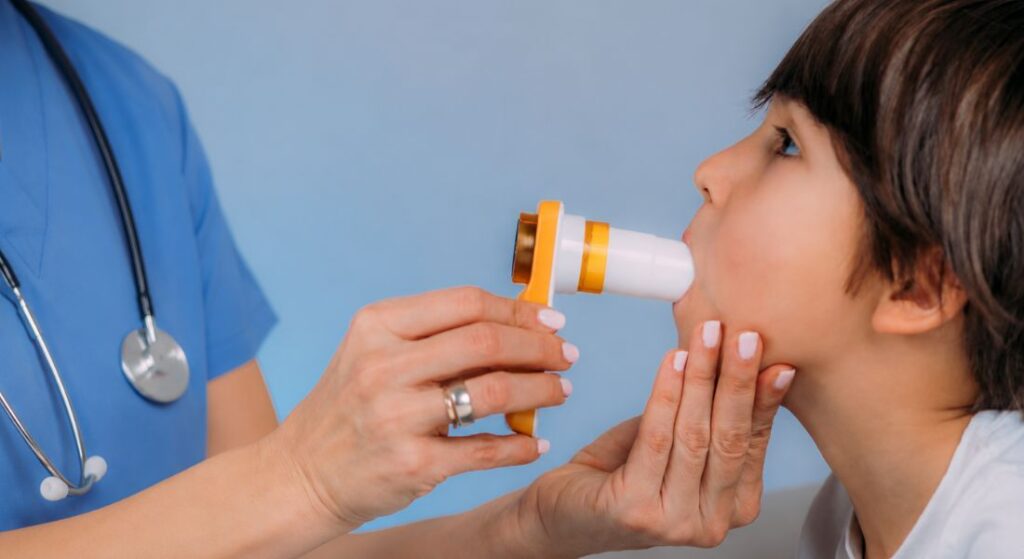
Breathing tests may include spirometry, peak flow monitoring or other lung function tests, depending on your child’s age and local services. These tests can help assess airflow and whether the airways improve after inhaler treatment. Some children find these tests easy, while others need practice.
Younger children may not be able to do them reliably, which is why diagnosis can take longer in preschool children. Test results are useful, but they are only one part of the picture. Doctors also consider symptoms, triggers, examination findings and how your child responds to treatment.
Why Diagnosis May Take Time
Asthma is not always diagnosed in one appointment. This can feel frustrating, but it is often because symptoms overlap with other conditions. Recurrent viral wheeze, allergies, reflux, airway infections, breathing pattern issues and other respiratory conditions can sometimes look similar.
The doctor may need to observe patterns over time before confirming asthma. You can help by keeping a symptom diary. Write down when symptoms happen, what triggered them, how long they lasted, whether inhalers helped and whether symptoms affected sleep or activity.
Conditions That Can Look Like Asthma
Not every cough, wheeze, or breathing problem is caused by asthma. Several other conditions can produce similar symptoms, so it is important not to assume that asthma is always the cause without a proper medical assessment.
Depending on your child’s age and symptoms, possible causes may include viral wheeze, chest infections, reflux, allergies, post-nasal drip, enlarged adenoids, an inhaled foreign body, breathing pattern disorders, or less common lung conditions. Your child’s medical history and examination help guide which causes are most likely.
This is why an accurate diagnosis is so important. A thorough assessment can help you understand what is causing your child’s symptoms, avoid unnecessary medication, and ensure that the most appropriate treatment is started if it is needed.
Treatment Goals for Childhood Asthma
The main goal of asthma treatment is to help your child stay well and enjoy everyday life. With good asthma control, your child should be able to sleep through the night, play, attend school regularly, take part in exercise, and enjoy normal activities with as few symptoms as possible.
Another important aim is to reduce the risk of asthma attacks. Regular reviews, correct inhaler technique, and following a written asthma action plan all play an important role in keeping symptoms under control and helping you recognise early signs that treatment may need to be adjusted.
Asthma treatment should always be tailored to your child’s individual needs. Some children only need occasional medication, while others benefit from a daily preventer inhaler and regular follow-up to keep their asthma well managed over time.
Common Asthma Treatments
Asthma treatment usually involves inhaled medication, which delivers medicine directly into your child’s airways. This helps the treatment work where it is needed while reducing the amount of medicine reaching the rest of the body.
Your child may be prescribed a reliever inhaler, a preventer inhaler, or another type of inhaler depending on their age, symptoms, and current clinical guidance. Some children may also need tablets or short courses of oral steroids during asthma flare-ups to help bring symptoms under control.
You should always follow the treatment plan provided by your child’s doctor or asthma nurse. It is important not to start, stop, or change your child’s asthma medicines without medical advice, even if their symptoms seem to improve.
Reliever Inhalers
Reliever inhalers are used when your child has asthma symptoms such as wheezing, coughing, chest tightness, or breathlessness. They work by relaxing the muscles around the airways, helping them open more quickly so your child can breathe more easily.
Many reliever inhalers are blue, although inhaler colours can vary depending on the type and manufacturer. It is important that you know which inhaler is for quick symptom relief, when your child should use it, and the correct way to use it.
If your child needs their reliever inhaler more often than recommended, it may be a sign that their asthma is not well controlled. You should arrange a review with a healthcare professional so your child’s treatment plan can be assessed and adjusted if needed.
Preventer Inhalers
Preventer inhalers are used to reduce inflammation in your child’s airways and lower the risk of asthma symptoms and flare-ups. When they are prescribed, they are usually intended to be taken every day, even when your child is feeling well, to help keep asthma under control over the long term.
Unlike a reliever inhaler, a preventer does not usually provide immediate relief from symptoms. Because of this, it can sometimes seem as though it is not making a difference. However, using it consistently as prescribed can play a key role in reducing symptoms and helping to prevent asthma attacks.
If your child has been prescribed a preventer inhaler, it is important to use it exactly as directed. You should not stop the medication without medical advice, even if symptoms improve, as this may increase the chance of asthma symptoms returning.
Spacers and Why They Matter
A spacer is a chamber that attaches to an inhaler and helps your child breathe the medicine into their lungs more effectively. It makes it easier for the medication to reach where it is needed, rather than remaining in the mouth or throat. For many children, using an inhaler with a spacer is easier and more effective than using the inhaler on its own.
Younger children often need a spacer with a face mask, while older children are usually able to use a mouthpiece instead. Your healthcare professional can advise which type is most suitable for your child’s age and ability. It is also important to check your child’s inhaler technique regularly, as small mistakes can reduce how much medicine reaches the lungs.
Even if your child has the right medication, it may not work as well if the inhaler is not being used correctly. Reviewing inhaler technique during routine appointments can help you feel confident that your child is receiving the full benefit of their asthma treatment.
Asthma Treatment Overview
| Treatment or Support | What It Helps With | Parent-Friendly Note |
| Reliever inhaler | Helps symptoms such as wheeze or breathlessness | Used when symptoms happen, following your child’s plan |
| Preventer inhaler | Reduces airway inflammation and helps prevent symptoms | Usually needs regular daily use when prescribed |
| Spacer device | Helps inhaled medicine reach the lungs | Very important for children using inhalers |
| Asthma action plan | Guides daily care and flare-up steps | Should be shared with school or nursery |
| Trigger management | Reduces exposure to things that worsen asthma | Focus on realistic, practical changes |
| Regular asthma review | Checks control, medicines and technique | Helps adjust treatment as your child grows |
Asthma Action Plans

A written asthma action plan is one of the most useful tools you can have for managing your child’s asthma. It explains which medicines should be taken every day, what steps to follow if symptoms begin to worsen, and when you should seek urgent medical help.
The plan should be simple, clear, and easy to follow for anyone who cares for your child. This includes you, as well as your child’s school, nursery, grandparents, or other carers. It should include the names of inhalers, the correct doses, warning signs to look out for, and the actions to take in an emergency.
It is a good idea to keep copies of the action plan wherever your child regularly spends time. Having it available at home, school, and with other carers helps ensure everyone knows how to respond if symptoms develop.
If your child does not already have a written asthma action plan, ask your healthcare professional for one. It can make day-to-day asthma management much simpler and give you greater confidence in knowing what to do if your child’s symptoms change.
Evidence Note:
Research on childhood asthma management shows that regular asthma reviews, inhaler technique checks and written asthma management plans can support better control and reduce flare-up risk. For parents, this means asthma care is not only about having the right inhaler, but also about knowing when to use it, checking technique regularly and having a clear written plan for home, school and emergencies.
Managing Asthma at School or Nursery
If your child has asthma, it is important to let their school or nursery know about the condition. Staff should understand your child’s usual symptoms, know when they may need their inhaler, and be familiar with the steps to take if their asthma becomes worse during the day.
Your child should always have access to their reliever inhaler when it is needed. Older children may be able to carry and use their inhaler independently if appropriate, while younger children may need support from school or nursery staff to ensure it is available quickly.
It is also helpful to provide the school or nursery with a copy of your child’s asthma action plan. This gives staff clear guidance on how to recognise worsening symptoms, when to use medication, and when you should be contacted or urgent medical help should be sought.
Good communication between you, your child’s school or nursery, and their healthcare team can make asthma easier to manage. When everyone understands the plan and their role, your child is more likely to feel confident, supported, and able to take part in everyday activities safely.
Exercise and Childhood Asthma
Exercise can trigger asthma symptoms in some children, but this does not mean your child should avoid sport or physical activity. Regular exercise is important for overall health, confidence, fitness, and social development, and many children with asthma can take part safely.
If your child coughs, wheezes, or becomes unusually breathless during or after exercise, it may be a sign that their asthma management plan needs to be reviewed. You should discuss these symptoms with a doctor, as they may indicate that your child’s asthma is not well controlled or that they need specific advice before being active.
With good asthma control, many children are able to enjoy running, swimming, football, dancing, and a wide range of other activities. The goal is to help your child participate safely and confidently, rather than limiting their activities unnecessarily.
Preventing Asthma Flare-Ups
You cannot prevent every flare-up, but you can reduce risk. The most important steps are using medicines as prescribed, checking inhaler technique, avoiding known triggers where possible and attending regular reviews. Keeping your child’s action plan updated also helps.
If symptoms start to worsen, you can follow the plan early instead of waiting until breathing becomes more difficult. You should also make sure your child’s inhalers are in date and available when needed. This is especially important at school, during travel and overnight stays.
When Asthma Is Not Well Controlled
Asthma may not be well controlled if your child coughs or wheezes frequently, wakes during the night because of breathing symptoms, avoids exercise, misses school, or needs to use their reliever inhaler more often than expected. If you notice these signs, it may mean that your child’s asthma management plan needs to be reviewed.
Poor asthma control can happen for several reasons. Your child may need a different medication dose, improved inhaler technique, better management of triggers, treatment for allergies, or a review to confirm that asthma is the correct diagnosis. A specialist assessment can help you understand what changes may be needed.
It is important not to accept frequent asthma symptoms as something your child simply has to live with. If asthma is affecting your child’s daily life, sleep, school, or activities, you should arrange a medical review to help improve their symptom control and overall wellbeing.
Asthma Attacks: Warning Signs
An asthma attack happens when your child’s symptoms suddenly become much worse and breathing becomes difficult. This can be a medical emergency, so it is important to recognise the warning signs and act quickly.
Warning signs may include severe breathlessness, difficulty speaking, very fast breathing, the chest pulling in with each breath, blue lips, extreme tiredness, confusion, or symptoms that do not improve after using a reliever inhaler. In younger children, you may notice that they become unusually quiet, floppy, or too breathless to feed or drink properly.
If you are worried about your child’s breathing, seek urgent medical help immediately. It is always safer to act early rather than wait to see if symptoms improve on their own, particularly if your child is finding it difficult to breathe.
When to Seek Urgent Help
You should seek urgent medical help if your child is struggling to breathe, has blue lips, is too breathless to speak, walk, eat, or drink, becomes unusually drowsy, or does not improve after following their asthma action plan. These symptoms should always be taken seriously and need prompt assessment.
If your child’s symptoms are life-threatening, call 999 or go straight to A&E. If you are unsure what to do and the situation is not immediately life-threatening, you can contact NHS 111 for advice on the most appropriate next step.
Do not wait for a routine paediatric appointment if your child’s breathing is seriously affected. Acting quickly can be important, and any significant breathing difficulty in a child should always be assessed without delay.
UK Safety-Net Note:
Asthma symptoms can sometimes worsen quickly. If your child is struggling to breathe, has blue lips, is too breathless to speak, walk, eat or drink, becomes unusually drowsy, or does not improve after following their asthma action plan, seek urgent help immediately. In a life-threatening situation, call 999 or go straight to A&E rather than waiting for a routine appointment.
Long-Term Asthma Management
Asthma management is not only about treating flare-ups. It is also about keeping symptoms controlled over time. Your child should have regular reviews to check symptoms, inhaler use, inhaler technique, growth, side effects, triggers and whether treatment still fits their needs.
Children grow and their asthma pattern can change. Long-term management should feel like a partnership. You, your child, the paediatrician, GP, asthma nurse and school can all play a role.
Can Children Grow Out of Asthma?
Some children have fewer asthma symptoms as they grow older, particularly if they mainly wheezed during viral infections in early childhood. However, other children continue to have asthma throughout adolescence or into adulthood, so every child’s experience is different.
It is not always possible to predict exactly how your child’s asthma will change over time. Regular reviews with a healthcare professional are important because they help you understand how well the condition is being controlled and whether any changes to treatment are needed.
Even if your child’s symptoms improve, you should not stop their prescribed asthma medication without medical advice. Any changes to the treatment plan should be made gradually and safely, based on your child’s symptoms, overall asthma control, and future risk of flare-ups.
Asthma and Allergies
Asthma and allergies often overlap. Children with asthma may also have hay fever, eczema or food allergies. Poorly controlled hay fever can make asthma symptoms worse in some children.
If your child has seasonal symptoms, blocked nose, sneezing or itchy eyes, this is worth mentioning during their asthma review. Managing allergic conditions can sometimes improve asthma control. The doctor may recommend allergy treatment, testing or referral depending on your child’s symptoms.
Asthma and Sleep
Night-time coughing or wheezing can disturb your child’s sleep and leave them feeling tired during the day. Poor sleep can affect mood, behaviour, concentration at school, and family life, so it is important not to overlook symptoms that keep happening at night.
If your child regularly wakes because of coughing, wheezing, or breathing difficulties, you should discuss this with a doctor. These symptoms may suggest that your child’s asthma is not as well controlled as it could be, and you may need to review their treatment or asthma management plan.
With good asthma control, night-time symptoms should become much less frequent. Your child should be able to sleep through the night without being regularly disturbed by asthma, helping them feel more rested and better able to enjoy everyday activities.
Asthma and Emotional Wellbeing
Asthma can affect more than just your child’s breathing. Some children may feel embarrassed about using an inhaler, anxious about having an asthma flare-up, or frustrated if symptoms stop them from joining in with sports or other activities alongside their friends.
You can support your child by talking about asthma in a calm and practical way. Helping them understand their condition without making them feel fragile can build confidence, while also ensuring they know how to recognise symptoms and when they should ask for help.
Teenagers may need additional encouragement because they sometimes avoid using their medication to fit in with their peers. By gradually helping your teenager take responsibility for managing their asthma, while still providing guidance and support, you can encourage greater independence without compromising their safety.
Common Myths About Childhood Asthma
| Myth | Fact |
| “Asthma only matters during attacks.” | Day-to-day control matters because it helps reduce attacks and symptoms. |
| “Children with asthma should avoid sport.” | Most children can be active when asthma is well controlled. |
| “If my child feels better, they can stop their preventer.” | Preventers should only be stopped or changed with medical advice. |
| “A cough is never asthma unless there is wheezing.” | Some children mainly cough, especially at night or after exercise. |
| “Inhalers are only useful if symptoms are severe.” | Inhalers can help control symptoms and prevent flare-ups when used correctly. |
How Parents Can Support Asthma Control at Home
You can help support your child’s asthma by learning what triggers their symptoms, checking that inhalers are being used correctly, and following their asthma action plan. These simple everyday steps can make a real difference in keeping symptoms under control and reducing the risk of flare-ups.
It is also important to keep inhalers easy to access and check that they are not out of date. Make sure your child’s school or nursery has the correct medication, understands their asthma action plan, and knows what to do if symptoms develop during the day.
Keeping a simple symptom diary can also be useful. By noting when symptoms occur, possible triggers, and how often inhalers are needed, you can spot patterns more easily and provide the paediatrician with valuable information at future appointments.
What to Discuss at an Asthma Review
During an asthma review, you should discuss how often your child has symptoms, how often they use reliever treatment, whether they wake at night, and whether asthma affects exercise or school. You should also ask for inhaler technique to be checked.
This is important even if your child has used inhalers for a long time. Mention any side effects, missed doses, trigger concerns or worries about medicines. Asthma care works best when you can speak honestly.
Preparing for a Paediatric Asthma Appointment
Before the appointment, it can help to write down your child’s symptoms and when they occur. Include details about night-time symptoms, breathing problems during exercise, symptoms that appear with colds, possible triggers, and how often your child uses their inhaler. This information can help you give the paediatrician a clearer picture of what has been happening.
Bring any previous clinic letters, test results, inhalers, spacers, and your child’s current asthma action plan if they have one. The paediatrician may also want to watch how your child uses their inhaler so they can check that the technique is correct and make any necessary suggestions.
If your child’s symptoms come and go, photos or short videos can be very helpful. For example, a video showing wheezing or breathing difficulty may help the paediatrician understand exactly what you have been seeing at home, even if your child seems well during the appointment.
When to See a Paediatrician for Asthma
You may want to see a paediatrician if your child has repeated wheezing, a persistent cough, night-time symptoms, breathlessness during exercise, frequent use of a reliever inhaler, or asthma symptoms that are affecting everyday life. If you feel that symptoms are becoming more frequent or harder to manage, a specialist assessment can help provide clearer answers.
A paediatrician can also help if the diagnosis is unclear, if your child is very young, if symptoms keep returning despite treatment, or if you would like a second opinion. During the appointment, you can discuss your concerns in detail and ask questions about your child’s symptoms and treatment.
A specialist review can help clarify whether your child’s symptoms are due to asthma, viral wheeze, an allergy, or another condition. It can also give you a clearer long-term management plan, helping you feel more confident about supporting your child’s health.
Private Asthma Care in London
Private paediatric asthma care can be a good option if you want quicker access to specialist assessment, more time to discuss your child’s symptoms, or continuity with the same consultant. This can be particularly helpful when your child’s breathing symptoms keep returning or are affecting daily life but are not an emergency.
During the appointment, the consultant may take a detailed medical history, examine your child, check their inhaler technique, discuss possible asthma triggers, review current treatment, and explain whether any further tests are needed. This gives you the opportunity to ask questions, understand what may be causing the symptoms, and learn how you can help your child manage their asthma more effectively.
If you are looking for support from a children’s asthma clinic in London for specialist paediatric assessment, it is worth choosing a clinic that offers clear communication, child-friendly care, and practical guidance tailored to your child’s needs. This can help you feel more confident about managing asthma and knowing what to do if symptoms change.
Key Takeaways
- Childhood asthma commonly causes coughing, wheezing, breathlessness and chest tightness.
- Symptoms may come and go and are often worse at night, during colds, after exercise or around triggers such as pollen, dust, pets, smoke or cold air.
- Diagnosis can be more difficult in children under 5, so symptoms may need to be reviewed over time.
- Inhalers usually work best when used correctly, and many children need a spacer.
- A written asthma action plan can help you, your child, school and carers know what to do day to day and during flare-ups.
- Frequent reliever use, night waking, exercise limitation or repeated flare-ups suggest asthma may not be well controlled.
- Seek urgent help if your child is struggling to breathe, has blue lips, becomes very drowsy or does not improve after following their asthma action plan.
FAQs:
1. How can it be known whether a child has asthma or just a persistent cough?
A persistent cough does not always mean your child has asthma, but a cough that keeps coming back, is worse at night, happens after exercise, or occurs alongside wheezing or breathlessness should be assessed. A paediatrician will consider your child’s symptoms, medical history and, where appropriate, breathing tests before making a diagnosis.
2. Can children grow out of asthma as they get older?
Some children experience fewer asthma symptoms as they get older, particularly if they mainly wheezed during viral infections in early childhood. However, others continue to have asthma into adolescence or adulthood, so regular medical reviews remain important.
3. What are the most common triggers that can make childhood asthma worse?
Common asthma triggers include viral infections, pollen, dust mites, pet dander, smoke, cold air, exercise, air pollution and changes in the weather. Identifying your child’s individual triggers can help reduce flare-ups and improve symptom control.
4. When should urgent medical help be sought for a child’s asthma symptoms?
You should seek urgent medical help if your child is struggling to breathe, cannot speak in full sentences, has blue lips, becomes unusually drowsy, or their symptoms do not improve after using their reliever inhaler according to their asthma action plan. In a life-threatening emergency, call 999 or attend your nearest A&E department immediately.
5. How is childhood asthma diagnosed, especially in younger children?
Diagnosis usually involves discussing your child’s symptoms, triggers, family history and medical history, followed by a physical examination. Older children may also have breathing tests, while younger children are often diagnosed based on symptoms over time because they may be too young to perform lung function tests reliably.
6. What is the difference between a reliever inhaler and a preventer inhaler?
A reliever inhaler provides quick relief by relaxing the airways during asthma symptoms such as wheezing or breathlessness. A preventer inhaler is taken regularly to reduce inflammation in the airways and lower the risk of future symptoms and asthma attacks.
7. Can my child still take part in sports and physical activities if they have asthma?
Yes. Most children with well-controlled asthma can safely participate in sport and regular physical activity. If exercise regularly causes symptoms, it may indicate that your child’s asthma treatment needs reviewing rather than avoiding exercise altogether.
8. How can a child’s asthma be managed at home and flare-ups reduced?
Following your child’s asthma action plan, ensuring inhalers are used correctly with a spacer where recommended, avoiding known triggers where possible, attending regular asthma reviews and checking inhaler expiry dates can all help keep asthma under good control.
9. Does my child need regular asthma reviews even if their symptoms seem well controlled?
Yes. Regular asthma reviews help ensure your child’s treatment remains appropriate as they grow. These appointments allow healthcare professionals to check symptom control, inhaler technique, medication use and whether any adjustments are needed.
10. When should seeing a consultant paediatrician for a child’s asthma be considered?
A specialist assessment may be helpful if your child has repeated wheezing, persistent cough, frequent asthma flare-ups, symptoms that remain poorly controlled despite treatment, an uncertain diagnosis, or if you would like a second opinion about their care.
Final Thoughts: Taking the Next Step in Your Child’s Asthma Care
Childhood asthma can feel overwhelming at first, but with the right diagnosis, appropriate treatment and regular reviews, most children can enjoy active, healthy lives. Learning to recognise symptoms early, understanding your child’s triggers and following an asthma action plan can make a significant difference in keeping asthma well controlled and reducing the risk of flare-ups.
If you’d like to find out whether our children’s asthma clinic in London is suitable for your child, feel free to contact us at London Paediatric Clinic to arrange a consultation. Our team can provide a thorough assessment, personalised advice and an ongoing management plan to help your child breathe more comfortably and confidently.
References:
- National Institute for Health and Care Excellence (NICE) (2024) Asthma: diagnosis, monitoring and chronic asthma management (BTS, NICE, SIGN). NICE guideline NG245. Available at: https://www.nice.org.uk/guidance/ng245
- Martin, J., Townshend, J. and Brodlie, M. (2022) Diagnosis and management of asthma in children, BMJ Paediatrics Open, 6(1), e001277. Available at: https://pubmed.ncbi.nlm.nih.gov/35648804/
- Rehman, N., Morais-Almeida, M. and Wu, A.C. (2020) Asthma across childhood: Improving adherence to asthma management from early childhood to adolescence, The Journal of Allergy and Clinical Immunology: In Practice, 8(6), pp.1802–1807.e1. Available at: https://pmc.ncbi.nlm.nih.gov/articles/PMC7275896/
- Khalaf, Z., Saglani, S. and Bloom, C.I. (2025) Implementation and effectiveness of guideline-recommended clinical activities for children with asthma: Population-based cohort, CHEST, 167(3), pp.665–674. Available at: https://www.sciencedirect.com/science/article/pii/S0012369224054424
- MacGillivray, M.E. and Flavin, M.P. (2014) Canadian paediatric asthma action plans and their correlation with current consensus guidelines, Paediatrics & Child Health, 19(7), pp.362–366. Available at: https://academic.oup.com/pch/article/19/7/362/2639021