



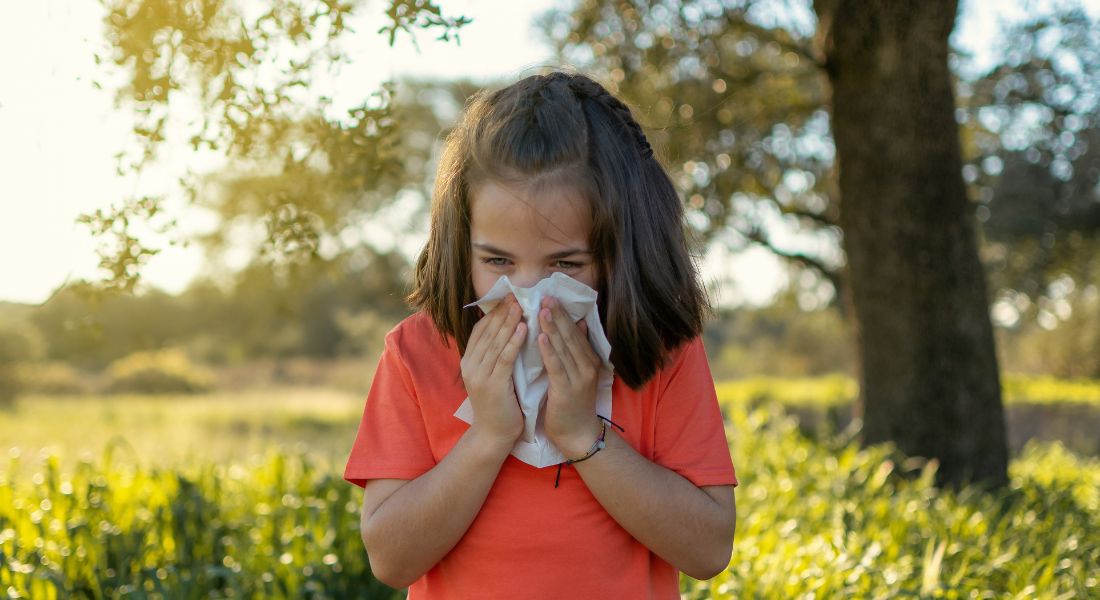
If allergies run in your family, it is natural to wonder whether your child might develop them as well. Many parents have concerns when they or other close relatives have conditions such as eczema, asthma, hay fever, or food allergies. Understanding the role of family history can help you better understand your child’s potential risk.
Allergies can run in families, but inheritance is not always straightforward or predictable. A child may inherit a tendency towards allergic conditions without developing exactly the same allergy as a parent or sibling. In addition to genetics, environmental factors also play an important role in determining whether allergies develop and how symptoms appear.
Although a family history of allergies can increase risk, it does not determine your child’s future. Many children with allergic relatives never develop significant allergies, while some children with no family history do. By understanding how genetic and environmental factors work together, you can make informed decisions without becoming unnecessarily worried or restrictive.
What Does Hereditary Mean in Allergy?
When doctors say that allergies can be hereditary, they mean that genetic factors may influence a child’s likelihood of developing allergic conditions. This does not mean that a specific allergy is automatically passed from parent to child. Instead, your child may inherit a general tendency towards allergic disease.
For example, if you have hay fever, your child may develop eczema rather than the same condition. Similarly, a parent with asthma may have a child who develops a food allergy. What often runs in families is the tendency to develop allergic conditions rather than an exact copy of the same allergy.
Family history can provide useful information about risk, but it cannot predict exactly what will happen. You should remember that genetics are only one part of the picture. Your child’s immune system is also influenced by factors such as environment, diet, infections, and early life exposures.
What Is Atopy?
Atopy is a term used to describe an inherited tendency to develop allergic conditions. These commonly include eczema, asthma, allergic rhinitis, and certain types of food allergy. If allergies run in your family, atopy may be one of the reasons why several relatives are affected by different allergic conditions.
A child with an atopic tendency may be more likely to develop immune responses to substances that are normally harmless. These can include pollen, dust mites, animal dander, or specific foods. However, having this tendency does not necessarily mean that your child will develop noticeable allergy symptoms.
Atopy helps explain why different allergic conditions often occur within the same family. You may have one family member with eczema, another with asthma, and another with hay fever. Although the conditions are different, the underlying tendency towards allergic disease may be shared.
Do Allergies Run in Families?
Yes, allergic conditions are generally more common in children who have a family history of allergy. Research has shown that parental allergic diseases can increase the likelihood of a child developing food allergies, eczema, asthma, or other atopic conditions. If allergies affect close family members, your child may have a higher risk of developing an allergic condition.
However, family patterns are not always predictable. Your child may develop an allergy even if neither parent has a diagnosed allergic condition. Equally, some children with a strong family history of allergy never go on to develop significant allergy symptoms.
Family history is therefore only one part of the overall picture. It can help clinicians assess risk and decide when closer monitoring may be appropriate. However, it cannot tell you exactly whether your child will develop allergies or which type of allergy may occur.
Evidence Note:
Research supports an association between family history and childhood allergy risk, but the increase in risk is not the same for every child or every allergic condition. In the population-based HealthNuts study, having one immediate family member with allergic disease was associated with approximately a 1.4-fold higher risk of infant food allergy, while having two or more allergic family members was associated with an approximately 1.8-fold increase. For parents, the practical message is that family history changes probability, but it does not allow clinicians to predict exactly whether a child will develop an allergy or what that allergy will be.
Can a Child Inherit a Specific Allergy?
In most cases, a child does not inherit a specific allergy in the same way that they inherit characteristics such as eye colour or blood group. If you have a peanut allergy, for example, it does not automatically mean that your child will also be allergic to peanuts. Allergy inheritance is usually more complex than that.
What may be inherited is a greater tendency for the immune system to develop allergic responses. The particular allergy or allergic condition that develops can be influenced by a combination of genetic factors and environmental exposures. This means that your child’s allergy profile may be different from your own.
This is one reason why allergy patterns within families often vary. You may have hay fever, while another family member has eczema or asthma. Even when allergies run in the family, your child may develop a different allergic condition rather than the exact same allergy.
Key Fact: Susceptibility Is Not the Same as Destiny
A family history of allergy can increase your child’s risk, but this does not mean that a parent’s exact allergy will automatically be inherited. Modern genetic research shows that food allergy involves multiple genetic regions, including pathways related to immune function and epithelial barrier integrity. Environmental exposure and epigenetic mechanisms may also influence whether inherited susceptibility develops into clinical allergy.
How Much Do Genes Matter?
Genes can influence a child’s risk of developing allergies, but no single gene explains all childhood allergic conditions. If allergies run in your family, inherited factors may increase your child’s likelihood of developing conditions like eczema, asthma, or food allergies.
- Immune System and Skin Barrier: Some genes affect how the immune system reacts to allergens, while others influence the skin barrier or inflammatory responses.
- Genetic Susceptibility: These differences can make some children more prone to developing allergic conditions than others.
- Not Deterministic: Genetics alone don’t determine whether allergies will occur; many children with a family history never develop serious allergies.
- Complex Inheritance: Multiple genes and environmental factors interact, making it hard to predict exactly which allergies a child might develop.
Overall, genes provide part of the explanation for allergic conditions, but environment, lifestyle, and other factors are also important. Understanding family history helps guide monitoring and early management, rather than giving a definite prediction.
Why Environment Also Matters

Genetics are important, but they do not fully explain why allergic conditions have become more common in recent decades. Changes in allergy rates have occurred much faster than genetic changes within populations. This is why researchers also study environmental factors that may influence whether your child develops allergic conditions.
A range of environmental influences have been investigated, including air pollution, smoking exposure, diet, infections, microbial exposure, living conditions, and certain medications. These factors may interact with a child’s genetic predisposition rather than acting alone. As a parent, you may notice that children with similar family histories can have very different allergy outcomes.
Even if your child inherits an increased tendency towards allergies, the outcome is not fixed. Environmental exposures can influence how that susceptibility develops over time and may affect the type or severity of allergic conditions. This means that while genetics matter, you should remember that allergy development is usually the result of several factors working together.
What Does Family History Tell You?
Family history can provide useful information about your child’s risk of developing allergic conditions. If allergies are common within your family, your child may have a higher tendency towards allergic disease. However, family history cannot tell you exactly which allergy might develop, how severe it could be, or whether an allergy will occur at all.
Your doctor may ask whether you, your partner, or other close relatives have conditions such as asthma, eczema, hay fever, or food allergies. This information helps build a clearer picture of your child’s allergic background. It can also help identify patterns that may be relevant during an assessment.
Family history is most helpful when considered alongside your child’s own symptoms and medical history. For example, if your child has eczema, a strong family history of allergy, and a convincing reaction to a particular food, further investigation may be appropriate. Looking at all these factors together provides a more accurate assessment than family history alone.
Does It Matter Which Parent Has Allergies?
Both parents’ allergy history can provide important information about a child’s potential risk of developing allergic conditions. Research suggests that allergic disease in either the mother or father may be associated with an increased likelihood of allergy in children. The pattern is not limited to one side of the family.
You should share allergy information from both sides of the family during your child’s medical assessment. This includes conditions such as asthma, eczema, hay fever, or food allergies in parents, siblings, or close relatives. Looking at the complete family history can help your doctor understand the wider allergic background.
The type of allergic condition can also differ between generations. For example, your child’s eczema or food allergy risk may still be relevant if a parent has asthma rather than the same condition. Allergic tendency can appear in different ways within the same family.
Family History and Childhood Allergy Risk
| Family History Scenario | Increased Risk For | Practical Notes |
| One parent with hay fever | Mildly increased risk of eczema, asthma, or hay fever | Child may inherit general atopic tendency; observe for early symptoms |
| Both parents with allergies | Higher risk of developing allergic conditions | Not guaranteed; child may develop a different allergy than parents |
| Siblings with allergy | Shared genetic and environmental influences | Individual outcomes vary; one sibling may have a food allergy while another has hay fever or none |
| Eczema in parent or close relative | Increased likelihood of childhood atopic eczema | Early management of skin barrier and flare-ups is important |
| Asthma in family | Higher tendency for respiratory allergic conditions | Monitor for wheezing, night cough, or exercise-related symptoms |
| Food allergies in family | Slightly increased risk for food allergies | Introduce allergenic foods at age-appropriate stages; avoid unnecessary blanket restrictions |
| No family history | Child may still develop allergies | Environmental exposures and immune development play a significant role; remain vigilant for symptoms |
What If Both Parents Have Allergies?
When both parents have allergic conditions, your child’s overall tendency towards allergic disease may be higher compared with children who have no family history. However, this does not mean that your child will definitely develop an allergy or that they will have the same condition as either parent.
It is understandable if you feel more concerned when allergies are present on both sides of the family. However, increased risk does not mean that you need to avoid foods unnecessarily or create excessive restrictions. Overly limiting your child’s environment or diet without a medical reason can sometimes create additional challenges.
The most helpful approach is staying informed and aware of possible symptoms. You should introduce foods appropriately, manage conditions such as eczema carefully, and seek medical advice if your child develops signs of allergy. A balanced approach helps you support your child’s health without creating unnecessary worry.
Are Siblings More Likely to Share Allergies?
Siblings share some genetic factors and often experience similar environments, so allergic conditions may appear in more than one child within the same family. However, the pattern of allergies can still vary significantly between siblings. Having one child with an allergy does not mean that another child will develop the same condition.
For example, one sibling may have a food allergy, while another develops hay fever or eczema. You may also find that a third child has no noticeable allergic problems despite growing up in the same household. These differences are common and show how individual factors influence allergy development.
The variation between siblings highlights that genetics and environment work together in complex ways. Your children’s immune systems may respond differently to similar exposures. This is why allergy risk cannot be predicted simply by looking at family patterns alone.
Eczema and Family History
Eczema often appears more frequently in families where other atopic conditions are present. If close relatives have eczema, asthma, hay fever, or other allergic diseases, your child may have a higher likelihood of developing atopic eczema. However, family history alone does not determine whether eczema will occur.
Research suggests that parental eczema can increase the risk of childhood atopic dermatitis. Other allergic conditions in parents, such as asthma or hay fever, may also be relevant in some children, particularly when eczema is linked with allergic immune responses.
Eczema should still be managed as a skin condition with its own causes and triggers. You should not assume that every flare is caused by a food allergy or hidden allergen based only on family history. A proper assessment can help identify the most relevant factors affecting your child’s skin.
Food Allergy and Family History
Children with a family history of allergic conditions may have a higher likelihood of developing food allergies. If allergies affect you or other close family members, this information can be useful when discussing your child’s allergy risk with a healthcare professional. However, family history does not mean that your child will definitely develop a food allergy.
You should not avoid common allergenic foods for your child simply because a parent or relative has an allergy. Unnecessary avoidance can make feeding more complicated and does not guarantee prevention of food allergy. Introducing foods appropriately, with medical guidance when needed, is usually a more balanced approach.
If your baby has eczema, an existing allergy, or a strong family history of food allergy, eczema, asthma, or hay fever, you may benefit from discussing food introduction with a healthcare professional. This can help you understand the safest approach for your child’s individual situation. Personalised advice is often more useful than avoiding foods based on family history alone.
Asthma and Family History

Asthma can sometimes run in families, and a family history of asthma or other allergic conditions may increase your child’s likelihood of developing ongoing breathing problems. If you have asthma or atopic conditions, your child may have a higher tendency towards similar immune and airway responses. However, family history alone cannot confirm whether your child has asthma.
Not every child who experiences wheezing will go on to develop long-term asthma. Factors such as viral infections, age, premature birth, smoke exposure, pollution, and other environmental influences can also affect breathing symptoms. This is why each child’s symptoms need to be considered individually.
If your child has repeated wheezing, night-time coughing, exercise-related breathing problems, or ongoing difficulty breathing, you should seek medical advice. A proper assessment can help identify whether symptoms are linked to asthma or another cause. Understanding the full picture is more useful than relying on family history alone.
Hay Fever and Family History
Hay fever, also known as allergic rhinitis, can occur more often in families where other allergic conditions are present. If you or another close family member has allergies, your child may have a higher tendency towards developing similar conditions. However, genetics and environmental exposure both influence whether symptoms appear.
Your child may develop symptoms such as sneezing, an itchy nose, nasal congestion, or watery eyes during certain times of the year. These symptoms can occur even if your own allergy is different. Family members do not always experience the same type of allergic condition.
Keeping track of when symptoms occur can be helpful during assessment. You should note whether symptoms appear during particular pollen seasons or follow a repeated yearly pattern. This information can help your doctor understand your child’s symptoms and plan appropriate treatment.
The Allergic March
The allergic march is a term used to describe a pattern in which some children develop eczema early in life and later go on to develop food allergies, asthma, or allergic rhinitis. It reflects a shared tendency towards allergic disease rather than a fixed sequence that every child will follow. If allergies are common in your family, you may hear this term discussed during allergy assessments.
Not every child experiences the allergic march in the same way. Your child may have eczema without ever developing asthma or food allergies, while another child may develop respiratory allergies without having significant eczema. The pattern can vary considerably from one child to another.
Family history can help raise awareness of possible future allergic conditions, but it cannot predict exactly what will happen. You should focus on your child’s current symptoms rather than assuming they will follow the same path as another family member. Individual assessment remains the best way to understand and manage any new symptoms that develop.
Clinical Note: The Allergic March Is Not a Fixed Path
The term “allergic march” describes patterns observed in some children, but it should not be understood as an inevitable sequence. Eczema, food allergy, asthma and allergic rhinitis share overlapping biological pathways, but children can follow different trajectories. Some develop only one allergic condition, while others develop several over time. Research increasingly describes the process as involving interacting pathways such as skin barrier dysfunction, type 2 inflammation, environmental exposure and immune responses rather than one simple linear progression.
Why One Child Develops Allergy and Another Does Not
Parents often wonder why one child develops allergies while another child in the same family does not. The answer is usually complex and involves many different factors rather than one single cause. Even children growing up in the same home can have very different allergy experiences.
Each child inherits a unique combination of genes from their parents. You may notice that siblings can also have different experiences with infections, diet, environmental exposures, medications, and skin conditions. These differences can influence how each child’s immune system develops and responds.
The combination of genetics and environment helps explain why allergy outcomes can vary so much between children. You should remember that differences between siblings are common and do not usually mean that one choice or action caused the allergy. Many factors work together over time to shape your child’s immune response.
The Role of the Skin Barrier
The skin barrier may play an important role in the development of allergies, particularly in children with eczema. When the skin is damaged or inflamed, environmental substances may have greater contact with the immune system. This can influence how the body responds to certain triggers.
Children with significant early eczema may need careful skin management and personalised advice about allergy prevention. You may be advised to follow specific recommendations about skincare and, in some cases, food introduction based on your child’s individual situation. The connection between eczema, the skin barrier, and allergies is complex and continues to be researched.
Good eczema care remains important whether or not your child develops food allergies. Regular moisturising, reducing skin inflammation, and following a consistent skincare routine can improve comfort and skin health. This can also help you manage symptoms more effectively and support your child’s overall wellbeing.
Can Pregnancy Choices Prevent Allergies?
Many parents worry that certain foods eaten or avoided during pregnancy may have caused their child’s allergy. However, allergy development is usually influenced by a combination of genetic, environmental, and immune factors rather than one specific pregnancy choice. You should not assume that something you did during pregnancy directly caused your child’s condition.
Avoiding common allergenic foods during pregnancy is not generally recommended unless there is a specific medical reason. If you have concerns about allergy risk, your healthcare professional can provide advice based on current evidence and your individual circumstances. A balanced approach is usually more beneficial than unnecessary food restrictions.
It is important for you to remember that childhood allergies are complex and can develop for many reasons. Parents often look for something they could have done differently, but ordinary pregnancy decisions are rarely the sole cause. Understanding this can help you focus on supporting your child’s health with the right guidance and care.
Breastfeeding and Allergy Risk
Breastfeeding provides many recognised health benefits, but its role in preventing allergies is complex. It cannot guarantee that your child will or will not develop allergic conditions such as eczema, food allergy, asthma, or hay fever. Allergy development is influenced by multiple factors, including genetics and the immune system.
Some breastfed children still develop allergic conditions, while many formula-fed children do not develop allergies. This shows that feeding method alone does not determine whether a child will experience allergic disease. You should focus on making feeding choices that are right for your baby’s needs and your circumstances.
If allergy risk is a concern, you can discuss your child’s individual situation with a healthcare professional. Advice may consider factors such as your baby’s growth, eczema severity, feeding requirements, and family history. A supportive and balanced approach can help you make informed decisions without unnecessary worry or blame.
Introducing Allergenic Foods
Current guidance does not generally recommend delaying common allergenic foods for long periods in most babies. These foods can usually be introduced at an age-appropriate stage as part of normal complementary feeding. Introducing a variety of foods can help you support your baby’s nutritional needs while following safe feeding practices.
It is recommended that allergenic foods are introduced one at a time so that any reaction can be identified more easily. If your baby has eczema, an existing allergy, or a strong family history of allergies, you may need additional advice before introducing certain foods. A healthcare professional can help you understand what approach is most suitable for your child.
If your child has already had a clear allergic reaction, you should not try to test the suspected food again at home without medical guidance. A previous reaction may require further assessment to understand the level of risk. Following professional advice can help you introduce foods safely while protecting your child’s health.
Why Delaying Foods Is Not a Simple Solution
It may seem sensible to delay allergenic foods if allergies run in your family. However, research into allergy prevention has changed the way specialists think about this issue. Delaying foods is no longer viewed as a simple solution for reducing allergy risk in all children.
Modern guidelines take a more individualised approach and consider factors such as timing, risk level, and a child’s medical history. Rather than recommending broad delays for every high-risk child, current strategies focus on introducing foods in a safe and appropriate way. This approach aims to balance allergy prevention with good nutrition and healthy development.
Your baby’s individual circumstances remain important when making feeding decisions. If your child has severe eczema, an existing food allergy, or a previous allergic reaction, you may benefit from professional guidance before introducing certain foods. Personalised advice can help you make informed choices while supporting your child’s safety and wellbeing.
Research Insight:
The approach to allergy prevention has changed significantly over time. UK expert guidance recognises evidence that the timing of introducing peanut and egg may influence the risk of developing peanut or egg allergy. However, feeding decisions need to reflect the infant’s developmental readiness and individual risk, particularly when significant eczema or existing food allergy is present. For parents, this means that blanket avoidance based solely on family history is not the same as evidence-based prevention.
The Role of Early Eczema
Early eczema can be an important indicator of increased allergy risk, particularly when it is severe or difficult to manage. However, having dry or irritated skin does not mean that your baby will definitely develop a food allergy. Many factors influence whether allergic conditions develop.
The timing of eczema, how severe it is, how well it responds to treatment, and whether immediate food reactions occur are all important considerations. A detailed assessment can help determine whether allergy testing or specialist advice may be appropriate for your child. This allows you to understand the situation more clearly and avoid unnecessary concerns.
Good skin care should remain the main focus when managing early eczema. Regular moisturising and appropriate treatment can help protect the skin barrier and improve symptoms. You should avoid removing foods from your baby’s diet without medical advice, as unnecessary restrictions may affect nutrition without improving eczema.
Air Pollution and Allergy Risk
Researchers continue to explore how air pollution may influence conditions such as asthma and other allergic diseases. Environmental factors may interact with your child’s genetic background and developing immune system. However, pollution is only one part of a much larger picture.
Living in an area with higher pollution levels does not mean that your child will definitely develop allergies. Many factors, including genetics, lifestyle, infections, and other environmental exposures, can influence allergy risk. The relationship between pollution and allergic disease is complex and still being studied.
The important message is that genes are not the only factor involved in allergy development. Your child’s risk is shaped by a combination of inherited susceptibility and environmental influences. Understanding these factors can help you focus on practical steps that support your child’s overall health.
Tobacco Smoke Exposure
Tobacco smoke can irritate your child’s airways and is a particular concern for children with asthma or recurrent wheezing. Exposure may affect respiratory health and can interact with other factors that influence allergic and breathing conditions. Reducing smoke exposure is an important step in supporting your child’s wellbeing.
Creating a smoke-free environment around children is recommended, regardless of whether allergies run in your family. Avoiding exposure can help protect your child’s developing lungs and reduce potential breathing problems. This is one practical way you can support healthier respiratory function.
If your child already has asthma or frequent breathing symptoms, tobacco smoke exposure may make symptoms harder to control. You should speak with your child’s doctor if you notice ongoing coughing, wheezing, or breathlessness. Getting the right advice can help you manage symptoms more effectively and support better long-term health.
The Microbiome and Allergy Research
Researchers are exploring how the microbiome may influence immune development and the risk of allergic disease. The microbiome refers to the communities of microorganisms that live in and on your child’s body. These microorganisms may play a role in how the immune system develops during early life.
Differences in early microbial exposure may help explain why genetics alone cannot fully predict allergy risk. However, this area of research is still developing, and there is currently no single microbiome treatment that can prevent all childhood allergies. You should be cautious about claims that suggest a guaranteed way to avoid allergic conditions.
Products such as probiotics and supplements are often promoted for allergy prevention, but the evidence is still evolving. While research in this area is promising, recommendations should be based on reliable scientific evidence. Discussing options with a healthcare professional can help you make informed decisions for your child.
The Hygiene Hypothesis and Modern Thinking
You may have heard the idea that modern cleanliness causes allergies, but the relationship is far more complex than simply being exposed to dirt. Researchers are studying how different types of microbial exposure may influence immune development during childhood. The aim is to understand how the environment interacts with the immune system rather than blaming everyday hygiene.
Current research looks at factors such as microbial diversity, natural environments, farming exposure, infections, and modern lifestyles. These influences are much broader than normal household cleanliness alone. Understanding these factors helps explain why allergy development involves many different influences.
You should not deliberately expose your child to harmful germs or reduce sensible hygiene practices in an attempt to prevent allergies. Normal handwashing, safe food preparation, and infection prevention remain important for your child’s health. A balanced approach supports a healthy environment while reducing avoidable risks.
Pets and Childhood Allergy Risk
Many families wonder whether having a pet increases the risk of allergies or helps protect against them. Research has shown that the relationship between pet exposure and allergy development is complex. A variety of genetic, environmental, and immune factors can influence how a child responds to animals.
If your child has a confirmed animal allergy, an individual management plan may be needed to help control symptoms and reduce exposure. However, decisions about getting rid of a pet or introducing a new one should not be based solely on a family history of allergies. Each child’s situation should be assessed individually.
If you notice that your child’s symptoms regularly worsen around a particular animal, it can be helpful to keep a record of what happens. You can then discuss these observations with a healthcare professional. In some cases, allergy testing may be recommended when the history suggests a specific concern.
Dust Mites and Indoor Allergens
House dust mites are common indoor allergens that may contribute to symptoms such as allergic rhinitis, asthma, or eczema in children who are sensitised. However, exposure does not affect every child, even if allergies run in the family. Your child’s symptoms and medical history are important when assessing whether dust mites are a trigger.
Some parents make major changes to flooring, mattresses, and furniture without knowing whether dust mite allergy is actually affecting their child. These changes can be costly and may create unnecessary stress if they do not address the real cause of symptoms. A targeted approach is usually more helpful than making broad environmental changes.
If your child experiences persistent symptoms throughout the year, you can discuss possible indoor triggers with a healthcare professional. A focused assessment can help identify whether dust mites or other allergens may be contributing. This allows you to make practical changes based on your child’s specific needs.
Mould and Damp
Damp and mould in the home can affect respiratory health and may contribute to symptoms in some children with asthma or allergies. Long-term exposure to damp environments should be addressed to support a healthier living space. However, not every case of childhood allergy is caused by mould exposure.
Mould is only one possible environmental factor among many that may influence allergic symptoms. Your child’s genetics, immune system, and other exposures can also play an important role. Understanding the full picture is more useful than assuming one environmental cause.
If your child’s symptoms seem to worsen in a damp environment, you should mention this during a medical assessment. Keeping track of when and where symptoms occur can provide helpful information. This pattern can help guide further investigation and identify possible triggers.
Viral Infections and Wheezing
Young children commonly experience wheezing during viral infections, especially when their airways are more sensitive. If asthma runs in your family, you may worry that every episode of wheezing means your child will develop long-term asthma. However, not all childhood wheezing follows the same pattern.
Some children experience viral wheeze that improves as they grow older, while others may go on to develop persistent asthma. Family history can provide useful information, but it is only one factor among many. Your child’s symptoms, triggers, and overall health history are also important when assessing their risk.
If your child has frequent or severe wheezing, symptoms at night, or breathing problems between infections, further assessment may be needed. You should discuss any ongoing concerns with a healthcare professional who can review the full pattern of symptoms. Understanding your child’s individual situation is more helpful than relying on family history alone.
Can Allergies Skip a Generation?
Allergic conditions can sometimes appear to skip a generation because inherited risk is influenced by many different factors. For example, a grandparent may have asthma, parents may have no noticeable allergic symptoms, and a child may later develop eczema or food allergy. This pattern can make allergies seem unpredictable within families.
There is no single hidden allergy gene that passes through generations in a simple way. Your child’s risk is influenced by a combination of genetic factors, immune responses, and environmental influences. Family history can increase awareness, but it does not determine exactly who will develop an allergic condition.
A detailed family history can still provide valuable information during an allergy assessment. You should mention significant conditions such as asthma, eczema, hay fever, or food allergy in close relatives when discussing your child’s health. This information can help clinicians better understand your child’s individual risk factors.
Can a Child Develop Allergy Without Family History?

Yes, a child can develop allergies even when there is no known family history of allergic conditions. Genetics can influence your child’s risk, but they are only one part of a much larger picture. Environmental factors and immune development can also play a role in whether allergies develop.
Sometimes, family members may have mild or unrecognised allergic symptoms that were never formally diagnosed. For example, occasional seasonal sneezing, sensitive skin, or mild eczema may not have been identified as an allergic condition. This means the family history may not always be obvious.
A lack of known allergies in the family does not mean your child’s symptoms should be ignored. If you notice a consistent reaction pattern, you should seek medical advice even without a family history of allergy. A proper assessment can help identify the cause and guide the right management approach.
Managing Allergy Risk in Children with a Family History
| Scenario | Suggested Action | Notes / Considerations |
| Child with eczema and family history of allergy | Monitor for other atopic conditions; maintain skin care | Early eczema management supports skin barrier and may reduce sensitisation risk |
| Strong family history of food allergy | Introduce allergenic foods at age-appropriate stage | Avoid unnecessary delays; follow evidence-based guidelines and specialist advice if eczema or previous reaction present |
| Both parents have allergic conditions | Awareness of higher risk | Does not guarantee allergy; focus on symptoms rather than assumptions |
| Siblings with different allergic profiles | Track individual responses | Outcomes vary; one child may develop a food allergy while another develops hay fever or none |
| Environmental exposures (dust, pets, pollen) | Observe for symptoms; reduce high-risk exposures sensibly | Avoid unnecessary restrictions; targeted measures are more effective |
| Planning allergy testing | Based on clear clinical indications rather than family history alone | Targeted tests reduce unnecessary anxiety and inappropriate food restrictions |
| Breastfeeding | Continue for recognized health benefits | Cannot guarantee prevention of allergies; supports overall infant health |
What Symptoms Should Parents Watch For?
The symptoms to look out for depend on the type of allergy your child may have. Food allergies can cause signs such as hives, swelling, vomiting, coughing, wheezing, or other reactions after eating a specific food. You should take note of when symptoms appear and what your child was exposed to before they started.
Environmental allergies may cause symptoms such as sneezing, nasal congestion, itchy eyes, coughing, or symptoms that follow a seasonal pattern. Eczema may appear as dry, itchy, or inflamed skin and can change depending on different triggers. Understanding these patterns can help you recognise possible allergy-related concerns.
The timing and repetition of symptoms are often the most useful clues. A consistent reaction after the same exposure can provide more helpful information than symptoms that occur randomly. Keeping a record of your child’s symptoms can help you and your healthcare professional identify possible triggers more accurately.
When Allergy Testing May Help
Allergy testing can be useful when your child’s symptoms suggest a possible reaction to a specific trigger. The most helpful tests are those chosen to answer a clear question based on your child’s medical history. This approach helps avoid unnecessary investigations and confusion.
Skin prick tests and specific IgE blood tests can support the diagnosis of immediate allergic reactions. However, a positive result does not always mean that your child will develop symptoms when exposed to that substance. Test results need to be considered alongside the pattern of reactions and your child’s overall health.
You should discuss the purpose of testing with an allergy specialist before making decisions based on results. Testing for many allergens without a clear reason may lead to unclear findings and unnecessary food or environmental restrictions. A careful assessment helps ensure that the results are interpreted correctly and used in the best way for your child.
UK Guidance Note: Testing Should Follow the Clinical History
NICE guidance for suspected food allergy in children recommends an allergy-focused clinical history before deciding on testing. Where IgE-mediated food allergy is suspected, the choice between skin prick testing and specific IgE blood testing should be based on the clinical history, suitability and safety for the child, and the expertise available to perform and interpret the test. This supports the article’s key point that broad testing without a clear clinical question can create confusing results rather than useful answers.
Why Family History Alone Is Not Enough for Testing
A family history of peanut allergy or another allergic condition does not automatically mean your child needs allergy testing. Testing is most useful when there is a clear clinical reason, such as a suspected reaction or specific risk factors. Your child’s own medical history plays an important role in deciding whether testing is appropriate.
Unnecessary testing can sometimes identify sensitisation that does not represent a true allergy. This may lead to avoidable food restrictions, increased anxiety, and uncertainty about what your child can safely eat. Results need to be interpreted carefully rather than viewed in isolation.
Factors such as your child’s symptoms, eczema severity, previous reactions, and feeding history are more important than family history alone. You can discuss these details with a healthcare professional to understand whether testing would provide useful information. A targeted approach helps ensure that testing supports your child’s care rather than creating unnecessary concerns.
Clinical Tip:
A positive allergy test does not automatically prove that a child has a clinical allergy. Testing may identify sensitisation, which needs to be interpreted alongside the child’s symptoms and reaction history. This is why targeted testing based on a clear clinical question is generally more useful than screening large panels of allergens because allergy runs in the family. NICE guidance emphasises matching testing to an allergy-focused clinical history.
Genetic Testing and Childhood Allergies
Routine genetic testing is not generally used to diagnose common childhood allergies such as food allergy, hay fever, eczema, or asthma. These conditions usually develop through a combination of multiple genes, immune responses, and environmental influences. A single genetic test cannot usually provide a clear answer about whether your child will develop an allergy.
Researchers continue to study genetic links that may help explain why some children are more likely to develop allergic conditions. However, these findings do not currently provide a simple way to predict your child’s future allergy risk. The relationship between genetics and allergies remains complex and continues to evolve.
For most families, a detailed medical history is still the most valuable part of assessment. Your child’s symptoms, timing of reactions, physical examination, and targeted allergy testing provide more practical information. This helps clinicians create a management approach that is based on your child’s individual needs.
Avoiding Unnecessary Restrictions
If allergies run in your family, it is natural to become more cautious about your child’s environment and diet. However, avoiding too many foods or activities without a clear reason can create unnecessary challenges. Children still need a varied diet, social experiences, outdoor play, and opportunities to develop confidence.
Restrictions should be based on confirmed risks rather than fear alone. Removing foods or limiting activities without medical advice may affect nutrition, daily life, and your child’s independence. A balanced approach helps you protect your child while allowing them to enjoy normal childhood experiences.
A clear diagnosis can provide reassurance, even when an allergy is confirmed. It helps you understand what truly needs to be avoided and, just as importantly, what is safe. With the right information and guidance, you can create a practical plan that supports your child’s health and quality of life.
Helping Your Child Understand Family Allergy Risk
As your child grows older, you can explain family allergy risk in a simple and reassuring way. It is important that they understand allergies without feeling that they are guaranteed to develop a condition because another family member has one. Calm conversations can help build awareness and confidence.
You can teach your child to recognise possible symptoms and speak up if something feels unusual. This approach is more helpful than encouraging fear around unfamiliar foods, places, or situations. Helping your child understand what to look for gives them practical skills they can use as they become more independent.
Children benefit from clear and balanced information about allergies. The aim is to create awareness while avoiding unnecessary worry becoming part of daily life. With the right support, you can help your child feel prepared, confident, and comfortable managing their health.
When Specialist Assessment May Be Useful

A specialist assessment can be helpful if your child has repeated allergic reactions, suspected food allergy, difficult-to-control eczema, persistent allergic rhinitis, or breathing symptoms that may suggest asthma. It may also be useful when several allergic conditions occur together. Getting the right assessment can help you understand your child’s symptoms more clearly.
A specialist can review your family history alongside your child’s actual pattern of symptoms. This helps distinguish between inherited risk and a confirmed allergy. It can also reduce unnecessary testing, food restrictions, or lifestyle changes that are not needed.
Your child’s assessment may include targeted allergy testing when appropriate, but the medical history remains a key part of the process. The aim is to understand your child’s individual risk rather than assume that family history alone means they have an allergy. This allows you to follow a more practical and personalised management plan.
Understanding Your Child’s Individual Allergy Risk
Family history is an important factor in allergy development, but it is only one part of the picture. Your child’s risk is influenced by a combination of genetics, environmental exposures, immune development, skin barrier function, diet, and other factors. These influences work together in complex ways and can affect how allergies develop over time.
Having a family history of allergy does not mean your child will develop the same condition. Even within the same family, allergic conditions can vary significantly from one person to another. This is why it is important to focus on your child’s individual symptoms rather than assumptions based on family history alone.
A sensible approach is to watch for genuine symptoms, seek professional assessment when concerns arise, and avoid unnecessary restrictions. By understanding your child’s specific needs, you can make informed decisions without creating avoidable anxiety. This helps support both your child’s health and their everyday quality of life.
Myth vs Fact:
| Myth | Fact |
| If I have peanut allergy, my child will inherit peanut allergy. | Your child may inherit increased allergic susceptibility without developing the same specific allergy. |
| A child with two allergic parents will definitely have allergies. | Risk may be higher, but allergy is not inevitable. |
| A baby with allergic relatives should avoid allergenic foods. | Family history alone is not a reason for blanket food avoidance. |
| All children from the same family have similar allergy risk. | Siblings have different combinations of genes and individual exposures. |
| Breastfeeding guarantees allergy prevention. | Breastfeeding has many recognised benefits, but allergy development is complex and cannot be predicted from feeding method alone. |
| Family history is enough reason for broad allergy testing. | Testing is most useful when guided by the child’s symptoms and clinical history. |
| The allergic march happens to every child with eczema. | Only some children follow this pattern, and allergic disease trajectories vary considerably. |
Key Takeaways:
- Childhood allergies can run in families, but inheritance is complex.
- Children often inherit increased susceptibility to allergic disease rather than a guaranteed specific allergy.
- A parent with asthma, eczema or hay fever may have a child who develops a different allergic condition.
- Family history increases risk but cannot predict which allergy will develop or how severe it will be.
- Genetic susceptibility interacts with factors involving skin barrier function, immune development and environmental exposures.
- Family history alone is not a reason to remove foods from your child’s diet or request broad allergy testing.
- UK guidance supports history-led assessment and targeted allergy testing.
- Allergenic foods should not be unnecessarily delayed solely because allergies run in the family.
- Babies with significant eczema or an existing food allergy may need individual feeding advice.
- The most useful approach is to focus on your child’s actual symptoms and seek professional assessment when there is a genuine concern.
FAQs:
1. Are childhood allergies inherited from parents?
Childhood allergies can run in families, but inheritance is not straightforward. A child may inherit a tendency towards allergic conditions rather than a specific allergy itself. For example, a parent with hay fever may have a child who develops eczema or food allergy instead. Genetics can increase risk, but they do not determine exactly what will happen.
2. If both parents have allergies, will their child definitely develop allergies?
No, having two allergic parents does not guarantee that a child will develop allergies. Although the overall risk may be higher, many children with a strong family history never develop significant allergic conditions. Environmental factors and individual immune development also play important roles. Each child’s situation is unique.
3. Can a child have food allergies if neither parent has allergies?
Yes, food allergies can develop even when there is no known family history of allergy. Genetics are only one part of the picture, and environmental factors may also influence allergy development. Some family members may have mild or undiagnosed allergic conditions that were never formally recognised. A lack of family history should not rule out allergy assessment when symptoms occur.
4. Can children inherit the same allergy as a parent?
It is possible, but it is not guaranteed. A parent with a peanut allergy, for example, does not automatically have a child with the same allergy. What is often inherited is a general tendency towards allergic disease rather than a specific allergic trigger. This is why allergy patterns can vary widely within the same family.
5. Does eczema in parents increase the risk of eczema in children?
A family history of eczema can increase the likelihood that a child will develop atopic eczema. The risk may be higher if other allergic conditions such as asthma or hay fever are also present within the family. However, family history alone does not predict how severe eczema might be or whether it will occur. Other genetic and environmental factors also contribute.
6. Should allergenic foods be avoided if allergies run in the family?
Current guidance does not support avoiding common allergenic foods solely because of family history. In most cases, allergenic foods can be introduced as part of normal complementary feeding when appropriate for your child’s age. However, babies with eczema or a pre-existing food allergy may benefit from individual advice about the timing and method of introducing particular allergenic foods. Avoidance without a clear reason is generally not recommended.
7. Can allergies skip a generation?
Allergies can sometimes appear to skip a generation because allergic susceptibility is influenced by multiple genes and environmental factors. A grandparent may have asthma or hay fever, while the parents have no obvious allergies and the child develops eczema or food allergy. This does not mean inheritance follows a simple pattern. Family history remains useful but is not always predictable.
8. Are siblings likely to have the same allergies?
Siblings may share some allergy risks because they have similar genetics and often grow up in the same environment. However, their allergic conditions can be very different. One child may develop food allergy, another may have hay fever, and another may have no allergies at all. Differences in immune development and environmental exposures can lead to different outcomes.
9. Can allergies be prevented if there is a strong family history?
There is no guaranteed way to prevent allergies, even when risk factors are known. Researchers continue to study how genetics, diet, skin health, microbial exposure, and environmental factors influence allergy development. The most practical approach is to follow evidence-based feeding and skincare advice and seek medical guidance when concerns arise. Focusing on prevention strategies that lack evidence can create unnecessary stress.
10. When should a child with a family history of allergies be assessed by a specialist?
Specialist assessment may be helpful if your child develops symptoms such as eczema, food reactions, wheezing, persistent nasal symptoms, or other signs of allergic disease. A strong family history can provide useful background information, but it is your child’s symptoms that usually determine whether further investigation is needed. A specialist can assess risk, arrange targeted testing when appropriate, and provide personalised advice. Appropriate assessment can help clarify concerns and avoid unnecessary restrictions.
Final Thoughts: Understanding Risk Without Assuming the Outcome
If allergies run in your family, it is natural to wonder whether your child will develop them too. While genetics can increase the likelihood of allergic conditions such as eczema, asthma, hay fever, or food allergies, inheritance is rarely straightforward. A child may inherit a tendency towards allergic disease without developing the same condition as a parent or sibling. Environmental factors, immune system development, skin health, and everyday exposures all play a role in shaping an individual child’s allergy risk.
The most important thing is to focus on your child’s symptoms rather than family history alone. Early assessment can help identify genuine allergies, avoid unnecessary dietary or lifestyle restrictions, and provide reassurance when concerns arise. If your child has experienced possible allergic reactions, ongoing eczema, wheezing, or other allergy-related symptoms, seeking professional advice can help you understand what is happening and what steps may be appropriate.
If you are looking for support from a specialist children’s allergy clinic in London offering personalised assessment and allergy management, London Paediatric Clinic can help you explore your child’s needs and create an individual care plan.
References:
- National Institute for Health and Care Excellence (2011) ‘Food allergy in under 19s: assessment and diagnosis’, NICE Clinical Guideline CG116. Available at: https://www.nice.org.uk/guidance/cg116
- National Institute for Health and Care Excellence (2007) ‘Atopic eczema in under 12s: diagnosis and management’, NICE Clinical Guideline CG57. Available at: https://www.nice.org.uk/guidance/cg57
- Koplin, J.J. et al. (2013) ‘The Impact of Family History of Allergy on Risk of Food Allergy: A Population-Based Study of Infants’, International Journal of Environmental Research and Public Health, 10(11), pp. 5364–5377. Available at: https://www.mdpi.com/1660-4601/10/11/5364
- Kanchan, K. et al. (2021) ‘Current insights into the genetics of food allergy’, Journal of Allergy and Clinical Immunology, 147(1), pp. 15–28. Available at: https://pmc.ncbi.nlm.nih.gov/articles/PMC8261836/
- Ravn, N.H. et al. (2020) ‘How does parental history of atopic disease predict the risk of atopic dermatitis in a child? A systematic review and meta-analysis’, Journal of Allergy and Clinical Immunology, 145(4), pp. 1182–1193. Available at: https://pubmed.ncbi.nlm.nih.gov/31887393/