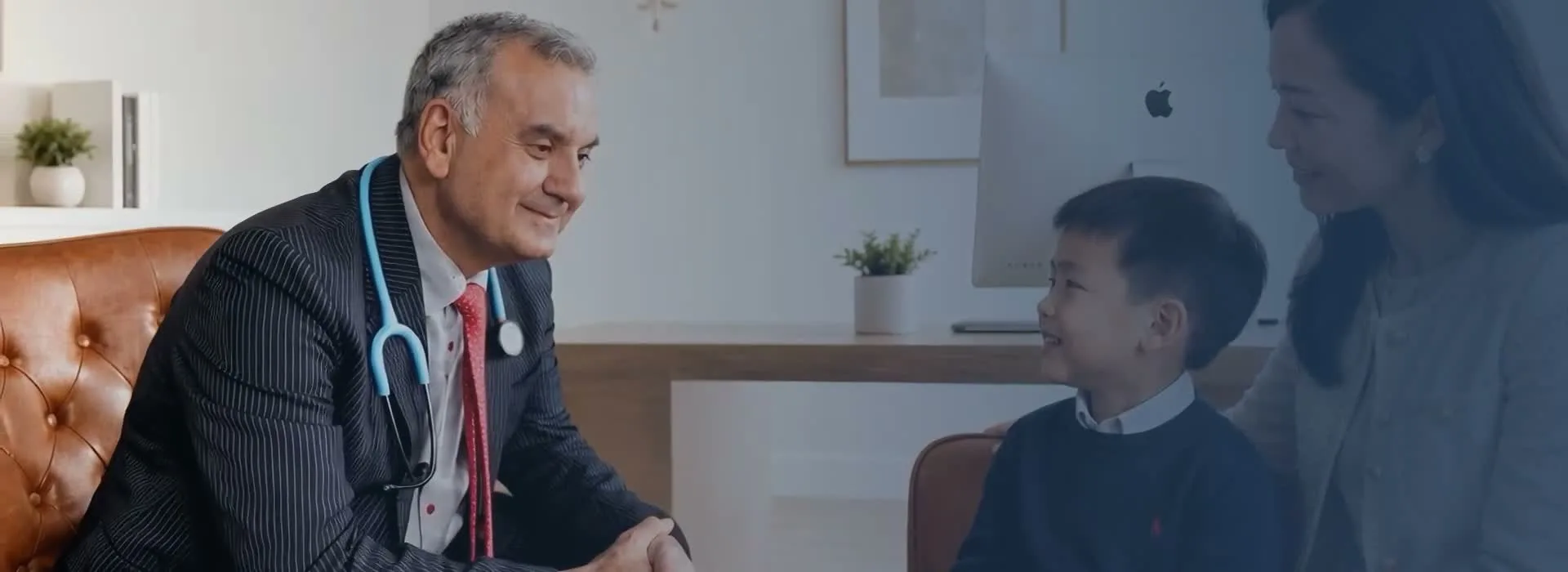

Paediatrician in London

Benefits of Seeing a Consultant Paediatrician Privately

When your child is unwell or you feel uncertain about their health, waiting for answers can be stressful. You may have a specific concern, such as feeding problems, allergies, repeated infections, or tummy pain, or you may simply feel that something is not quite right and want clearer guidance.

Many children’s health concerns can be managed effectively by your GP, pharmacist, health visitor, or NHS services. However, there are situations where seeing a consultant paediatrician privately can provide quicker access, more time for discussion, and a clearer, more structured plan for your child’s care.

Private paediatric care is not intended to replace the NHS. Instead, it is an additional option that can be helpful when your child’s symptoms are not urgent or life-threatening but still require specialist assessment, reassurance, or ongoing follow-up.

It can help you gain clarity sooner, understand what may be happening, and feel more confident about the next steps in your child’s health journey, with a plan tailored to their individual needs.

What Is a Consultant Paediatrician?

A consultant paediatrician is a senior doctor who specialises in the health of babies, children and young people. They have completed extensive training in children’s medicine and are experienced in assessing a wide range of childhood symptoms and conditions.

Children’s health can be complex because babies, toddlers, school-age children and teenagers all show illness in different ways. A consultant paediatrician understands these differences and looks at your child’s age, growth, development, symptoms and overall wellbeing together.

This kind of specialist assessment can be especially helpful when symptoms are ongoing, unclear or affecting daily life. You are not just getting a quick opinion; you are getting a detailed review from someone trained specifically in children’s health.

Why Parents Choose Private Paediatric Care

Parents choose private paediatric care for many different reasons. Some want faster access to a specialist, while others want more time to discuss concerns that feel difficult to cover in a short appointment.

You may also choose private care if your child has symptoms that keep returning, if previous treatment has not helped, or if you want a second opinion. Sometimes, you may simply want reassurance from a senior children’s doctor.

Private paediatric care can feel particularly useful when you are worried but your child’s symptoms are not severe enough for urgent hospital care. It can help you get clarity before the issue becomes more stressful for your family.

Key Facts: Benefits of Private Consultant Paediatric Care

  • Private paediatric care can offer quicker access to specialist advice for non-emergency concerns.
  • Longer consultations can give you more time to explain symptoms, ask questions and understand the care plan.
  • A consultant paediatrician can assess your child’s symptoms alongside growth, development, feeding, sleep, behaviour and family history.
  • Tests should only be recommended when they have a clear clinical purpose.
  • Private care can work alongside NHS care, but urgent or emergency symptoms should always be managed through NHS services.
Key ReasonWhat It Means for ParentsBenefit for Your Child
Faster access to appointmentsReduced waiting time for specialist consultationEarlier reassurance and quicker care decisions
More time with the consultantLonger consultations to discuss concerns in detailMore thorough understanding of symptoms
Detailed clinical assessmentFull review of history, growth, symptoms and developmentBetter identification of possible causes
Specialist paediatric expertiseCare from a doctor trained specifically in children’s healthAge-appropriate and accurate diagnosis
Support for ongoing symptomsReview of recurring or unclear health issuesClearer long-term management plan
Continuity of careSame consultant follows your child over timeConsistent monitoring and trust
Faster investigations (if needed)Quicker access to tests such as blood tests or scansFaster diagnosis and treatment planning
Personalised adviceGuidance tailored to your child’s needs and lifestyleMore practical and effective care plan

Faster Access to Appointments

When your child is unwell or symptoms are ongoing, waiting for answers can feel stressful and worrying for parents. Faster access is often one of the main reasons families consider private paediatric care.

  • Reduced waiting time for specialist review: Private appointments are often available sooner, helping you get medical advice without long delays.
  • Quicker reassurance for parents: You can understand what may be happening sooner, which helps reduce anxiety and uncertainty.
  • Earlier care decisions: A faster consultation means a treatment or management plan can begin sooner if needed.
  • Helpful for non-emergency concerns: Issues like cough, tummy pain, allergies, or feeding difficulties can be assessed without waiting for NHS referral pathways.
  • Timely specialist input: You gain quicker access to a consultant paediatrician who can assess symptoms in detail.

Faster appointments can make a big difference when you are worried about your child’s health. It helps you get clarity sooner and take the right next steps with confidence.

More Time to Talk Through Your Concerns

When your child is unwell, having enough time to explain everything properly can make a big difference. Private paediatric appointments often give parents more space to discuss concerns in detail.

  • Full explanation of symptoms: You can describe when symptoms started, how often they happen, and how they are affecting your child’s daily life.
  • Opportunity to share medical history: Past illnesses, treatments, and previous concerns can be discussed properly without feeling rushed.
  • Time to ask questions freely: You can ask as many questions as needed to fully understand your child’s condition and next steps.
  • Better understanding of the full picture: The paediatrician can combine all details to form a clearer view of what may be going on.
  • More reassuring consultation experience: Having enough time helps you feel heard, supported, and more confident about the plan.

More consultation time allows for a clearer and more complete discussion of your child’s health. It helps you leave the appointment with better understanding and reassurance about the next steps.

Evidence Note:

Research on paediatric communication and shared decision-making shows that parents and children often feel more confident when concerns are listened to, options are explained clearly, and decisions are made together. For families, this means longer appointments can be valuable not simply because they offer more time, but because they allow the paediatrician to understand the full picture and explain the next steps in a way that feels clear and practical.

A More Detailed Assessment

A consultant paediatrician can carry out a comprehensive assessment of your child’s health. This usually includes a detailed medical history, a careful discussion of current symptoms, review of growth and development, physical examination where appropriate, and consideration of possible underlying causes.

This thorough approach is particularly helpful because children’s symptoms often overlap and can be difficult to interpret. For example, tummy pain may be related to constipation, reflux, food intolerance, anxiety, infection, or another digestive condition, and these can present in similar ways.

A detailed assessment helps to avoid guesswork. Instead of focusing on one symptom in isolation, the paediatrician looks at patterns over time, any warning signs, family history, and your child’s overall wellbeing before recommending the most appropriate next step in care.

Specialist Knowledge of Children’s Health

Children are not simply smaller adults. Their symptoms, examination findings, and treatment needs can be very different depending on their age and stage of development.

A consultant paediatrician is specifically trained to understand these differences. They can assess babies, toddlers, children, and teenagers in a way that is appropriate for their developmental stage, communication ability, and overall health needs.

This specialist knowledge can be reassuring when your child’s symptoms are unclear or difficult to interpret. It can help reduce unnecessary worry when symptoms are common and self-limiting, while also ensuring that any signs requiring further assessment or treatment are identified early.

Support for Recurrent Symptoms

Many parents seek private paediatric care because their child has symptoms that keep coming back. These may include repeated infections, coughs, wheezing, tummy pain, constipation, rashes, headaches, or unexplained tiredness.

Recurring symptoms can be frustrating because your child may seem better for a period of time and then become unwell again. This on-and-off pattern can make it feel like you are going around in circles without a clear explanation or long-term solution.

A consultant paediatrician can review the pattern of symptoms over time and consider whether it is within the expected range for your child’s age or whether further assessment is needed. This can help provide clarity and a clearer direction for what to do next.

Continuity of Care

Continuity of care means your child can often be seen by the same consultant or clinic team over time. This can be very helpful if your child has ongoing symptoms or needs follow-up after treatment or investigations.

When the same paediatrician gets to know your child, they can understand their medical history, previous symptoms, family concerns and response to treatment more clearly. You also do not have to repeat the same story at every appointment.

For parents, continuity can feel reassuring. You know who is looking after your child, and you can build trust with someone who understands your child’s health journey.

Clear Follow-Up Appointments

Follow-up is an important part of paediatric care, especially when your child needs monitoring, review of test results, adjustment of treatment, or referral to another specialist. In private care, follow-up appointments can often be arranged directly with the same consultant, which helps maintain continuity.

This can be particularly useful if your child has started medication, undergone investigations, or needs a review after a few weeks to assess progress. It also means you know in advance when the next review will happen and who will explain any results or changes to the care plan.

A clear follow-up plan can significantly reduce uncertainty. Instead of wondering whether to wait, contact someone, or book another appointment, you leave with a structured plan that explains what to expect and what steps to take next.

Faster Access to Investigations

Another benefit of private paediatric care is that investigations may be arranged more quickly when they are clinically appropriate. These may include blood tests, urine tests, stool tests, allergy testing, imaging or breathing tests.

This can be helpful when your child’s symptoms need further checking and waiting for answers is causing stress. Faster investigations can sometimes lead to quicker diagnosis and treatment planning.

However, responsible private care should not mean doing tests without a reason. A good consultant paediatrician should explain why a test is needed, what it may show, and how the result could change your child’s care.

Avoiding Unnecessary Tests

It is natural for parents to want every possible test when they are worried about their child. However, more testing is not always better, and in some cases it may not provide clear or useful answers.

Some tests can be uncomfortable, stressful for children, or difficult to interpret if they are not carried out for a specific clinical reason. A careful consultant paediatrician will usually only recommend investigations when they are likely to help answer a clear medical question or guide treatment decisions.

This is one of the benefits of seeing an experienced specialist. They can help you understand when tests are genuinely helpful and when a period of observation, reassurance, or a simple treatment plan may be more appropriate for your child.

Myth vs Fact

MythFact
Private care means every child will need tests.A responsible consultant paediatrician only recommends tests when they are clinically useful.
Faster investigations always mean better care.Faster access helps when tests are needed, but unnecessary tests can add stress and confusion.
Private paediatric care replaces the NHS.Private care can support non-emergency concerns, but NHS urgent and emergency services remain essential.
A second opinion means previous care was wrong.A second opinion can simply help you feel more informed and confident about the plan.
Longer appointments are only about convenience.More time can help the doctor understand symptoms fully and explain the care plan clearly.

Personalised Advice for Your Child

Every child is different. Two children with the same symptom may need different advice because their age, medical history, growth, development and family circumstances are different. Private paediatric care can allow more time for personalised advice.

The consultant can consider how symptoms affect your child’s sleep, eating, school, play, behaviour and family routine. This makes the plan feel more practical. Instead of receiving general advice that may not fit your situation, you get guidance that is tailored to your child.

Reassurance for Parents

One of the biggest benefits of seeing a consultant paediatrician privately is reassurance. When you are worried about your child, uncertainty can feel exhausting and can affect your day-to-day life.

Proper reassurance is not the same as being dismissed. It comes from a careful clinical assessment, a clear explanation of findings, and honest guidance about what is likely, what is less likely, and what should be monitored over time.

When reassurance is done well, you should leave the appointment feeling calmer and more confident about your child’s health. You may not always need treatment, but you should understand the reasoning clearly and know what signs to look out for if things change.

Help With Feeding Problems

Feeding problems are a common reason parents seek private paediatric advice. This may include poor feeding, vomiting, reflux symptoms, unsettled crying, suspected allergy, poor weight gain, or difficulty moving on to solid foods.

A consultant paediatrician can review feeding patterns, growth, nappies, vomiting episodes, sleep, crying patterns, and any possible allergy symptoms. This helps to build a fuller and more complete picture of what may be contributing to the feeding difficulties.

For parents of babies, this can be especially reassuring. The early months can feel overwhelming, and having clear specialist guidance can make feeding concerns feel more manageable and help you feel more confident about your baby’s care and progress.

Support for Growth and Weight Concerns

If your child is not gaining weight, is losing weight, or appears to be growing more slowly than expected, it is natural to feel concerned. Growth issues can have many different causes, so a careful and structured assessment is important.

A consultant paediatrician can review your child’s growth charts alongside their feeding patterns, appetite, digestion, family height history, energy levels, and any other ongoing symptoms. This helps build a complete picture of your child’s overall health and development.

Based on this assessment, the paediatrician may recommend further tests, monitoring over time, or referral to another specialist if needed. In some cases, the outcome may simply be reassurance that your child is growing within a normal range. In others, a treatable underlying issue may be identified, allowing appropriate support to be started early.

Allergy Assessment and Advice

Allergy concerns can be confusing for parents, especially when symptoms vary or do not follow a clear pattern. You may notice rashes, swelling, vomiting, diarrhoea, wheezing, eczema flare-ups, or reactions after certain foods, which can make it difficult to identify a specific trigger.

A consultant paediatrician can review the timing, frequency, and pattern of symptoms to help determine whether an allergy is likely. They can also advise whether allergy testing is appropriate and whether referral to a specialist allergy service is needed for further assessment.

This is important because unnecessary food avoidance can sometimes affect a child’s nutrition and create additional stress for families. Clear, structured advice can help you manage symptoms safely while avoiding unnecessary dietary restrictions for your child.

Help With Recurrent Coughs and Breathing Symptoms

Coughs are very common in childhood, but persistent or recurrent coughs can understandably be worrying for parents. You may notice your child coughing at night, wheezing, becoming breathless, having repeated chest infections, or developing symptoms during exercise or physical activity.

A consultant paediatrician can assess whether these symptoms may be linked to asthma, allergies, viral infections, reflux, or another underlying cause. They may also review any inhalers or treatments your child has already tried to see whether adjustments are needed or whether further investigations are appropriate.

If your child is struggling to breathe, has blue lips, is very drowsy, or appears seriously unwell, you should seek urgent NHS care immediately. Routine private appointments are not suitable for emergency situations, and urgent symptoms should always be assessed without delay.

Support With Tummy Pain and Constipation

Tummy pain and constipation are common in children, but they can still cause a great deal of discomfort and worry. You may notice that these symptoms affect your child’s appetite, sleep, school attendance, mood, and overall family routine.

A consultant paediatrician can assess your child’s bowel habits, diet, fluid intake, pain pattern, growth, and any associated warning signs. You may be given a clearer explanation of what is likely contributing to the symptoms, along with a practical plan that is realistic to follow at home.

This can be especially helpful when symptoms have been present for a long time or keep returning. Constipation often requires consistent treatment over a period of time, and having clear guidance can help you stay on track and avoid stopping treatment too early.

Developmental Concerns

Parents are often the first to notice developmental concerns in their child. You may feel unsure about speech, movement, coordination, social interaction, learning, behaviour, or whether your child is meeting expected milestones for their age.

A consultant paediatrician can assess your child’s development in detail and decide whether they need ongoing monitoring, input from therapies such as speech and language support, or referral for further specialist assessment. This does not automatically mean your child will receive a diagnosis, as development can vary widely between children.

Early assessment can be helpful in understanding your child’s individual needs sooner. If support is required, identifying this early can make it easier for you to access the right services and take clear, practical next steps.

Sleep and Behaviour Concerns

Sleep and behaviour problems can affect the whole family and often become more noticeable over time. You may find that your child struggles to fall asleep, wakes frequently during the night, snores, feels tired during the day, becomes more emotional, or shows changes in behaviour that are difficult to explain.

A consultant paediatrician can help explore whether there may be a medical, developmental, emotional, or routine-related reason behind these difficulties. You may be asked about sleep patterns, breathing during sleep, school routine, diet, screen time, and any stress or changes within the family environment.

This type of review can be particularly helpful because sleep and behaviour are often closely linked with other areas of health. A careful and structured assessment can help you understand the bigger picture and identify the most appropriate support for your child.

Support for Teenagers

Teenagers have their own specific health needs, and they may not always find it easy to explain what they are experiencing. They might feel tired, anxious, embarrassed, or unsure how to talk about certain symptoms, which can make it harder for you as a parent to fully understand what is going on and how best to support them.

A consultant paediatrician can support teenagers with a wide range of concerns, including headaches, tummy pain, fatigue, growth issues, puberty changes, sleep difficulties, skin problems, eating concerns, and physical symptoms that may be linked to stress or anxiety. The consultation is usually handled in a calm, respectful, and age-appropriate way, helping you feel reassured that your teenager is being listened to properly while also helping them feel more comfortable opening up.

This approach can help teenagers feel more involved in their own healthcare decisions, and it can also help you understand their experience more clearly. It allows you to support them in a balanced way, without your teenager feeling pressured, while also giving you clarity on what steps may be helpful next.

A Second Opinion

Sometimes, you may have already seen a doctor but still feel uncertain about your child’s condition. You may want to better understand whether a diagnosis is correct, whether the current treatment is working, or whether another approach should be considered.

A private consultant paediatrician can provide a second opinion by reviewing your child’s medical history, symptoms, previous advice, and any test results. Based on this assessment, they may confirm the existing plan or suggest additional investigations or an alternative approach if needed.

Seeking a second opinion does not mean you are criticising previous care. It simply reflects a desire to be fully informed and confident that you are making the best possible decisions for your child’s health and wellbeing.

More Flexible Appointment Options

Private paediatric care may offer more flexibility with appointment times, depending on the clinic. This can make it easier to fit your child’s care around school, work, childcare, and wider family routines, without needing to wait for limited time slots.

For families in London, this flexibility can be especially helpful, as travel times, traffic, and busy schedules can all add extra pressure. Being able to choose a convenient clinic location and appointment time can reduce stress for you and your child before the consultation even begins.

Although this may seem like a small advantage, it can make a real difference when your child is unwell, tired, or anxious about seeing a doctor. A smoother and more convenient experience can help the appointment feel calmer and more manageable overall.

Written Reports and Clear Documentation

After a private paediatric appointment, you may receive a written report or clinic letter. This can summarise the concerns discussed, examination findings, diagnosis or possible causes, treatment plan, test recommendations and follow-up advice. Written documentation is helpful because it gives you something clear to refer back to at home.

It can also be shared with your GP, school, nursery or another specialist if appropriate. When your child has ongoing symptoms, good documentation helps keep everyone on the same page. It reduces confusion and supports safer care.

Coordination With Other Specialists

Some children may need input from more than one specialist. This could include an allergy specialist, ENT doctor, dermatologist, dietitian, physiotherapist, psychologist, speech and language therapist, or another paediatric sub-specialist, depending on the nature of their symptoms.

A consultant paediatrician can help decide whether a referral is needed and which specialist is most appropriate to see first. This is important because it is not always immediately clear which service is best suited to a child’s specific symptoms or concerns.

Having a paediatrician coordinate this process can help streamline care, reduce delays, and avoid unnecessary appointments. It also means you are less likely to feel overwhelmed or uncertain about the next steps, as there is a clear plan guiding your child’s care pathway.

Private Care Can Work Alongside NHS Care

Private paediatric care does not have to replace NHS care. Many families use both at different times, depending on their child’s needs. Your GP remains important for routine care, NHS referrals, vaccinations, medical records and ongoing support.

NHS urgent and emergency services remain essential for serious or life-threatening symptoms. A private consultant paediatrician can provide additional assessment, advice and follow-up for suitable non-emergency concerns. With your permission, they can also write to your GP so your child’s wider care stays connected.

When NHS Care Is Still the Right Route

Private paediatric care has many advantages, but it is not always the most appropriate option. If your child is seriously unwell, NHS urgent or emergency care is usually the safest and most appropriate route.

You should seek urgent medical help if your child has difficulty breathing, blue lips, a seizure, severe drowsiness, a non-blanching rash, signs of dehydration, severe pain, a stiff neck, or any symptoms that make you feel something is seriously wrong. Trust your judgement if your child’s condition appears to be worsening quickly.

For life-threatening emergencies, you should call 999 or go directly to A&E without delay. If you are unsure what to do and the situation is not immediately life-threatening, NHS 111 can provide guidance and help you access the right level of care. It is always better to seek help sooner when you are worried about your child.

UK Safety-Net Note:

In the UK, routine private paediatric care should not replace urgent or emergency NHS care. If your child has severe breathing difficulty, blue lips, a seizure, a non-blanching rash, severe drowsiness, signs of dehydration, severe pain, a stiff neck or you feel something is seriously wrong, seek urgent help through 999, A&E or NHS 111.

Choosing a Consultant Paediatrician Privately

If you are considering private care, it is important to choose a consultant paediatrician carefully. You should look for someone with appropriate qualifications, specialist experience in children’s health, and a clear, child-friendly approach that helps both you and your child feel at ease.

It is also sensible to check whether the doctor is registered with the General Medical Council and whether they are listed as a specialist where appropriate. You may also want to review practical details such as clinic standards, appointment availability, consultation fees, and how follow-up care is managed after the initial visit.

Good private care should feel professional, safe, and supportive throughout the process. You should feel listened to, your concerns should be taken seriously, and your child should be treated with kindness and respect at every stage of their care.

You may also want to check whether the clinic is regulated by the Care Quality Commission where this applies, as this can provide extra reassurance about safety, standards and quality of care.

UK Clinical Note:

Before booking, you can check whether a doctor is registered with the General Medical Council. If you are looking for consultant-level paediatric care, it is also helpful to check whether the doctor appears on the GMC Specialist Register for paediatrics. This can give you reassurance that the doctor has recognised specialist training and is eligible for consultant-level roles.

What to Ask Before Booking

Before booking a private appointment, it is helpful to check whether a GP referral is required. If you are paying for the consultation yourself, many clinics allow self-referral, but if you are using private medical insurance, your insurer may require pre-authorisation or specific documentation before the appointment can be booked.

You should also ask how long the appointment will last, what the consultation fee includes, and whether follow-up appointments are available if needed. If tests are likely to be recommended, it is sensible to clarify how these are arranged, what they cost, and how you will receive the results.

Having clear information before booking can help you avoid unexpected costs or confusion later. It also allows you to choose a clinic and service that best suits your child’s needs and fits comfortably with your family’s circumstances.

What to Bring to the Appointment

To get the most from the appointment, it is helpful to bring any information that may support the paediatrician’s assessment. This may include your child’s red book, previous clinic letters, test results, medication list, allergy details, and any hospital discharge summaries.

If your child has symptoms that come and go, such as rashes, swelling, or unusual breathing sounds, photos or videos can be especially useful. A short symptom diary can also help, particularly for issues like tummy pain, headaches, coughs, sleep problems, or food reactions.

You do not need to prepare everything perfectly. Even a few simple notes on your phone can make it easier for you to explain what has been happening and help the paediatrician build a clearer picture of your child’s health.

Getting the Most From Private Paediatric Care

To make the appointment as useful as possible, it helps to be honest and specific about your child’s symptoms. Try to explain when the symptoms started, how often they occur, what seems to make them better or worse, and what concerns you most as a parent.

It is also important to tell the paediatrician what you have already tried, even if it did not help. This gives a clearer picture of what has and has not worked so far and helps avoid repeating the same steps unnecessarily.

You should feel comfortable asking questions at any point during the consultation. If something is not clear, it is better to ask rather than leave uncertain. By the end of the appointment, you should understand the agreed plan, any warning signs to watch for, and what the next steps will be for your child’s care.

Key Takeaways

  • Private consultant paediatric care can offer faster access to specialist advice for non-emergency concerns.
  • Longer appointments can give you more time to discuss your child’s symptoms, ask questions and understand the plan.
  • A consultant paediatrician can review your child’s health in detail, including symptoms, growth, development, feeding, sleep, behaviour and family history.
  • Faster investigations may be helpful when tests are clinically needed, but testing should always have a clear purpose.
  • Private care can work alongside your GP and NHS services, but it should not replace urgent or emergency care.
  • You should choose a consultant paediatrician with appropriate registration, specialist experience and a child-friendly approach.
  • A good appointment should leave you feeling heard, reassured and clear about the next steps.

FAQs:

1. What are the main benefits of seeing a private consultant paediatrician?
The main benefits include faster access to appointments, more time with the doctor, detailed assessment of your child’s symptoms, and quicker access to investigations if needed. Parents also value clearer explanations, personalised advice, and reassurance about their child’s health.

2. How quickly can a private paediatrician be seen?
In many cases, private paediatric appointments can be arranged much sooner than NHS specialist pathways, depending on availability. This can be especially helpful if your child has ongoing symptoms such as cough, tummy pain, allergies or feeding concerns and you want timely reassurance.

3. Do private paediatricians offer longer appointments?
Yes, private consultations are often longer than standard appointments. This allows more time to discuss your child’s symptoms in detail, review medical history, ask questions, and understand the full picture before deciding on next steps.

4. Can a private paediatrician give a second opinion?
Yes, a consultant paediatrician can review your child’s symptoms, previous diagnosis, test results and treatment plan. They may confirm the existing approach or suggest an alternative plan, helping you feel more confident about your child’s care.

5. Will my child get tests done faster privately?
If tests are clinically needed, private paediatricians can often arrange them more quickly than standard NHS routes. These may include blood tests, urine tests, allergy testing, or imaging, depending on your child’s symptoms and medical assessment.

6. Is private paediatric care better than NHS care?
Private and NHS care both play important roles. NHS care is essential for emergencies and long-term health management, while private care offers quicker access, more flexibility, and longer consultations for non-urgent concerns. One does not replace the other.

7. Can a private paediatrician help with ongoing or recurring symptoms?
Yes, private paediatricians often assess children with recurring issues such as repeated infections, coughs, tummy pain, constipation, sleep problems or eczema. They can look at patterns over time and help identify possible underlying causes.

8. What conditions are commonly seen in private paediatric clinics?
Common concerns include feeding problems, allergies, asthma symptoms, eczema, poor growth, digestive issues, sleep difficulties, developmental concerns, headaches, and behavioural or emotional changes. These are often non-emergency but ongoing issues.

9. Will a written report be provided after the appointment?
Most private paediatricians provide a written summary or clinic letter after the consultation. This usually includes findings, diagnosis or possible causes, treatment recommendations, test results (if ordered), and follow-up advice. It can also be shared with your GP if needed.

10. When should urgent NHS care be chosen instead of private paediatric care?
You should seek urgent NHS care if your child has difficulty breathing, blue lips, seizures, severe drowsiness, signs of dehydration, a non-blanching rash, severe pain, or any symptoms that make you seriously worried. In emergencies, always call 999 or go to A&E immediately.

Final Thoughts: Choosing Private Paediatric Care for Clarity, Confidence and Faster Support

When your child is unwell or you are worried about their health, what you usually want most is clarity. Not guesswork, not long waiting times, and not repeated uncertainty, but a clear understanding of what is happening and what to do next. Seeing a consultant paediatrician privately can offer faster access to specialist assessment, more time to discuss concerns, and a more personalised approach to your child’s care.

Private paediatric care can be especially helpful when symptoms are ongoing, recurring, or affecting daily life, such as feeding difficulties, allergies, tummy pain, sleep issues or developmental concerns. It does not replace NHS services, but it can work alongside them to provide quicker reassurance, timely investigations when needed, and a structured plan that helps you move forward with confidence. If you are looking for a trusted paediatrician in London, you can contact London Paediatric Clinic to arrange a consultation and discuss your child’s needs.

References:

  1. Carrington, L., Hale, L., Freeman, C., Qureshi, A. and Perry, M. (2021) Family-Centred Care for Children with Biopsychosocial Support Needs: A Scoping Review, Disabilities, 1(4), pp.301–330. Available at: https://www.mdpi.com/2673-7272/1/4/22
  2. Di Guglielmo, M.D., Plesnick, J., Greenspan, J.S. and Sharif, I. (2013) A new model to decrease time-to-appointment wait for gastroenterology evaluation, Pediatrics, 131(5), pp.e1632–e1638. Available at: https://pubmed.ncbi.nlm.nih.gov/23545374/
  3. Becker, T.D., Lin, H.C. and Miller, V.A. (2018) A pilot study of observed physician-parent-child communication and child satisfaction in a gastroenterology clinic, Patient Preference and Adherence, 12, pp.1327–1335. Available at: https://pmc.ncbi.nlm.nih.gov/articles/PMC6065589/
  4. Nisius, K., Hoffmann, D., Görig, T., Georg, S., Krug, K., De Bock, F. and Eichinger, M. (2024) Perceived shared decision making and satisfaction with care among children and adolescents with special healthcare needs and their parents: Cross-sectional evidence from the PART-CHILD Study, Patient Education and Counseling, 123, p.108175. Available at: https://www.sciencedirect.com/science/article/pii/S0738399124000429
  5. Meyer, A.N.D., Giardina, T.D., Khanna, A., Bhise, V., Singhal, G.R., Street, R.L. Jr and Singh, H. (2019) Pediatric clinician perspectives on communicating diagnostic uncertainty, International Journal for Quality in Health Care, 31(9), pp. G107–G112. Available at: https://academic.oup.com/intqhc/article/31/9/G107/5536101