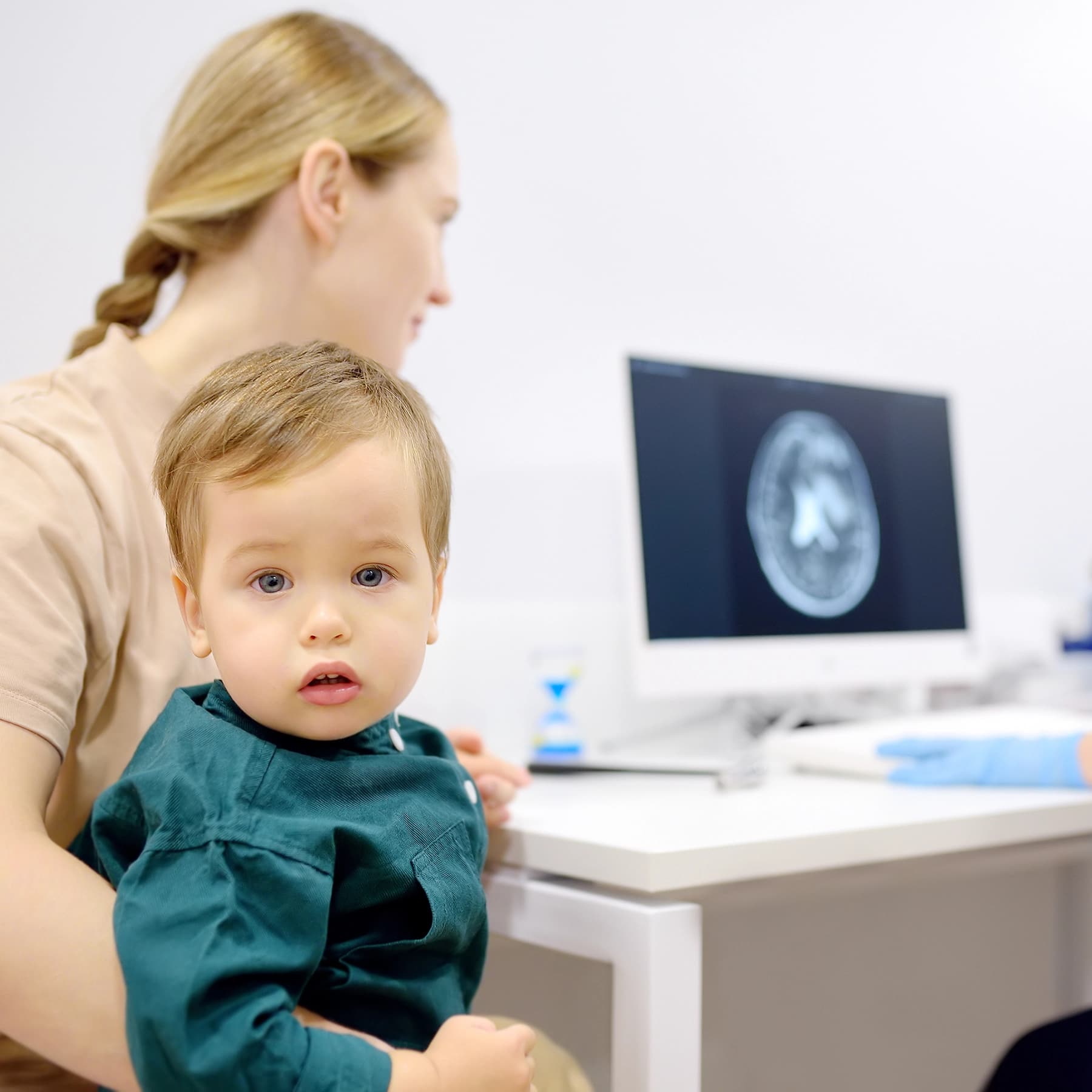

When your child regularly complains of headaches, it is natural to look for a clear physical cause. You may wonder whether they need an eye test, are not drinking enough, have migraine or are feeling too much pressure at school.
Sleep is another important part of the picture. Sleep is one possible factor that can influence headaches, but it is rarely the only explanation. Headaches in children may also be linked to migraine, stress, dehydration, illness, vision problems or other causes.
The relationship between sleep and headaches can work in both directions. Poor sleep may make headaches more likely or harder to manage, while frequent headaches may make it difficult for your child to fall asleep, stay asleep or feel refreshed in the morning.
This does not mean every child with headaches simply needs an earlier bedtime. You should remember that recurrent headaches can have many causes, and persistent, worsening or unusual symptoms still need proper medical assessment.
Why Sleep Matters for Childhood Headaches
Sleep plays an important role in your child’s physical and emotional wellbeing. You may notice that when your child follows a more regular sleep pattern, they often find it easier to concentrate, manage their mood and cope with everyday activities.
For children with migraine, irregular sleep and sleep deprivation are recognised triggers. Alder Hey advises maintaining regular sleeping hours and routines because both too much sleep and too little sleep may contribute to migraine in children who are sensitive to these changes.
Children with tension-type headaches may also experience more symptoms when their sleep is disrupted. You should remember that sleep does not explain every headache, but considering sleep patterns can help you and your healthcare professional understand the wider picture.
Evidence Note
Research consistently shows that sleep and headaches have a two-way relationship in children. Poor sleep, irregular sleep patterns and sleep deprivation are recognised triggers for migraine in susceptible children, while recurrent headaches may themselves disrupt sleep quality. Clinical guidance therefore recommends assessing sleep alongside hydration, meals, stress, daily routines and other possible headache triggers rather than focusing on one factor alone.
For parents, this means improving sleep habits can be an important part of headache management, but persistent, worsening or unusual headaches still require appropriate medical assessment even when sleep appears to be a contributing factor.
Research Insight
Studies of children with migraine frequently report overlap between headache disorders and sleep problems, including difficulty falling asleep, disrupted sleep and irregular sleep schedules. However, this association does not prove that sleep disturbance is the sole cause of migraine. In practice, clinicians assess sleep alongside headache features, family history, stress, meals, hydration and medicine use.
Can Too Little Sleep Cause Headaches in Children?
Too little sleep can contribute to headache patterns in children and is recognised as a possible migraine trigger. You may notice that your child’s headaches become more frequent or difficult to manage when their sleep routine is disrupted.
Paediatric migraine guidance commonly recommends regular sleep as part of a broader approach that also considers hydration, meals, activity and stress. Some children may develop headaches after a single late night, while others cope with occasional disruption but struggle when poor sleep continues over several days.
Your child’s individual pattern is important when understanding the link between sleep and headaches. You can use a headache diary to track whether symptoms become more common after late nights, early mornings or disturbed sleep, helping you identify possible triggers.
Can Too Much Sleep Trigger a Headache?
An irregular sleep schedule can sometimes affect headaches in the same way as not getting enough sleep. You may notice that your child’s symptoms appear after major changes in their usual sleeping pattern, such as sleeping much later than normal.
Alder Hey’s childhood migraine advice notes that both oversleeping and sleep deprivation can trigger migraine and recommends maintaining regular sleep hours and routines. This may help explain why some children develop headaches after long weekend lie-ins or extended sleep during school holidays.
The aim is not to wake an exhausted child unnecessarily or create strict rules around sleep. You should focus on building a reasonably consistent sleep-wake pattern that suits your child’s age, routine and individual needs.
Why Regular Sleep Timing Can Matter
A regular sleep routine helps your child’s body recognise when it is time to be alert and when it is time to prepare for rest. You may find that consistent sleep and wake times make it easier to notice whether changes in routine are affecting headaches.
Great Ormond Street Hospital headache specialists advise that regular wake times, sleep times and meal times can be helpful parts of migraine management. For a child with recurrent headaches, large differences between school days and weekends may make possible patterns harder to identify.
You do not need to aim for a perfect routine every day. Try to keep sleep and wake times reasonably consistent while allowing flexibility for family life, holidays and special occasions.
How Poor Sleep and Headaches Can Create a Cycle
A child with a headache may find it difficult to settle at night because of pain, nausea or worries about how they will feel the next day. You may notice that poor sleep then leaves your child tired and less able to cope with everyday demands.
When your child is exhausted, they may skip breakfast, drink less water, struggle with stress and become more sensitive to possible headache triggers. This can create a cycle where the next headache makes it even harder to sleep well.
Breaking this cycle may require attention to both the headache condition and sleep habits. You should remember that improving sleep alone may not be enough if your child has uncontrolled migraine or another recurrent headache disorder.
Signs Your Child May Not Be Sleeping Well

Poor sleep does not always mean your child is lying awake for hours at night. You may notice other signs, such as difficulty falling asleep, waking several times, waking very early or being difficult to wake for school.
Your child may also feel unrefreshed despite spending enough time in bed, become irritable during the day, struggle to concentrate or fall asleep unexpectedly. Sleep difficulties can affect mood, behaviour and learning, and NHS paediatric sleep guidance recognises their impact on daytime functioning.
A headache diary combined with a simple sleep record can help you identify whether these problems are connected. By tracking patterns over time, you can provide useful information to your healthcare professional and better understand what may be affecting your child’s wellbeing.
Headaches After a Late Night
An occasional late night may leave your child feeling tired and experiencing a headache the next day, especially if they are sensitive to changes in their sleep routine. You may notice that even small disruptions to sleep can affect how your child feels.
However, one headache after a late night does not prove that sleep is the only cause. You should look for a repeated pattern and consider whether the same thing happens after sleepovers, weekend gaming, late revision sessions or long journeys.
If your child regularly develops headaches after disrupted sleep, this can be useful information to discuss with their doctor. A clear pattern can help you and your healthcare professional understand possible triggers and decide on the right support.
Sleep and Migraine in Children
Migraine is a recognised primary headache disorder in children, and you may notice that sleep disruption plays a role in when headaches occur. Irregular sleep patterns or not getting enough sleep can act as important triggers for some children with migraine.
NICE and Alder Hey guidance identify sleep-related factors, including irregular sleep and sleep deprivation, as relevant considerations in childhood migraine management. A child with migraine may also experience nausea, vomiting or sensitivity to light and sound, and they may want to stop normal activities and rest in a quiet place.
Sleep can sometimes help your child recover from a typical migraine attack, but you should be aware of warning signs. If your child becomes unusually difficult to wake or develops a new and concerning headache pattern, you should seek medical advice rather than assuming they simply need more sleep.
Sleep-Related and Other Headache Patterns Compared
The table below shows some patterns that may help you describe your child’s symptoms. It is not intended to diagnose the headache at home.
| Pattern | Possible Clues | What Else to Notice |
| Possible sleep-associated pattern | Headaches after late nights, poor sleep or irregular routines | Whether improving sleep changes the frequency |
| Migraine | Moderate or severe attacks, nausea or light and sound sensitivity | Whether sleep disruption appears to trigger attacks |
| Tension-type headache | Pressing or tightening pain | Stress, tiredness and daily routine |
| Dehydration-related pattern | Headache after low fluid intake or heavy activity | Thirst, darker urine or reduced urination |
| Illness-related headache | Headache during infection | Fever, sore throat, cough or general illness |
| Stress-related pattern | Headaches during difficult emotional periods | School pressure, anxiety or family stress |
Different influences can overlap. A child may have migraine that is triggered by poor sleep, dehydration and stress at different times.
Why School Nights Can Be Difficult
School mornings often require children to wake at a fixed time, even when they have gone to bed later than planned. You may notice that busy evenings can make it difficult for your child to get enough sleep before an early start.
Homework, after-school activities, travel, family routines and screen use can all push bedtime later. Teenagers may also naturally feel more awake later in the evening, while school schedules still require them to wake up early.
If your child’s headaches are worse during school days but improve during holidays, it is useful to look at sleep alongside other factors. You can consider stress, meals, hydration and changes in routine to help understand the full pattern rather than focusing on one possible cause.
Weekend Sleep Patterns and Headaches
Some children stay up much later on Friday and Saturday nights and then sleep much later the next morning. You may notice that this creates a big change from your child’s usual school-week routine and affects how they feel afterwards.
For children with migraine, maintaining regular sleep patterns is often recommended because irregular sleep, oversleeping and sleep deprivation may all contribute to headache episodes. Keeping a more consistent routine can help you understand whether sleep changes are affecting your child’s symptoms.
You do not need to make weekends exactly the same as school days or remove all flexibility. The aim is to find a reasonable balance that allows your child to enjoy weekends while avoiding major changes that may disrupt their sleep pattern.
Screens Before Bedtime

Phones, tablets, gaming devices and television can sometimes make bedtime routines more difficult for children. You may notice that using screens late in the evening makes it harder for your child to relax, settle down and get enough good-quality sleep.
NHS healthy sleep advice for children recommends switching off screens around an hour before bedtime and using that time for calmer activities. The concern is not that every screen directly causes headaches, but that late device use can delay sleep, increase mental stimulation and reduce the time your child has available for rest.
If your child experiences recurrent headaches, reducing bedtime screen disruption can be a practical step towards improving their routine. You can make small changes that support healthier sleep habits without turning every conversation about headaches into an argument about technology.
Gaming and Late-Night Headaches
Gaming can become a concern when it continues late into the night, and you may notice that your child’s sleep routine becomes less consistent. Some children lose track of time, forget to drink enough, delay meals or remain mentally alert even after the game has ended.
If your child repeatedly develops headaches after late gaming sessions, you should look at the complete pattern rather than assuming the screen itself is the only cause. Sleep timing, hydration, meals and overall routine can all influence how your child feels the next day.
You can set realistic boundaries around finishing gaming and encourage a quieter period before bedtime. The aim is to protect your child’s sleep without turning every headache discussion into an argument about technology.
Homework, Revision and Sleep Loss
During busy school periods, your child may sacrifice sleep to complete homework or revise for exams. You may notice that this becomes a pattern when academic pressure increases or deadlines start to build up.
This can be counterproductive, as poor sleep may leave your child more tired, reduce concentration and potentially make headaches more likely. You can help by creating a realistic evening routine with a clear stopping point for schoolwork.
If your child’s workload is regularly keeping them awake late into the night, it is worth discussing the situation with the school. You should not assume that the solution is simply for your child to work faster, as the demands may need to be reviewed.
Stress, Worry and Difficulty Sleeping
Stress can affect both your child’s sleep and headache patterns, and you may notice changes in both areas during difficult periods. A worried child may find it harder to fall asleep, wake during the night or spend time lying awake thinking about school, friendships or family concerns.
NHS healthy sleep advice recommends giving children time earlier in the day to talk about worries rather than leaving difficult conversations until bedtime. You can create a calmer bedtime routine by helping your child process concerns before they are trying to settle for sleep.
If anxiety continues and starts affecting your child’s sleep, school life or everyday activities, you should seek appropriate professional support. Addressing emotional wellbeing alongside sleep habits may help improve your child’s overall health and headache pattern.
Why a Bedtime Routine Can Help
A predictable bedtime routine can help your child prepare for sleep and create a sense of calm at the end of the day. You may find that a consistent pattern helps your child recognise when it is time to slow down and get ready for rest.
For younger children, NHS advice recommends a calming wind-down period before bedtime. This might include washing, brushing teeth, putting on pyjamas and enjoying a quiet activity such as reading together.
The routine does not need to be complicated or time-consuming. You can focus on simple habits that are easy to repeat, as consistency is usually more helpful than adding several sleep products or techniques.
Creating a Practical Sleep Routine
The table below provides a simple starting point for families.
| Part of the Evening | Practical Step | Why It May Help |
| After evening meal | Begin reducing highly stimulating activities | Makes the transition to bedtime less sudden |
| Homework period | Set a realistic finishing time | Prevents work extending indefinitely into the night |
| One hour before bed | Reduce or stop recreational screen use | Supports a calmer wind-down period |
| Before bed | Keep washing and getting ready in the same order | Creates a predictable routine |
| Quiet period | Reading, calm conversation or another relaxing activity | Helps your child shift away from daytime stimulation |
| Bedtime | Keep timing reasonably consistent | Supports a regular sleep-wake pattern |
| Morning | Aim for a consistent wake time | Reduces large changes in routine |
| Weekends | Allow flexibility without extreme changes | May help maintain a more stable sleep pattern |
NHS advice supports calm bedtime routines and reducing screens before sleep.
The Bedroom Environment
Your child’s bedroom should provide an environment that supports comfortable and restful sleep. You may want to consider whether factors such as noise, light, temperature or frequent interruptions are making it harder for your child to settle.
Some children sleep better in a darker room, while others feel more comfortable with a small night light. You can make simple adjustments based on what helps your child feel relaxed and secure at bedtime.
The bedroom does not need to be perfect to support good sleep. Focus on practical changes that address genuine problems rather than spending money on expensive products without a clear reason.
Caffeine and Sleep
Caffeine can make sleep more difficult, and you may not always realise how many everyday products contain stimulants. Coffee, some teas, cola drinks and energy drinks can all contribute to caffeine intake in children and teenagers.
If your child has recurrent headaches and poor sleep, it can be helpful to review both how much caffeine they consume and when they have it. You may find that reducing late-day caffeine helps support a more consistent sleep pattern.
You should avoid relying on caffeinated drinks to help an exhausted teenager cope after repeated late nights. While they may provide a temporary boost, they can make it harder for your child to reset their sleep routine and improve their overall wellbeing.
Physical Activity and Sleep
Regular physical activity can support your child’s general wellbeing and is often included as part of paediatric headache self-management advice. You may notice that a child who moves very little during the day finds it harder to maintain a healthy routine.
Appropriately timed activity can support both physical and emotional wellbeing, but you should be aware that intense exercise immediately before bedtime may make it difficult for some children to relax and settle. Finding the right balance can help your child enjoy the benefits of movement without affecting sleep.
Choose a routine that suits your child’s age, health and preferences rather than creating extra pressure around exercise. You can encourage activities that your child enjoys, as these are more likely to become a positive part of their daily routine.
Naps and Headache Patterns
Naps can be helpful for some younger children, but you may notice that long or late naps make bedtime more difficult. The timing and length of daytime sleep can affect your child’s overall sleep pattern and may influence headaches in some situations.
Older children and teenagers who regularly sleep for several hours after school may then struggle to fall asleep at night, creating an irregular sleep cycle. You may find that this pattern leads to tiredness during the day and makes it harder for your child to maintain a consistent routine.
If your child frequently needs long daytime naps because they are exhausted, you should look at the possible reasons behind it. Poor night-time sleep, a heavy workload, illness, mood difficulties or a sleep disorder may all need to be considered.
Snoring Should Not Always Be Ignored
Occasional snoring during a cold is common, but persistent loud snoring may need further attention, especially when it affects your child’s sleep quality or daytime wellbeing. You may notice that your child seems tired, restless or does not feel refreshed despite spending enough time in bed.
When clinically appropriate, a sleep study can help assess what happens to your child’s breathing and other body functions during sleep. You should tell your child’s doctor if they snore heavily, appear to pause breathing, gasp during sleep or remain unusually tired during the day.
You should not assume that all morning headaches are simply caused by a late bedtime. If your child’s sleep quality is poor, addressing the underlying sleep issue may be an important part of understanding and managing their headaches.
Morning Headaches Need Careful Assessment
A child who repeatedly wakes with headaches should have medical assessment, as the pattern deserves careful attention. You may notice that morning headaches occur for different reasons, and the wider history of your child’s symptoms is important.
NICE advises urgent neurological assessment for children under 12 when headaches occur with specific warning features, including headaches that are present on waking or repeatedly wake a child from sleep. This does not mean that every morning headache has a serious cause, but you should make sure the pattern is properly assessed rather than assuming it is only related to poor sleep.
Understanding the timing, severity and associated symptoms can help you and your healthcare professional decide what support is needed. You should not ignore recurring morning headaches, especially if they are changing or accompanied by other concerning signs.
Headaches That Wake Your Child at Night

A headache that repeatedly wakes your child from sleep is a pattern that needs careful medical attention. You should not assume that it is simply caused by a poor night’s sleep or a temporary change in routine.
NICE lists headaches that wake a child at night among red-flag symptoms in children under 12 that require immediate neurological assessment. If this happens, you should seek medical advice rather than only giving pain relief and waiting to see if the problem improves.
The relationship between headaches and sleep can be complex, and you may need to consider several possible causes. It is important to separate warning signs that need assessment from more common sleep-related factors that may contribute to headaches.
Why a Sleep and Headache Diary Can Help
A sleep and headache diary can help you identify whether poor sleep is consistently linked with your child’s headaches. By keeping a simple record, you may start to notice patterns that are not always obvious from individual headache episodes.
Alder Hey recommends headache diaries that include details such as when the headache occurs, how long it lasts, how severe it is, what your child was doing at the time and how they responded to treatment. You can also add brief notes about bedtime, sleep quality and wake-up time to build a clearer picture.
You do not need to track every minute of your child’s sleep or create extra pressure around recording information. A practical pattern collected over several weeks is usually more useful and can help you and your healthcare team understand possible triggers.
What to Record in a Sleep and Headache Diary
A sleep and headache diary can help you understand patterns in your child’s symptoms rather than focusing on one isolated episode. You can record when your child went to bed, roughly when they fell asleep, whether they woke during the night, their wake-up time and whether they felt rested.
You may also want to include when the headache started, how long it lasted, any associated symptoms, food and fluid intake, stressful events, late evening screen use and any medicine taken. These details can help you and your healthcare professional identify possible triggers or patterns.
The aim of keeping a diary is to gather useful information, not to make your child feel anxious about every night’s sleep. You should keep it simple and avoid creating pressure around tracking every detail perfectly.
Improving Sleep Without Creating More Stress
Sleep advice can sometimes become another source of stress when you try to change too many things at once. You may find it more helpful to focus on one or two realistic improvements that your child can manage comfortably.
For example, you could move recreational screen use away from the final hour before bed and encourage a more consistent wake-up time. NHS advice supports having a regular wind-down routine and reducing screen use before bedtime to help promote healthier sleep habits.
Give your child time to adjust, as lasting changes usually develop gradually. You should avoid making your child feel that every headache is their fault because they stayed up late, as this can create more pressure rather than helping them build better routines.
Supporting Teenagers With Sleep and Headaches
Teenagers often need a different approach when you are supporting sleep problems and headaches. Strict instructions without explanation may lead to conflict, especially when homework, social communication and entertainment all involve the same devices.
Try to discuss the connection between your teenager’s actual headache pattern and their sleep habits rather than making general accusations. You can involve them in reviewing a headache diary and deciding on realistic changes that feel achievable.
A teenager who understands why a routine is important is more likely to take responsibility for it. When you work together rather than focusing only on rules, it can help your child develop healthier habits and feel more in control.
Sleep Problems in Neurodivergent Children
Neurodivergent children may experience additional sleep challenges linked to sensory sensitivities, anxiety, changes in routine and other individual factors. You may notice that your child’s sleep difficulties affect their mood, behaviour, learning or overall wellbeing.
NHS paediatric guidance recognises that sleep problems can be particularly common in neurodivergent children. While general sleep advice can be helpful, you may find that some children need a more personalised approach based on their specific needs and circumstances.
If your child has additional developmental or sensory needs, you should ask for support that takes these factors into account. Sleep difficulties are not simply a sign that a family has failed to create a bedtime routine, and the right guidance can help you find strategies that work better for your child.
Should You Give Melatonin for Headaches?
Melatonin is not a general over-the-counter treatment for childhood headaches or ordinary bedtime difficulties. If your child is struggling with sleep, you should first understand the reason behind the problem rather than using sleep medicine as a simple solution.
In the UK, melatonin for children is prescribed for selected sleep problems after appropriate assessment, and local prescribing arrangements can vary. It should not be used as a general treatment for headaches or ordinary bedtime difficulties without advice from an appropriate healthcare professional.
If your child’s sleep problems are persistent or having a significant impact, you can discuss them with a GP or paediatrician. This allows the underlying cause to be assessed properly and helps you find the most suitable support for your child.
Pain Relief and Night-Time Headaches
Age-appropriate pain relief may be suitable for some headache episodes, depending on your child’s age, diagnosis and medical history. You may find that occasional use helps your child feel more comfortable, but it is important to use medicines carefully.
Frequent use of pain medicines can contribute to medication-overuse headache and may make headache patterns more difficult to manage. If your child regularly needs pain relief at night or on waking, you should seek medical advice rather than continuing repeated self-treatment.
A headache diary can help you and your healthcare professional understand the pattern more clearly. You can include details about when medicines are used, whether they provide relief and how often they are needed, as NICE headache guidance highlights medication-overuse headache as an important part of assessment and management.
When Poor Sleep Is a Trigger Rather Than the Main Cause
A child may have migraine that is triggered or worsened by insufficient sleep, and you may notice that headaches become more likely after disrupted nights. Improving sleep can reduce one possible trigger, but your child may still need an appropriate migraine assessment and treatment plan.
Similarly, children with tension-type headaches may experience worse symptoms after poor sleep, while stress, daily routines and other factors also play a role. Looking at these different influences can help you understand why your child’s headaches are happening.
The aim is not to choose between a “sleep problem” and a “headache problem” as if they are separate issues. Instead, you should look at the complete pattern so that your child receives support for all the factors that may be contributing to their symptoms.
When to Speak to the School
School staff may notice changes that are not always obvious at home, such as daytime tiredness, reduced concentration or headaches during lessons. You may find it helpful to speak with the school if your child seems to be struggling during the day.
Ask whether your child appears sleepy, finds morning lessons difficult or regularly visits the school office because of headaches. You can also discuss whether homework demands, academic pressure or anxiety may be contributing to very late bedtimes.
The aim is to understand the wider situation and find practical support for your child. Your child should not have to become chronically sleep deprived simply to keep up with school expectations, as healthy sleep is an important part of their overall wellbeing.
When to See a Paediatrician

A paediatric review may be helpful if your child’s headaches keep coming back, the cause is unclear or poor sleep is having a noticeable impact on their wellbeing. You may want to seek specialist advice when you feel that the headache pattern is not improving or is affecting daily life.
A paediatrician can provide a more detailed assessment, particularly when headaches continue despite making sensible changes to sleep, meals and hydration. You can share information about your child’s symptoms, routines and any patterns you have noticed to help build a clearer picture.
The aim is to understand whether disrupted sleep is the main factor contributing to the headaches, one trigger among several or a sign of another headache condition. This allows you and your healthcare team to focus on the most appropriate support for your child.
Red Flags That Need Urgent Medical Assessment
Poor sleep should not be used as the explanation for your child’s headache when warning signs are present. You should seek medical advice if the headache pattern changes or if you notice symptoms that seem unusual or concerning.
NICE advises immediate neurological assessment for children under 12 with specific headache red flags. These include headaches that wake your child at night, are present on waking, progressively worsen, are triggered or aggravated by coughing, sneezing or bending down, or occur alongside vomiting, ataxia, altered consciousness or lethargy.
These particular NICE same-day referral criteria apply to children under 12. Older children and teenagers with concerning or changing headache symptoms still need prompt clinical assessment, but the pathway may differ according to age and presentation.
You should seek urgent help if your child becomes seriously unwell, unusually confused, difficult to wake or develops significant neurological symptoms. Do not wait to see whether these symptoms improve after another good night’s sleep, as urgent assessment may be needed.
UK Safety-Net Note
Seek urgent medical assessment if your child develops a sudden severe headache, repeated vomiting, becomes confused, unusually drowsy or difficult to wake, develops weakness, seizures, difficulty walking, neck stiffness or any other significant neurological symptoms. Headaches that repeatedly wake your child during the night, are present on waking or become progressively worse should not be assumed to be caused by poor sleep alone. If your child appears seriously unwell or you think there is an immediate threat to life, call 999 or attend your nearest Accident & Emergency department.
Myth vs Fact
| Myth | Fact |
| Every child who sleeps badly will develop headaches. | Poor sleep is one possible trigger, but many children with sleep difficulties never develop recurrent headaches. |
| Sleeping longer always fixes headaches. | Both oversleeping and too little sleep may trigger headaches in susceptible children. |
| Late screen use may contribute indirectly by delaying sleep and reducing sleep quality. | Late screen use may contribute indirectly by delaying sleep and reducing sleep quality. |
| If sleep improves, medical assessment is unnecessary. | Persistent, severe or changing headaches should still be assessed even if sleep seems to play a role. |
Key Takeaways
- Poor sleep, irregular sleep schedules and sleep deprivation can contribute to headaches and may trigger migraine in some children.
- Both too little sleep and major changes in sleep timing may affect children who are sensitive to sleep disruption.
- Regular bedtimes, wake times and healthy sleep routines are often more helpful than aiming for “perfect” sleep.
- A sleep and headache diary can help identify patterns and possible triggers.
- Bedtime screen use, late-night gaming, excessive caffeine and inconsistent routines may indirectly contribute by affecting sleep quality.
- Persistent snoring, morning headaches, headaches that wake your child during the night or progressive headache patterns should always be medically assessed.
- Improving sleep may reduce one trigger, but recurrent headaches can have many different causes and should not automatically be blamed on poor sleep alone.
Frequently Asked Questions:
1. Can poor sleep cause headaches in children?
Yes. Poor sleep, irregular sleep patterns and sleep deprivation can contribute to headaches in some children. Sleep disruption may also trigger migraine attacks in children who are already prone to them.
2. How much sleep does my child need to help prevent headaches?
The amount of sleep needed depends on your child’s age, but consistent, age-appropriate sleep is important for overall wellbeing. Maintaining regular bedtimes and wake times can help reduce sleep-related headache triggers.
3. Can sleeping too much cause headaches in children?
Yes. Oversleeping or major changes in sleep timing can trigger headaches in some children, particularly those with migraine. Keeping a reasonably consistent sleep schedule may help prevent these fluctuations.
4. Why does my child wake up with headaches?
Morning headaches can have several causes, including poor-quality sleep, disrupted sleep patterns, dehydration or migraine. However, recurring headaches on waking should be discussed with a healthcare professional, especially if they are new, worsening or associated with other symptoms.
5. Can screen time before bed contribute to headaches?
Late-night screen use may contribute indirectly by delaying sleep, reducing total sleep time and increasing mental stimulation before bedtime. For children with recurrent headaches, reducing screens before sleep may help support a healthier routine.
6. How can parents improve their child’s sleep routine to help reduce headaches?
A consistent bedtime routine, regular wake time, calming activities before sleep, reduced evening screen use and a comfortable sleep environment can support better sleep. Small, realistic changes are usually more sustainable than changing everything at once.
7. Can stress and poor sleep make childhood headaches worse?
Yes. Stress can interfere with sleep, and poor sleep can make children more sensitive to headache triggers. Addressing both emotional wellbeing and sleep habits may be important when headaches and tiredness occur together.
8. Should parents keep a sleep and headache diary for their child?
Yes. A diary can help identify patterns between sleep changes and headaches. Recording bedtime, wake time, sleep quality, headache timing, symptoms, meals, fluids and medicine use can provide useful information for assessment.
9. When should parents be concerned about their child’s sleep-related headaches?
You should seek medical advice if headaches are frequent, worsening, affecting daily activities or repeatedly waking your child from sleep. Urgent assessment is needed if headaches occur with symptoms such as confusion, vomiting, unusual drowsiness or neurological changes.
10. Will improving sleep stop my child’s headaches?
Not always. Better sleep may reduce one possible trigger, particularly if your child is prone to migraine, but headaches can also be associated with stress, dehydration, irregular meals, tension-type headache, illness or other medical conditions. If headaches remain frequent, severe or disruptive despite improved sleep, your child should receive an appropriate medical assessment.
Final Thoughts: Creating Healthier Sleep Habits for Better Headache Management
Sleep plays an important role in your child’s overall wellbeing and can influence how often headaches occur and how difficult they are to manage. While improving sleep habits may reduce one possible trigger, it is important to remember that recurring headaches can have several causes and should be assessed properly when they affect your child’s daily life.
A consistent routine, good sleep habits and open conversations about your child’s symptoms can help identify patterns and provide meaningful support. If your child needs specialist support for managing headaches in children, you can contact us at London Paediatric Clinic for support.
References:
- National Institute for Health and Care Excellence (2021) Suspected neurological conditions: recognition and referral (NG127). Available at: https://www.nice.org.uk/guidance/ng127
- NHS (2023) Sleep and young children. Available at: https://www.nhs.uk/baby/health/sleep-and-young-children/
- Gelfand, A.A. (2018) Pediatric and adolescent headache, Continuum, 24(4), pp.1108–1136. Available at: https://pubmed.ncbi.nlm.nih.gov/30074552/
- Szperka, C.L. (2021) Headache in children and adolescents, Continuum, 27(3), pp.703–731. Available at: https://pmc.ncbi.nlm.nih.gov/articles/PMC9455826/
- Yamanaka, G. et al. (2020) A Review on the Triggers of Paediatric Migraine with the Aim of Improving Migraine Management. Journal of Clinical Medicine. Available at: https://pmc.ncbi.nlm.nih.gov/articles/PMC7699367/