




When your child complains of a headache, dehydration may not be the first explanation that comes to mind. You may initially think about screen time, tiredness, school pressures, eyesight problems or migraine before considering whether your child has had enough to drink.
However, low fluid intake can contribute to headaches in some children. Dehydration may happen because your child is not drinking enough, losing extra fluid through sweating, spending time in hot weather, or becoming unwell with fever, vomiting or diarrhoea.
It is also important to remember that not every headache will improve simply by drinking more water. Children can experience headaches due to migraine, tension-type headache, illness, lack of sleep and other causes, so looking at the full pattern of symptoms is essential.
This guide explains how dehydration may contribute to headaches, the signs you can look out for, practical ways to encourage healthy hydration habits and when recurring or severe headaches need medical assessment.
What Are Dehydration Headaches in Children?
A dehydration headache is a commonly used term for a headache that may occur when your child does not have enough fluid to meet their body’s needs. It is not a separate medical diagnosis, and doctors usually assess headaches by considering the complete pattern of symptoms.
This can happen if your child has not been drinking enough, or if they lose extra fluid through sweating, vomiting, diarrhoea or an illness. Alongside a headache, your child may also show signs such as thirst, tiredness, dizziness, a dry mouth, darker urine or needing to pass urine less often.
However, you should always consider the headache in the wider context. If your child continues to have headaches despite drinking well and staying hydrated, another cause such as migraine, tension-type headache or another medical condition may need to be considered.
How Common Are Headaches in Children?
Headaches are common during childhood and adolescence. Research suggests that many children experience headaches at some point, with migraine and tension-type headaches among the most frequently diagnosed headache disorders in young people.
Because headaches are common and have many possible causes, healthcare professionals do not usually assume dehydration is responsible without considering other factors. A detailed history of symptoms, triggers and daily habits helps identify whether hydration is contributing or whether another explanation should be explored.
How Can Dehydration Contribute to Headaches?
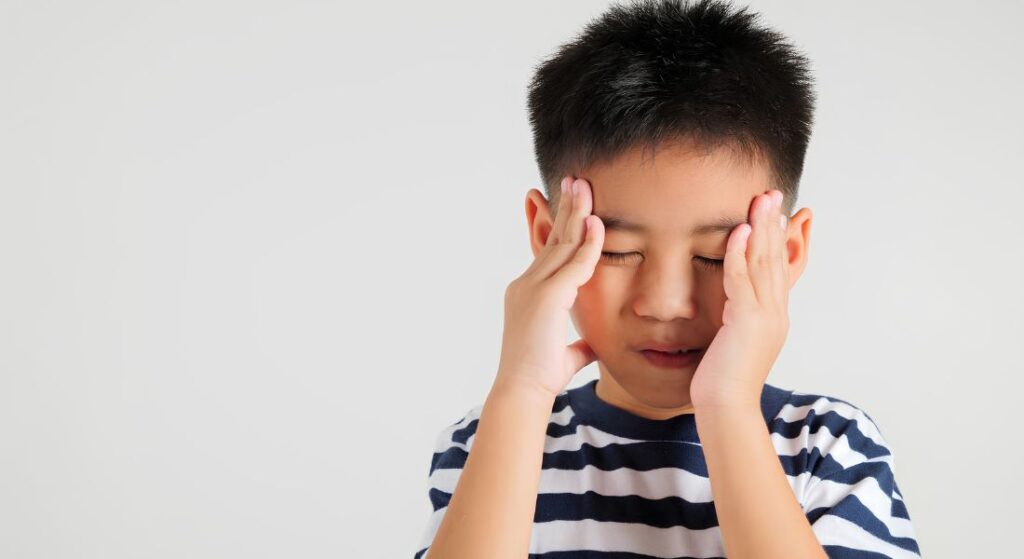
Fluid plays an important role in keeping your child’s body working normally. When your child does not take in enough fluid to meet their needs, or loses more fluid than usual, dehydration can develop and a headache may be one of the symptoms.
The relationship between hydration and headaches is different for every child. Some children may be more sensitive to missed drinks, hot weather or exercise, while others may experience mild dehydration without developing noticeable head pain.
In some children who experience migraine, dehydration may act as one possible trigger alongside factors such as missed meals, poor sleep, stress or illness. If your child is prone to migraine, you may notice that headaches are more likely after long periods without drinking, during warm weather or after physical activity. Supporting regular hydration is helpful, but it should be viewed as one part of the wider headache pattern rather than the automatic explanation for every episode.
Research Insight: What Does the Evidence Say About Hydration and Headaches?
Research suggests that hydration status can influence headache patterns in some children and teenagers, particularly those who are already prone to headaches or migraine. Studies looking at headache triggers have found that inadequate fluid intake, alongside factors such as missed meals, poor sleep and stress, may contribute to the development or worsening of symptoms in some individuals.
However, the evidence does not suggest that dehydration is the explanation for every childhood headache. A headache specialist or paediatrician will usually consider the complete picture, including the type of headache, associated symptoms, lifestyle factors and whether there are any warning signs that require further investigation.
For parents, the practical message is that maintaining good hydration is a simple and useful part of headache prevention, but recurring headaches should always be assessed based on the overall pattern rather than attributed only to fluid intake.
Signs Your Child May Be Dehydrated
Dehydration does not always start with obvious or severe symptoms. Early signs can be easy to overlook, especially when your child is busy at school, playing sport or focused on an activity and does not notice that they need to drink.
Signs that your child may not be getting enough fluid can include thirst, dark yellow or strong-smelling urine, passing urine less often, dizziness, tiredness and a dry mouth, lips or tongue. Younger children may show different signs, such as fewer wet nappies, fewer tears when crying, sunken eyes or unusual drowsiness or irritability.
If your child’s headache occurs alongside several signs of dehydration, low fluid intake may be contributing. However, a headache on its own does not confirm dehydration, and other causes should also be considered if symptoms continue or keep returning.
What Can a Headache Linked With Dehydration Feel Like?
Children can find it difficult to describe exactly what a headache feels like. One child may say that their whole head hurts, while another may point to areas such as the forehead or temples. The location of the pain alone cannot confirm that dehydration is the cause, as migraine, tension-type headache, viral illness and other conditions can cause similar symptoms.
You should look at the wider pattern around the headache. Consider whether your child has had very little to drink, has been exercising, has been sweating more than usual or has spent time in hot weather. Also notice signs such as thirst, tiredness, dizziness or passing urine less often than normal.
If the headache improves after rest and gradual fluid replacement, dehydration may have contributed. However, recurring or persistent headaches should not simply be attributed to dehydration and may need a broader assessment to identify other possible causes.
Dehydration Headache or Another Type of Headache?
A headache after a hot sports day or prolonged activity may be linked with fluid loss, but you should not assume that dehydration is always the cause. Headaches can happen for many reasons, and the surrounding symptoms often provide important clues.
Migraine in children may involve nausea, vomiting or sensitivity to light and sound. Your child may want to stop what they are doing and rest in a quiet, dark room. Tension-type headaches are more often described as pressure or tightness and may appear during periods of tiredness, stress or prolonged concentration.
Headaches can also occur with viral illnesses, fever and other medical conditions. When headaches keep returning, a diary recording the timing, symptoms, activities and possible triggers can help you and your doctor understand the pattern more clearly.
| Feature | Possible Dehydration-Related Headache | Migraine | Tension-Type Headache |
| Common triggers | Low fluid intake, heat, exercise, illness | Sleep disruption, stress, missed meals, triggers | Stress, tiredness, prolonged concentration |
| Associated symptoms | Thirst, dark urine, tiredness | Nausea, vomiting, light/sound sensitivity | Pressure or tightness around head |
| May improve with | Fluids, rest, cooling down | Rest, migraine management plan | Rest, addressing triggers |
| Needs medical review when | Severe or persistent | Frequent or disabling | Persistent or affecting daily life |
Why Children Can Become Dehydrated
Children can become dehydrated for many different reasons, and it is not always because they are refusing to drink. Some children simply forget, especially when they are busy at school, focused on activities or absorbed in play.
A school timetable, limited opportunities to refill a bottle, reluctance to use toilets or not recognising early thirst can all reduce regular fluid intake. Other children may lose more fluid than usual during hot weather, exercise or prolonged physical activity.
Illness is another important cause of dehydration. Fever, vomiting and diarrhoea can all increase fluid loss, particularly in babies and younger children who may become dehydrated more quickly. Understanding why your child is dehydrated can help you decide the most appropriate response, as mild low intake during a normal day is different from dehydration caused by significant illness.
Dehydration During the School Day
A common pattern is a child who leaves home after only a small drink at breakfast, has very little fluid during the school day and then develops a headache in the afternoon. You may notice that the headache appears at a similar time on school days, especially when your child has been busy or active.
Your child may carry a water bottle but hardly use it. Younger children may simply forget to drink, while older children may avoid drinking because they do not want to ask to leave lessons for the toilet. Some children may also eat very little at lunchtime, creating a combination of low fluid intake and irregular meals that can contribute to headaches.
Instead of only asking, “Did you drink enough?”, try looking at the practical details. Check how much fluid is left in the bottle when your child comes home and ask whether there are barriers to drinking at school, such as limited opportunities, busy lessons or concerns about using the toilet.
Sport, Exercise and Fluid Loss

Exercise can increase your child’s fluid needs, especially when they are active for a long time or taking part in activities in warm conditions. Your child may lose more fluid through sweating and may not always notice early signs of thirst while they are focused on playing.
During activities such as football, athletics, dance, outdoor games or school sports days, children may continue without stopping for a drink. You can help by encouraging fluids before longer activities begin and making sure your child has opportunities to drink during breaks and afterwards.
The aim is to support steady hydration rather than waiting until your child develops a headache or feels extremely thirsty. If your child repeatedly experiences headaches during or after exercise despite sensible fluid intake, you should seek medical advice rather than assuming dehydration is always the cause.
Hot Weather and Headaches
Hot weather can increase the risk of dehydration because your child loses more fluid through sweating. If your child is also spending more time outdoors, playing sports or being physically active, their fluid needs may increase further.
A headache during hot weather is not always caused by simple dehydration. It can also occur as part of heat exhaustion, which may include symptoms such as tiredness, dizziness, nausea, heavy sweating, muscle cramps, strong thirst or irritability.
If you think your child may be affected by heat, do not rely only on reminding them to drink more. Move them to a cooler place, encourage appropriate fluids and help them cool down. Seek urgent medical help if your child becomes confused, collapses, has a seizure, loses consciousness, or remains unwell despite cooling measures.
Dehydration Signs at a Glance
The table below can help you recognise possible signs of dehydration. A child does not need to have every symptom, and the severity of the overall picture matters.
| Possible Sign | What You May Notice | Why It Matters |
| Thirst | Asking for drinks more often than usual | May be an early sign of inadequate fluid intake |
| Dark urine | Urine looks darker yellow and smells stronger | Can suggest more concentrated urine |
| Reduced urination | Fewer toilet visits than usual | May indicate reduced fluid availability |
| Dry mouth or lips | Lips or tongue appear unusually dry | A recognised dehydration sign |
| Tiredness | Less energy than expected | May accompany dehydration or another illness |
| Dizziness | Feeling light-headed or unsteady | Can occur with dehydration and needs attention |
| Headache | Complains of head pain | May occur alongside inadequate fluid intake |
| Sunken eyes | Eyes may appear more sunken | A possible dehydration sign |
| Fewer wet nappies | Baby has fewer wet nappies than usual | Important warning sign in younger children |
| Drowsiness or irritability | Unusually sleepy, difficult to engage or irritable | Can indicate more significant dehydration |
Seek urgent medical advice when dehydration signs are concerning, particularly when your child is unusually drowsy, confused, urinating much less or unable to keep fluids down.
Dehydration During Illness
A child who usually drinks well can still become dehydrated when they are unwell. Fever can increase fluid needs, while symptoms such as a sore throat, nausea, tiredness or feeling generally unwell may make your child less interested in drinking.
Vomiting and diarrhoea can lead to additional fluid and electrolyte losses, so it is important to offer drinks regularly and monitor how your child is coping. Pay attention to signs such as urine output, alertness, energy levels and whether your child can keep fluids down.
For babies and younger children, you should seek advice sooner if you are concerned, as they can become dehydrated more quickly. Changes in feeding, wet nappies, behaviour or general wellbeing can be important signs that your child needs medical assessment.
Vomiting, Diarrhoea and Dehydration Headaches
Vomiting and diarrhoea increase the risk of dehydration because your child loses fluid. They may also struggle to drink enough to replace what has been lost. A headache may occur during this time, but it is important to look at your child’s overall condition rather than focusing only on the head pain.
You should seek medical advice if your child cannot keep fluids down, shows signs of significant dehydration, becomes unusually drowsy, appears seriously unwell or if you are worried about a baby or younger child. Prompt advice is particularly important when fluid losses are continuing or your child is not improving.
You should avoid giving young children large amounts of fizzy drinks or fruit juice to try to correct dehydration during vomiting or diarrhoea. These drinks may not replace lost fluids and salts in the right balance and can sometimes make symptoms worse.
When Oral Rehydration Solution May Be Recommended
Oral rehydration solution (ORS) contains water and carefully balanced salts to help replace fluid and electrolyte losses. It is usually recommended in specific situations, such as when a child has lost significant fluids through vomiting and/or diarrhoea, causing significant fluid and salt losses.
A pharmacist or healthcare professional can advise you on whether ORS is suitable and how it should be given. If your child feels sick or is vomiting, small and frequent amounts may be easier to manage than encouraging them to drink a large volume at once.
You should not assume that every headache requires an electrolyte drink. If your child is otherwise well and has simply not drunk enough during a normal day, regular age-appropriate fluids are often sufficient. ORS has a specific purpose and should be used when it is appropriate for your child’s situation.
UK Clinical Note:
In the UK, children with dehydration related to vomiting, diarrhoea or illness are assessed based on symptoms such as alertness, urine output, ability to drink and signs of reduced circulation. Oral rehydration solutions may be recommended in some cases because they contain an appropriate balance of fluid and electrolytes.
Parents should seek medical advice if a child cannot keep fluids down, becomes unusually sleepy, passes very little urine or appears significantly unwell.
Dehydration in Babies and Younger Children
Babies and younger children need careful observation because they may not be able to tell you that they are thirsty or explain symptoms such as feeling unwell, dizzy or having a headache. You may need to rely more on changes in their behaviour, feeding and usual routines.
Possible signs of dehydration in babies can include a sunken fontanelle (soft spot on the head), sunken eyes, fewer tears when crying, fewer wet nappies and unusual drowsiness or irritability. These signs should be taken seriously, especially if they appear alongside illness such as vomiting, diarrhoea or fever.
You should continue breast or bottle feeding according to medical advice during common illnesses unless a healthcare professional has advised otherwise. Never dilute infant formula to increase water intake. Seek medical advice promptly if your baby is feeding poorly, has significantly fewer wet nappies, seems unusually sleepy or appears generally unwell.
How Much Should a Child Drink?
There is no single amount of fluid that is perfect for every child. Your child’s needs can vary depending on their age, body size, activity level, the weather, their diet and whether they are unwell.
Younger children usually need less fluid than older children, while teenagers, very active children and those in hot weather may require more. Foods with a high water content can also contribute to overall fluid intake.
For most families, the practical approach is to offer suitable drinks regularly, encourage your child to drink when thirsty and pay attention to signs such as urine colour. If your child has a medical condition affecting fluid balance, they may need individual advice rather than general hydration guidance.
What Are the Best Everyday Drinks for Children?
For most children, water and milk are suitable everyday drinks, depending on your child’s age, nutritional needs and overall eating pattern. Most children can meet their hydration needs through water and a balanced diet. A reusable water bottle, easy access to drinking water and simple daily routines are often more helpful for maintaining good hydration habits.
During certain illnesses where your child loses significant fluids and salts, a healthcare professional may recommend an oral rehydration solution. This is different from regular sports drinks or energy drinks and is used for specific medical situations rather than everyday hydration.
Sugary Drinks, Fizzy Drinks and Caffeine
If your child refuses water, you may feel tempted to rely more on fizzy drinks, sweet squash or other flavoured drinks to increase their fluid intake. However, these options are not usually the best choice for everyday hydration.
Sugary drinks can add unnecessary sugar to your child’s diet and may increase the risk of tooth decay. Water and milk are generally more suitable regular choices for children. Energy drinks should not be used to manage dehydration or headaches, as caffeine can sometimes affect headache patterns, particularly when consumed irregularly or in large amounts.
The focus should be on building a consistent drinking routine rather than trying to correct dehydration with a large sweet or caffeinated drink after a headache has already started. Small, regular habits are usually more helpful for long-term hydration.
Can Urine Colour Help You Monitor Hydration?
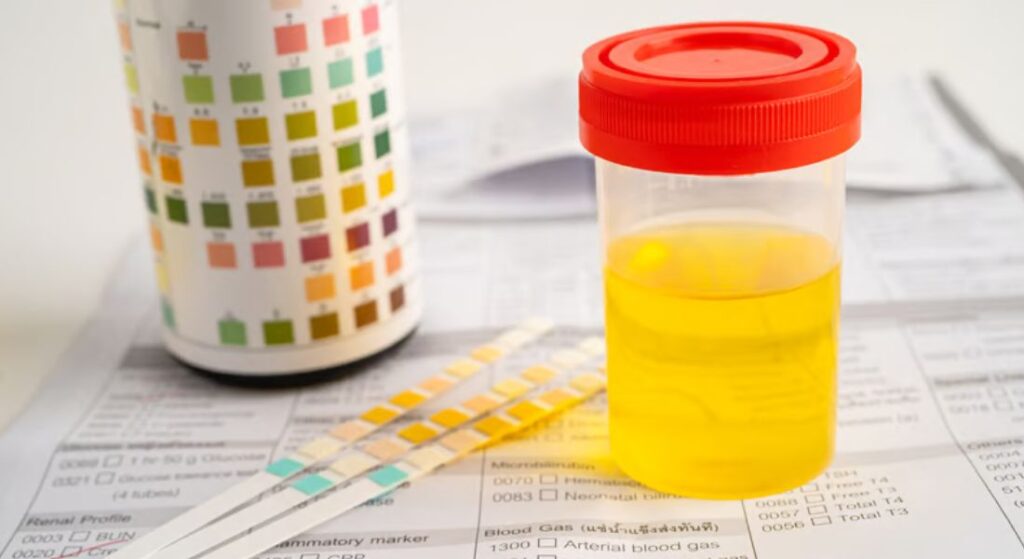
Urine colour can give you a simple indication of your child’s hydration level, although it is not a perfect test on its own. Looking at urine alongside other signs can help you understand whether your child may need more fluids.
Urine colour is only a general guide and should not be used alone to determine whether your child is dehydrated. You can encourage older children to notice changes, such as unusually dark urine or going to the toilet much less often than normal.
However, you do not need to become focused on exact urine shades. Foods, medicines and some health conditions can affect urine colour. It is important to consider your child’s overall symptoms, energy levels and general wellbeing rather than relying on one sign alone.
Creating a Regular Hydration Routine
The best way to reduce dehydration-related headaches is usually prevention rather than waiting until your child feels unwell. Building regular drinking habits into everyday routines can help your child stay hydrated throughout the day.
You can encourage your child to have a drink at regular points, such as with breakfast, before leaving for school, during school breaks, with lunch, after school, before and after sport, and with the evening meal. The exact routine will depend on your child’s age, activities and individual needs.
The aim is to encourage steady drinking throughout the day rather than trying to make up for missed fluids by drinking a large amount at once. Keep the approach positive and relaxed, as frequent reminders or criticism about drinking habits may create resistance rather than helping your child develop a healthy routine.
Clinical Tip:
A simple way to understand whether hydration may be contributing to headaches is to look for patterns. If headaches happen mainly after long school days, sports sessions or hot weather, keeping a short diary of drinks, meals, activity and symptoms can help identify possible triggers.
A Practical School Hydration Plan
Children often need a simple, repeatable plan rather than vague advice to “drink more”.
| Part of the School Day | Practical Hydration Step | Parent Check |
| Before school | Offer a drink with breakfast | Notice whether rushed mornings reduce intake |
| School arrival | Send an appropriate labelled bottle where permitted | Check that the bottle is usable and easy to open |
| Morning break | Encourage a regular drink break | Ask whether the school allows bottle access |
| Lunch | Have a drink with the meal | Check whether your child is actually eating and drinking |
| PE or sport | Ensure drinking opportunities before, during breaks and afterwards | Ask about facilities on sports days |
| After school | Offer a drink and snack as appropriate | Notice whether headaches are already present |
| Homework | Keep water accessible during longer study sessions | Include normal breaks from prolonged concentration |
A plan should remain flexible. Children exercising in hot weather or recovering from illness may need different support from a child spending a quiet day indoors.
Practical Hydration Before and During Sport
Prepare for sport before the activity begins. If your child starts prolonged exercise already thirsty, it may be harder for them to maintain comfortable hydration throughout the session.
Make sure your child knows when and where they can drink, and check whether they are allowed to keep a water bottle nearby. During organised sports, schools and coaches should provide sensible opportunities for children to drink, particularly during longer sessions or in warm weather.
After exercise, encourage normal rehydration rather than expecting one very large drink to immediately replace all lost fluids. If your child repeatedly develops severe headaches, dizziness, nausea or other significant symptoms during or after exercise, arrange medical advice rather than assuming dehydration is always the only cause.
How Quickly Should a Headache Improve After Drinking?
There is no exact timeframe for when a headache should improve after your child drinks more fluids. If low fluid intake is contributing, a mild headache may improve with rest and gradual rehydration, but the response depends on how dehydrated your child is and whether other factors are involved.
A headache may continue if your child is also tired, hungry, unwell or experiencing a migraine attack. This is why you should look at the complete situation rather than assuming that water alone will always resolve the problem.
You should encourage regular, appropriate fluid intake rather than making your child drink a large amount quickly to stop the headache. If the headache is severe, unusual or linked with warning signs, you should seek medical advice rather than waiting to see whether drinking water improves it.
When Headaches Continue Despite Good Hydration
A child can drink enough fluids and still experience migraine, tension-type headache or another cause of recurring head pain. If your child’s headaches continue despite good hydration, it is important to look beyond fluid intake alone.
You should consider the wider pattern, including how often the headaches happen, how long they last and whether your child feels sick or vomits. It can also help to notice whether light or noise becomes uncomfortable, whether headaches wake your child from sleep, happen on waking or start affecting school, sport or everyday activities.
Repeated headaches should not be dismissed by simply encouraging your child to drink more water. If the pattern is persistent, changing or disruptive, a proper headache assessment may be needed to understand the underlying cause.
Using a Headache and Hydration Diary
A short diary can help you understand whether low fluid intake genuinely appears to be linked with your child’s headaches. It can help you spot patterns that may not be obvious when you are only thinking back to individual episodes.
Record the date and time of the headache, what your child was doing beforehand and whether they had been active, unwell or exposed to hot weather. You can also note drinking habits, meals, sleep, other symptoms and whether the headache improved after rest, food or fluids.
You do not need to measure every millilitre your child drinks unless a healthcare professional has asked you to do so. For most headache assessments, a practical overview of your child’s routine is more useful, especially if headaches continue despite reasonable hydration.
Warning Signs of Significant Dehydration
Severe dehydration can become medically serious and should not be managed as a simple headache alone. You should pay attention to your child’s overall condition, not just how much they are drinking.
Concerning signs can include unusual drowsiness, confusion, very low urine output, cold hands or feet, pale or mottled skin, or a child who appears significantly unwell. Seek urgent medical advice if your child cannot keep fluids down, is unusually sleepy or difficult to engage, has very little urine, or shows signs of significant dehydration that are not improving.
You should also seek advice if you are worried about a young baby’s feeding, wet nappies or general wellbeing. A dehydration-related headache should not be treated as an isolated minor symptom when your child appears increasingly unwell or is showing signs that their body is struggling to cope.
Headache Warning Signs That Need Medical Assessment
Even if your child has not been drinking enough, you should not automatically assume that a concerning headache is simply due to dehydration. Some headache patterns need medical assessment to make sure there is not another underlying cause.
You should seek urgent medical advice if your child has a sudden severe headache or if the headache occurs with symptoms such as confusion, unusual drowsiness, seizures, severe neurological changes, neck stiffness or signs that they are seriously unwell. Headaches that repeatedly wake your child from sleep, happen on waking, become progressively worse or are linked with repeated vomiting also need careful review.
You know your child best, so trust your judgement if they appear significantly unwell or different from usual. A child who is seriously ill needs urgent medical attention, even if dehydration may also be present.
How UK Doctors Assess Headaches in Children
When a child is assessed for recurring headaches, doctors usually look at the wider pattern rather than focusing on one possible trigger such as dehydration. This includes understanding when headaches started, how often they occur, what they feel like and whether they affect everyday activities.
A paediatric assessment may include questions about:
- The timing, location and severity of headaches
- Symptoms such as nausea, vomiting, light sensitivity or sound sensitivity
- Sleep patterns, hydration, meals and activity levels
- Family history of migraine or headaches
- Any warning signs that may require further investigation
This approach helps distinguish common childhood headache conditions from situations where additional medical assessment may be needed.
When to See a Paediatrician
You may find a paediatric review helpful if your child’s headaches keep coming back, become more frequent or start affecting school, sleep, sport or normal family activities. You should also seek advice if improving your child’s hydration routine does not make a difference, or if the headaches continue despite good fluid intake.
A paediatrician can help you look at the wider pattern rather than assuming dehydration is the only cause. They can consider other factors such as migraine-type symptoms, lifestyle habits, possible triggers and whether another headache disorder may be contributing.
The aim is to understand whether dehydration is genuinely driving your child’s headaches, acting as one trigger among several, or simply occurring alongside a separate condition that needs a different approach.
Myth vs Fact: Dehydration Headaches in Children
| Myth | Fact |
| Every headache means your child needs more water. | Dehydration can contribute to headaches, but migraine, illness, tiredness and other factors can also cause headaches in children. |
| A child will always feel thirsty when dehydrated. | Thirst is not the only sign. Dark urine, reduced urination, tiredness, dizziness and a dry mouth can also suggest dehydration. |
| Sports drinks are needed to prevent dehydration headaches. | For most children, water is usually enough for everyday hydration. Oral rehydration solutions are used for specific situations such as some illnesses causing fluid loss. |
| Drinking a lot of water quickly is the best solution. | Regular fluid intake throughout the day is generally more helpful than trying to replace missed fluids all at once. |
| A headache after exercise or hot weather is always dehydration. | Dehydration may be a factor, but headaches can also occur due to heat exhaustion, migraine or other causes. |
Key Takeaways:
- Dehydration can contribute to headaches in some children, but it is not the only possible cause.
- Regular fluid intake throughout the day is usually more effective than trying to correct dehydration after symptoms appear.
- Children may become dehydrated during school, sport, hot weather or illnesses involving fever, vomiting or diarrhoea.
- Signs such as dark urine, reduced urination, tiredness, dizziness and dry mouth may suggest your child needs more fluids.
- Oral rehydration solutions have a specific role during certain illnesses and are different from sports or energy drinks.
- Recurring, severe or unusual headaches should not automatically be blamed on dehydration and may need medical assessment.
Frequently Asked Questions:
1. Can dehydration cause headaches in children?
Yes. Dehydration can contribute to headaches when a child does not take in enough fluid or loses more fluid than usual through sweating, fever, vomiting or diarrhoea. However, not every childhood headache is caused by dehydration, so the wider pattern of symptoms should be considered.
2. How can it be determined if a child’s headache is caused by dehydration?
A dehydration-related headache is more likely when it occurs alongside signs such as thirst, dark urine, reduced urination, dry mouth, tiredness, dizziness or recent fluid loss. Headaches that continue despite good hydration may have another cause.
3. How much water should my child drink each day?
There is no single amount suitable for every child. A practical approach is to encourage regular drinking throughout the day, with extra fluids during exercise, hot weather or illness.
4. Can dehydration cause headaches during school?
Yes. Some children drink very little during the school day because they are busy, forget to drink or avoid using school toilets. A headache in the afternoon may sometimes be linked to low fluid intake, especially if your child has had little to drink since breakfast.
5. Can exercise and sports cause dehydration headaches?
Exercise can increase fluid loss, particularly during prolonged activity or hot weather. Children who play sports may develop headaches if they do not replace fluids regularly, but repeated exercise-related headaches should still be assessed if they continue despite good hydration.
6. What are the signs of dehydration in children?
Common signs include thirst, dark yellow urine, fewer trips to the toilet, dry lips or mouth, tiredness, dizziness and headache. Younger children may show fewer wet nappies, fewer tears, irritability or unusual sleepiness.
7. Will drinking water make my child’s headache go away?
A mild headache linked to inadequate fluid intake may improve after rest and gradual rehydration. However, headaches caused by migraine, tension, illness or other conditions may continue even after your child drinks water.
8. Are sports drinks better than water for preventing dehydration headaches?
For most everyday situations, water is an appropriate choice for children. Special rehydration solutions may be recommended during certain illnesses involving fluid and salt loss, but sports or energy drinks are not usually needed for normal hydration.
9. When should concern arise about a child’s headache if dehydration may be involved?
Seek medical advice if your child has a severe or unusual headache, is very drowsy, confused, unable to keep fluids down, has very little urine, develops neurological symptoms or appears seriously unwell.
10. When should my child see a paediatrician for recurring headaches?
A paediatric assessment may be helpful if headaches keep returning, affect school or daily activities, continue despite good hydration habits or occur with symptoms such as nausea, vomiting, light sensitivity or sound sensitivity. A paediatrician can assess whether dehydration is the cause, a trigger or unrelated to the headaches.
Final Thoughts: Supporting Healthy Hydration and Understanding Headaches
Dehydration can be an important contributor to headaches in children, especially when fluid intake is low, your child has been active, the weather is hot or they are losing fluids through illness. Encouraging regular drinking habits, offering fluids throughout the day and recognising early signs of dehydration can help reduce the likelihood of dehydration-related headaches.
However, not every headache is caused by a lack of fluids. If your child continues to experience headaches despite good hydration, or if symptoms are frequent, severe or affecting daily life, a wider assessment may be needed to consider other causes such as migraine, tension-type headache or other medical conditions. If your child needs specialist paediatric support for recurring headaches, you can contact London Paediatric Clinic to arrange a consultation and discuss their symptoms
References:
- National Institute for Health and Care Excellence (NICE) (2009, reviewed 2018) *Diarrhoea and vomiting caused by gastroenteritis in under 5s: diagnosis and management.* Clinical guideline CG84. Available at: https://www.nice.org.uk/guidance/cg84
- National Institute for Health and Care Excellence (NICE). Fever in under 5s: assessment and initial management (NG143). Available at: https://www.nice.org.uk/guidance/ng143
- VandenBerg S, et al. Pediatric headache: Are the red flags misleading or prognostic? Brain & Development. 2021;43(3):372–379. Available at: https://pubmed.ncbi.nlm.nih.gov/33187753/
- National Institute for Health and Care Excellence (NICE). Headaches in over 12s: diagnosis and management (CG150). Available at: https://www.nice.org.uk/guidance/cg150
- Hartman S, et al. Management of diarrhoeal dehydration in childhood. Archives of Disease in Childhood. 2018. Available at: https://pmc.ncbi.nlm.nih.gov/articles/PMC5829087/
- Freitas R, et al. The diagnosis and management of dehydration in children: evidence review. BMJ Global Health. 2023. Available at: https://pmc.ncbi.nlm.nih.gov/articles/PMC10624296/