
When your child says their head hurts, it is natural to feel worried. A headache may happen after a busy school day, during an illness, or because your child has not eaten or drunk enough. However, repeated or unusually severe headaches can make you wonder whether something more serious is going on.
The reassuring news is that most headaches in children are not caused by a serious underlying illness. Many headaches improve with rest, fluids, and simple measures at home. Even so, it is important to pay attention to changes in your child’s symptoms and overall wellbeing.
The pattern of the headaches, your child’s age, and any associated symptoms all play an important role when deciding whether medical advice is needed. You may notice changes in sleep, appetite, behaviour, or school attendance that provide useful clues about how the headaches are affecting your child.
This guide explains some of the common causes of headaches in children, how migraine can present differently in younger people, what happens during an assessment, and which warning signs should prompt urgent medical attention. Understanding these issues can help you feel more confident about knowing when your child may need further support.
Why Do Children Get Headaches?
Children can develop headaches for many of the same reasons as adults. Common causes include migraine, tension-type headaches, infections, dehydration, missed meals, stress, and eyesight problems. In many cases, the cause is not serious and the headaches can be managed effectively.
Some headaches are known as primary headaches, which means that the headache itself is the main condition. This includes disorders such as migraine and tension-type headaches. These conditions can cause recurrent symptoms but are not usually linked to another underlying illness.
Other headaches are secondary to another problem, such as a viral infection or, less commonly, a medical condition that requires further investigation. The aim of an assessment is to understand your child’s headache pattern and identify whether any warning signs are present. This helps ensure that your child receives the most appropriate care and advice.
Are Headaches Common in Children?
Headaches are common in children, and many are mild, occasional, and do not cause significant problems. Most children will experience a headache at some point during childhood. In many cases, the symptoms settle quickly and do not affect everyday activities.
Children do not always describe pain in the same way as adults. Your child may become quiet, irritable, or unwilling to play instead of explaining exactly where the pain is or how it feels. Younger children, in particular, can find it difficult to put their symptoms into words.
This is why your observations are so important. You may notice changes in your child’s sleep, appetite, activity levels, school attendance, or behaviour during a headache. These details can help a doctor understand how the headaches are affecting your child and whether further assessment is needed.
Understanding the Pattern of Your Child’s Headaches
Looking at the pattern of your child’s headaches can provide important clues about what may be causing them. You may notice that the headaches happen after school, during illnesses, first thing in the morning, or after physical activity. Recognising when the headaches occur can help you identify possible triggers.
It is also helpful to think about how long the headaches last and how your child behaves during an episode. Your child may want to lie in a quiet, dark room and feel sick, or they may have a milder headache that develops after a stressful day. These details can help build a clearer picture of the headache pattern.
Doctors also want to know whether your child’s headaches are staying the same or changing over time. If the headaches are becoming more frequent, more severe, or are associated with new symptoms, you should seek medical advice. Changes in the pattern can sometimes indicate that further assessment is needed.
Migraine in Children

Migraine is one of the most common causes of recurrent headaches in children. It is a recognised primary headache disorder and can affect children of all ages. Migraine can have a significant impact on your child’s daily life and may interfere with school, play, and family activities.
Your child may experience moderate or severe head pain along with symptoms such as nausea, vomiting, or sensitivity to light and sound. During an attack, they may want to rest in a quiet, dark room and avoid normal activities. The symptoms can vary from one child to another.
Migraine in children does not always look the same as migraine in adults. The headaches may be shorter in duration and can affect both sides of your child’s head rather than just one side. Understanding these differences can help you recognise the symptoms and seek appropriate advice when needed.
Migraine With Aura
Some children experience an aura before or during a migraine attack. An aura can cause temporary visual changes or other neurological symptoms that usually develop before the headache begins. These symptoms can sometimes be worrying for both children and parents.
Your child may describe flashing lights, blurred vision, tingling sensations, or other temporary changes in sensation. In most cases, these symptoms are short-lived and occur as part of the migraine pattern. Keeping a record of these episodes can help provide useful information during a medical assessment.
If your child develops new weakness, speech difficulty, significant balance problems or an unusual first episode of neurological symptoms, seek prompt medical assessment rather than assuming it is migraine.
Tension-Type Headaches
Tension-type headache is a common form of primary headache in children. It often feels like a dull pressure or tight band around the head rather than the throbbing pain that is more typical of migraine. The symptoms can vary from one child to another.
Your child may still be able to continue with some normal activities, although frequent headaches can affect concentration, mood, and overall wellbeing. Stress, tiredness, and changes in daily routine may also influence how often these headaches occur. Keeping track of possible triggers can sometimes be helpful.
The diagnosis is based on your child’s overall headache history rather than one symptom alone. Migraine and tension-type headaches can share similar features, especially when headaches become more frequent. A careful assessment can help determine the most likely cause of your child’s symptoms.
Headaches During Colds and Other Illnesses
Headaches are common when your child has a cold, flu, or another infection. In many cases, the headache occurs alongside symptoms such as fever, tiredness, a sore throat, cough, or a reduced appetite. The headache usually improves as your child starts to recover from the illness.
You may notice that your child feels generally unwell and is less active than usual during these infections. Encouraging rest and ensuring your child drinks enough fluids can help them feel more comfortable. Most illness-related headaches settle without causing any long-term problems.
However, you should seek urgent medical advice if your child develops a severe or worsening headache with fever, neck stiffness, confusion, unusual sleepiness, seizures, sensitivity to light, or a non-blanching rash. These symptoms can sometimes be warning signs of a serious infection and need prompt assessment.
Dehydration and Headaches

Not drinking enough fluid can contribute to headaches and may trigger migraine in some children. Dehydration can become more noticeable during hot weather, sports activities, or busy school days when children forget to drink regularly. Even mild dehydration may lead to headaches in some children.
You may notice that your child’s headaches occur after exercise or towards the end of the school day. Older children sometimes go for long periods without drinking because they are focused on lessons or activities. Looking at these patterns can help you identify whether dehydration may be playing a role.
Encourage your child to have regular access to fluids throughout the day and develop healthy drinking habits. However, it is important not to assume that dehydration is the only explanation for recurrent headaches. If headaches continue despite good hydration, you should discuss the symptoms with a healthcare professional.
Missing Meals and Irregular Eating
Skipping meals can contribute to headaches and may trigger migraine in some children. Regular meals are an important part of a healthy routine and can help reduce the likelihood of headaches. Children who go long periods without eating may be more likely to develop headache, tiredness, or irritability.
Breakfast is often the meal that children miss most easily, especially on busy school mornings. You may also notice that your child eats very little during the day and then develops symptoms later in the afternoon. Paying attention to eating patterns can sometimes help identify possible triggers.
Try to encourage a regular and balanced eating routine rather than creating a long list of foods to avoid. Dietary triggers can vary from one child to another, and foods usually do not need to be removed unless you notice a clear and consistent link with headaches. A simple approach is often easier for both you and your child to maintain.
Sleep and Childhood Headaches
Irregular or insufficient sleep can contribute to headaches and migraine in children. A consistent sleep routine is often an important part of managing recurrent headaches. Changes in sleep patterns can sometimes make headaches more frequent or more difficult to control.
It can be helpful to look at your child’s bedtime, wake time, and how they feel in the morning. You may notice that headaches are more common when your child has been sleeping too little or when their sleep schedule changes significantly at weekends. Keeping track of these patterns can provide useful information.
Sleep problems also deserve attention in their own right. If your child snores heavily, has unusual symptoms during the night, or remains very tired despite spending enough time in bed, you should mention this during the consultation. These details may help identify factors that are contributing to your child’s headaches.
Screens, Eye Strain and Eyesight Problems
Long periods of screen use or close visual work may worsen headaches in some children. Extended periods of reading, gaming, or using a tablet or computer can sometimes lead to eye strain and make headaches more troublesome. Eyesight problems can also contribute to headaches in some cases.
This does not mean that every headache is caused by screens. You may notice that your child’s symptoms occur after prolonged close work or that they are squinting, complaining of blurred vision, or struggling to see the board at school. These signs may suggest that an eyesight assessment is needed.
If you suspect your child is having difficulty with their vision, an eye examination may be helpful. Persistent visual symptoms alongside headaches should be discussed with a healthcare professional rather than managed simply by reducing screen time. A proper assessment can help identify whether vision problems are contributing to your child’s symptoms.
Stress, Anxiety and Emotional Pressures
Emotional stress can be an important trigger for headaches and migraine in children. Worries about school, friendships, bullying, exams, or changes at home may all play a role in headache patterns. Children sometimes express emotional difficulties through physical symptoms before they can explain what is troubling them.
This does not mean that your child’s pain is imaginary or “just stress”. Stress can genuinely influence how often headaches occur and how severe they become. Understanding possible emotional triggers can help you and your doctor build a clearer picture of your child’s symptoms.
Try to talk gently with your child about school, friendships, and any recent changes in their life. If you notice that headaches often happen during stressful periods, share this information with the doctor. These details can be helpful without taking attention away from the need for a proper medical assessment.
Hormonal Changes and Headaches
Headache patterns can change during puberty, and hormonal changes may affect migraine in some young people. For teenagers who menstruate, headaches may occur more often at certain points in the menstrual cycle. Keeping track of these patterns can provide useful information during a medical assessment.
You may find it helpful to note whether your teenager’s headaches regularly occur before, during, or after their periods. A simple record of symptoms and timing can help identify possible hormonal triggers. This information may also make it easier to discuss treatment options if needed.
Teenagers should feel comfortable discussing these symptoms privately and respectfully. Although hormonal changes can influence headaches, recurrent or severe symptoms should not simply be accepted as a normal part of puberty. If the headaches are affecting school, activities, or daily life, it is important to seek medical advice.
Headaches After a Head Injury
A headache can develop after a bump or injury to the head, but the severity of the injury and any other symptoms are very important. If your child’s headache is getting worse or is accompanied by unusual sleepiness, confusion, repeated vomiting, or neurological symptoms, you should seek medical attention promptly. These signs may require urgent assessment.
It is important not to judge the injury only by the size of a visible bump. Your child’s behaviour, alertness, and overall condition can provide valuable clues about whether further medical care is needed. Even a seemingly minor injury can sometimes cause more significant symptoms.
If your child has had a significant head injury or is showing concerning symptoms, do not wait for a routine headache appointment. Seeking urgent medical advice can help ensure that your child receives the appropriate assessment and treatment as quickly as possible.
Medication-Overuse Headache
Frequent use of pain-relieving medicines can sometimes lead to medication-overuse headache. Frequent use of acute headache medicines can contribute to or perpetuate an increasingly frequent headache pattern in some children. If your child needs pain relief regularly, their medicine use and overall headache pattern should be reviewed by a healthcare professional.
A child may start taking pain relief more often because the headaches are becoming more frequent. However, repeated use of these medicines can sometimes contribute to the ongoing headache pattern. This can make it harder to determine what is causing the headaches and which treatments are likely to help.
If your child needs pain relief several times each week, it is important to discuss this with a healthcare professional. You should avoid increasing the dose or frequency of medication without medical advice. A review can help identify whether medication overuse may be contributing to your child’s symptoms and guide a safer long-term plan.
Common Headache Patterns at a Glance
The table below is a simple overview rather than a diagnostic tool. Your child’s individual pattern and accompanying symptoms still need to be considered.
| Headache Pattern | Possible Features | What Parents May Notice |
| Migraine | Moderate or severe pain, nausea, vomiting, light or sound sensitivity | Child may stop activities and want quiet or darkness |
| Migraine with aura | Temporary visual or other neurological symptoms around an attack | Child may describe flashing lights or unusual sensory symptoms |
| Tension-type headache | Pressure or tightening sensation | Child may continue activities but complain of ongoing discomfort |
| Illness-related headache | Occurs with infection symptoms | Fever, sore throat, cough or general tiredness may also be present |
| Lifestyle-related trigger pattern | May follow dehydration, skipped meals, poor sleep or stress | Headaches may occur at predictable times |
| Medication-overuse pattern | Increasingly frequent headaches alongside frequent medicine use | Child needs pain relief repeatedly |
Patterns can overlap, so avoid diagnosing the headache from one symptom alone. A detailed history is usually more helpful than trying to match your child perfectly to one category.
Red-Flag Symptoms in Children
Most headaches in children are not caused by a serious problem, but certain symptoms require urgent medical assessment. If your child is under 12 and their headache wakes them at night, is present on awakening or is progressively worsening, arrange same-day medical assessment. These features may need further investigation.
In children under 12, a headache triggered or aggravated by coughing, sneezing or bending down is a NICE red-flag feature requiring same-day assessment. These symptoms can sometimes suggest a more serious underlying condition. It is important to pay attention to any significant change in your child’s usual headache pattern.
A recent head injury, a new neurological problem, or symptoms that suggest a serious infection also increase the urgency of assessment. If your child appears very unwell, confused, or difficult to wake, do not wait for a routine appointment. Seeking prompt medical attention can help ensure that your child receives the appropriate care as quickly as possible.
UK Guideline Note:
For children under 12, NICE recommends same-day assessment according to local pathways when headache occurs with recognised red-flag features. These include headache that wakes the child at night, is present on awakening, progressively worsens, is triggered or aggravated by coughing, sneezing or bending down, or occurs with vomiting, ataxia, altered consciousness, pervasive lethargy, fever with features of meningism, recent head injury, squint or failure of upward gaze. NICE also recommends urgent neurological assessment for all children under 4 years who present with headache.
When to Call 999 or Go to A&E
Seek emergency help when a headache is associated with serious symptoms such as difficulty waking your child, confusion, a major change in behaviour, seizure, severe neurological symptoms or signs of a serious infection.
Current NICE guidance highlights fever, headache, neck stiffness and altered consciousness or cognition as an important red-flag combination for bacterial meningitis. Other concerning features can include photophobia, seizures, vomiting and a non-blanching petechial or purpuric rash.
Trust your judgement about your child’s general condition. A child who appears seriously unwell, becomes increasingly drowsy or develops rapidly worsening symptoms should be assessed urgently rather than waiting for a routine appointment.
UK Safety-Net Note:
Seek urgent help if your child develops a severe or rapidly worsening headache together with confusion, extreme drowsiness, difficulty waking, a seizure, new weakness, serious balance problems, neck stiffness or signs of severe infection. A headache with high fever, a stiff neck, marked sensitivity to light, confusion, seizures or a rash that does not fade when pressed needs urgent assessment. Trust your judgement if your child appears seriously unwell or is deteriorating quickly.
When a Non-Emergency Medical Review Is Needed

Even when there are no emergency warning signs, repeated headaches may still need medical review. If your child’s headaches are affecting school, sleep, sports, social activities, or everyday family life, it is sensible to seek advice. Frequent headaches can have a significant impact on your child’s wellbeing and daily routine.
You should also arrange a review if your child’s headache pattern is changing or the pain is becoming more frequent. It is important to seek advice when usual measures are no longer helping or the symptoms seem different from before. Changes in headache patterns can sometimes provide important clues about the underlying cause.
Frequent use of pain relief is another reason to seek medical advice. A review can help identify the type of headache your child is experiencing and ensure there is a safe long-term management plan in place. The goal is not only to treat the pain but also to understand why the headaches are happening.
What Happens During a Headache Assessment?
A headache assessment usually begins with detailed questions rather than immediate tests or scans. The doctor will ask when your child’s headaches started, how often they occur, and how long they last. You may also be asked about what your child experiences before, during, and after a headache.
The doctor may ask about symptoms such as nausea, vomiting, sensitivity to light or noise, visual changes, and dizziness. Questions about your family’s history of migraine and how the headaches are affecting your child’s school and daily activities are also important. These details can help identify the type of headache your child may be experiencing.
It is helpful to be open about your child’s sleep, eating habits, hydration, stress, and use of pain medicines. Even small details can provide valuable clues and help the doctor build a complete picture of your child’s symptoms. A thorough history is often one of the most important parts of the assessment.
The Importance of a Physical and Neurological Examination
A physical and neurological examination is an important part of assessing your child’s headaches. The clinician may assess your child’s general wellbeing, blood pressure, growth and neurological function. For recurrent headaches, fundoscopy or an appropriate eye assessment may also be required to look for abnormalities that could affect the next steps in care.
The examination is designed to look for signs that support common headache conditions, such as migraine or tension-type headaches. It also helps identify any features that may suggest the need for further investigations or specialist referral. In many cases, the examination can provide reassurance and guide the next steps in care.
If your child has an abnormal neurological finding, the assessment may become more urgent. Certain signs, such as new weakness, changes in coordination, or symptoms that suggest increased pressure inside the skull, may require further investigation. Identifying these features early helps ensure that your child receives the most appropriate care.
Will Your Child Need a Brain Scan?
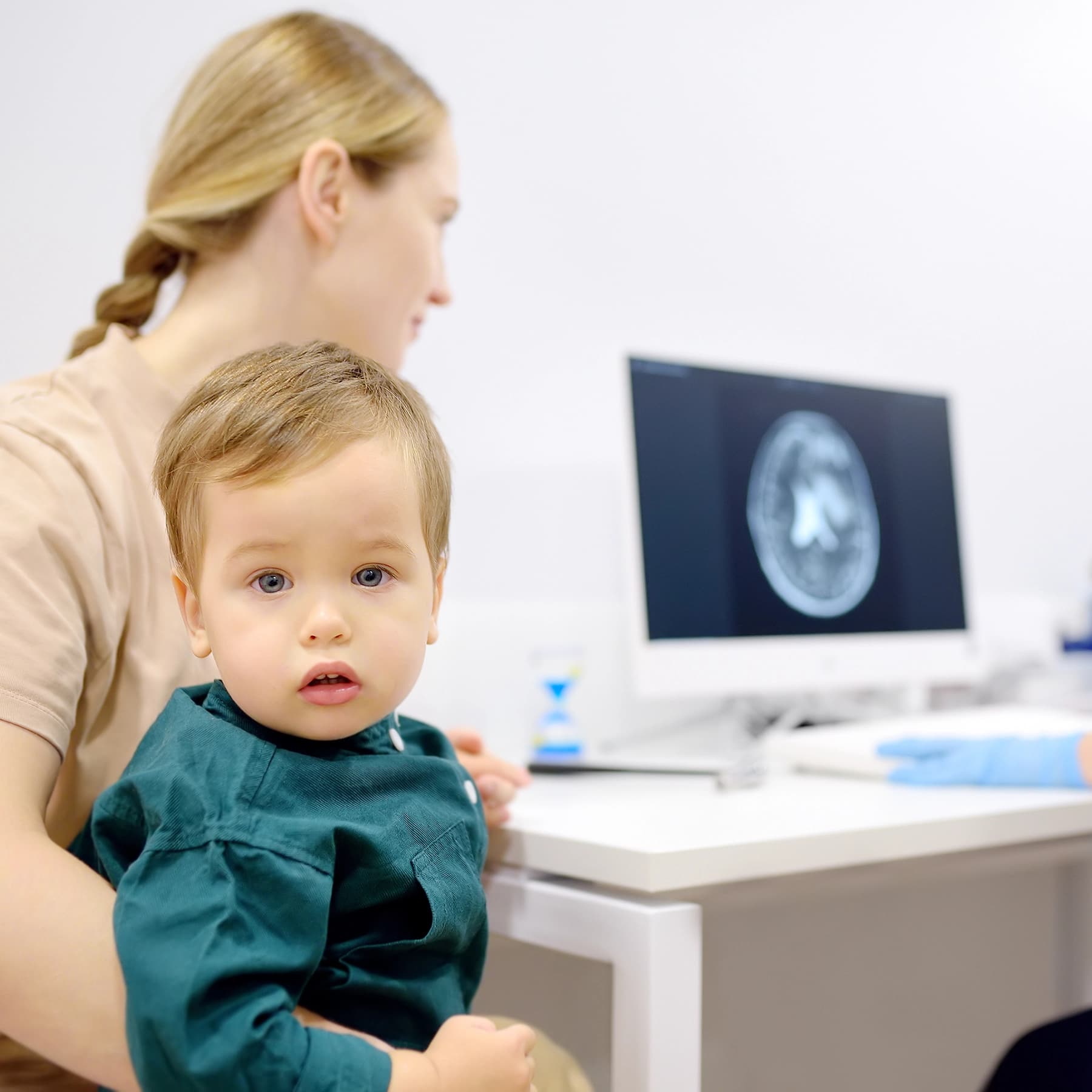
Not every child with a headache needs a brain scan. The decision to arrange further investigations depends on your child’s symptoms, examination findings, and whether there are any warning signs or areas of uncertainty. In many cases, headaches can be assessed without the need for imaging.
Many children with a typical primary headache pattern can be assessed through a detailed clinical history and examination without automatically requiring brain imaging. If your child has any concerning symptoms or red flags, the clinician may recommend further tests or an urgent specialist assessment. The decision will depend on your child’s individual circumstances.
Try not to judge the quality of the assessment by whether a scan is ordered straight away. What matters most is that your child’s symptoms have been carefully evaluated and that the next steps are appropriate. A thorough assessment can often provide valuable answers, even when imaging is not needed.
Evidence Note:
Research and clinical guidance show that most children with a typical primary headache pattern can be assessed through a careful history, physical examination and neurological examination rather than automatically having brain imaging. For you as a parent, this means the decision to arrange a scan should be based on your child’s headache pattern, examination findings and any warning signs, rather than using imaging simply for reassurance. A detailed assessment remains the most important first step.
Why a Headache Diary Is So Useful
A headache diary can help you and your child’s doctor identify patterns that may be difficult to remember over time. Keeping a record of headaches can sometimes reveal possible triggers and provide useful information during the assessment. Even simple notes can make it easier to understand how the headaches are affecting your child.
Try to record when the headache started, how long it lasted, and how severe it was. You can also note any other symptoms, such as sickness, sensitivity to light, or dizziness, as well as any medicines your child took and whether they helped.
Keep the diary simple and practical so that you can use it consistently. A short record that you update regularly is often more useful than a complicated system that becomes difficult to maintain. Over time, this information can help guide decisions about your child’s care and treatment.
What to Record in a Headache Diary
The table below can help you collect information without turning every day into a medical investigation.
| What to Record | Why It Helps |
| Date and time | Shows whether headaches follow a pattern |
| Duration | Helps distinguish different headache patterns |
| Pain description | Records whether pain is pressing, throbbing or difficult to describe |
| Other symptoms | Captures nausea, vomiting, light sensitivity or visual symptoms |
| Food and fluid pattern | Shows possible links with missed meals or dehydration |
| Sleep | Helps identify irregular sleep patterns |
| School or stress events | May reveal emotional or situational triggers |
| Exercise or illness | Shows links with activity or infection |
| Medicine taken | Helps assess response and frequency of use |
| Effect on activities | Shows whether school, sleep or normal life is being disrupted |
Avoid asking your child about their headache every few minutes, as constant focus on symptoms can become stressful. Record useful information, then allow them to return to normal activities when they feel able.
Managing a Mild Occasional Headache at Home
If your child has an occasional mild headache without any warning signs, simple measures at home may help. Encouraging your child to rest, drink plenty of fluids, and eat regular meals can sometimes ease symptoms. Reducing prolonged screen time and eye strain may also be beneficial.
A quiet and comfortable environment can be helpful, especially if your child is sensitive to light or noise. Some children with migraine-like symptoms may prefer to lie down in a dark, calm room until the headache improves. Allowing your child time to rest can often make them feel more comfortable.
You should avoid giving pain relief repeatedly without checking that the medicine and dose are suitable for your child’s age. If you are unsure about which medicines to use or how often they can be given, seek advice from a pharmacist, GP, or paediatrician. Getting the right guidance can help ensure that headaches are managed safely.
Medicines for Headache and Migraine

Treatment for headaches and migraine depends on your child’s age, symptoms, and specific diagnosis. In some cases, simple pain relief such as paracetamol or ibuprofen may be appropriate. Your doctor will consider your child’s medical history before recommending any treatment.
For selected children and teenagers with migraine, a clinician may consider migraine-specific medicines such as triptans, depending on age, symptoms, diagnosis and individual suitability. Certain migraine treatments are only suitable for specific age groups and may require careful medical supervision. This is why it is important that your child’s treatment plan is tailored to their individual needs.
You should never give your child someone else’s prescription migraine medication. A medicine that works well for another person may not be safe or suitable for your child. The right treatment should always be chosen based on your child’s age, diagnosis, and overall health.
Everyday Habits That May Reduce Headaches
Simple everyday habits can sometimes help reduce recurrent headaches in children. Regular meals, adequate fluids, consistent sleep, and age-appropriate exercise are all important parts of a healthy routine. These habits may help your child manage headaches more effectively over time.
Try not to make too many changes at once. If you introduce several new rules together, it can be difficult to know what has made a difference, and your child may start to feel responsible for their headaches. Small, gradual changes are often easier for children and families to manage.
Focus on creating realistic routines that support your child’s overall health and wellbeing. Good headache management should fit into everyday family life rather than making every meal, bedtime, or activity revolve around avoiding headaches. A balanced approach can help your child feel supported without becoming overly focused on their symptoms.
The Role of Exercise
Regular physical activity is an important part of a healthy lifestyle and may help some children manage their headaches more effectively. Exercise, along with good sleep and regular meals, is often included in advice for children with recurrent headaches. Encouraging your child to stay active can support their overall wellbeing.
However, a headache that is consistently triggered by exercise should be assessed properly. This is particularly important if the pattern is new, severe, or different from previous headaches. You should mention these symptoms to your child’s doctor so they can decide whether further assessment is needed.
When your child is feeling well, encourage normal age-appropriate activities and physical play. If headaches are causing your child to avoid sports or stop taking part in activities they previously enjoyed, it is important to discuss this during the medical review. This information can help provide a clearer picture of how the headaches are affecting daily life.
Helping With Stress-Related Triggers
If stress seems to be contributing to your child’s headaches, start by listening and encouraging them to talk about their worries. Children may be concerned about schoolwork, friendships, bullying, exams, or changes at home. Understanding what is happening in your child’s life can help you identify possible triggers.
Emotional stress is a recognised trigger for migraine and chronic daily headaches in children. You may find it helpful to ask about school pressures, friendships, and family concerns, as these factors can sometimes play an important role. Open conversations can help your child feel supported and understood.
Support may involve practical changes at school, stress-management strategies, or psychological support if needed. The right approach will depend on your child’s individual circumstances and symptoms. However, even if stress appears to be a trigger, you should not assume it is the only cause or delay seeking medical advice when necessary.
Headaches and School Life
Frequent headaches can affect your child’s attendance, concentration, and confidence at school. Some children become worried about developing a headache during the school day and may start avoiding lessons, sports, or social activities. Over time, this can have a significant impact on their wellbeing and education.
It is important to make sure the school understands your child’s diagnosis and treatment plan. If your child needs medication during school hours, you should ensure that clear arrangements are in place and follow the school’s medicine policy. Good communication between you, your child, and the school can make managing headaches easier.
Children with migraine may benefit from access to water, regular meals, and a quiet place to rest during an attack. Simple measures such as staying hydrated and maintaining consistent routines can help reduce the impact of headaches at school. These practical steps can make your child feel more supported and confident in the school environment.
When Headaches Start Affecting Family Life
The impact of headaches often matters just as much as the pain itself. If your child is missing school, avoiding activities, or spending several days each month in bed, the headaches may be having a significant effect on daily life. In these situations, additional support and assessment may be needed.
Even when there are no emergency warning signs, recurrent headaches can still affect your child’s school life, friendships, and family activities. You may wish to seek specialist advice if the headaches are disrupting normal routines or becoming increasingly difficult to manage. The overall impact of the symptoms is an important part of the assessment.
Keeping a record of missed school days, activities, and other disruptions can be very helpful. This information allows you and your clinician to understand how the headaches are affecting your child’s quality of life, rather than focusing only on how often they occur. A clear record can also help guide treatment decisions.
When to See a Paediatrician
A paediatric review may be helpful if your child’s headaches keep returning or the diagnosis is still unclear. You may also want specialist advice if the headaches are affecting sleep, school, exercise, or everyday family life. A paediatrician can help assess the possible causes and discuss the next steps with you.
You may wish to seek further assessment if your child’s headaches are becoming more frequent or severe. It can also be helpful if treatments are not working as expected or the symptoms keep changing over time. Early review may help prevent the headaches from having a greater impact on your child’s daily activities.
Some children have more complex symptoms that need a broader assessment. In these situations, a paediatrician can consider different possible causes and recommend additional investigations or treatments if needed. A specialist review can help you gain a clearer understanding of your child’s condition and treatment options.
When a Paediatric Neurologist May Be Involved
Some children may need to see a paediatric neurologist for a more specialised assessment. This may happen if your child has red-flag symptoms, abnormal examination findings, or headaches that are difficult to diagnose or manage. A referral can also be helpful when symptoms are not improving with standard treatment.
Specialist headache services for children are available through paediatric and paediatric neurology pathways. These services can provide further investigations, detailed assessments, and additional treatment options when needed. You may be referred if your child’s symptoms require more specialist input.
A referral to a paediatric neurologist does not automatically mean that a serious condition has been found. In many cases, it simply means your child would benefit from further assessment or a more tailored treatment plan. Understanding the reason for the referral can help you feel more reassured about the next steps.
Preparing for Your Child’s Appointment
Preparing for your child’s appointment can help you make the most of the consultation. If you have kept a headache diary, bring it with you, but do not delay seeking medical advice if your child has any worrying symptoms. Even a few notes about when the headaches occur can be helpful.
You should also bring a list of any medicines your child is taking, including the doses and how often pain relief is used. If you have copies of previous test results or clinic letters, bring those with you as well. This information can help your doctor build a clearer picture of your child’s symptoms.
Before the appointment, write down any questions you would like to ask. You may find it difficult to remember everything once the consultation begins, especially if your child is tired or uncomfortable. Having your questions ready can help you leave the appointment feeling more informed and reassured.
Myth vs Fact
| Myth | Fact |
| Children are too young to have migraine. | Migraine can occur in childhood and may present differently from adult migraine. |
| Every recurring headache needs a brain scan. | Imaging decisions depend on the headache pattern, neurological examination and presence of red flags. |
| Stress-related headaches are not real. | Stress can genuinely influence migraine and other recurrent headache disorders. |
| Headache medicine can be used as often as needed. | Frequent use of acute headache medicine can contribute to medication-overuse headache. |
| A headache diary has to be complicated. | A simple consistent record of timing, symptoms, possible triggers and medicine use can provide useful clinical information. |
Helping Your Child Explain Their Headache
Younger children often struggle to describe what their headache feels like. Instead of asking them to use medical words, ask simple questions about where it hurts and whether light, noise, or movement makes it worse. Their behaviour during the headache can also provide helpful information.
You may notice that your child wants to lie down, avoids bright lights, or becomes quieter than usual. These changes can help you understand how the headache is affecting them. Keeping track of these details can also be useful when speaking to a doctor.
Older children and teenagers may prefer to discuss their symptoms privately. Giving them space to talk can reveal information about stress, sleep, school, or other factors that may be contributing to their headaches. Open conversations can help you gain a clearer understanding of their symptoms.
Key Takeaways
- Headaches are common in children, and many are linked to migraine, tension-type headache, infections or everyday factors such as missed meals, dehydration, poor sleep and stress.
- Migraine in children may be shorter than adult migraine and can affect both sides of the head.
- A changing, progressively worsening or unusual headache pattern should be medically assessed.
- Certain red-flag symptoms in younger children require urgent assessment rather than routine review.
- A headache diary can help identify patterns, triggers, associated symptoms and medicine use.
- Not every child with recurrent headaches needs a brain scan; imaging decisions depend on the history, examination and presence of warning signs.
- Frequent use of headache medicines can contribute to medication-overuse headache.
- Seek urgent help if headache occurs with serious neurological symptoms, severe infection signs, seizures, confusion or reduced consciousness.
Frequently Asked Questions:
1. Are headaches common in children?
Yes. Headaches are very common in children and are often caused by minor issues such as viral illnesses, dehydration, stress, tiredness or migraine. Most headaches are not linked to a serious medical condition.
2. What are the most common causes of headaches in children?
Common causes include migraine, tension-type headaches, colds and flu, dehydration, missed meals, lack of sleep, stress, eyesight problems and, occasionally, medication overuse.
3. How can it be determined if a child has a migraine?
Children with migraine may have moderate or severe head pain along with nausea, vomiting, sensitivity to light or sound, and a desire to rest in a quiet, dark room. Some children also experience visual changes before the headache begins.
4. When should concern arise about a child’s headache?
Seek medical advice if your child’s headaches are becoming more frequent, progressively worse or associated with new symptoms. For children under 12, NICE recommends same-day assessment for specific red flags, including headache that wakes them from sleep, is present on awakening, worsens progressively or occurs with vomiting, balance problems or changes in consciousness.
5. Can dehydration cause headaches in children?
Yes. Not drinking enough fluids can trigger headaches, particularly during hot weather, after exercise or on busy school days when children forget to drink regularly.
6. Do too much screen time and eye strain cause headaches?
Long periods of screen use and visual concentration can contribute to headaches in some children, particularly if they already have an underlying headache tendency or an unrecognised eyesight problem.
7. Does my child need a brain scan for recurrent headaches?
Not necessarily. Most children with a typical migraine or tension-type headache pattern do not need a brain scan. Investigations are usually only considered when there are red-flag symptoms or unusual findings on examination.
8. What should be recorded in a headache diary?
A headache diary should include when the headache started, how long it lasted, its severity, associated symptoms, meals, sleep, fluid intake, stress factors, medicines used and how the headache affected daily activities.
9. How can headaches be prevented in children?
Encouraging regular meals, good hydration, consistent sleep, regular exercise and stress management can help reduce the frequency of headaches in some children.
10. When should my child see a paediatrician for headaches?
A paediatric assessment is advisable if headaches are recurring, becoming more frequent, interfering with school or daily life, not improving with simple measures, or causing concern because of associated symptoms or a changing pattern.
Final Thoughts: Supporting Your Child’s Health and Wellbeing
Most headaches in children are not caused by a serious underlying condition, but recurring, severe or changing headache patterns should never be ignored. Paying attention to symptoms, keeping a headache diary and seeking medical advice when needed can help identify the cause and ensure your child receives the right support and treatment. If you are concerned about recurring headaches in your child, the team at London Paediatric Clinic can provide a thorough assessment and personalised advice to help you understand and manage their symptoms.
References:
- National Institute for Health and Care Excellence (NICE) (2019) Suspected neurological conditions: recognition and referral. NICE guideline NG127. Available at: https://www.nice.org.uk/guidance/ng127
- National Institute for Health and Care Excellence (NICE) (2024) Meningitis (bacterial) and meningococcal disease: recognition, diagnosis and management. NICE guideline NG240. Available at: https://www.nice.org.uk/guidance/ng240
- Kacperski, J., Kabbouche, M.A., O’Brien, H.L. and Weberding, J.L. (2016) ‘The optimal management of headaches in children and adolescents’, Therapeutic Advances in Neurological Disorders, 9(1), pp.53–68. Available at: https://pmc.ncbi.nlm.nih.gov/articles/PMC4710107/
- Nieswand, V., Richter, M. and Gossrau, G. (2020) ‘Epidemiology of Headache in Children and Adolescents: Another Type of Pandemia’, Current Pain and Headache Reports, 24(10), 62. Available at: https://pubmed.ncbi.nlm.nih.gov/32840694/
- O’Donnell, D.M. and Agin, A. (2021) ‘Management of headaches in children and adolescents’, Current Problems in Pediatric and Adolescent Health Care, 51(7), 101034. Available at: https://www.sciencedirect.com/science/article/abs/pii/S1538544221000894
- Liew, E. and Whitehouse, W.P. (2025) ‘How to assess and manage headache in children: the basics’, Paediatrics and Child Health, 35(5), pp.125–133. Available at: https://www.sciencedirect.com/science/article/abs/pii/S1751722225000290